Emotional regulation for kids and parents
Big feelings are not misbehavior. This is where we gather Birch & Light's writing, stories, and podcast episodes about how children's nervous systems move through overwhelm, and how the grown-ups around them can stay steady enough to help.
Articles
Rewards That Work for a Child With ADHD
Why reward charts fizzle for kids with ADHD, and how to build a reward system that pays off in the moment instead of days later.
When a Young Autistic Child Starts Hurting Themselves
Sudden self-injury in a young autistic child: why to look at the body first, what to tell the doctor, and how to keep a meltdown safe.
Night Terrors in Children: What They Are and What Actually Helps
Screaming, thrashing, impossible to soothe, no memory in the morning. Why night terrors happen and what actually helps.
Why a Good Day Is So Often Followed by a Bad One
The crash after a great day is not a choice. What a good day costs a child with big needs, and how to soften the rebound that follows.
ADHD Workbooks for Kids: What Actually Helps (and What Doesn't)
A practical guide to choosing ADHD workbooks for kids ages 6 to 12, plus the printable Fast Brain workbooks for money, big feelings, and planning.
After School Restraint Collapse: Why the 4pm Crash Happens
After school restraint collapse explained: why kids who hold it together all day fall apart at home, and a low-demand script that shortens the crash.
DMDD: What the Diagnosis Means and What It Leaves Out
What separates DMDD from ODD, why the mood between outbursts matters, and what the label does and does not explain about your child.
When One Interest Takes Over the Whole House
Your child talks about one thing, all day, every day. Why redirecting fails, what the interest is doing for them, and what helps.
Learning to Parent Your Neurodivergent Child Changes Every Relationship
The habit of tracing backward transfers to your other kids, your marriage, and nearly everyone else you talk to.
How to Use AI to Understand Your Child's Behavior
AI can find the pattern under your child's hardest moments, if you feed it the right data. The workflow that changed our questions.
The Medical Side of Behavior Tracking Reveals
Blood sugar, medication tapers, sleep debt. How logging moments exposes the medical drivers hiding inside your child's hardest days.
Walking Into Therapy With Data, Not Memory
Fifty minutes goes fast. What changes when your child's therapist starts each session with a week of real patterns instead of recaps.
Tracking Shows Your Child's Strengths Too
Logging hard moments can feel negative. Here is why tracking bright spots and regulation wins changes what you and your child see.
Intolerance of Uncertainty: When No Answer Ever Works
Why some kids ask impossible questions, reject every reassurance, and explode over not knowing. Understanding intolerance of uncertainty.
When Tracking Reveals a New Treatment Direction
How months of logged moments surfaced a pattern we had never named, and changed the questions we bring to our child's care team.
When Rudeness Is Actually Fear: Understanding Explosive, Anxious Kids
The rudeness and rage are the surface. Underneath is almost always loss of control or feeling unheard. What helps, and does it get better.
Intuitive Telepathy: When Your Child Knows What You Never Said
Some parents have a story they never tell. Here is what science can explain, what it cannot, and why you are not imagining it.
How to Set Up a Calm-Down Space That Actually Helps
What to actually put in a calm-down space, how to introduce it before a meltdown, and the mistakes that turn it into a punishment.
Why Does My Child Seem to Read My Mind?
Some kids answer questions you never asked out loud. Here is what is actually happening, and why it costs them something.
When Your Child's Dysregulation Comes in Cycles
Good weeks then a hard crash, over and over. Why some neurodivergent kids cycle, what burnout has to do with it, and how to track it.
ADHD Separation Anxiety at Night: When Your Child Won't Sleep Alone
Bedtime separation anxiety that rewards and consequences will not fix. Why it is usually fear, not defiance, and what actually helps at night.
4 Connection Rules That Calm Kids (and Why They Work)
Four small connection habits, backed by research, that help kids feel safe and cooperate more. Simple to start and easy to keep up at home.
My Child Says "I Don't Know" After Every Meltdown
When you ask why and get "I don't know," they're usually telling the truth. What the brain does in a meltdown and what to ask.
Why Does My Child Destroy Their Own Things When They're Upset?
Ripping their own art, breaking their own toys. Why kids destroy what they love when overwhelmed, and how to respond without shame.
Why Does My Child Suddenly Want Everything Thrown Away?
The sudden purge: throw it all away. What this dramatic declaration usually means and how to respond without a landfill trip.
Why Is My Child Fine One Minute and Explosive the Next?
The zero-to-sixty explosion isn't random. What fills a child's stress bucket invisibly, why the trigger isn't the cause, and what helps.
Why Does My Child Stay in Bed All Day but Say They're Miserable?
They're not enjoying the bed, they're stuck in it. What all-day retreat signals, recovery vs. warning, and how to reach them.
How to Choose a Parenting App for a Kid Who Feels Everything More
Comparing parenting apps for ADHD, autism, or a highly sensitive child? How to tell which of the four types actually fits.
When a Medication Dose Increase Makes Things Worse
New dose, new behavior, and advice to wait it out. What settling-in really covers, and when to call the prescriber now.
Does My Child Really Not Remember the Meltdown?
The rage, the apology, then "I don't remember." What's real, what's shame, and what to do after the storm instead of a recap.
You Lost It and Yelled. You Are Not the Reason They Struggle.
Lost your temper and scared you're the cause of your child's struggles? Why the guilt actually proves the opposite, and how to repair.
When Your Child Is Aggressive With Only You
Your child hits only you and is an angel everywhere else? Why the safest parent gets the worst, how to stay safe, and what helps.
The Kid Who Asks the Questions No One Can Answer
Some kids ask endless deep questions and get upset when there's no clean answer. Why their brains do it, and how to respond.
Why Little Things Upset Your ADHD Child So Much
A look, a word, and the day is ruined. Why ADHD comes with big feelings, why "let it go" fails, and what builds real resilience.
Body-Based Tricks That Actually Interrupt a Meltdown (and the Science Behind Them)
Eye tracking, cold, paced breathing: the body-based techniques that interrupt a meltdown in real time, and the research on why they work.
Why Doctor Appointments Trigger Meltdowns
The meltdown may hit the night before or hours after a fine visit. Why appointments trigger them so widely and how to prepare your child.
When De-Escalation Fails: Keeping Everyone Safe During a Violent Meltdown
Sometimes de-escalation fails. How to keep your child, their siblings, and yourself safe during violent meltdowns, and what comes after.
When Your Kind Kid Says Vicious Things During a Meltdown
The kindest kids often say the cruelest things mid-meltdown. Why it happens, what it doesn't mean, and how to respond and repair.
Why Growth Mindset Lectures Don't Work for ADHD Kids (and What Does)
Growth mindset talks aren't working because it's not a knowledge gap. What actually builds resilience in kids with ADHD.
Why Does My Child Melt Down After School? (And What Helps)
After-school meltdowns are restraint collapse — your child held it together all day. Here's what's happening and what helps.
Parenting App for Meltdowns: How LightMap Helps
Looking for a parenting app for meltdowns? LightMap helps you log tough moments, see what's triggering them, and find what actually helps your child reset.
Connection Before Correction (With Teens)
The same words land completely differently depending on what came before them. A quieter, more durable order of operations for parenting teens.
The Difference Between Defiance and Overwhelm in Teens
They look the same from the outside. They are not the same on the inside. How to tell — and why it changes everything you do next.
LightMap: The Meltdown Tracker Built on a Whole Method
Log meltdowns in seconds, spot patterns, and get support grounded in a real method. LightMap by Birch & Light. 2 free weeks.
How to Connect With Your Teenager (Without Making It Worse)
Real connection with a teenager doesn't come from the conversations adults plan. It comes from the conditions they create. Here's what actually works.
Meltdown vs Tantrum: How to Tell the Difference
Meltdowns and tantrums look similar but need very different responses. Here's how to tell them apart, what each one needs, and how to spot your child's pattern.
When Your Teen Seems Emotionally Gone
Shutdown is not the absence of feeling. It's a nervous system that has run out of room. What helps when nothing seems to land.
Teenage Burnout: What It Looks Like and What Actually Helps
Teenage burnout isn't laziness — it's a nervous system that's been running on high for too long. How to recognize it and what helps.
Why Is My Teenager So Angry? What's Actually Underneath
Teen anger is rarely about the thing they're angry about. A calm, non-clinical look at what's underneath — and what actually helps.
Why Your Child Goes Quiet Instead of Exploding
Why some children withdraw and shut down under stress while others melt down, what it means, and how to support a child who goes quiet.
What a Shutdown Actually Is
When a child goes silent and still instead of exploding, it is not calm. It is a different kind of overwhelm. What a shutdown is and how to respond.
Why Co-Regulation Has to Come Before Self-Regulation
We expect kids to self-regulate before they are able to. Why the order is backwards, and what to do to help your child borrow your calm first.
How to Stay Calm When Your Child Is Melting Down
You cannot share a calm you do not have. How to hold your own regulation when your child loses theirs, with steps you can use mid-meltdown.
Why Your Child Needs You Closer, Not Further Away
The instinct to send a child away to cool off often backfires. Why closeness settles big feelings faster, and how to stay near without fixing.
Why Telling Your Child to Calm Down Never Works
"Calm down" almost always makes it worse. Why it backfires with an overwhelmed child, and what to say and do that actually reaches them.
What Co-Regulation Actually Means
You have heard the word everywhere. Here is what co-regulation actually is, in everyday terms, why it works, and how to do it with your child.
When the Family Vacation Overwhelms Your Child
The trip that was supposed to be fun ends in meltdowns. For some kids, vacation removes everything that keeps them steady.
When Summer Wrecks Your Child's Sleep
Looser summer bedtimes can quietly unravel a sensitive child's regulation. Here's why sleep matters more than it seems.
Why Summer Screen-Time Battles Get So Intense
Summer turns screen time into a daily war. The reason isn't weak willpower, and the fix isn't a stricter limit.
When Free Time Turns Into Meltdowns
For some kids, an open summer day with nothing planned is the hardest thing of all. Here's why, and what helps.
The Hidden Transition Behind Turning Off an iPad
Turning off a screen looks like one small action. For some kids it is a demanding transition in disguise. Why it triggers meltdowns and what helps.
Why Summer Can Be Harder Than School for Some Kids
If your child falls apart more in summer than during the school year, the loss of structure may be the reason.
When a Child Locks Themselves in Their Room
When your child shuts the door and won't come out, it's rarely defiance. Often it's a nervous system asking for space.
My Child Is Calm on Screens and Explosive Off Them
Calm with a screen, falling apart without one? The screen may be doing more regulating than you realized. What is going on and what to try.
Why Taking Away the iPad Causes Huge Meltdowns
The meltdown when screen time ends feels huge. It usually isn't about the iPad at all. Here's what's really happening.
Why Some Kids Hate Being Validated
Many parents are taught to name a child's feelings as "validation." For some kids, having emotions labeled feels intrusive. The difference, and what helps.
My Child Seems Confident One Minute and Overwhelmed the Next
One minute she is fine and the next she is on the floor. It did not come from nowhere. Here is what is happening and what to look for.
What Shutdowns Actually Look Like in Children
A shutdown does not look like a meltdown. It looks like nothing, which is what makes it so easy to miss. Signs to watch for and how to respond.
Why Your Child Falls Apart the Moment They Get Home
Your child holds it together all day and falls apart at home. You're not imagining it. Here's what's really happening.
Stories to read together















Podcast episodes
- The Princess and the Witch Inside — Deep Dive: Meeting Your Child's Protective Parts
Many children have protective reactions that get loud before they get understood — the 'witch' that shows up when big feelings spill over. This episode explores what those reactions may be trying to protect, and how meeting them with curiosity instead of correction can help a child feel safer, steadier, and more like themselves again.
- June on the Blacktop — Deep Dive: Grief, type 1 diabetes & 'It's Not Fair'
For kids living with type 1 diabetes, a sudden low can yank them out of a game and into fruit snacks while everyone else keeps running. This episode walks through how to honor that grief and unfairness — and how the companion songs (Blacktop Day, Dropping, I Rise Again) help kids name the drop before they bounce back.
- Taste Bud 17 — Deep Dive: Sensory Sensitivity vs. Picky Eating
Taste Bud 17 looks like a story about a picky eater, but it's really about sensory sensitivity — what it feels like when one part of a child experiences the world as 'too much' while everyone else seems fine. We unpack how the metaphor of a single overworked taste bud protects the child's dignity, why being briefly understood matters more than being fixed, and what shifts at home when grown-ups stop trying to talk a sensitive kid out of what they feel.
- The Boy at the Edge — Deep Dive: Self-Soothing vs. Limit-Testing
Stillness is not defiance. Curiosity is not refusal. This deep dive unpacks why a child drifting toward a window mid-breakfast is moving toward regulation, not away from your authority — and how mistaking self-soothing for limit-testing pulls the parent (not the child) into the red zone. A clear, compassionate framework for the everyday 'paper cuts' of parenting, with de-escalation moves that hold the boundary without breaking the connection.
- HT the Hot Dog — Deep Dive: Anxiety, What-Ifs & Returning to Now
Worry doesn't respond to logic — it responds to attention. This episode follows HT, a hot dog stuck in spiraling 'what-ifs,' to show why anxious minds (kids' and grown-ups' alike) can't think their way out — and how returning to right-now is the way back.
- The Gingerbread Man Who Didn't Expect Christmas — Deep Dive: Holiday Grief & Making Room for New Traditions
When the perfect holiday plan shatters, what's left? This episode follows a varnished gingerbread man through the quiet grief of a day that didn't arrive the way he imagined — and how naming the gap, holding the boundary, and making room for new traditions helps families find belonging in the version that did.
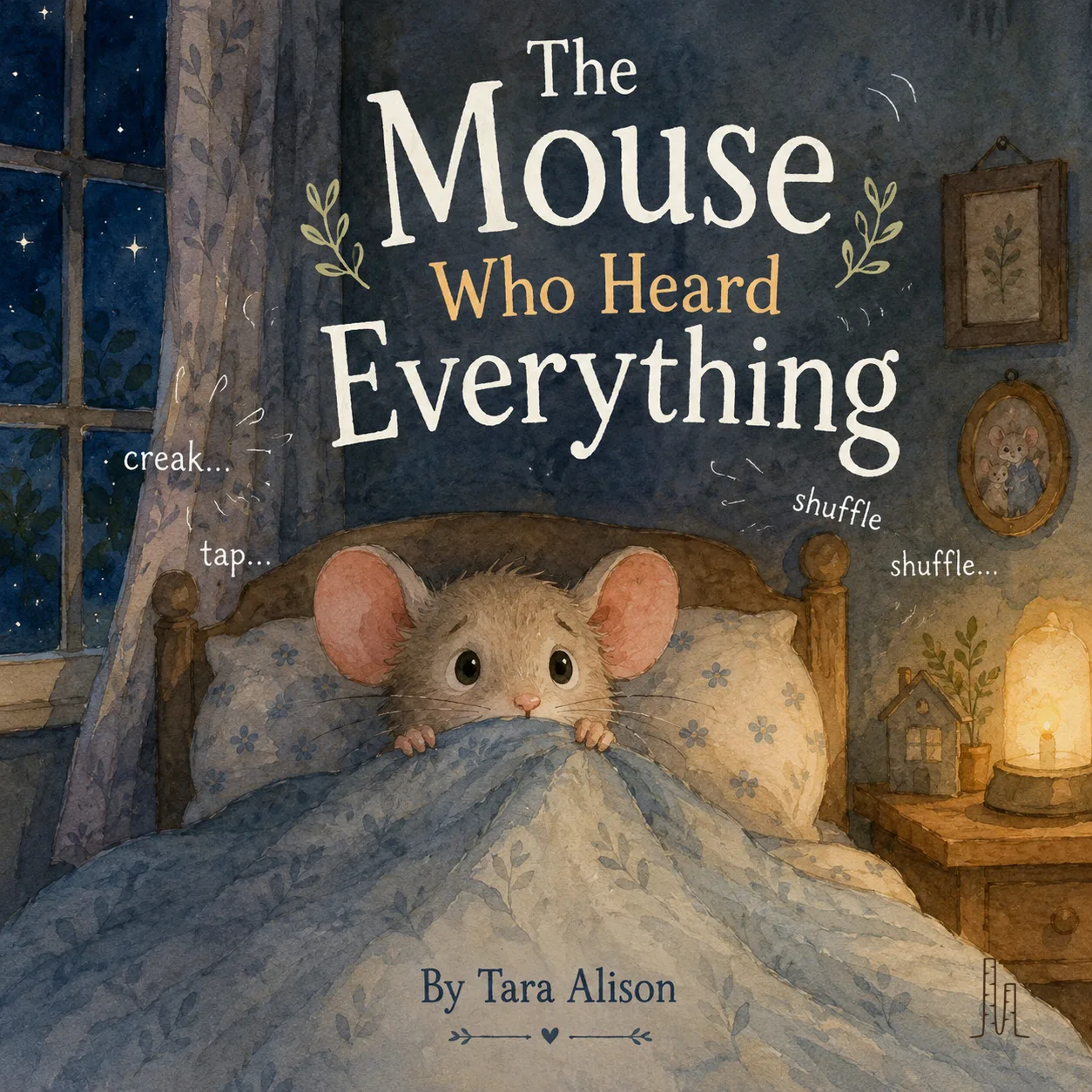
- The Mouse Who Heard Everything — Deep Dive: Bedtime Fears & the Hyper-Vigilant Child
When your child calls out 'there's a noise,' reassurance rarely lands — their listening is stuck on high. This episode unpacks why little ears stay switched on at night, and how shifting from alarm to curiosity (with a brave companion at their side) helps the body settle into sleep.
- June and the Window That Took Time — Deep Dive: When Your Child Says 'I Quit'
What looks like 'I give up' is often a nervous system in shock — the gap between wanting and being able feels enormous. This episode unpacks the emotional drop behind quitting, the five hidden hurdles underneath it, and why staying close as a calm spotter (not a rescuer) is what actually grows persistence.
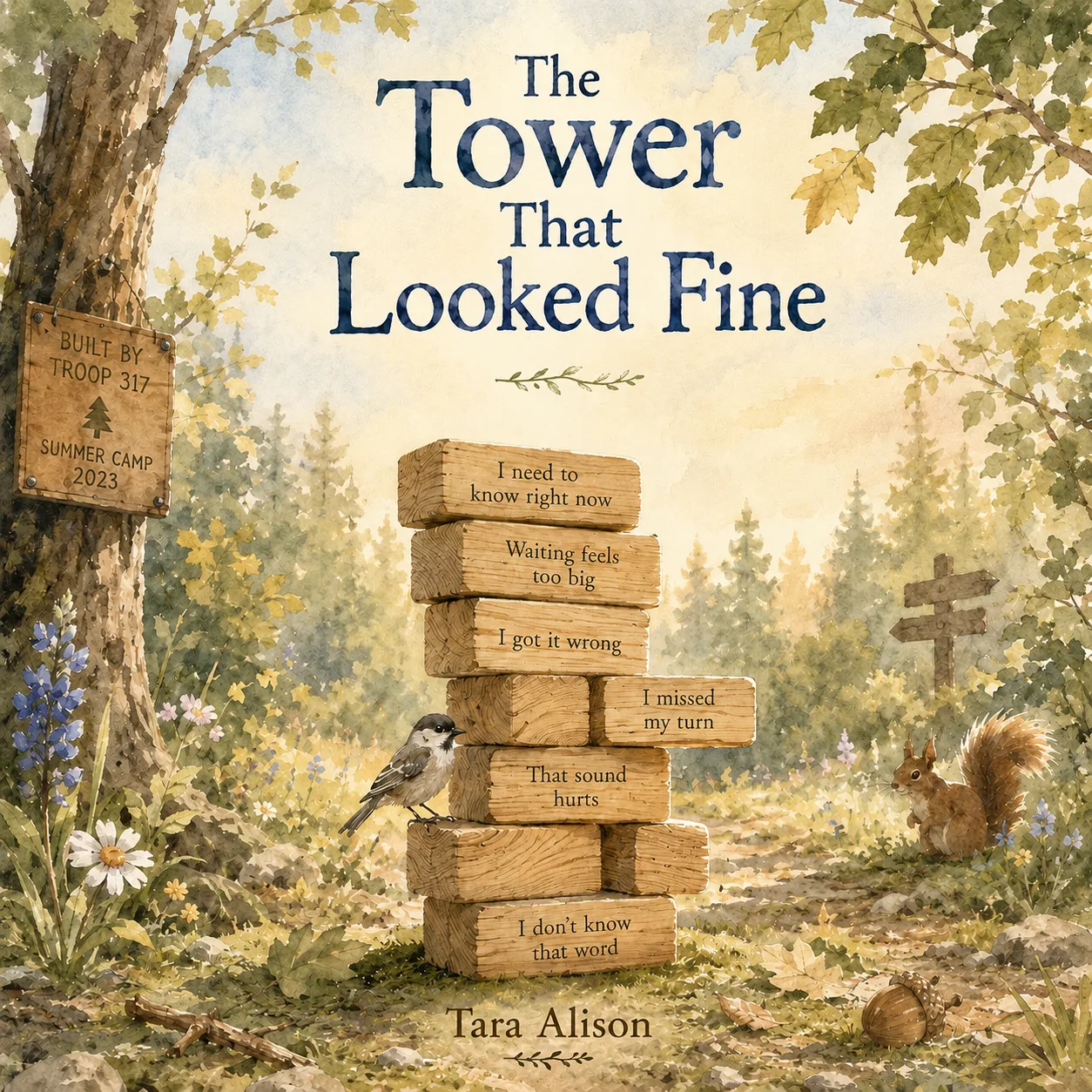
- The Tower That Looked Fine — Deep Dive: Reading the Wobble Before the Meltdown
Why meltdowns are nervous-system overload. This episode walks through the small, invisible weights kids carry all day — the wobble before the crash — and how gentle noticing (not stricter rules) helps a child stay standing.
- Lyra and the Constellation That Changed — Deep Dive: The Quiet Grief of a Faded Friendship
Some friendships don't end with a fight — they slowly fade, and a child is left holding all the questions. This episode unpacks the slow grief of a friend who drifted, why kids so often blame their own light for it, and how to help them learn that warmth given is never wasted.
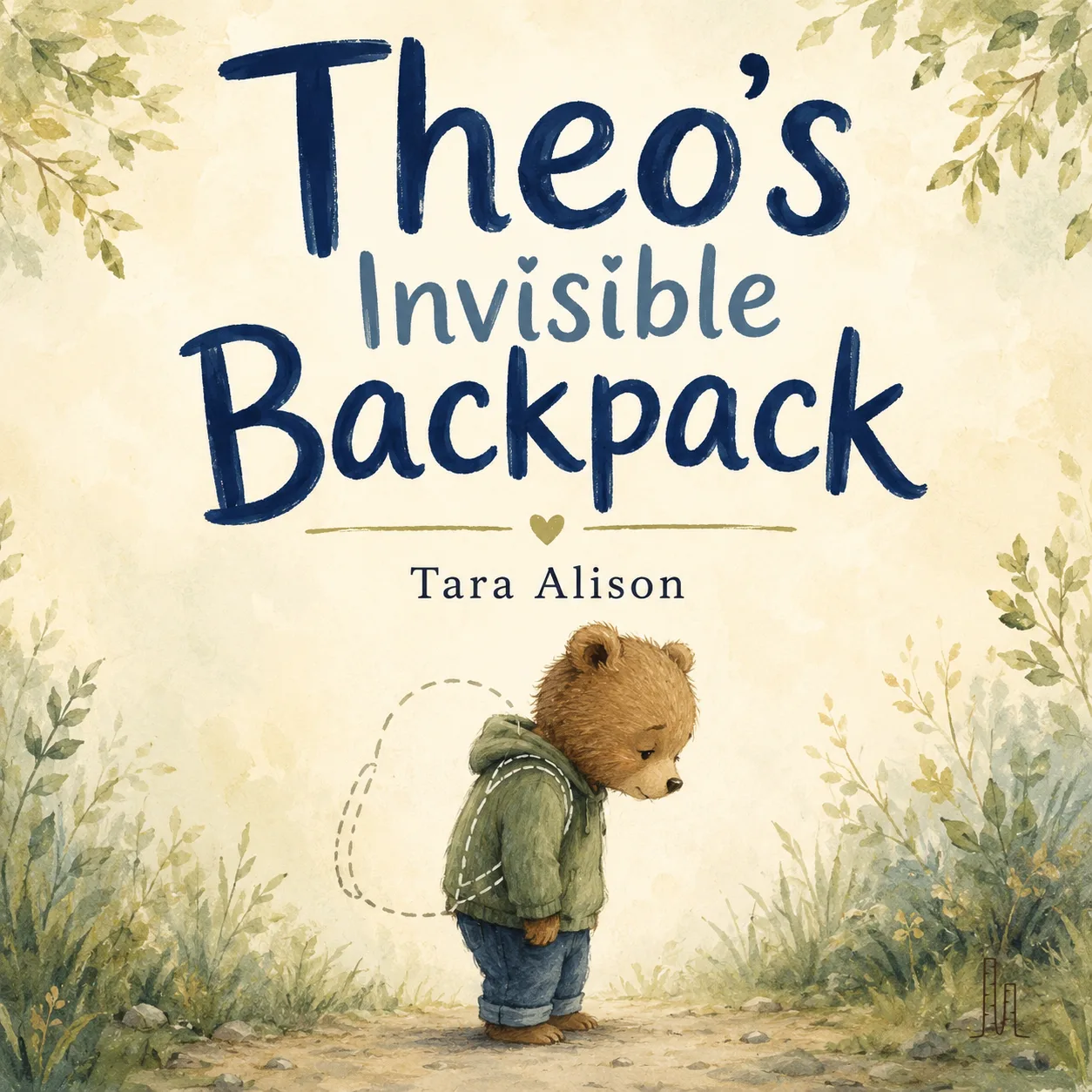
- Theo's Invisible Backpack — Deep Dive: The Invisible Weight of Other People's Words
Kids don't drop hurtful words at the door — they carry them, stone by stone, in a backpack no one else can see. This episode unpacks how teasing and offhand comments accumulate, why children so often start to believe the worst of what they hear, and how a parent's quiet noticing helps them sort what's truly theirs to carry.
- The Mosquito Who Thought He Was a Dragonfly — Deep Dive: Separating Your Child's Identity From Labels
When the world labels your child — 'difficult,' 'too much,' 'the bad one' — those words can start to feel like the truth. This episode unpacks how Miro the mosquito, raised by dragonflies, learns that being misunderstood by strangers doesn't change who he is at home. A clear-eyed look at how to help a child separate other people's fear or judgment from their own sense of self.
- When Wildflower Day Ended for Gus — Deep Dive: Why Your Child's Meltdown Is Actually Grief
When a beautiful day ends, some kids fall apart — not because they're being dramatic, but because their bodies are grieving. This episode follows Gus, a young bee who can't bear for Wildflower Day to be over, and unpacks why transitions out of joy hit so hard, and how a calm grown-up helps a child carry the feeling home.
- Otto Filled Everything — Deep Dive: Why Repetitive Behaviors Calm the Brain Stem
Otto can't stop filling things with water — and to his family it looks like mischief. This episode unpacks why repetitive, rhythmic behaviors aren't defiance or a phase to break, but the nervous system's way of self-regulating from the brain stem up. A clear look at what 'stimming,' soothing rituals, and sensory loops are actually doing inside a child's body — and why Grandma Willow's listening, not correcting, is what helps Otto feel met.
- When Axel's Engine Stayed On — Deep Dive: Why Overtired Kids Get So Hyper
After a big, exciting day, some kids don't wind down — they wind up. This episode unpacks why an overtired nervous system revs louder instead of softer, what 'second wind' really is, and how a calm grown-up helps an engine that won't quiet down find slow again.
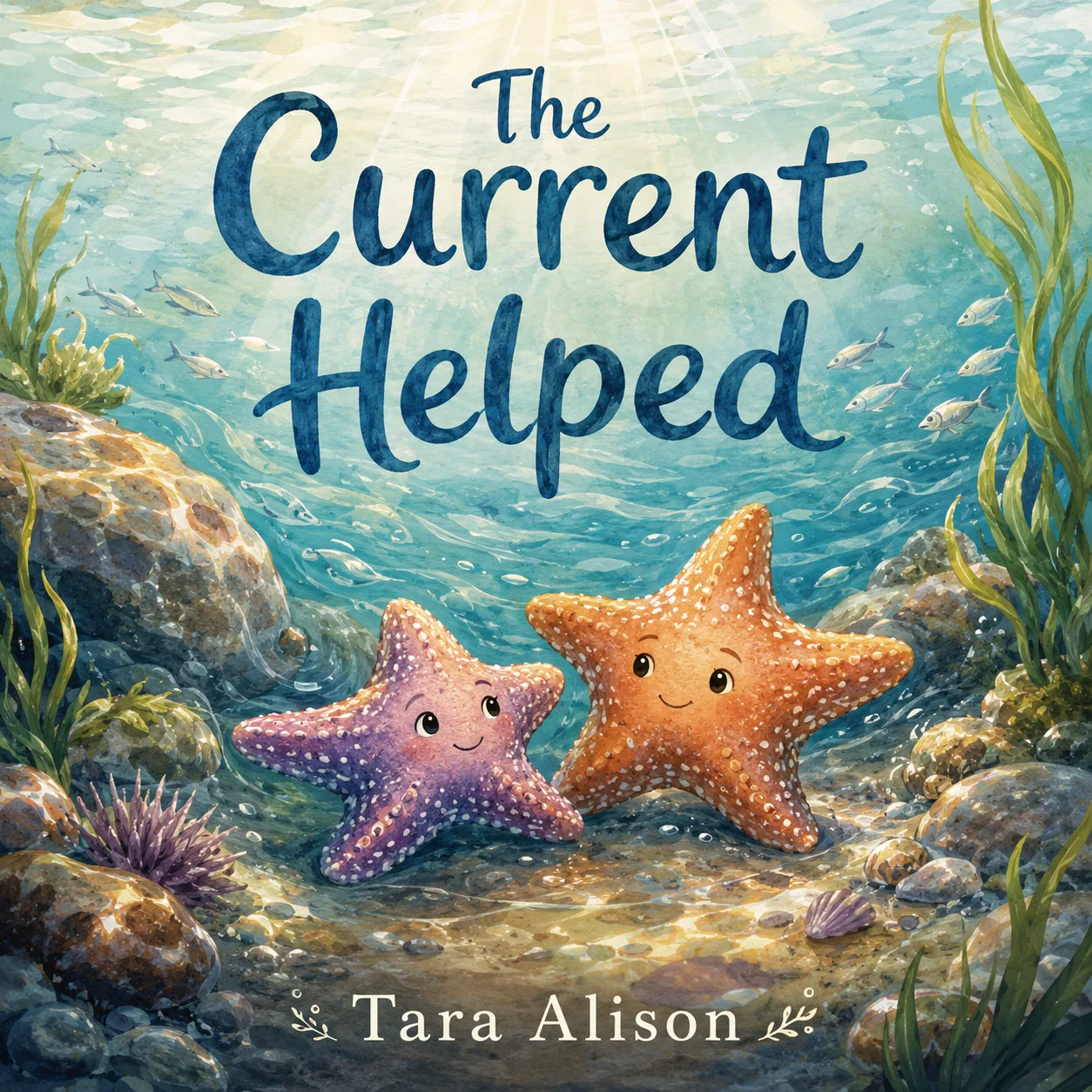
- The Current Helped — Deep Dive: Why Kids Need a Drive to Nowhere
Some kids ask to drive, swing, pace, or 'just go' — not to escape, but because their nervous system is searching for rhythm. This episode unpacks why movement-seeking isn't avoidance or entertainment, and how a steady grown-up beside the motion helps a child settle back into feeling like themselves.
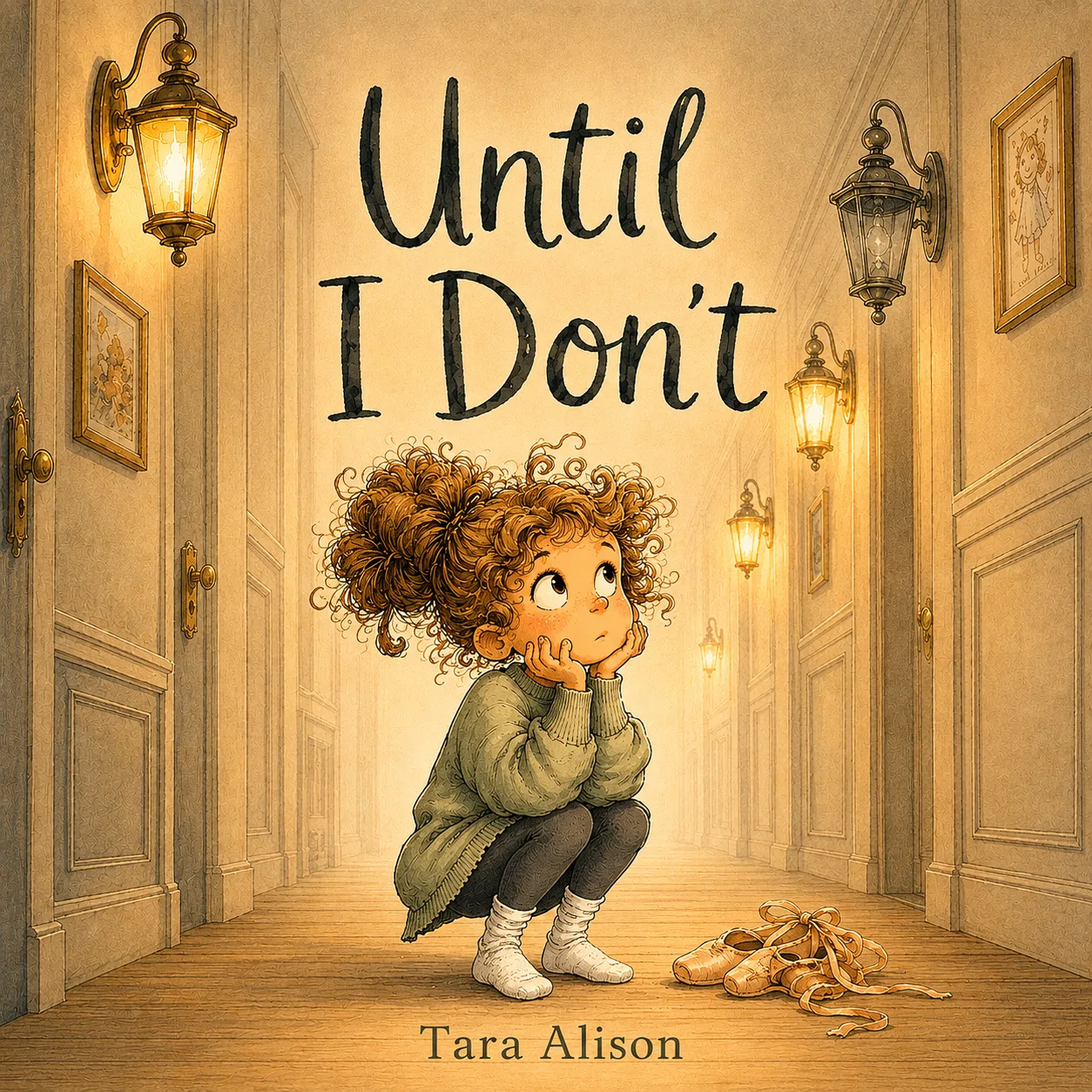
- Until I Don't — Deep Dive: Why Your Child Melts Down After School
Many kids hold it together everywhere else — at school, at dance, with neighbors — and then come home and fall apart. This episode unpacks the invisible effort behind that pattern, why home is so often where the holding finally lets go, and what it means when a child can only be unraveled in the place they feel safest.
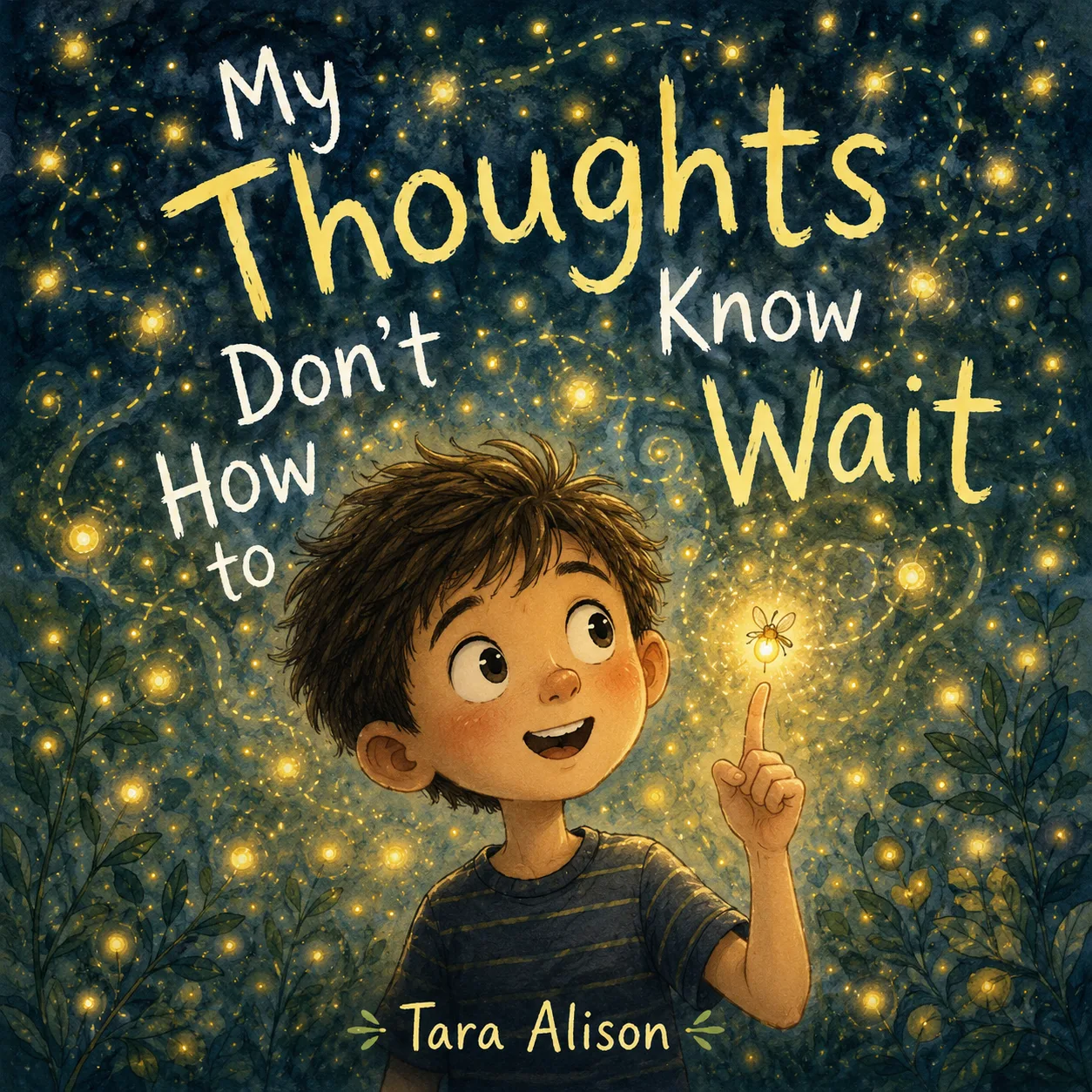
- My Thoughts Don't Know How to Wait — Deep Dive: When a Child's Thoughts Arrive Faster Than Their Words
Some kids interrupt not because they're rude, but because their thoughts feel like fireflies that will blink out if they don't catch them right now. This episode unpacks what's actually happening inside a fast-thinking, impulsive, or ADHD-leaning child — why "wait your turn" so often misses the point — and how a calm grown-up can sit beside the speed without trying to shut it off.
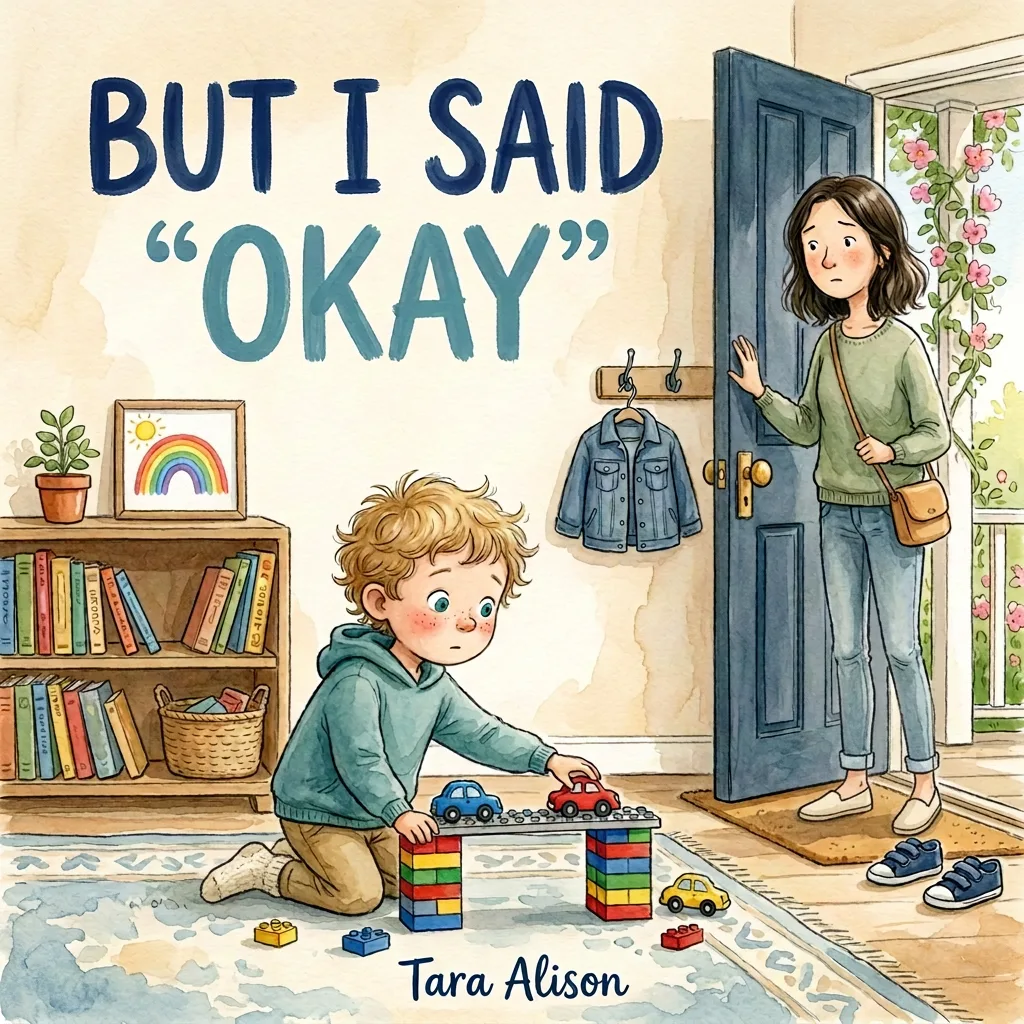
- But I Said “Okay” — Deep Dive: When “Okay” Just Means “I Heard You”
Some kids say “okay” and genuinely mean it — and still don’t move. This episode unpacks why a deeply absorbed child isn’t being defiant when a request doesn’t land, what’s actually happening inside an attention that’s still inside the bridge, the dragon, the cave, the music — and how a parent can shift from pulling them toward the next thing to helping them leave the current one.
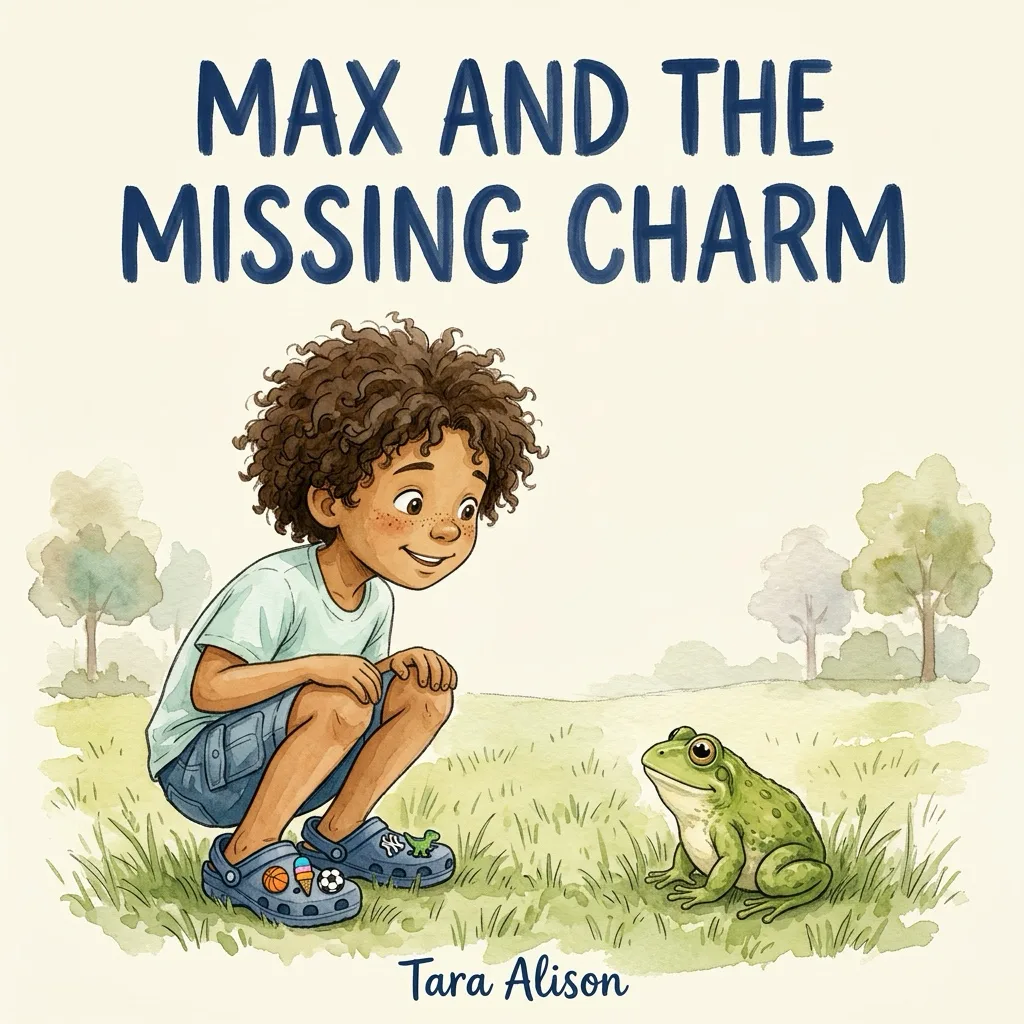
- Max and the Missing Charm — Deep Dive: Why Small Losses Shape Adult Resilience
When a child loses something “small” — a charm, a sticker, a favorite rock — the grief is real even when the object isn’t valuable to anyone else. This episode unpacks the trap of “discounted grief,” why logic and replacement don’t soothe a child’s heart, and how honoring small losses is how kids learn that bigger ones, later, are survivable too.
- Magnolia, Willow, and Pine — Deep Dive: The High Stakes of Childhood Friendship Triangles
When a best friend drifts toward someone new, a child's whole world can tilt. This episode unpacks why friendship triangles hit so hard in childhood, what's happening inside a kid who suddenly feels on the outside of their own closest bond, and how a calm grown-up helps them learn that hurt feelings don't have to mean closing forever.
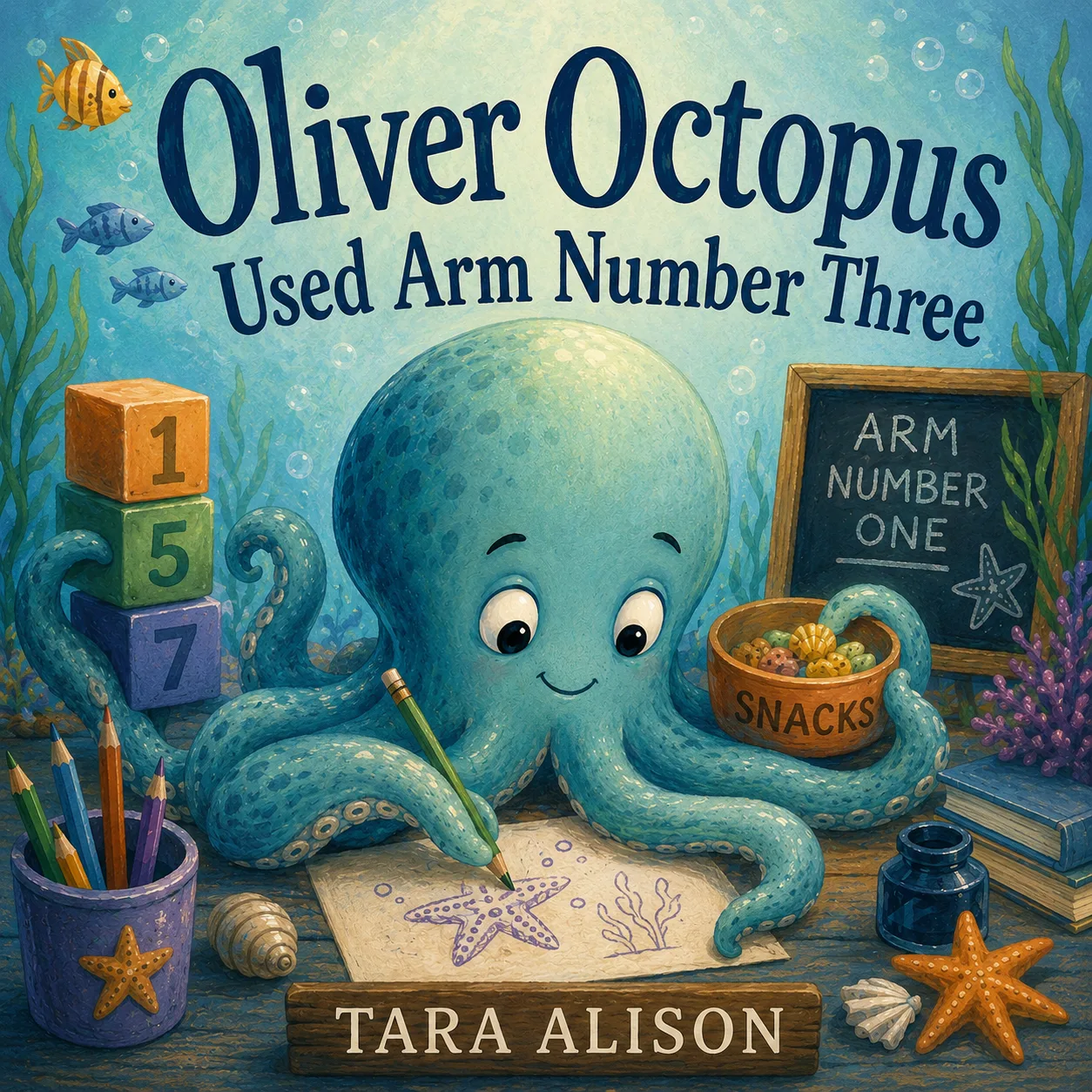
- Oliver Octopus Used Arm Number Three — Deep Dive: Difficulty Is Not Deficiency
Oliver always drew with Arm Number Three. When his teacher asks him to use Arm Number One instead, what looks like struggle is actually his brain quietly rewiring itself. This episode connects the principles of resilience, self-compassion, and the growth mindset directly to Oliver's story — and shifts the parenting question from "How do I make this easier?" to "What is my child actually building right now?"
- Little Bird — Deep Dive: Why Logic Fails a Scared Child
When a once-brave child suddenly clings, reassurance and reasoning rarely land — anxiety isn't a thinking problem. This episode bridges Little Bird's story with what we know about secure base behavior, the science of safety, and the small, repeatable practices (predictable goodbyes, hot-chocolate breaths, 5-4-3-2-1 grounding, baby-step bravery) that help a scared child's body believe what their grown-up has been telling them all along.