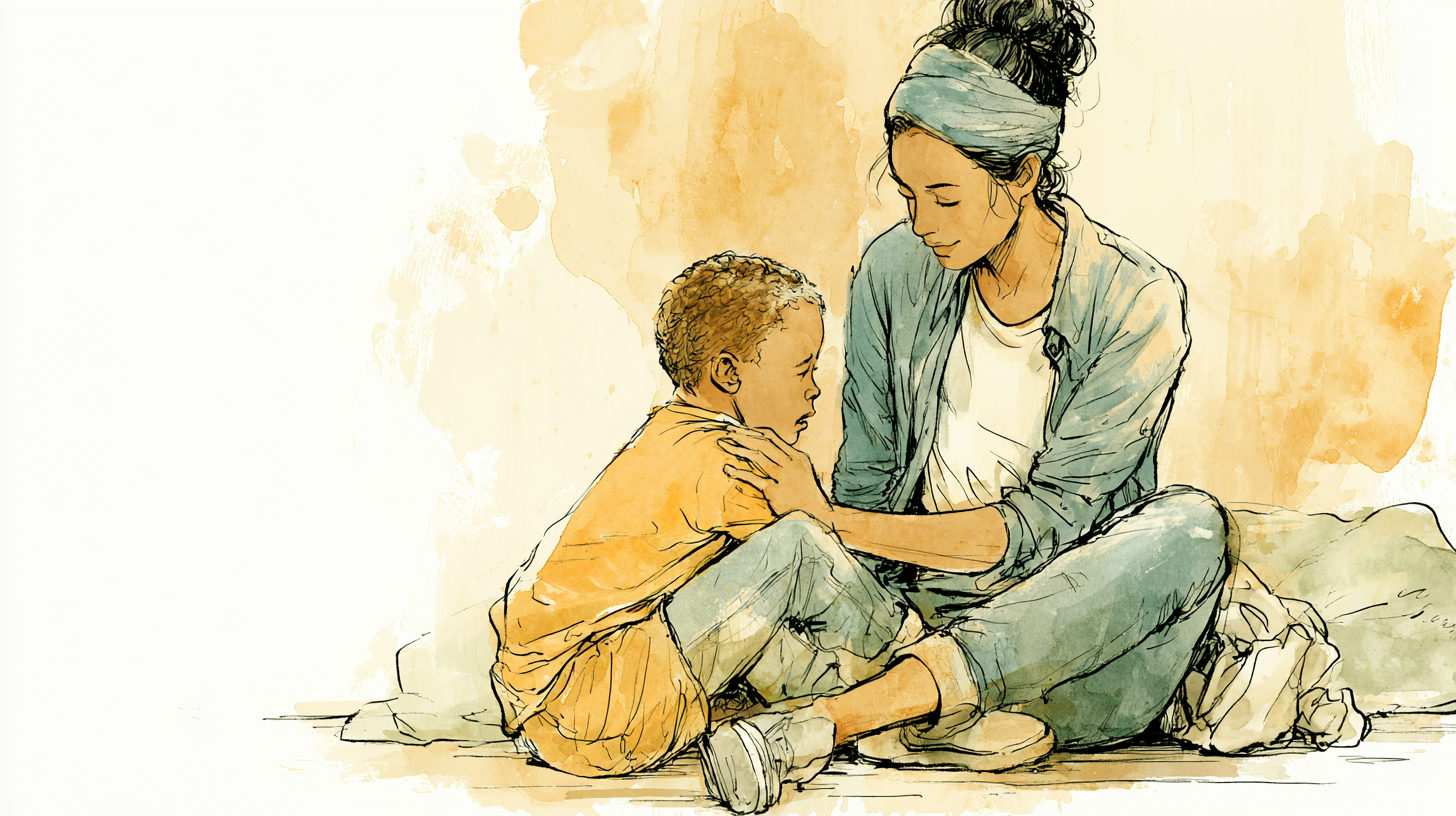
If you've spent any time reading about parenting lately, you've met the word: co-regulation. It's everywhere — in articles, from therapists, in the gentle-parenting corner of the internet. And like a lot of words that become popular fast, it's often used without ever quite being explained. You're told to co-regulate your child, but not always what that actually means, or why it works, or what it looks like on a hard Tuesday at 6pm.
So here it is, in plain terms. Co-regulation is one of the most useful ideas a parent can understand — but only if it's understood properly, rather than absorbed as a vague instruction to 'stay calm.'
What Co-Regulation Is
Co-regulation means helping a child return to a calm, regulated state by sharing your own calm with them. When a child is overwhelmed — flooded with big feelings, past the edge of what they can manage — they cannot bring themselves back to steady on their own. Their capacity to self-regulate is, in that moment, offline. So they borrow it from you.
This isn't a metaphor. Human nervous systems are, in a real sense, contagious — they pick up on and sync with the states of the people around them, especially the people we're attached to. A child in distress, in the presence of a calm and steady adult, can begin to settle, because their system has something regulated to attune to. Your calm becomes the thing they regulate toward.
That's the whole mechanism. Not a technique you perform on a child, but a state you hold near them, that their nervous system can sync with and borrow from until their own comes back online.
Co-regulation isn't something you do to a child. It's a calm you hold near them, that their nervous system can borrow until their own comes back.
Why Children Need It
The reason co-regulation matters so much is that young children genuinely cannot regulate big feelings alone. The brain systems responsible for self-regulation are still developing — and during an emotional flood, even the capacity they do have goes offline. Telling an overwhelmed child to calm themselves down is asking for something their brain cannot produce in that moment.
What they can do is borrow regulation from a regulated adult. Over thousands of these borrowing experiences across childhood, something important happens: the child gradually internalizes the capacity. The regulation they borrow from you again and again slowly becomes regulation they can eventually generate themselves. Co-regulation now is how self-regulation is built later. It's not a crutch that delays independence — it's the path to it.
While you're here, take the guide
What's Underneath is free: the three body-state triggers under most meltdowns, what to say in the minute before it tips over, and how to reset afterward.

You'll get the guide instantly, plus five free articles in your inbox every week. Real challenges (meltdowns, school mornings, picky eating, big feelings) and how to actually handle them. Unsubscribe anytime.
What Co-Regulation Is Not
The popularity of the word has produced some misunderstandings worth clearing up, because they're the difference between co-regulation working and falling flat.
It's not just staying calm while you lecture. Keeping your voice level while you explain why the behavior was wrong isn't co-regulation. A flooded child can't process the lecture, and the underlying message — that they need to change — adds pressure. Co-regulation is offering calm presence, not calm correction.
It's not a technique that makes the feeling stop. Co-regulation isn't a trick to shut down a meltdown faster. It's being a steady presence while the feeling runs its course. The goal isn't to end the emotion; it's to help the child not be alone in it, so their system can come down in its own time.
It's not permissiveness. Co-regulating an overwhelmed child doesn't mean abandoning limits or accepting any behavior. You can hold a boundary and co-regulate at the same time — steady presence and a firm, kind limit are not opposites.
It's not always quiet and gentle. Sometimes co-regulation is soft and still. Sometimes it's a confident, grounded presence in the middle of chaos. The common thread isn't a particular tone — it's that your nervous system stays regulated and available for theirs to borrow.
What It Looks Like in Practice
Co-regulation is less a script than a state, but in practice it often looks like: staying physically near without demanding anything, lowering your own voice and slowing your own body, reducing the input around the child rather than adding to it, offering simple presence ('I'm here') rather than questions or instructions, and waiting — letting the feeling move through while you remain steady alongside it.
The thing you're managing first, in every case, is your own state. Because you can't share a calm you don't have. The hardest and most important part of co-regulation is regulating yourself, so there's something steady for your child to attune to.
The Shift Worth Making
Co-regulation isn't a parenting technique to add to a toolkit. It's a description of how children's nervous systems actually develop — by borrowing regulation from steady adults, again and again, until they can generate it themselves. Understanding that changes what you reach for in a hard moment: not a strategy to make the feeling stop, but a calm to hold steady nearby while it passes.
The next time your child is past the edge and nothing you say is reaching them, the most useful thing you can offer isn't the right words. It's a regulated nervous system, close by, that theirs can borrow until their own comes back.
Every behavior is a clue.
If you're working on co-regulation in your hardest moments, LightMap can help you track what helps your child settle and what your own state was at the time — so the pattern beneath it becomes easier to see. Explore LightMap at birchandlight.com/lightmap.
Sources: Tronick's still face research; Kopp on the development of self-regulation (PMC); attachment research on the caregiver as external regulator (PMC); Porges' polyvagal theory, noting that it remains debated within the research literature.
For education and reflection, not medical advice. Our terms
See what's underneath
Know which response actually works for your child
LightMap reads your hard days together and gives you answers. Start with one moment today.
Start with 3 moments Not sure where to start? Ask me.Message Tara on WhatsApp. It really is me, I read everything and will personally respond.Click here to message Tara →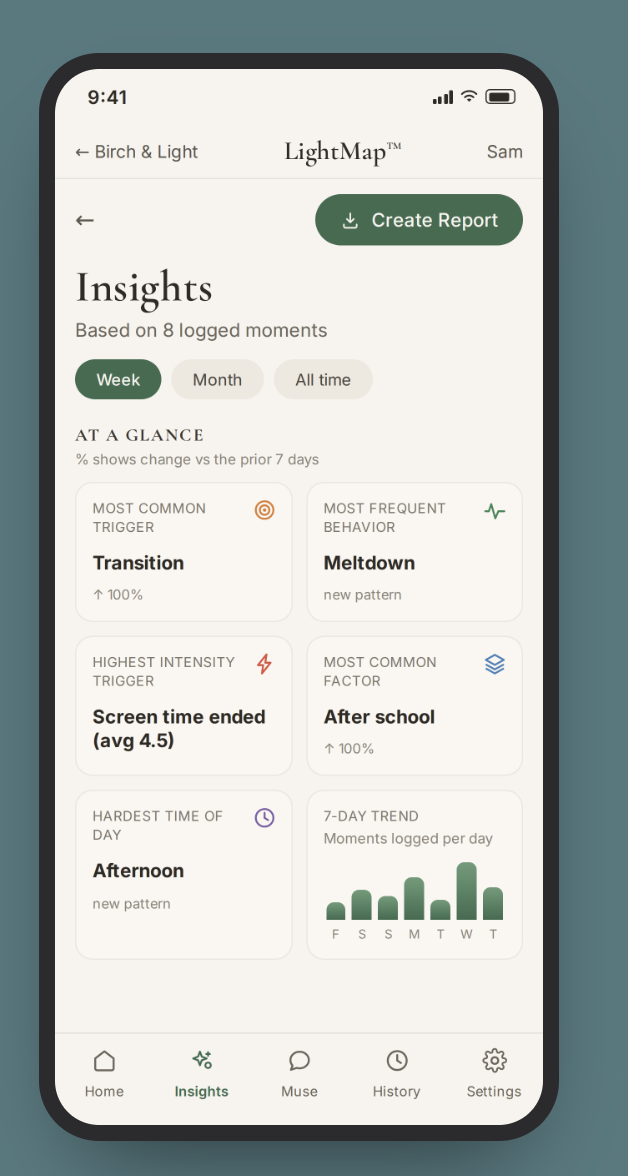

Part of the award-winning Birch & Light Method, honored with the Mom's Choice Gold Award for excellence in family resources.
A story to read together
Sometimes the easiest way in is a story you read side by side.
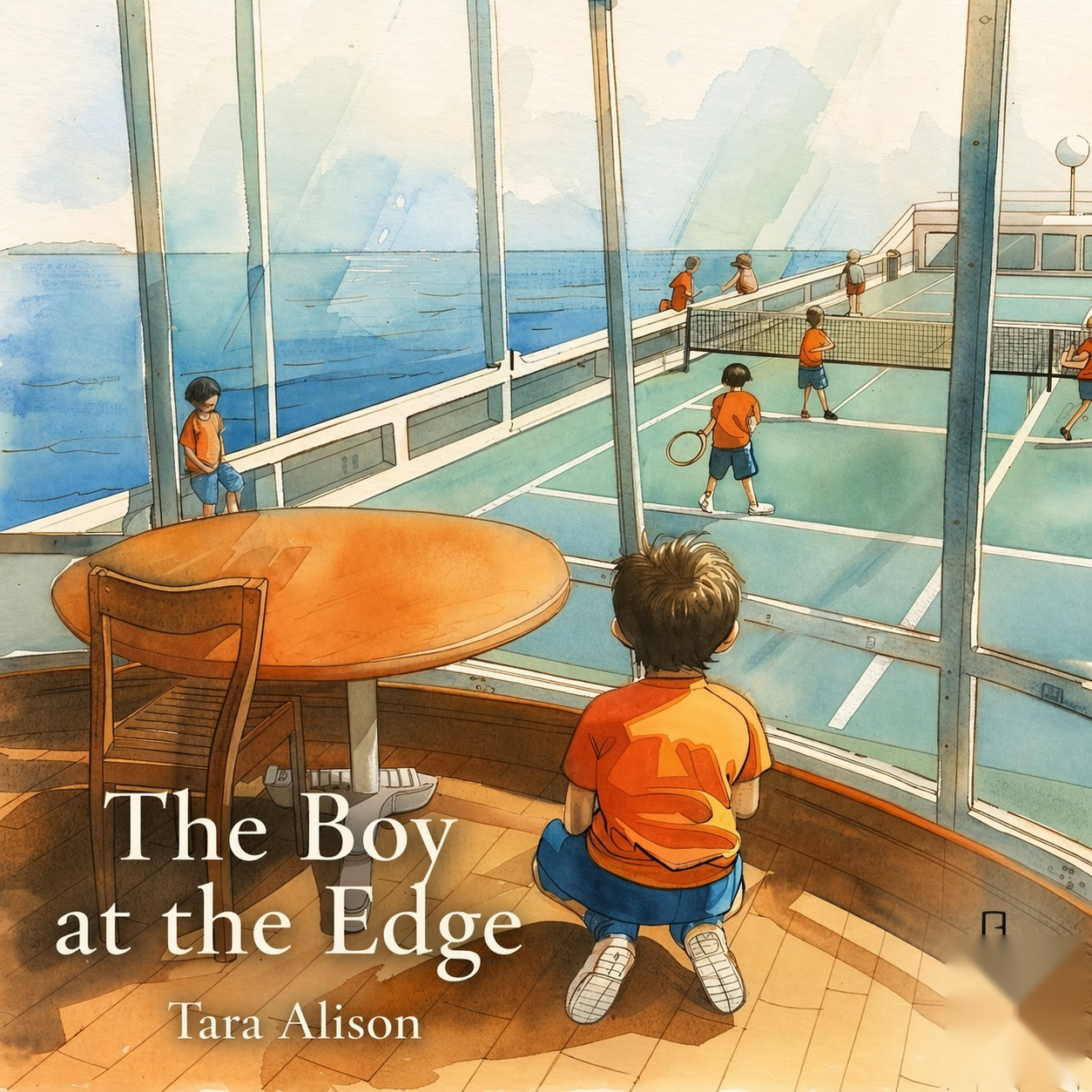 The Boy at the Edge
A boy finds calm by watching the world move from a window. When his stillness is mistaken for defiance, the moment escalates — and he learns that being calm doesn’t always protect you from being told no.
Read the story Little Bird
Little Bird used to fly everywhere. Then the forest started to feel too big — and a wise voice helps her see that her wings remember more than her worries do.
Read the story
If today was one of those days
A few more from the library, free to read.
Researched and drafted with AI assistance, reviewed before publication. Editorial standards