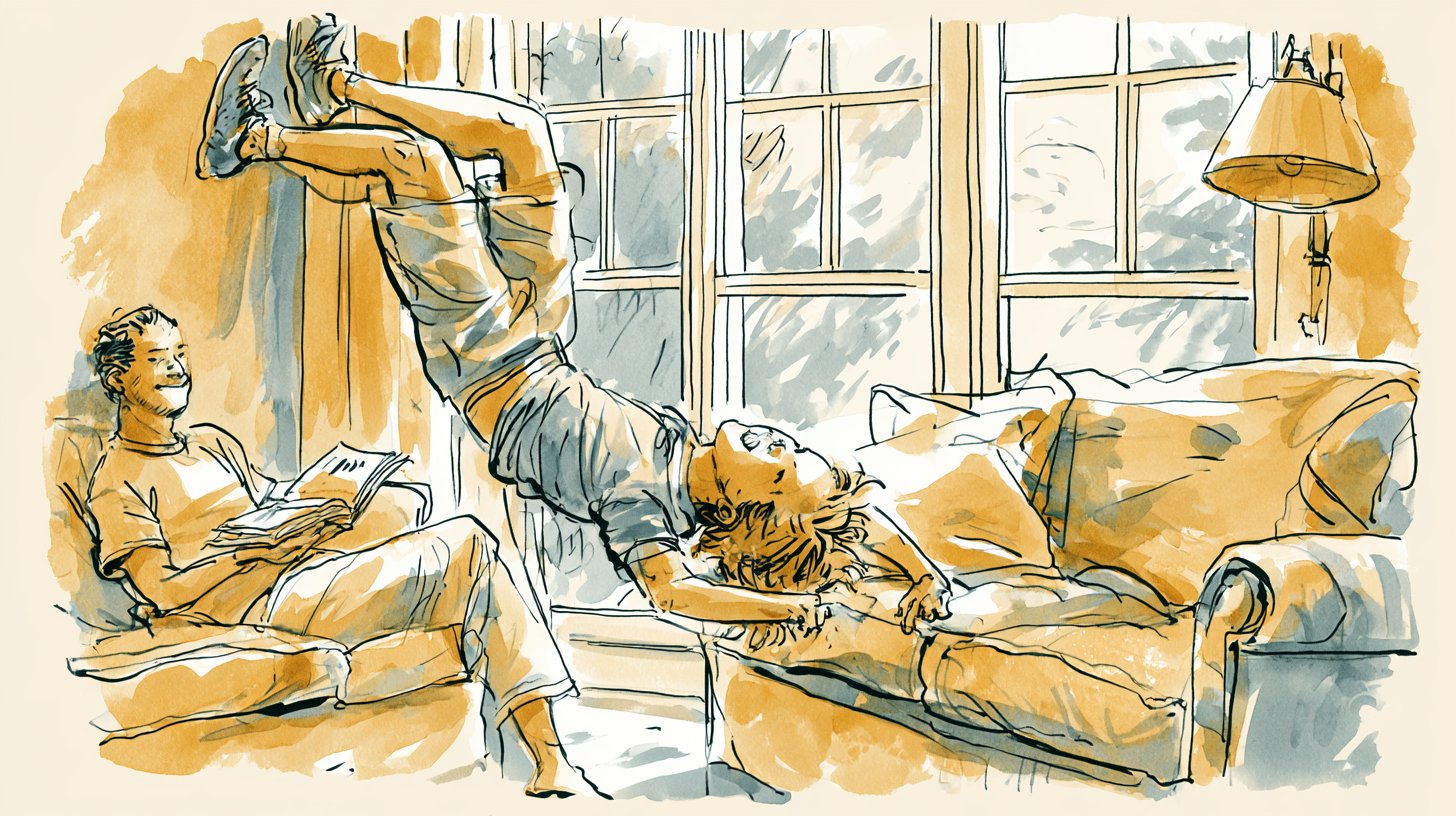
It runs against a lot of what we've been taught. When a child is melting down — screaming, raging, falling apart — the conventional move is distance. Send them to their room. The time-out. 'Come back when you've calmed down.' The idea is that space and separation will help them cool off, and that staying close might reward or fuel the behavior.
But for many children, distance during big feelings doesn't help them settle. It does the opposite. And the instinct to send them away — however reasonable it seems — can deepen the very dysregulation you're trying to end. Because what an overwhelmed child often needs most, in the moment they seem least deserving of it, is you, closer.
Why Distance Backfires
To understand why sending a child away during a meltdown often makes things worse, it helps to remember what a meltdown actually is. It's not bad behavior the child is choosing. It's a nervous system that has flooded past its capacity — a child who has, in that moment, lost access to the part of the brain that could calm them down. They are not, in any real sense, capable of pulling themselves back together alone.
So when you send a flooded child away to 'calm down,' you're asking them to do the impossible — self-regulate, alone, with the regulating brain offline — and you're removing the one thing that could actually help: a regulated adult to borrow calm from. For many children, separation in that state also registers as something worse: that connection is conditional, that they're too much, that being overwhelmed means being left alone with it. For a child already flooded, that's more threat, and threat deepens the flood.
An overwhelmed child can't regulate alone — the brain that would do it is offline. Sending them away removes the very thing that could help: you.
What Closeness Actually Does
Staying close during big feelings isn't about rewarding the meltdown or giving in. It's about providing the co-regulation a flooded child genuinely needs. Your calm, steady presence gives their overwhelmed nervous system something to attune to and borrow from — a regulated system nearby that theirs can sync with and settle toward.
It also delivers a message that matters enormously, especially in the hardest moments: you are not too much for me. I don't leave when things get big. My love isn't conditional on your composure. For a child afraid, on some level, that their overwhelming feelings might drive people away, experiencing a parent who stays — steady, present, unfrightened — is profoundly settling. The closeness itself is part of what brings them down.
While you're here, take the guide
What's Underneath is free: the three body-state triggers under most meltdowns, what to say in the minute before it tips over, and how to reset afterward.

You'll get the guide instantly, plus five free articles in your inbox every week. Real challenges (meltdowns, school mornings, picky eating, big feelings) and how to actually handle them. Unsubscribe anytime.
What This Doesn't Mean
It doesn't mean accepting dangerous behavior, abandoning limits, or hovering over a child who genuinely wants space. A few important distinctions:
Closeness isn't permissiveness. You can stay close and still hold a firm boundary. 'I won't let you hit me, and I'm right here' is both at once — the limit and the presence. Staying near doesn't mean anything goes.
Some children do need space — and that's different. A child who is shutting down, or who clearly regulates better with a little distance, isn't the same as a child being sent away as a consequence. The distinction is whether the space is the child's need or the parent's strategy. Offering 'I'm right here, and I'll give you room' respects a child who needs distance without making it a withdrawal of connection.
Closeness can be quiet. Staying close doesn't mean talking, fixing, or smothering. Often it's simply being nearby — a calm body in the room, available, not demanding anything. Presence, not pressure.
What Tends to Help
Stay, and lower your own intensity. Remain close, and make your own presence as calm and low-demand as possible. You're offering a regulated system to borrow from, so the most useful thing is to actually be regulated and near.
Offer presence over words. A flooded child can't process much language. 'I'm here' and a steady body do more than explanations. Save the words for after.
Follow the child's cues about contact. Some children want to be held; others can't bear touch mid-flood. Stay close, but let them show you whether physical contact helps or overwhelms. Closeness is about availability, not a particular kind of touch.
Hold limits from within the closeness. If a boundary is needed, you can hold it while staying present. The limit and the connection aren't in conflict — the steadiest response offers both together.
Reconnect once it passes. When the flood recedes, the closeness pays off in repair and connection. The child learns that big feelings didn't cost them you — that you were there through it and you're here after.
The Shift Worth Making
The instinct to create distance during big feelings — to send a child away to cool off — comes from an understandable place, but it misreads what a meltdown is. An overwhelmed child isn't choosing bad behavior that space will correct. They're flooded past the point of regulating alone, and distance removes the one thing that could help.
The harder, more counterintuitive move is to stay — to move toward your child in the moment they seem least lovable, and offer the steady closeness their nervous system is actually reaching for. Not as a reward, but as the thing that genuinely helps them find their way back.
Every behavior is a clue.
If you're working out what your child needs most in big feelings, LightMap can help you track whether closeness or space settles them faster — so the pattern beneath it becomes easier to see. Explore LightMap at birchandlight.com/lightmap.
Sources: Attachment research on proximity seeking under distress; Tronick's still face research; American Academy of Pediatrics guidance on effective discipline and the appropriate use of time-out; research on co-regulation and physiological calming through caregiver presence (PMC).
For education and reflection, not medical advice. Our terms
See what's underneath
Know which response actually works for your child
LightMap reads your hard days together and gives you answers. Start with one moment today.
Start with 3 moments Not sure where to start? Ask me.Message Tara on WhatsApp. It really is me, I read everything and will personally respond.Click here to message Tara →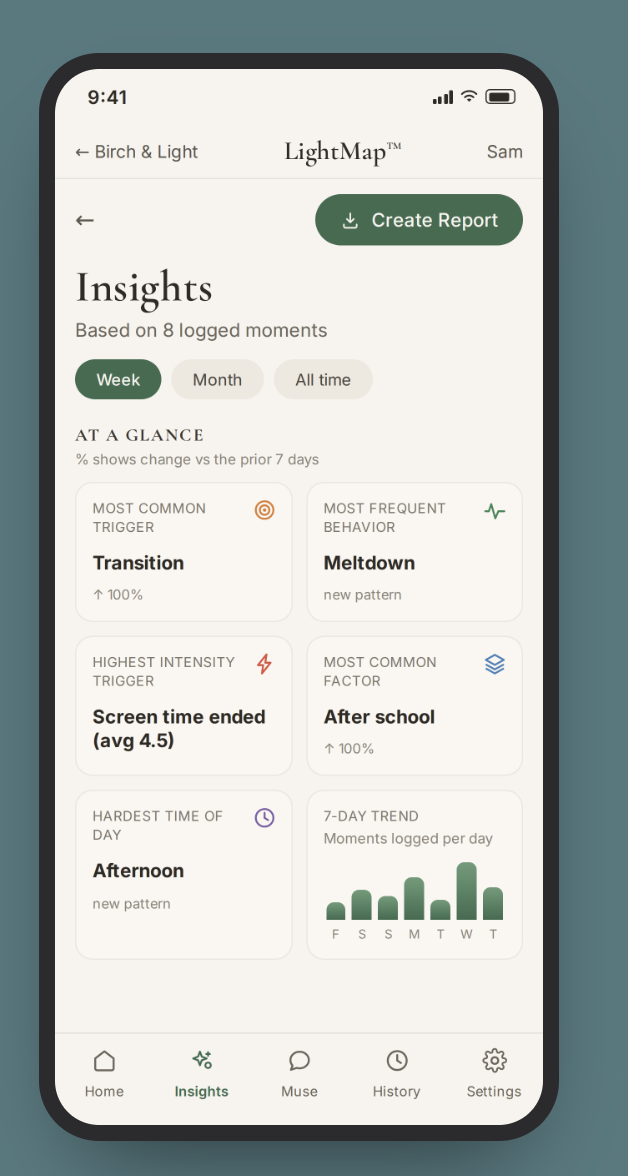

Part of the award-winning Birch & Light Method, honored with the Mom's Choice Gold Award for excellence in family resources.
A story to read together
Sometimes the easiest way in is a story you read side by side.
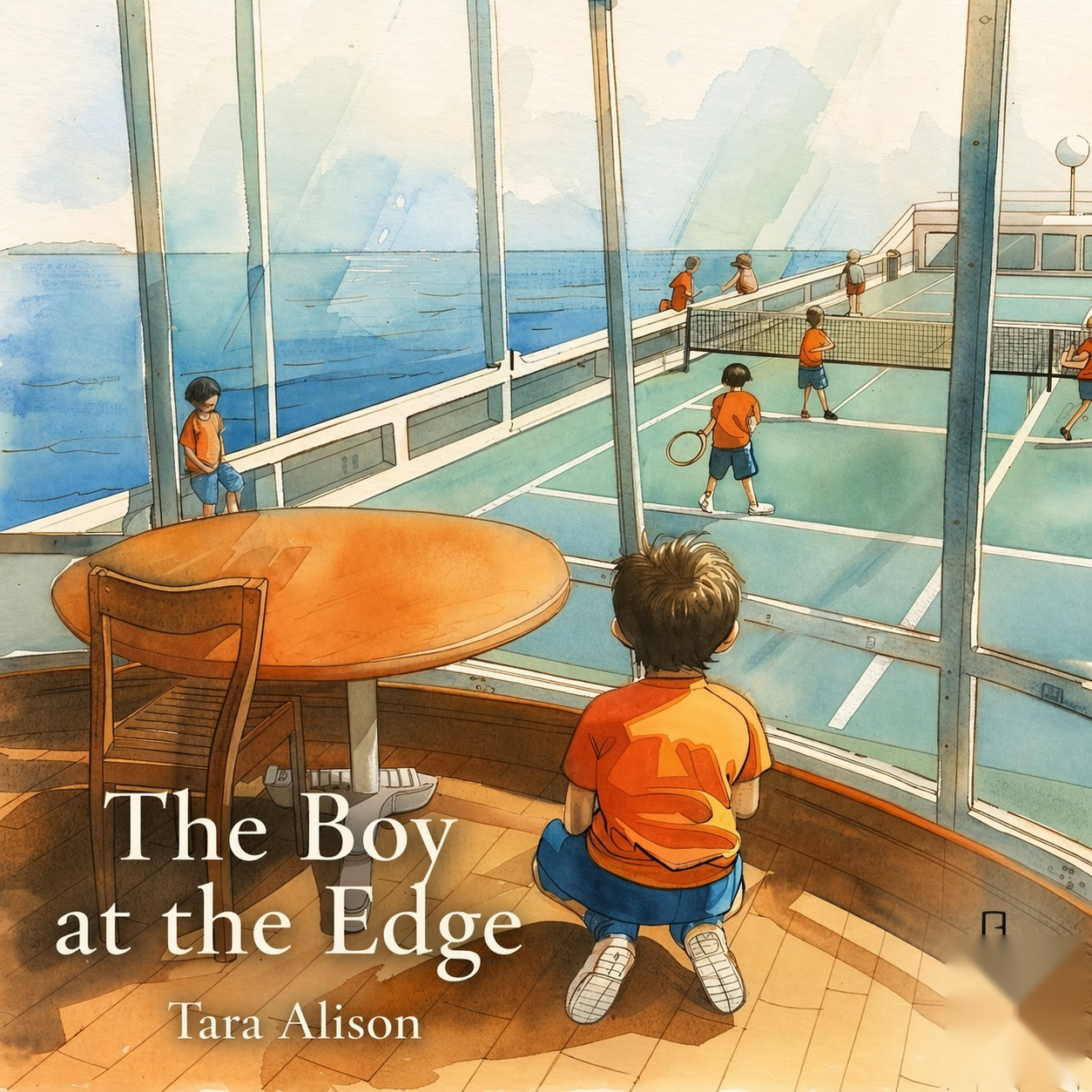 The Boy at the Edge
A boy finds calm by watching the world move from a window. When his stillness is mistaken for defiance, the moment escalates — and he learns that being calm doesn’t always protect you from being told no.
Read the story Little Bird
Little Bird used to fly everywhere. Then the forest started to feel too big — and a wise voice helps her see that her wings remember more than her worries do.
Read the story
If today was one of those days
A few more from the library, free to read.
Researched and drafted with AI assistance, reviewed before publication. Editorial standards