Podcasts

    Where story meets research — so the child in front of you starts to make sense.

    Mae & Rowan take one Birch & Light story at a time and open it up — weaving in what we know about emotion, regulation, and development so you walk away with the language and clarity to support your child through what they're actually carrying.

    Free to listen. 24 episodes · roughly 16+ hours of grown-up listening.

    3 quick questions · ~20 seconds

    Why parents listen

    The story softens the moment. The episode tells you what the moment was.

    A story you already know — opened up

    Each episode pairs one Birch & Light story with a deep dive into what's actually happening underneath the behavior. The story gives you the picture. The episode gives you the language.

    Where research meets real childhood

    Mae and Rowan weave in what we know about the developing nervous system, emotional regulation, attachment, and sensory processing — translated into plain, parent-ready language.

    Behavior, decoded with care

    Big feelings, shutdowns, picky eating, drifting friendships, anxious mornings — every episode names what your child may be protecting, communicating, or asking for that words can't quite carry yet.

    Walk away with one clear takeaway

    Every episode ends with a single parent takeaway — the one shift, frame, or question that tends to change what tomorrow looks like at home.

    Deep Dive Episodes

    Mae & Rowan, one story at a time

    Deep-dive conversations with Mae and Rowan exploring the behaviors, emotions, nervous system patterns, and hidden dynamics living underneath each Birch & Light story — so everyday moments start making more sense for caregivers.

    One episode per story. Each one names what parents tend to walk away understanding.

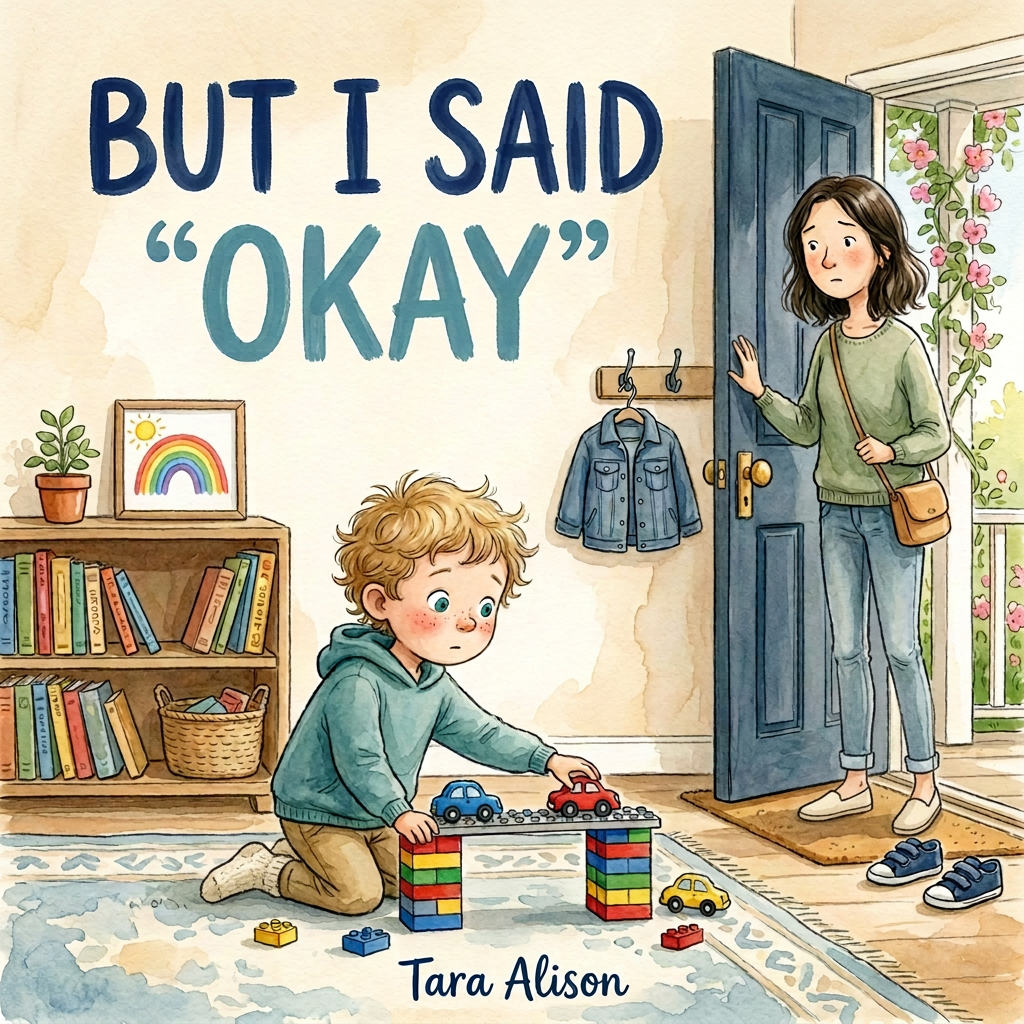
    But I Said “Okay” — Deep Dive: When “Okay” Just Means “I Heard You”

    Episode 1 · 41 min

    But I Said “Okay” — Deep Dive: When “Okay” Just Means “I Heard You”

    • Neurodivergent
    • Big feelings
    • Self-worth

    Parents take away —Why “okay” from a focused child often just means “I heard you” — not “I’m on it” — and how helping your child leave one thing works better than asking them to start the next.

    Some kids say “okay” and genuinely mean it — and still don’t move. This episode unpacks why a deeply absorbed child isn’t being defiant when a request doesn’t land, what’s actually happening inside an attention that’s still inside the bridge, the dragon, the cave, the music — and how a parent can shift from pulling them toward the next thing to helping them leave the current one.

    Open episode
    HT the Hot Dog — Deep Dive: Anxiety, What-Ifs & Returning to Now

    Episode 2 · 17 min

    HT the Hot Dog — Deep Dive: Anxiety, What-Ifs & Returning to Now

    • Anxiety
    • Big feelings
    • Body signals

    Parents take away —When a child is in a what-if spiral, logic and "you're fine" don't land — because they're not reacting to right now, they're reacting to a future they've built in their head. The shift isn't fixing the thought; it's helping them notice where they actually are and come back to it.

    Worry doesn't respond to logic — it responds to attention. This episode follows HT, a hot dog stuck in spiraling 'what-ifs,' to show why anxious minds (kids' and grown-ups' alike) can't think their way out — and how returning to right-now is the way back.

    Open episode
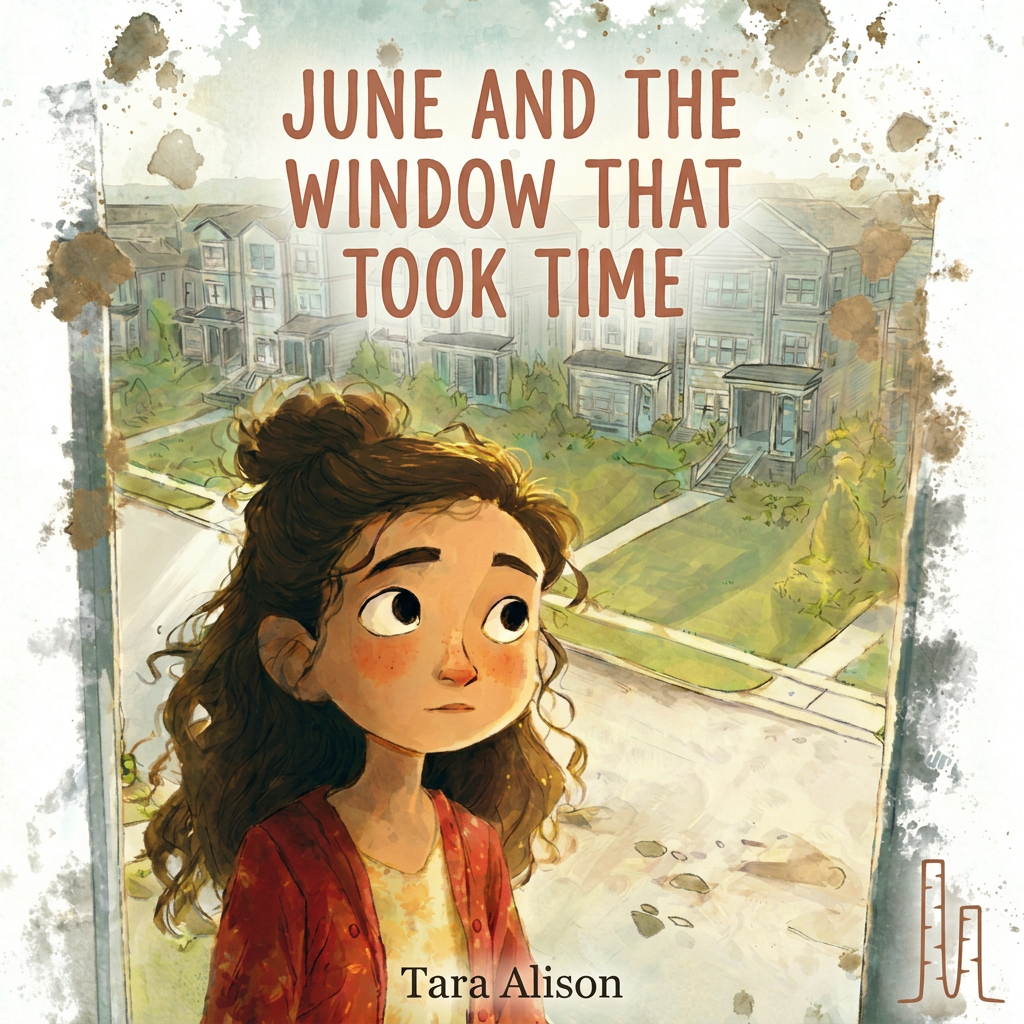
    June and the Window That Took Time — Deep Dive: When Your Child Says 'I Quit'

    Episode 3 · 37 min

    June and the Window That Took Time — Deep Dive: When Your Child Says 'I Quit'

    • Patience
    • Big feelings
    • Self-worth

    Parents take away —What's actually happening when your child says 'I quit' — and how to be a spotter (not a rescuer) so persistence has room to grow.

    What looks like 'I give up' is often a nervous system in shock — the gap between wanting and being able feels enormous. This episode unpacks the emotional drop behind quitting, the five hidden hurdles underneath it, and why staying close as a calm spotter (not a rescuer) is what actually grows persistence.

    Open episode
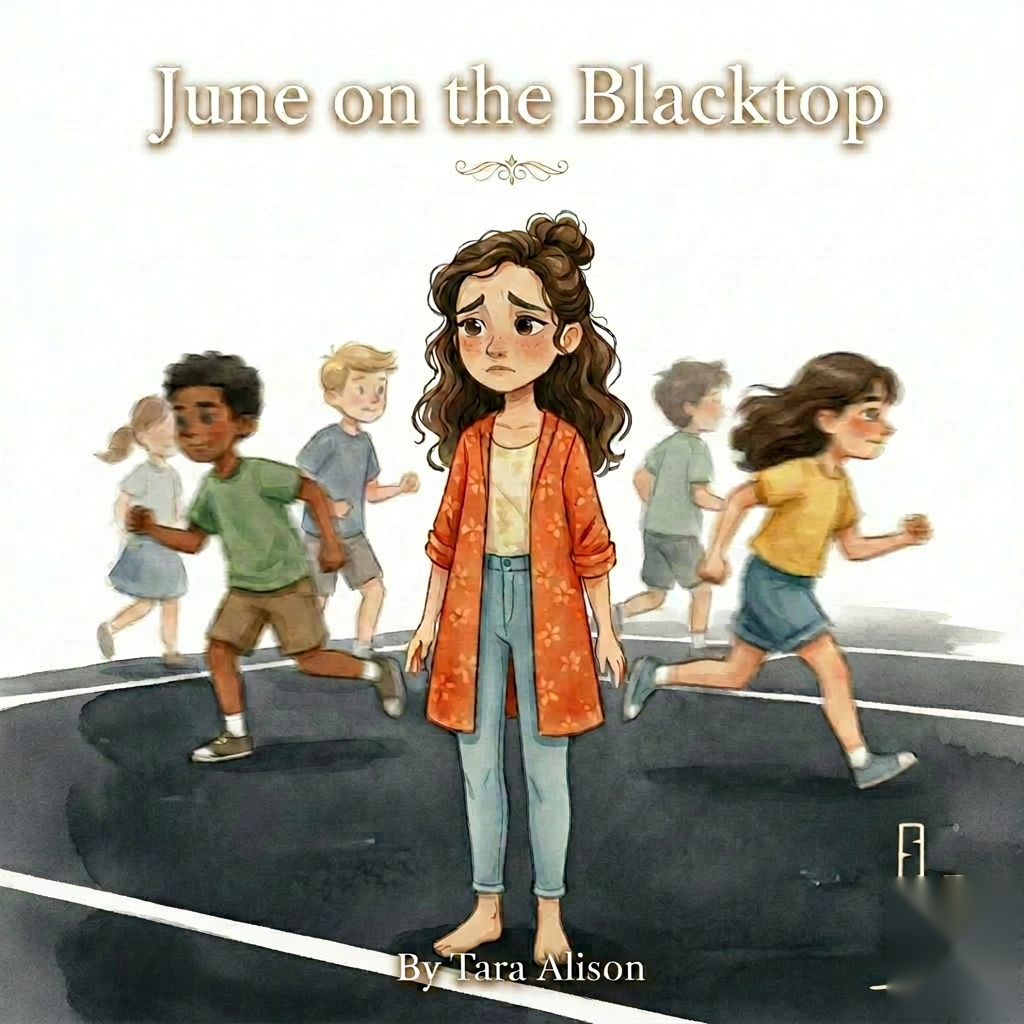
    June on the Blacktop — Deep Dive: Grief, type 1 diabetes & 'It's Not Fair'

    Episode 4 · 34 min

    June on the Blacktop — Deep Dive: Grief, type 1 diabetes & 'It's Not Fair'

    • Chronic illness
    • Body signals
    • Self-advocacy

    Parents take away —How to hold space for the grief of chronic illness without rushing your child past it — and what to say when 'it's not fair' is the truest thing in the room.

    For kids living with type 1 diabetes, a sudden low can yank them out of a game and into fruit snacks while everyone else keeps running. This episode walks through how to honor that grief and unfairness — and how the companion songs (Blacktop Day, Dropping, I Rise Again) help kids name the drop before they bounce back.

    Open episode
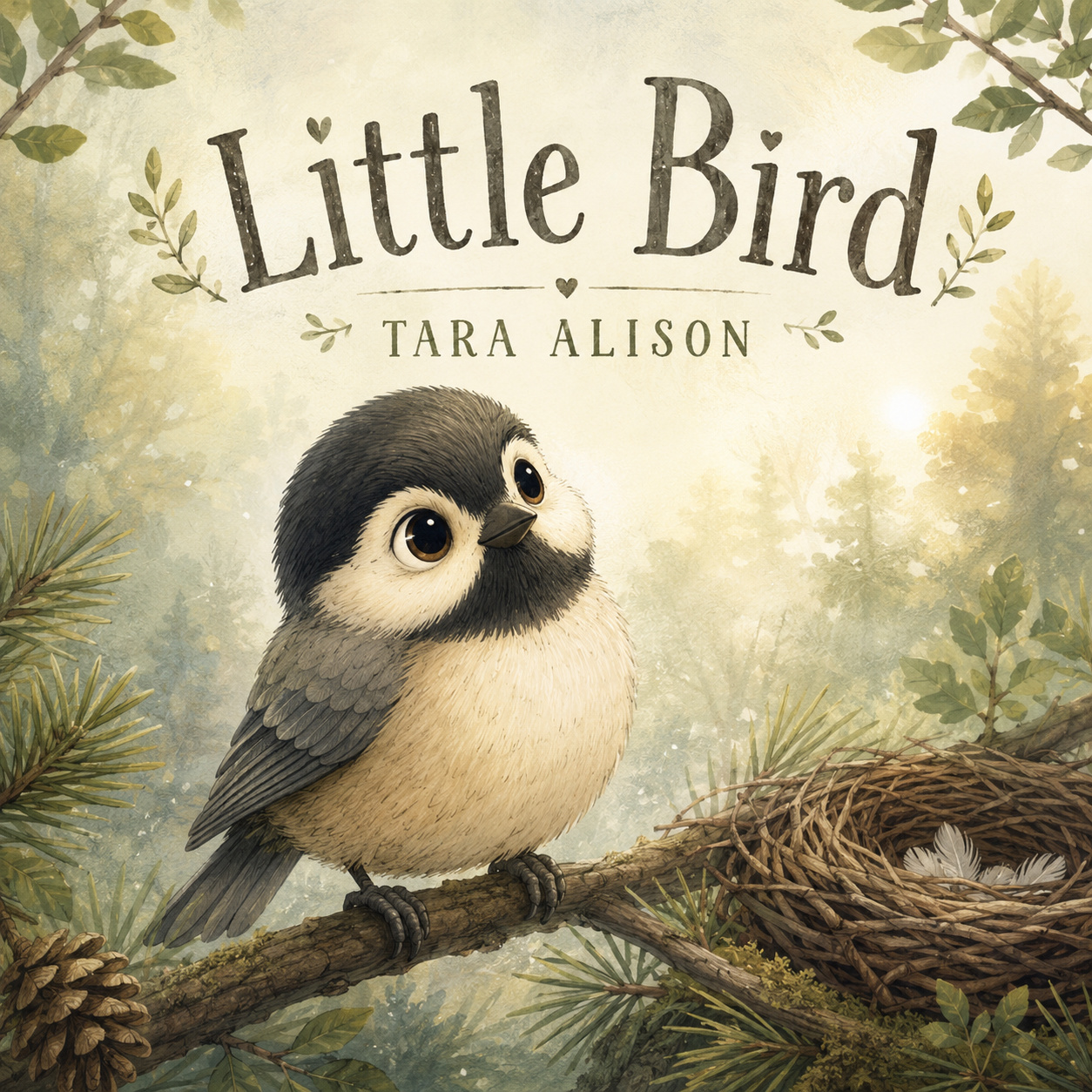
    Little Bird — Deep Dive: Why Logic Fails a Scared Child

    Episode 5 · 47 min

    Little Bird — Deep Dive: Why Logic Fails a Scared Child

    • Anxiety
    • Big feelings
    • Self-worth

    Parents take away —You can't convince a scared child out of fear — you co-regulate them through it. Your calm, predictable presence is the anchor; their courage rebuilds one small, successful step at a time.

    When a once-brave child suddenly clings, reassurance and reasoning rarely land — anxiety isn't a thinking problem. This episode bridges Little Bird's story with what we know about secure base behavior, the science of safety, and the small, repeatable practices (predictable goodbyes, hot-chocolate breaths, 5-4-3-2-1 grounding, baby-step bravery) that help a scared child's body believe what their grown-up has been telling them all along.

    Open episode
    Lyra and the Constellation That Changed — Deep Dive: The Quiet Grief of a Faded Friendship

    Episode 6 · 45 min

    Lyra and the Constellation That Changed — Deep Dive: The Quiet Grief of a Faded Friendship

    • Friendship
    • Big feelings
    • Loss & change

    Parents take away —How to sit with a child whose closest friendship has slowly faded — and help them see that their warmth was real, even when it wasn't returned.

    Some friendships don't end with a fight — they slowly fade, and a child is left holding all the questions. This episode unpacks the slow grief of a friend who drifted, why kids so often blame their own light for it, and how to help them learn that warmth given is never wasted.

    Open episode
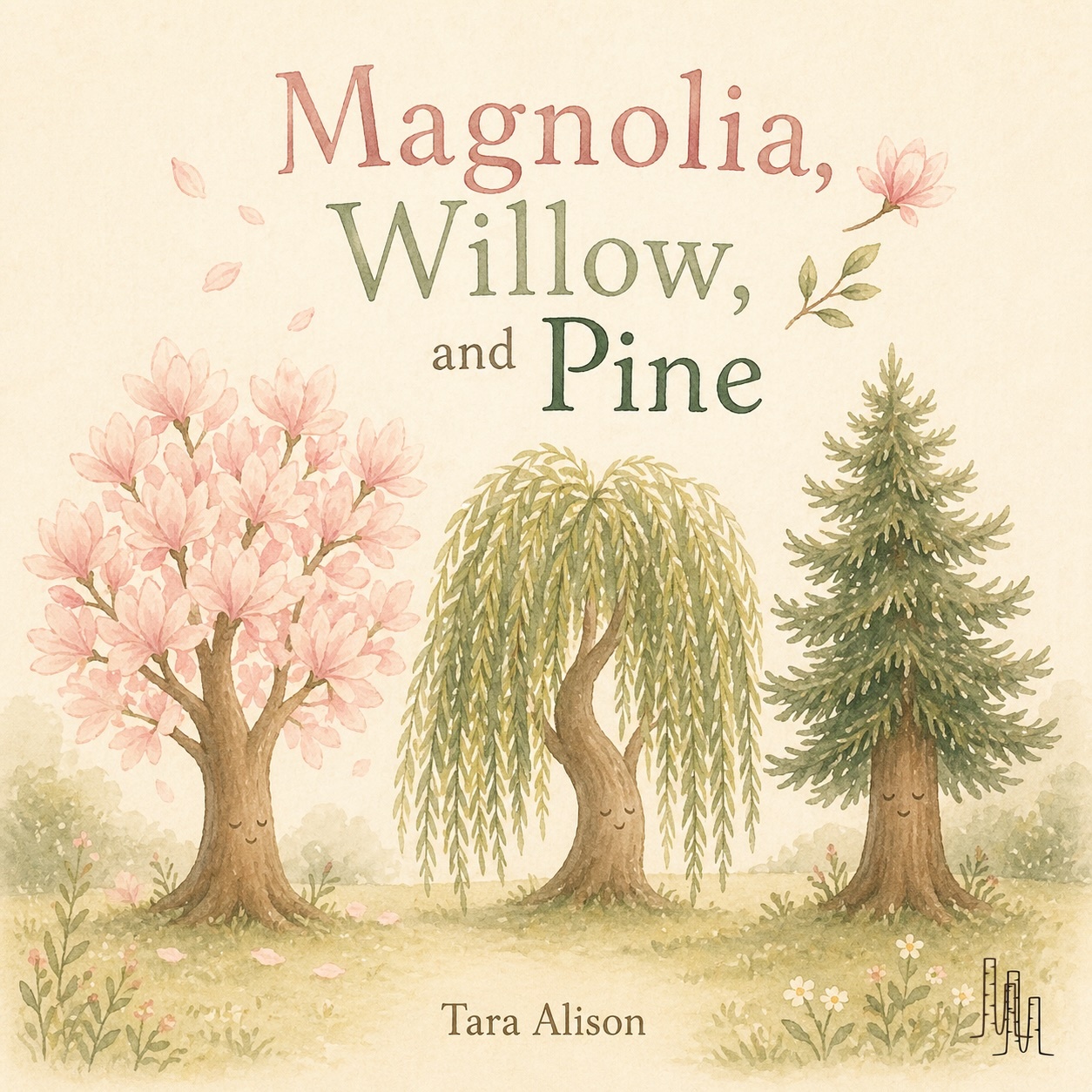
    Magnolia, Willow, and Pine — Deep Dive: The High Stakes of Childhood Friendship Triangles

    Episode 7 · 37 min

    Magnolia, Willow, and Pine — Deep Dive: The High Stakes of Childhood Friendship Triangles

    • Friendship
    • Big feelings
    • Self-worth

    Parents take away —Why a shift in your child's closest friendship can feel like the ground giving way — and how to help them stay open to connection even after their heart has been bruised.

    When a best friend drifts toward someone new, a child's whole world can tilt. This episode unpacks why friendship triangles hit so hard in childhood, what's happening inside a kid who suddenly feels on the outside of their own closest bond, and how a calm grown-up helps them learn that hurt feelings don't have to mean closing forever.

    Open episode
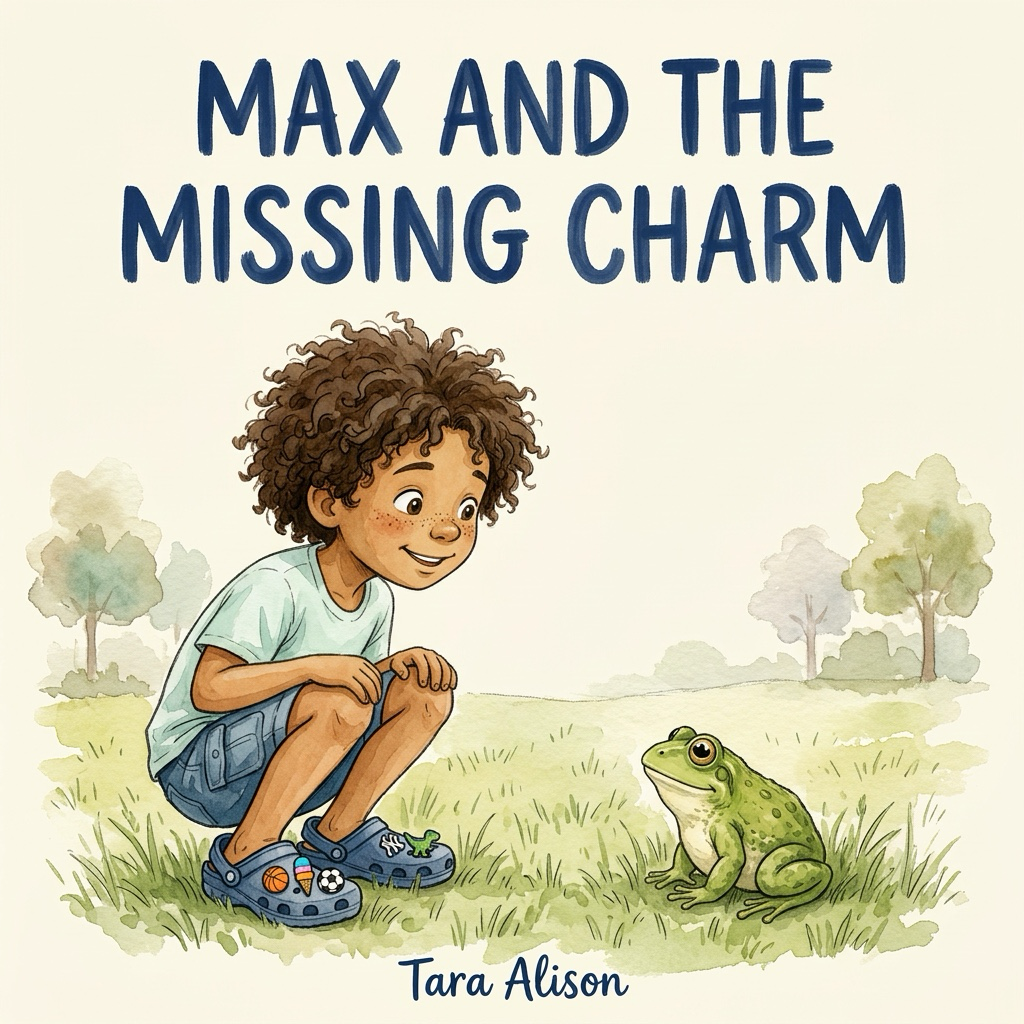
    Max and the Missing Charm — Deep Dive: Why Small Losses Shape Adult Resilience

    Episode 8 · 37 min

    Max and the Missing Charm — Deep Dive: Why Small Losses Shape Adult Resilience

    • Loss & change
    • Big feelings
    • Patience

    Parents take away —Why a “small” loss is a big emotional event for your child — and how meeting it with presence (instead of replacement or logic) is what builds the resilience they’ll need for the larger losses ahead.

    When a child loses something “small” — a charm, a sticker, a favorite rock — the grief is real even when the object isn’t valuable to anyone else. This episode unpacks the trap of “discounted grief,” why logic and replacement don’t soothe a child’s heart, and how honoring small losses is how kids learn that bigger ones, later, are survivable too.

    Open episode
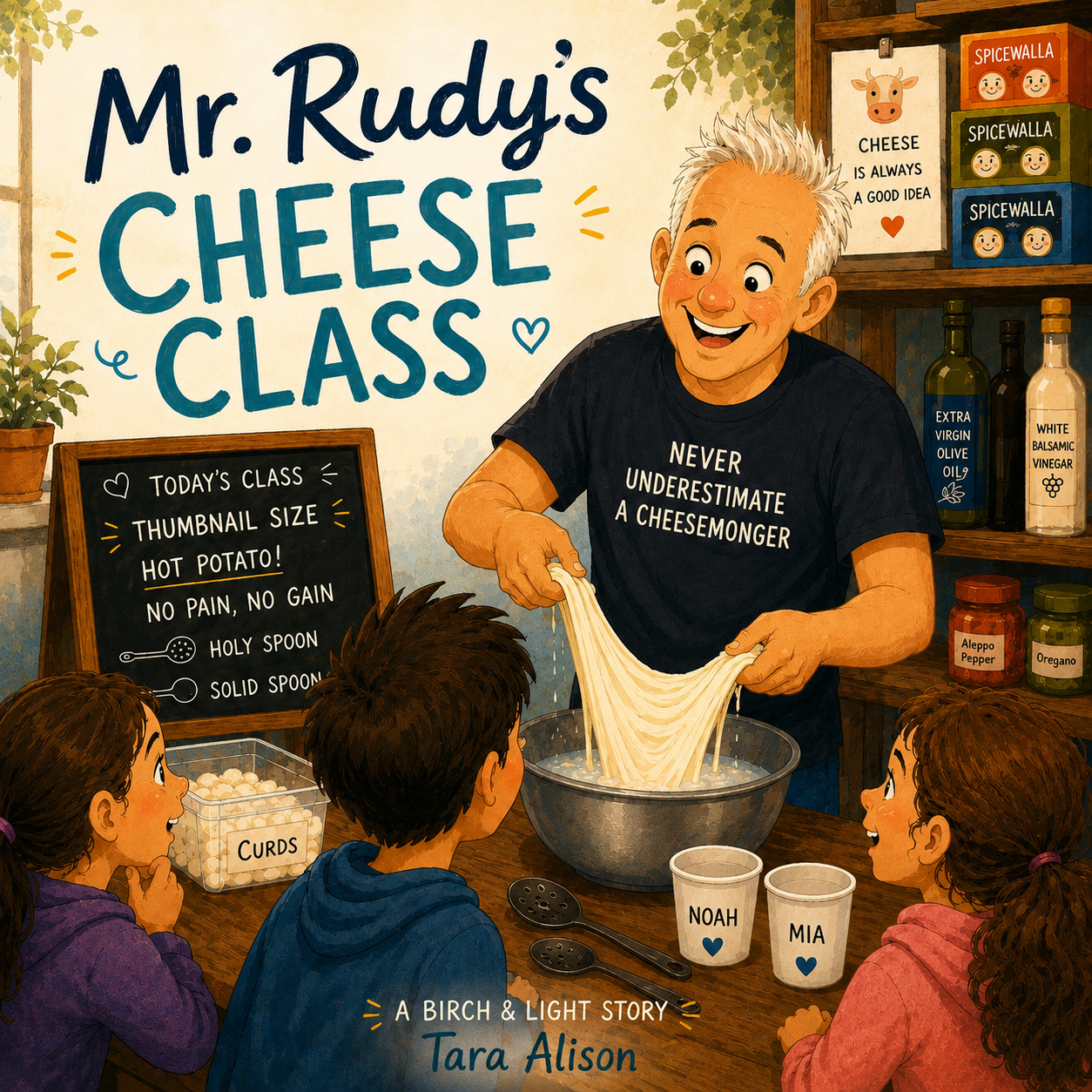
    Mr. Rudy's Cheese Class — Deep Dive: Why Busy Hands Build Deeper Connections

    Episode 9 · 21 min

    Mr. Rudy's Cheese Class — Deep Dive: Why Busy Hands Build Deeper Connections

    • Belonging
    • Patience
    • Friendship

    Parents take away —Messy hands aren't just sensory play — they're how kids (and grown-ups) build the neural pathways for self-regulation, and how families move from "doing" to truly "being" together.

    Why does the room get quiet the moment hands get busy? This episode walks through the science of "meaningful hand use" — how breaking curds and stretching cheese acts like a natural antidepressant, turns the kitchen into a laboratory for emotional regulation, and creates the kind of shoulder-to-shoulder presence families can't force any other way.

    Open episode

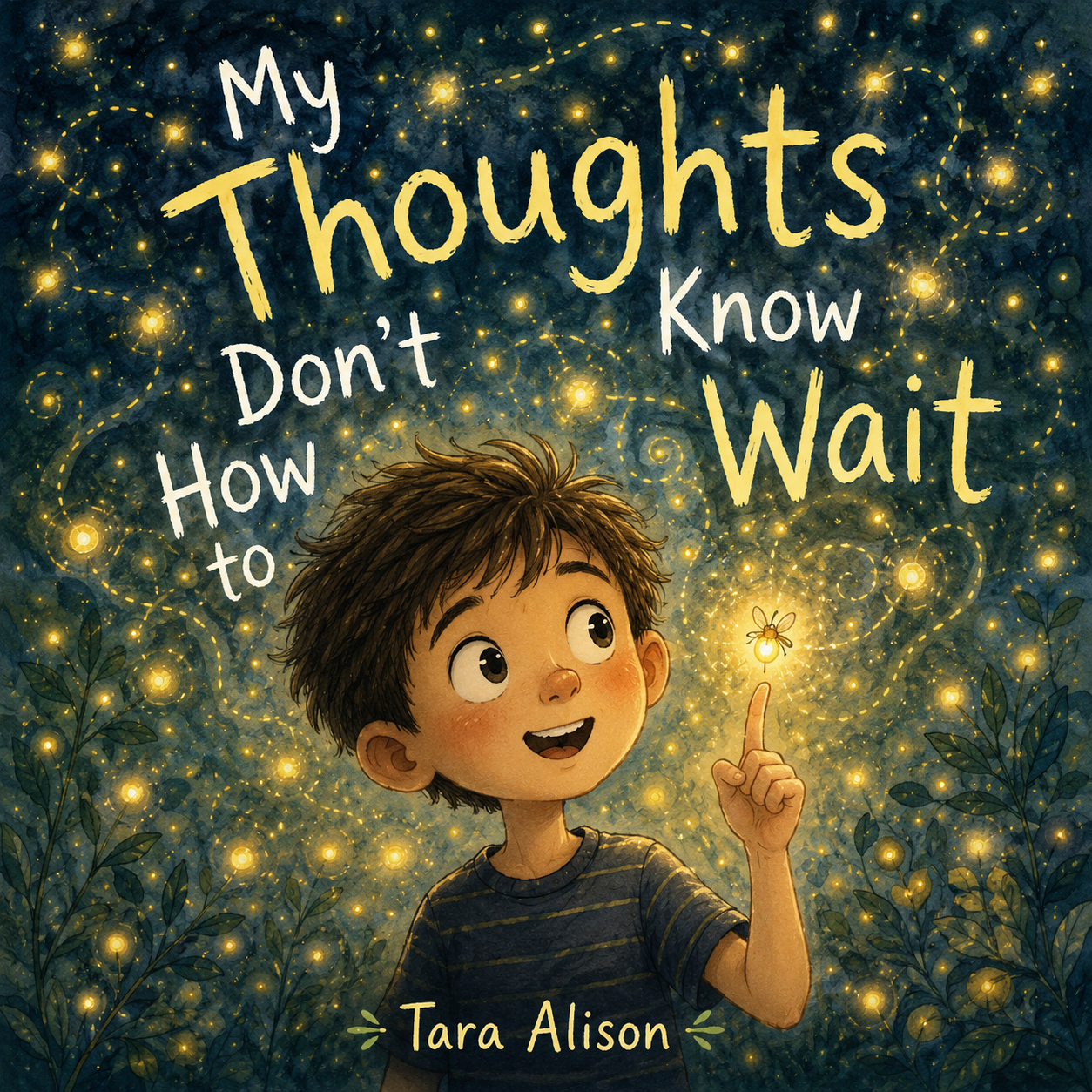
    Parents take away —Why fast-thinking kids feel like their thoughts will disappear if they don't say them right now — and how to help your child grow the tiny space between noticing a thought and chasing it, without shaming the speed.

    Some kids interrupt not because they're rude, but because their thoughts feel like fireflies that will blink out if they don't catch them right now. This episode unpacks what's actually happening inside a fast-thinking, impulsive, or ADHD-leaning child — why "wait your turn" so often misses the point — and how a calm grown-up can sit beside the speed without trying to shut it off.

    Open episode
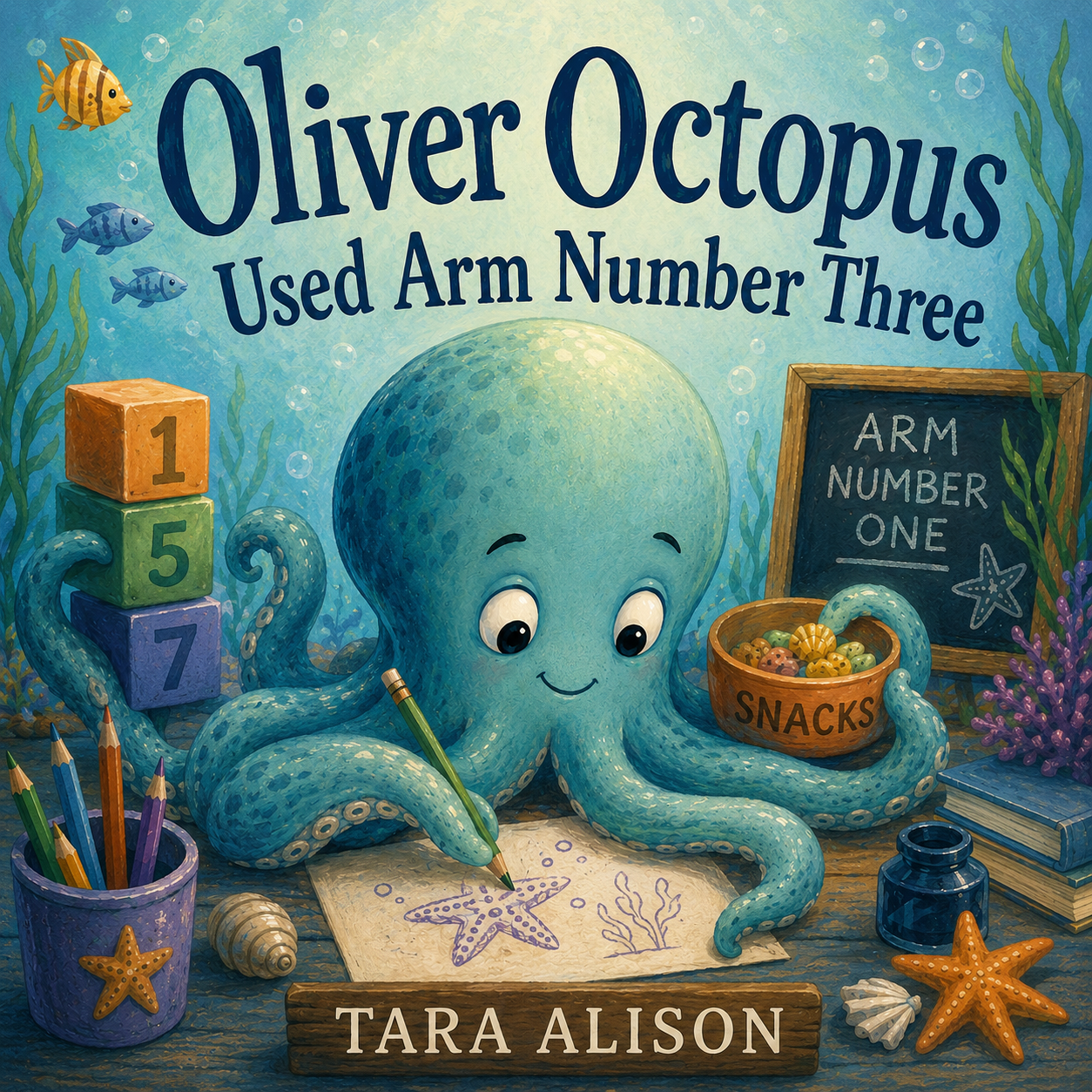
    Oliver Octopus Used Arm Number Three — Deep Dive: Difficulty Is Not Deficiency

    Episode 11 · 34 min

    Oliver Octopus Used Arm Number Three — Deep Dive: Difficulty Is Not Deficiency

    • Self-worth
    • Patience
    • Identity

    Parents take away —Difficulty is not deficiency. The hard thing your child is working on isn't a sign something's wrong — it's how their brain grows. Your job isn't to remove the challenge; it's to stand beside the building.

    Oliver always drew with Arm Number Three. When his teacher asks him to use Arm Number One instead, what looks like struggle is actually his brain quietly rewiring itself. This episode connects the principles of resilience, self-compassion, and the growth mindset directly to Oliver's story — and shifts the parenting question from "How do I make this easier?" to "What is my child actually building right now?"

    Open episode
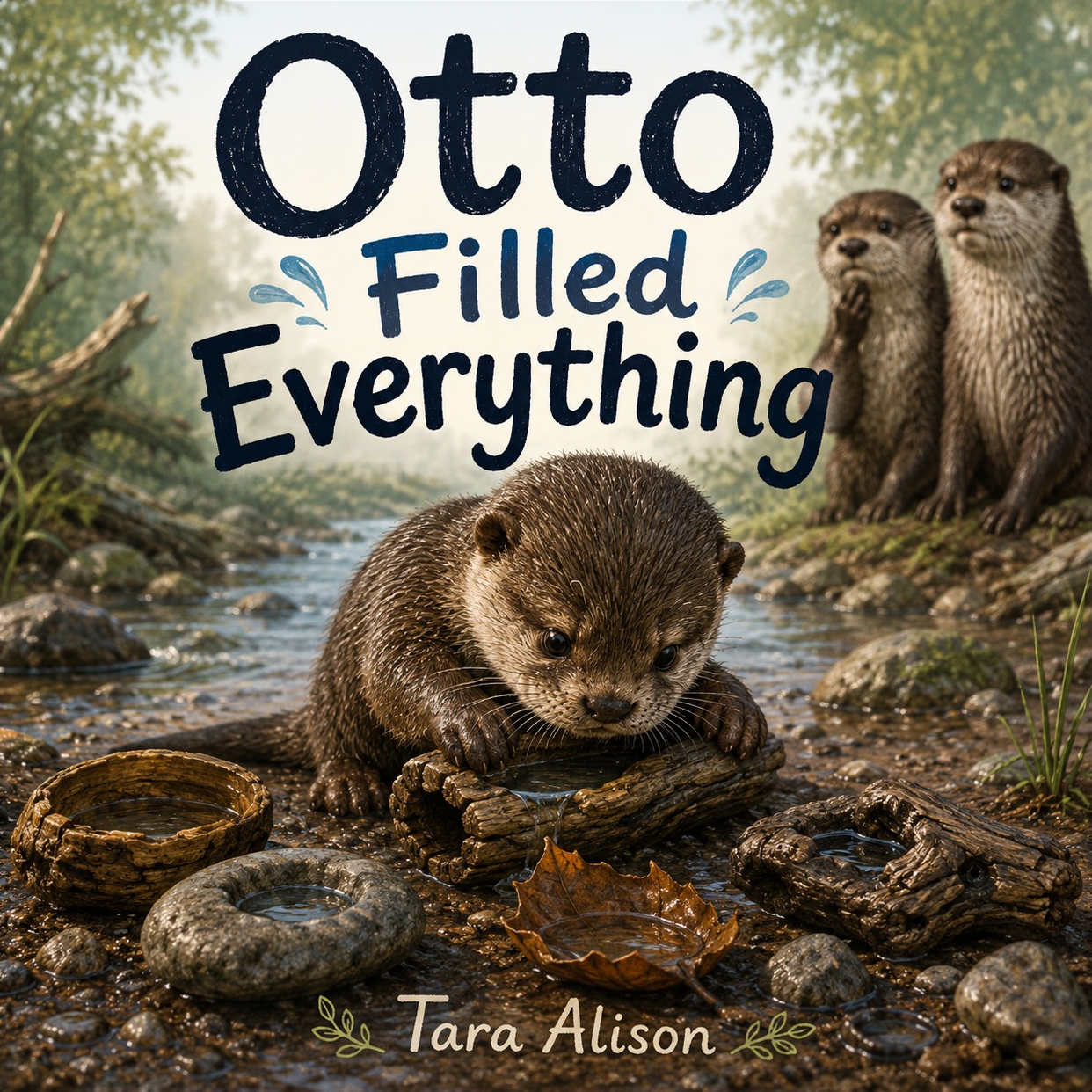
    Otto Filled Everything — Deep Dive: Why Repetitive Behaviors Calm the Brain Stem

    Episode 12 · 29 min

    Otto Filled Everything — Deep Dive: Why Repetitive Behaviors Calm the Brain Stem

    • Sensory
    • Body signals
    • Big feelings

    Parents take away —Why repetitive behaviors aren't something to stop — they're the brain stem asking for rhythm and regulation. How to listen for what your child's body is actually requesting before you try to redirect it.

    Otto can't stop filling things with water — and to his family it looks like mischief. This episode unpacks why repetitive, rhythmic behaviors aren't defiance or a phase to break, but the nervous system's way of self-regulating from the brain stem up. A clear look at what 'stimming,' soothing rituals, and sensory loops are actually doing inside a child's body — and why Grandma Willow's listening, not correcting, is what helps Otto feel met.

    Open episode
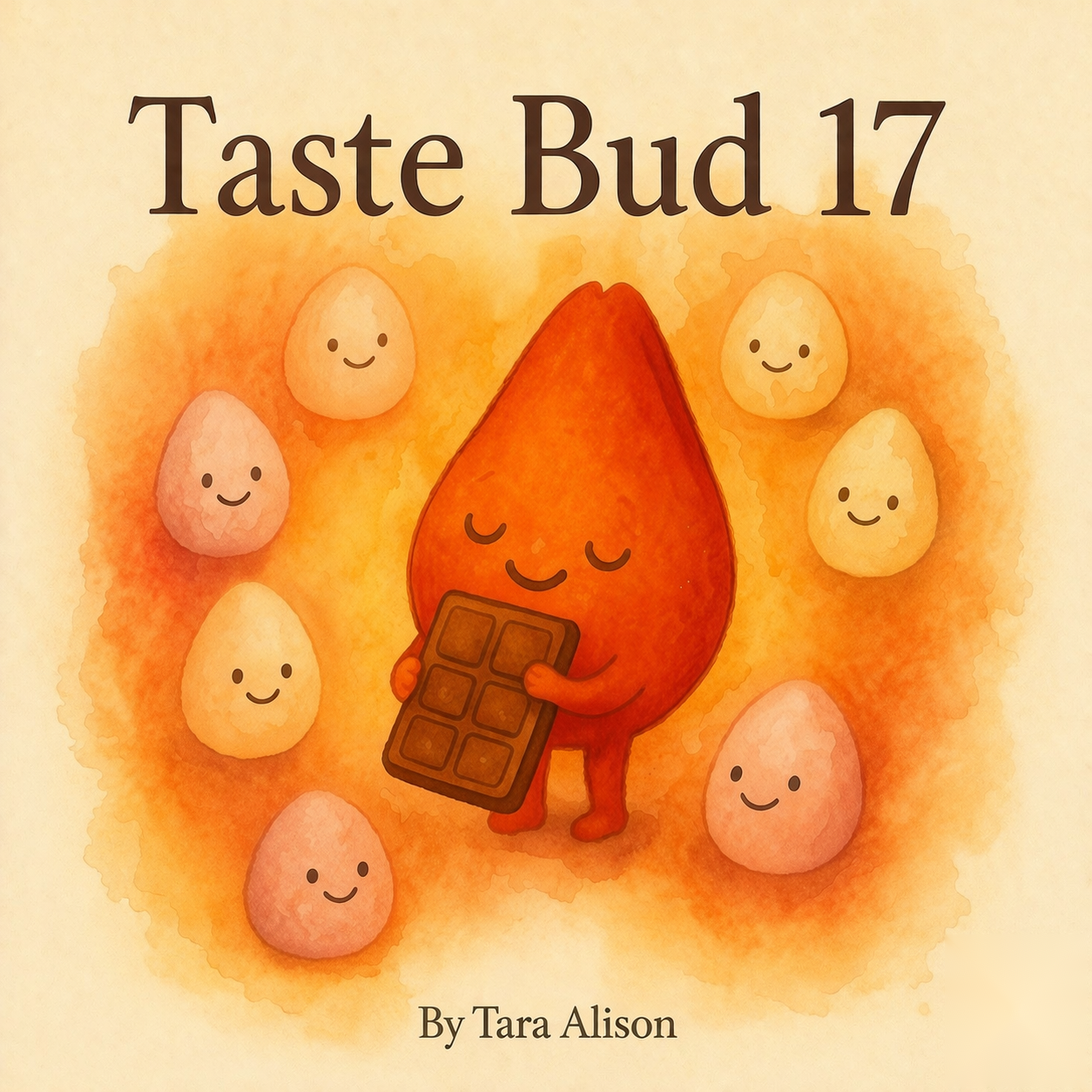
    Taste Bud 17 — Deep Dive: Sensory Sensitivity vs. Picky Eating

    Episode 13 · 11 min

    Taste Bud 17 — Deep Dive: Sensory Sensitivity vs. Picky Eating

    • Sensory
    • Big feelings
    • Neurodivergent

    Parents take away —Sensory sensitivity isn't pickiness, drama, or defiance — it's a real internal experience. Your job isn't to cure it; it's to make room for it, pay closer attention, and let your child feel less alone in how their body meets the world.

    Taste Bud 17 looks like a story about a picky eater, but it's really about sensory sensitivity — what it feels like when one part of a child experiences the world as 'too much' while everyone else seems fine. We unpack how the metaphor of a single overworked taste bud protects the child's dignity, why being briefly understood matters more than being fixed, and what shifts at home when grown-ups stop trying to talk a sensitive kid out of what they feel.

    Open episode
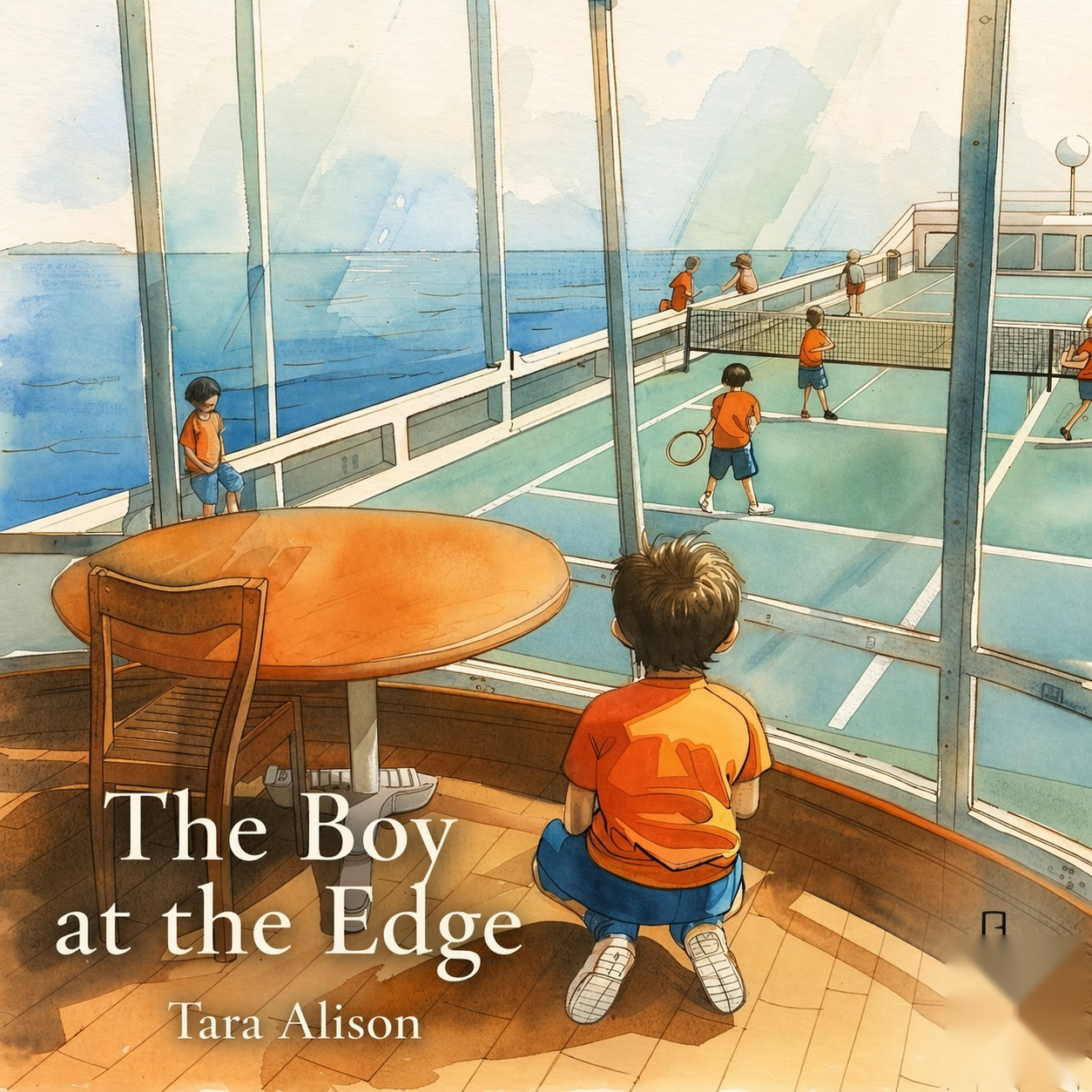
    The Boy at the Edge — Deep Dive: Self-Soothing vs. Limit-Testing

    Episode 14 · 33 min

    The Boy at the Edge — Deep Dive: Self-Soothing vs. Limit-Testing

    • Sensory
    • Body signals
    • Big feelings

    Parents take away —How to tell self-soothing apart from limit-testing — and why your own nervous system, not your child's, is usually the first thing that needs tending.

    Stillness is not defiance. Curiosity is not refusal. This deep dive unpacks why a child drifting toward a window mid-breakfast is moving toward regulation, not away from your authority — and how mistaking self-soothing for limit-testing pulls the parent (not the child) into the red zone. A clear, compassionate framework for the everyday 'paper cuts' of parenting, with de-escalation moves that hold the boundary without breaking the connection.

    Open episode
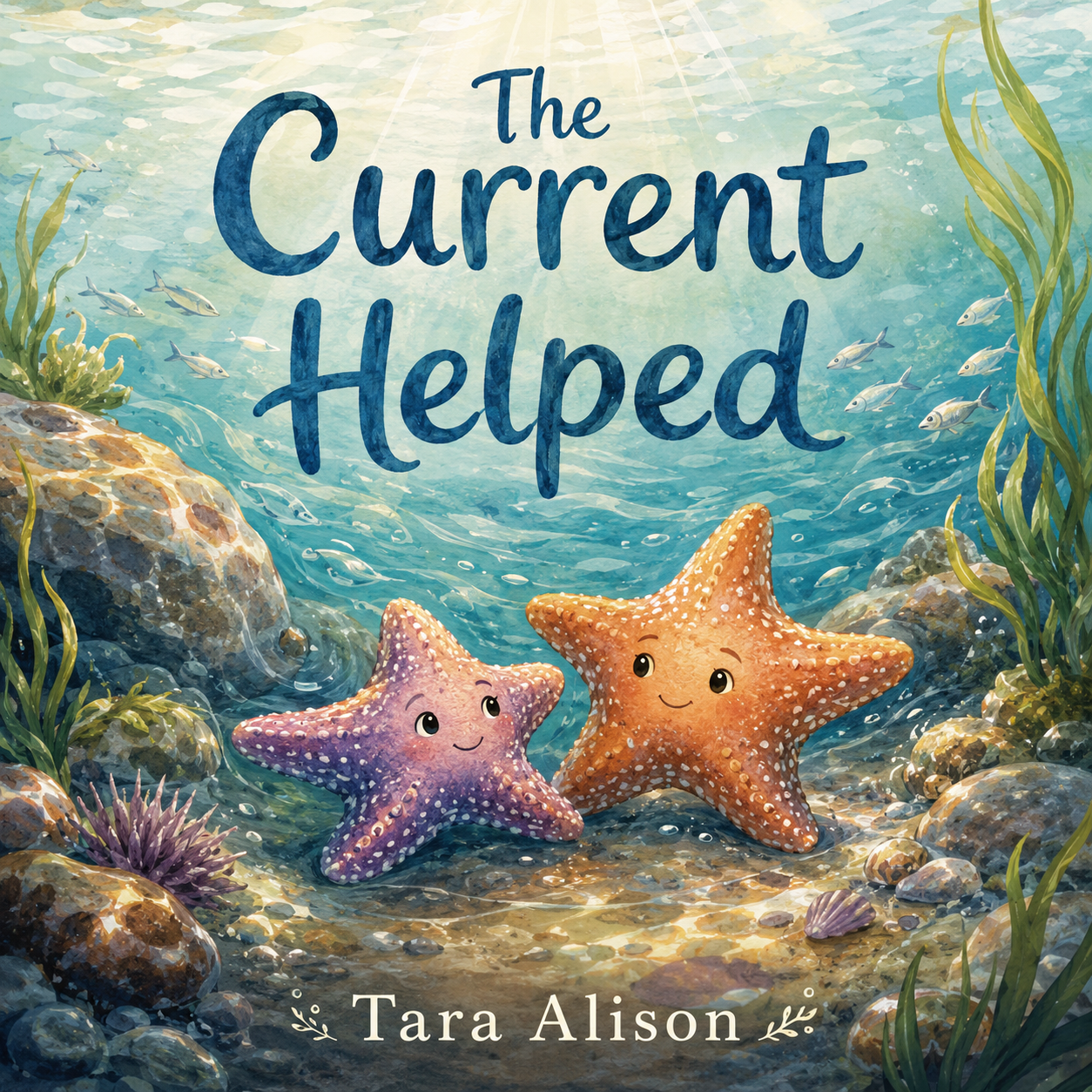
    The Current Helped — Deep Dive: Why Kids Need a Drive to Nowhere

    Episode 15 · 20 min

    The Current Helped — Deep Dive: Why Kids Need a Drive to Nowhere

    • Sensory
    • Big feelings
    • Body signals

    Parents take away —Why your child's request to 'just drive' or move is often a nervous system asking for regulation — and how your calm presence beside the motion is the part that actually helps.

    Some kids ask to drive, swing, pace, or 'just go' — not to escape, but because their nervous system is searching for rhythm. This episode unpacks why movement-seeking isn't avoidance or entertainment, and how a steady grown-up beside the motion helps a child settle back into feeling like themselves.

    Open episode

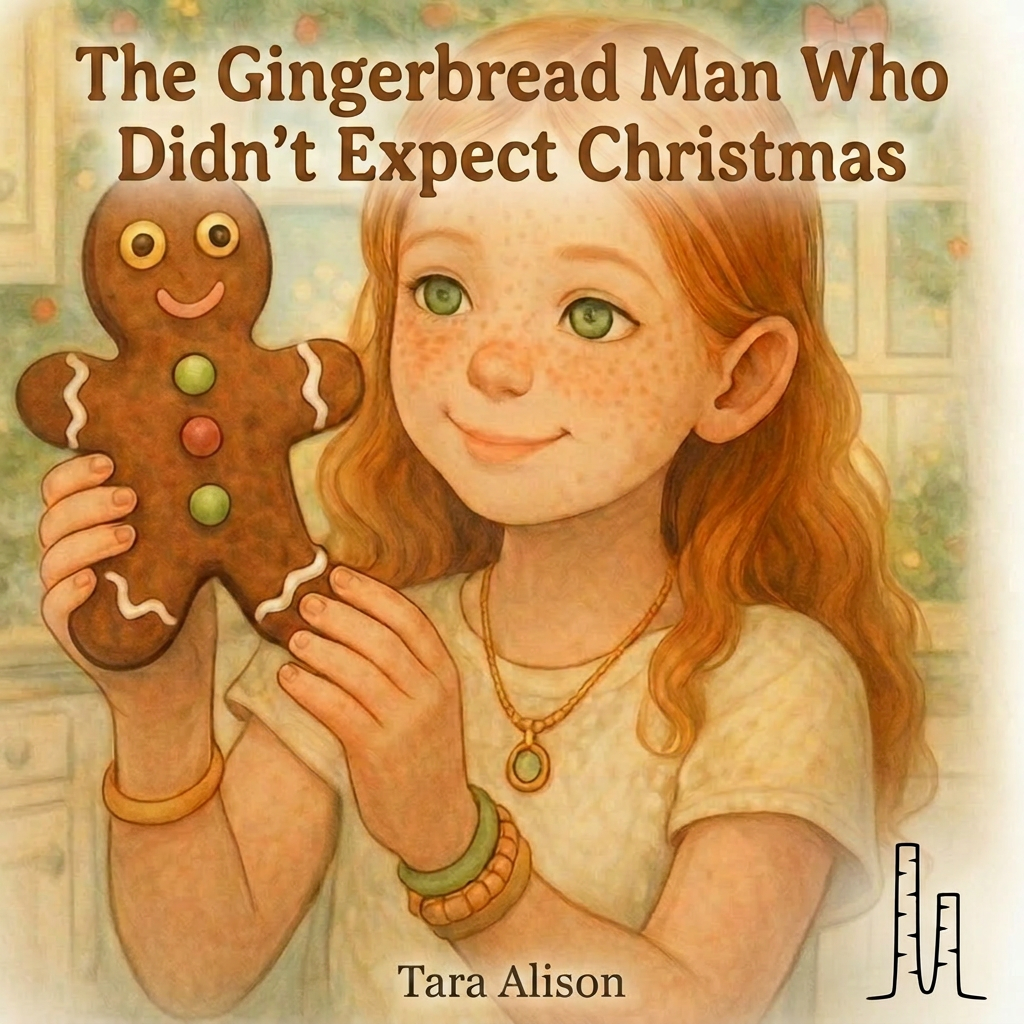
    Parents take away —How to name the gap between the day you imagined and the day that actually arrived — and help your family find belonging inside the version you've got.

    When the perfect holiday plan shatters, what's left? This episode follows a varnished gingerbread man through the quiet grief of a day that didn't arrive the way he imagined — and how naming the gap, holding the boundary, and making room for new traditions helps families find belonging in the version that did.

    Open episode

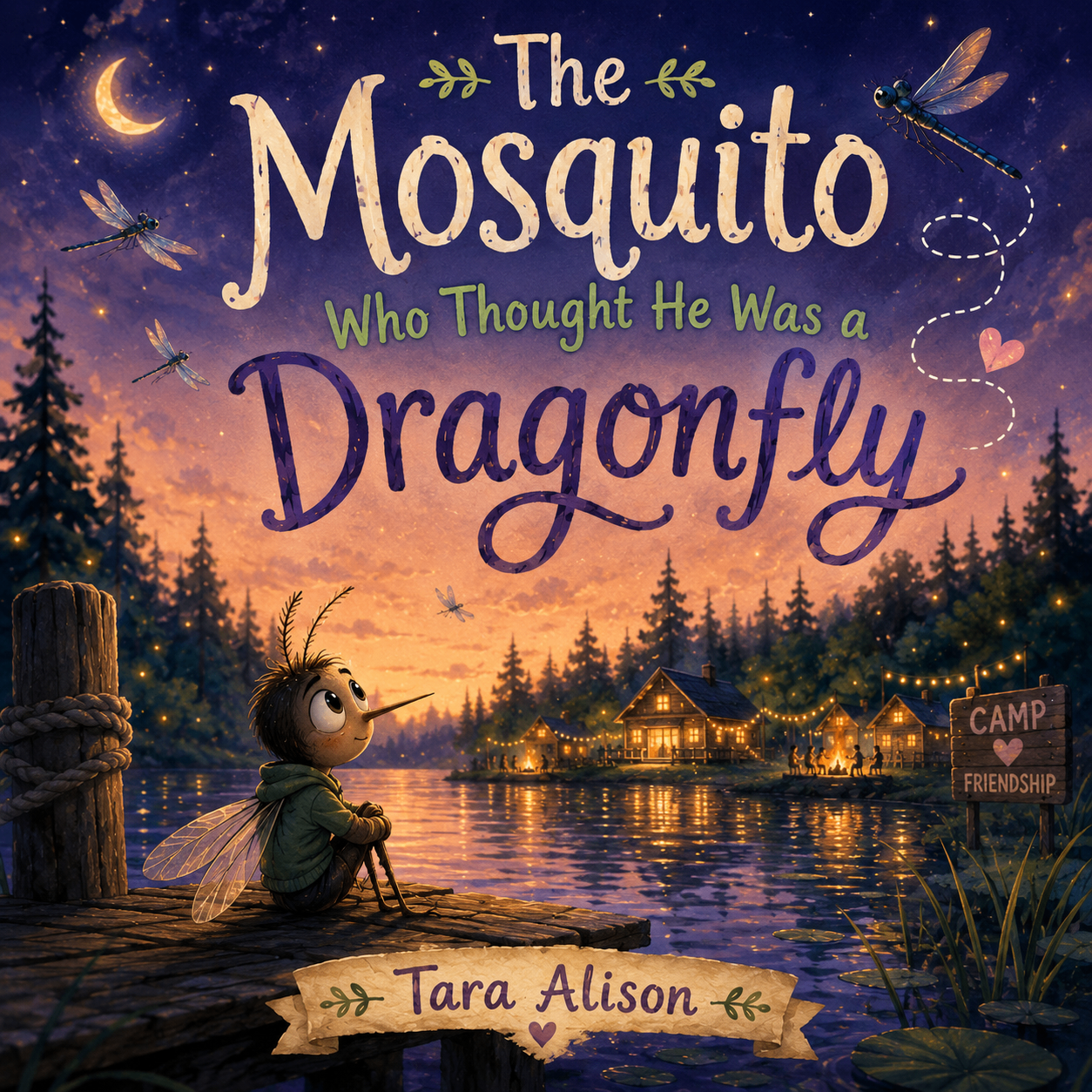
    Parents take away —How to help your child hold onto who they are when the world hands them a label that doesn't fit — and why the belonging they feel at home is the truest mirror they have.

    When the world labels your child — 'difficult,' 'too much,' 'the bad one' — those words can start to feel like the truth. This episode unpacks how Miro the mosquito, raised by dragonflies, learns that being misunderstood by strangers doesn't change who he is at home. A clear-eyed look at how to help a child separate other people's fear or judgment from their own sense of self.

    Open episode
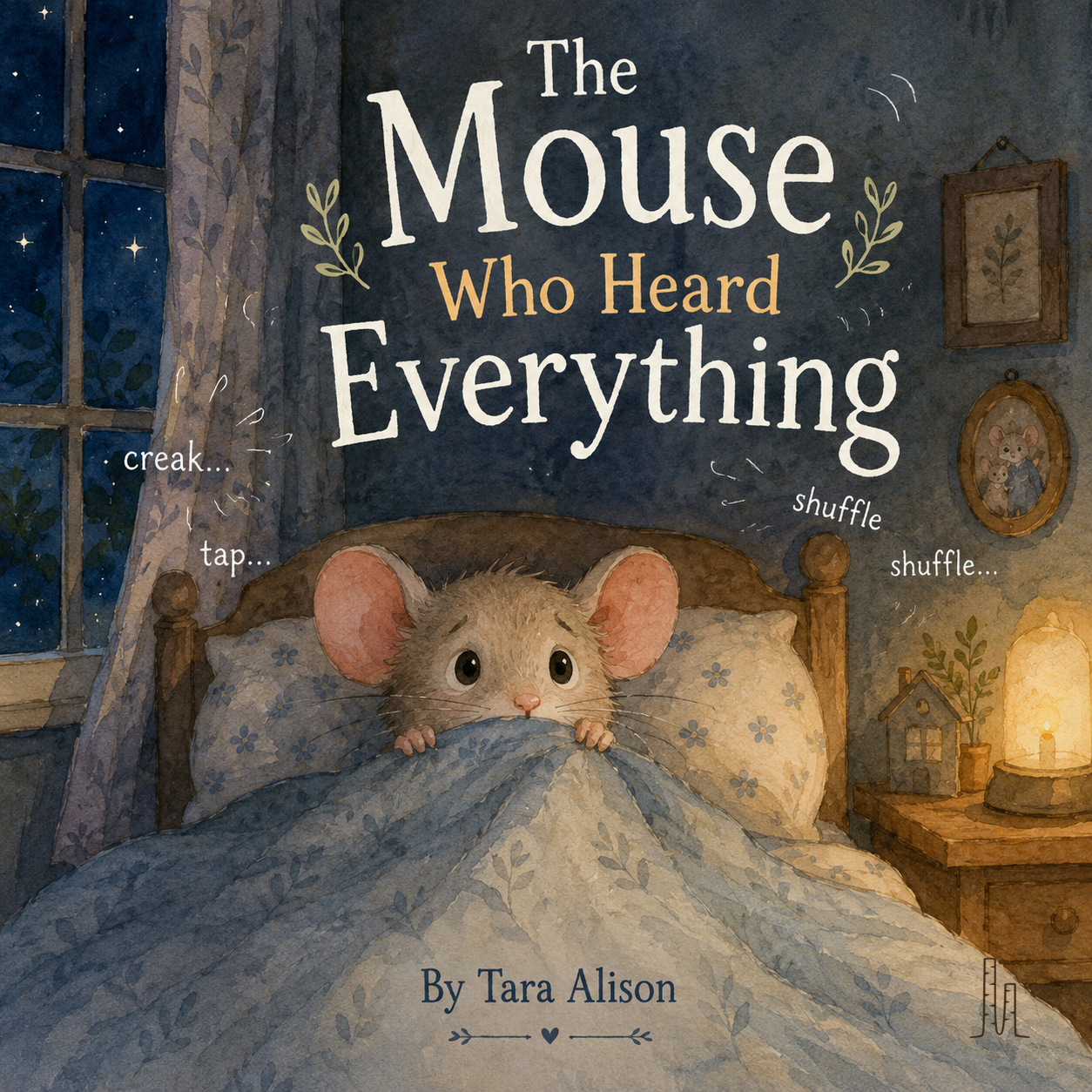
    The Mouse Who Heard Everything — Deep Dive: Bedtime Fears & the Hyper-Vigilant Child

    Episode 18 · 28 min

    The Mouse Who Heard Everything — Deep Dive: Bedtime Fears & the Hyper-Vigilant Child

    • Sensory
    • Anxiety
    • Body signals

    Parents take away —Why bedtime fears don't respond to 'there's nothing there' — and how to help a hyper-vigilant child's body learn that the dark is safe.

    When your child calls out 'there's a noise,' reassurance rarely lands — their listening is stuck on high. This episode unpacks why little ears stay switched on at night, and how shifting from alarm to curiosity (with a brave companion at their side) helps the body settle into sleep.

    Open episode
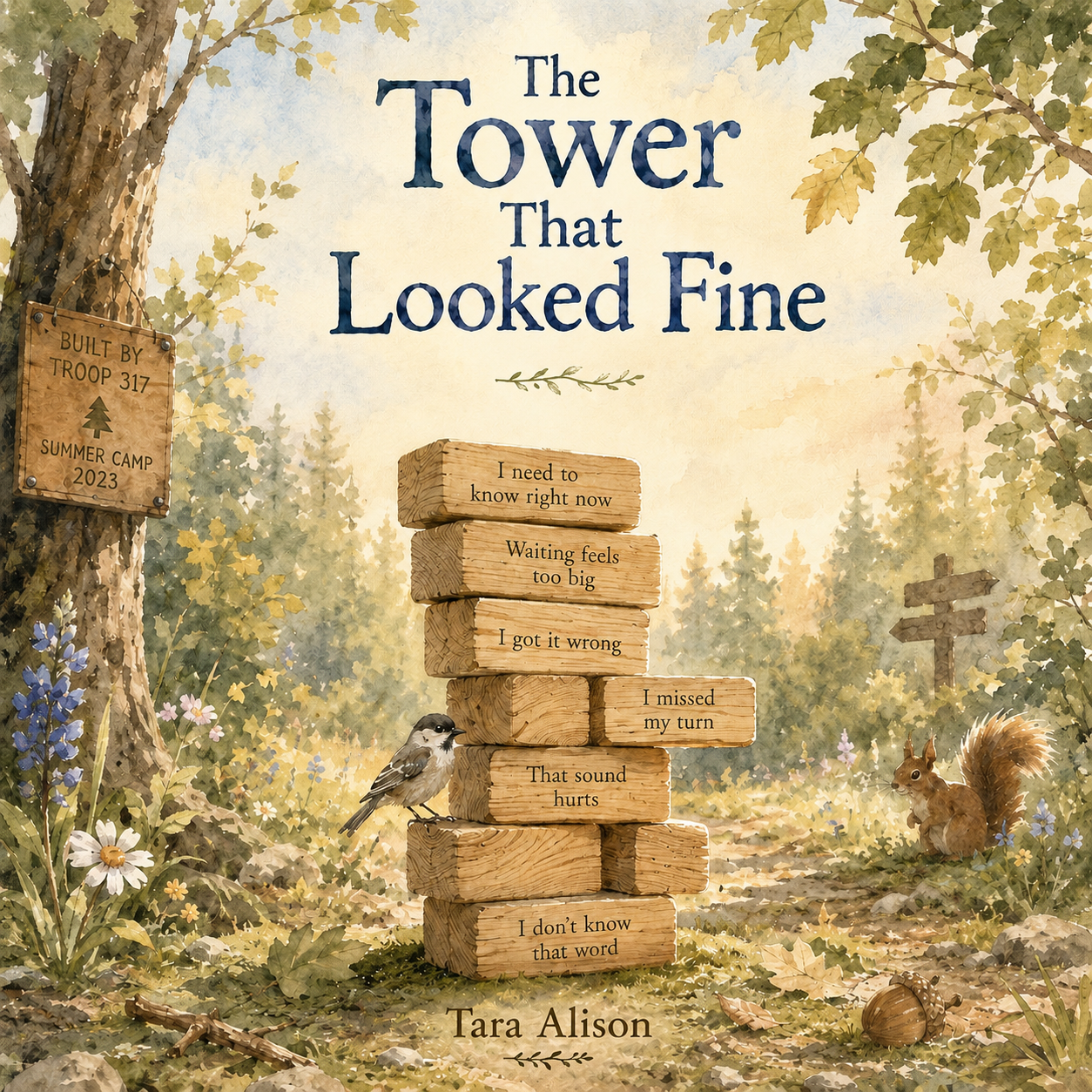
    The Tower That Looked Fine — Deep Dive: Reading the Wobble Before the Meltdown

    Episode 19 · 43 min

    The Tower That Looked Fine — Deep Dive: Reading the Wobble Before the Meltdown

    • Big feelings
    • Body signals
    • Anxiety

    Parents take away —How to read the small wobbles that come before a meltdown — and intervene with noticing, not stricter rules, before the tower falls.

    Why meltdowns are nervous-system overload. This episode walks through the small, invisible weights kids carry all day — the wobble before the crash — and how gentle noticing (not stricter rules) helps a child stay standing.

    Open episode
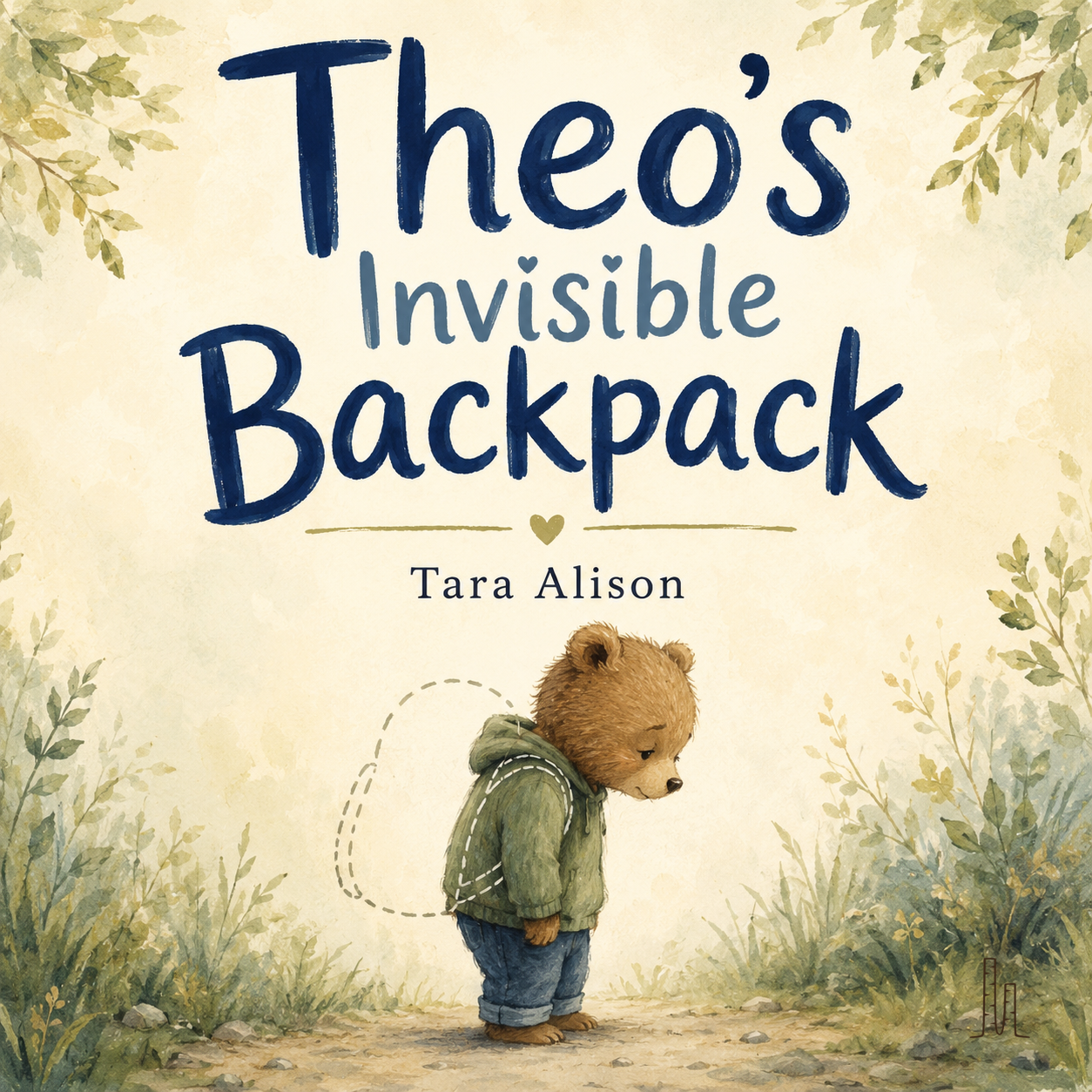
    Theo's Invisible Backpack — Deep Dive: The Invisible Weight of Other People's Words

    Episode 20 · 30 min

    Theo's Invisible Backpack — Deep Dive: The Invisible Weight of Other People's Words

    • Self-worth
    • Big feelings
    • Belonging

    Parents take away —How to recognize the invisible weight your child is carrying from other people's words — and sit beside them as they decide which stones to keep and which to set down.

    Kids don't drop hurtful words at the door — they carry them, stone by stone, in a backpack no one else can see. This episode unpacks how teasing and offhand comments accumulate, why children so often start to believe the worst of what they hear, and how a parent's quiet noticing helps them sort what's truly theirs to carry.

    Open episode
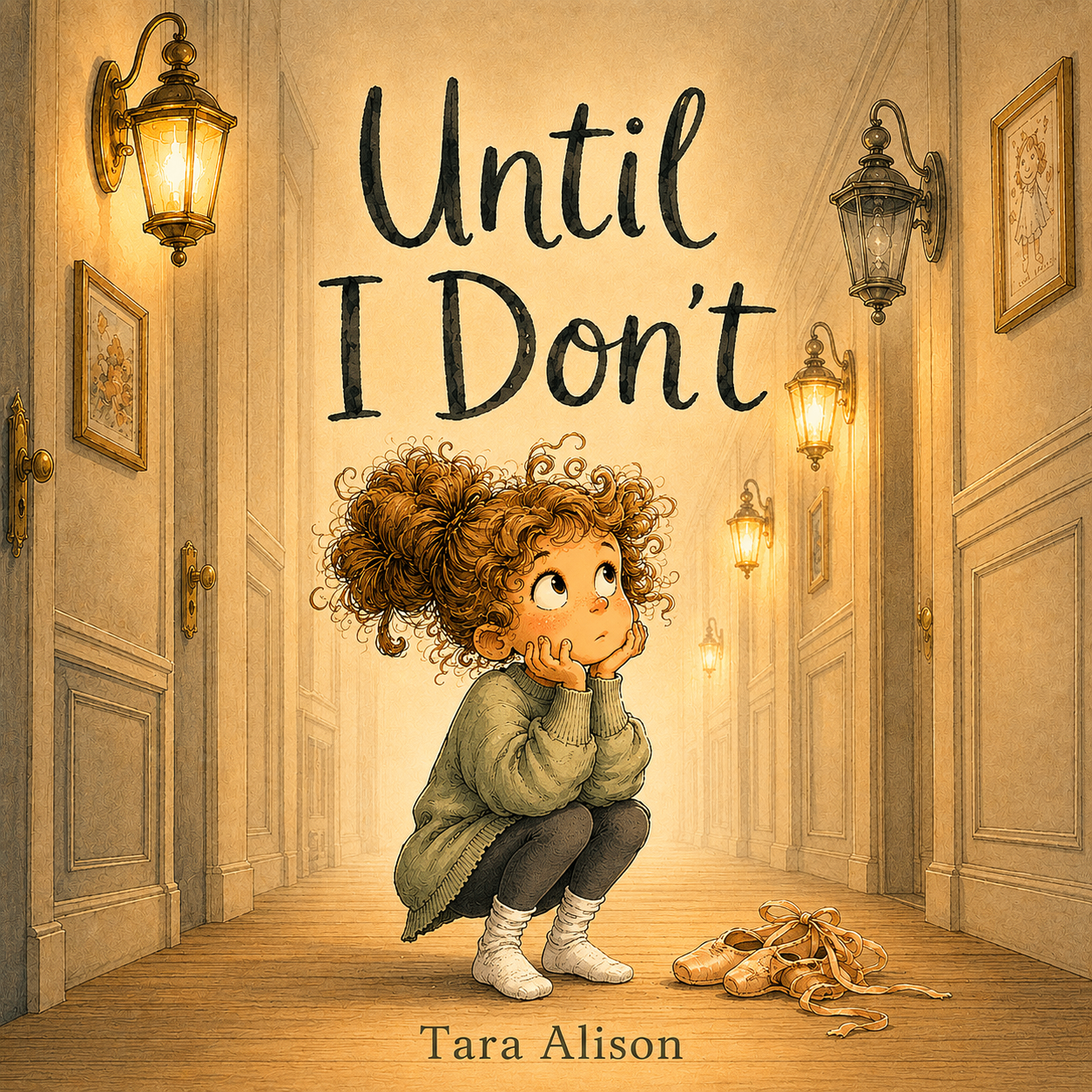
    Until I Don't — Deep Dive: Why Your Child Melts Down After School

    Episode 21 · 25 min

    Until I Don't — Deep Dive: Why Your Child Melts Down After School

    • Big feelings
    • Sensory
    • Self-worth

    Parents take away —Why the after-school meltdown isn't bad behavior — it's the exhale from a day of invisible effort. How to read 'home is where I unravel' as trust, not defiance, and respond with softness instead of consequences.

    Many kids hold it together everywhere else — at school, at dance, with neighbors — and then come home and fall apart. This episode unpacks the invisible effort behind that pattern, why home is so often where the holding finally lets go, and what it means when a child can only be unraveled in the place they feel safest.

    Open episode
    When Axel's Engine Stayed On — Deep Dive: Why Overtired Kids Get So Hyper

    Episode 22 · 19 min

    When Axel's Engine Stayed On — Deep Dive: Why Overtired Kids Get So Hyper

    • Sensory
    • Big feelings
    • Body signals

    Parents take away —Why overtired kids get more wired, not sleepier — and how to help a body that's still running long after the day is done.

    After a big, exciting day, some kids don't wind down — they wind up. This episode unpacks why an overtired nervous system revs louder instead of softer, what 'second wind' really is, and how a calm grown-up helps an engine that won't quiet down find slow again.

    Open episode
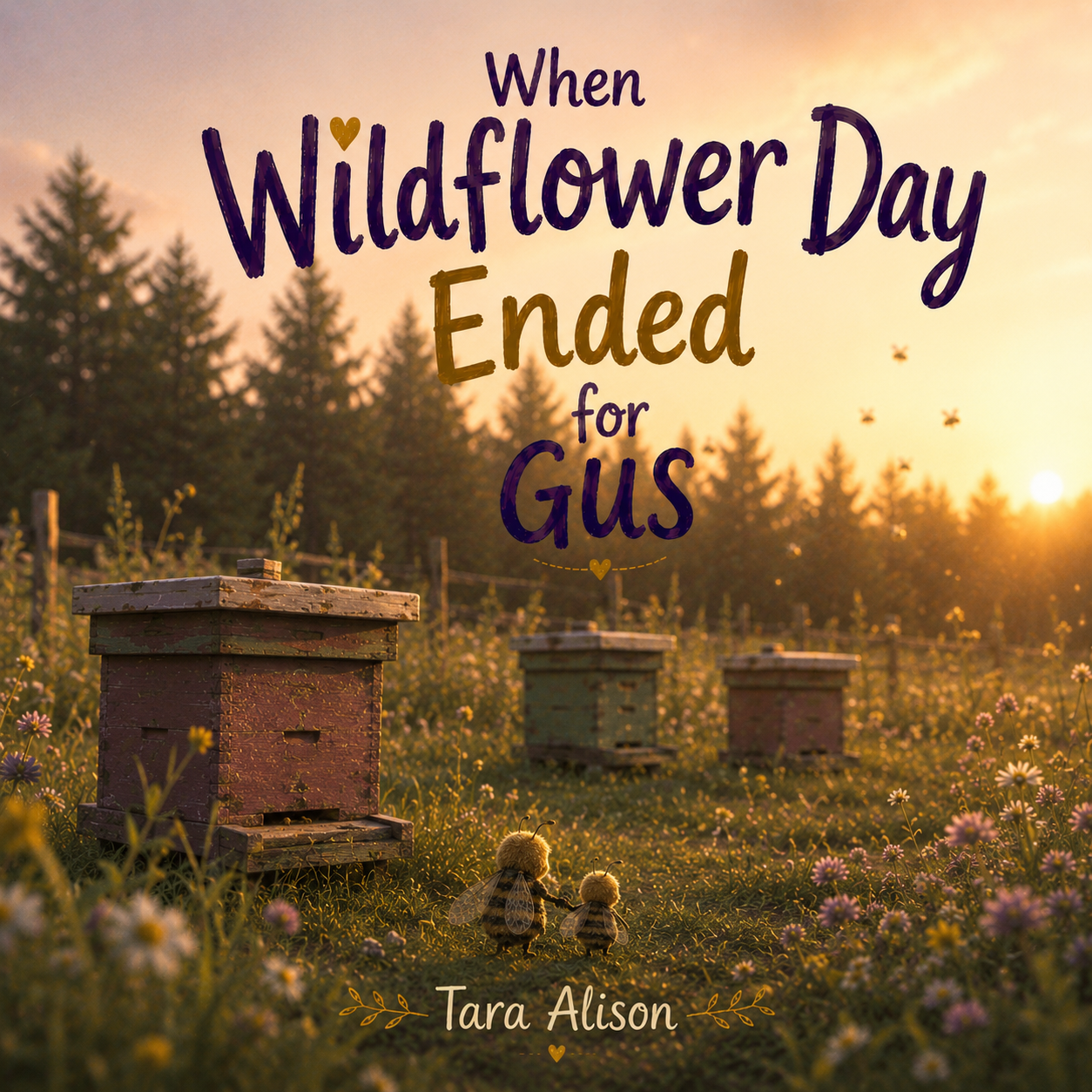
    When Wildflower Day Ended for Gus — Deep Dive: Why Your Child's Meltdown Is Actually Grief

    Episode 23 · 19 min

    When Wildflower Day Ended for Gus — Deep Dive: Why Your Child's Meltdown Is Actually Grief

    • Big feelings
    • Patience
    • Body signals

    Parents take away —Why the meltdown at the end of a beautiful day isn't defiance — it's grief — and how to help your child learn that endings aren't the same as losing.

    When a beautiful day ends, some kids fall apart — not because they're being dramatic, but because their bodies are grieving. This episode follows Gus, a young bee who can't bear for Wildflower Day to be over, and unpacks why transitions out of joy hit so hard, and how a calm grown-up helps a child carry the feeling home.

    Open episode
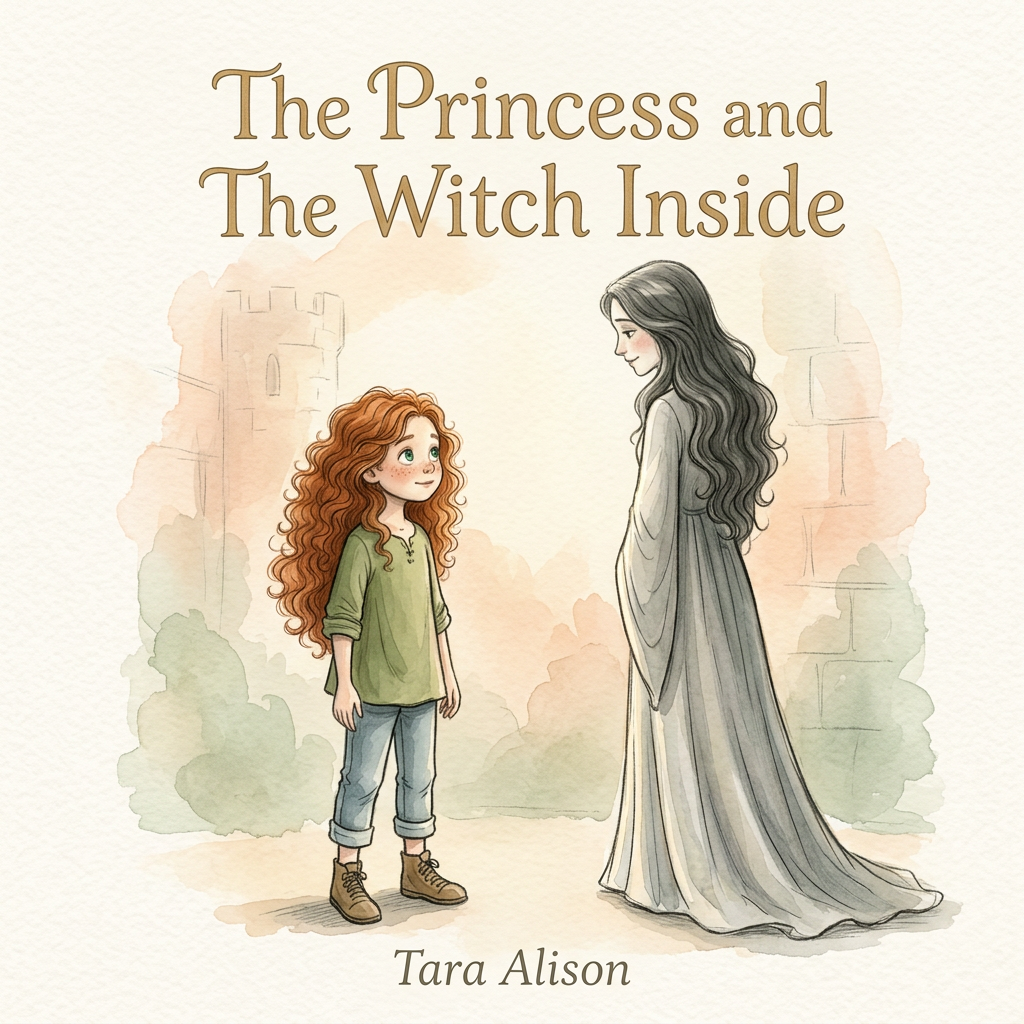
    The Princess and the Witch Inside — Deep Dive: Meeting Your Child's Protective Parts

    Episode 24 · 20 min

    The Princess and the Witch Inside — Deep Dive: Meeting Your Child's Protective Parts

    • Big feelings
    • Self-worth
    • Belonging

    Parents take away —How to recognize the protective 'parts' inside your child's biggest behaviors — and respond to the part underneath instead of the volume on top.

    Many children have protective reactions that get loud before they get understood — the 'witch' that shows up when big feelings spill over. This episode explores what those reactions may be trying to protect, and how meeting them with curiosity instead of correction can help a child feel safer, steadier, and more like themselves again.

    Open episode

    Stories help kids feel less alone. These episodes do the same for grown‑ups.

    Pair an episode with its story for the full picture — or go deeper with the Story Experience for reflection tools, parent guides, and the original songs built around each book.