Stories, tools, and emotional support designed to help kids feel seen, supported, and understood.
The Boy at the Edge
Helpful forSelf-regulation • Being misread • Neurodivergent
The Boy at the Edge
Helpful forSelf-regulation • Being misread • Neurodivergent
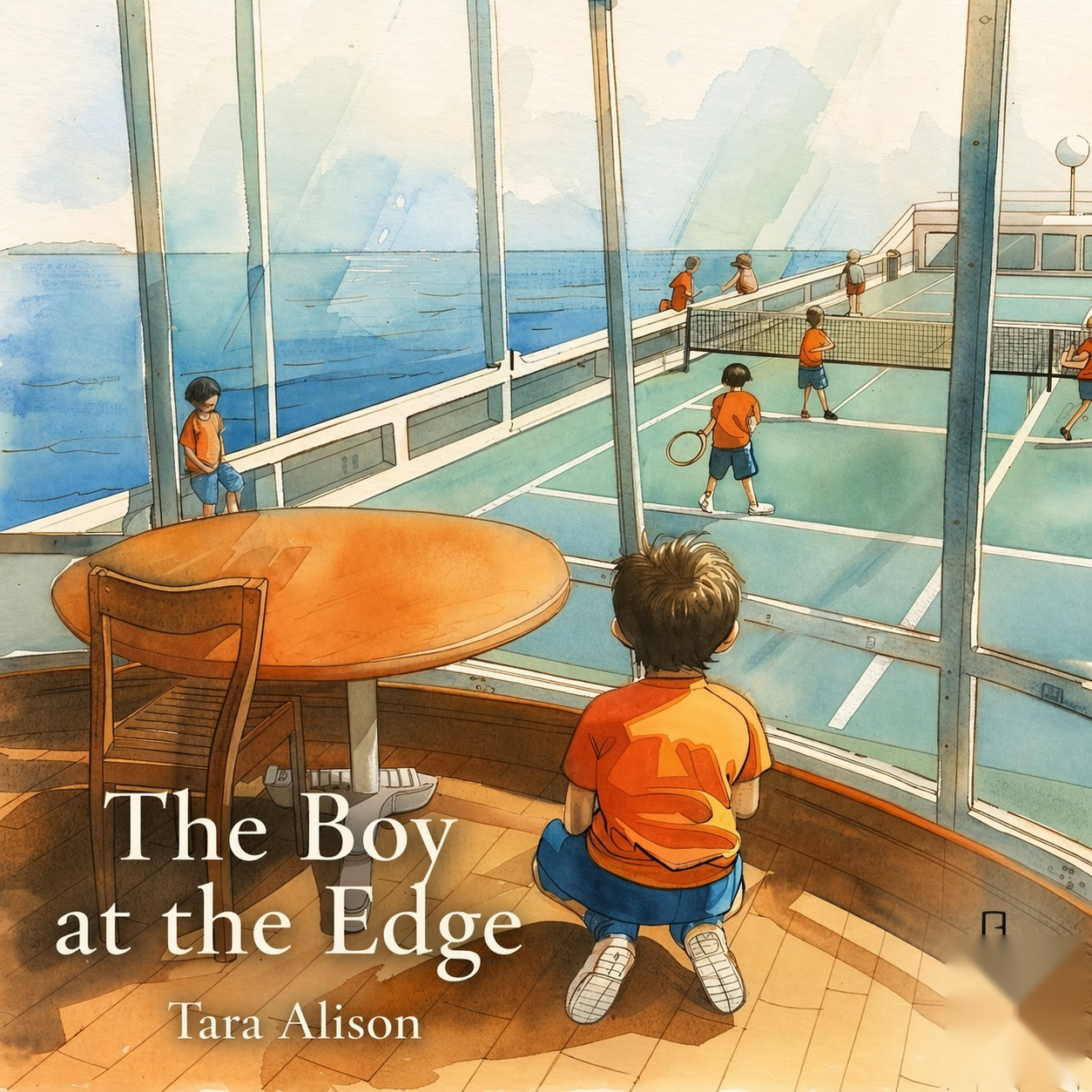
A quiet, curious boy keeps drifting to a window where watching a pickleball game helps his body feel calm. Each time, he's called back to the table. When he goes a third time, his father's voice changes — and the boy is held in place, his curiosity treated as defiance. He doesn't cry. He goes quiet inside, and learns something he doesn't yet have words for.
Download the complete Story Experience
Three files, organized in Method order.
- Start HereA one-page map of the Method, in order.
- Parent GuideFor the grown-up, before you share the story.
- Family Print BundleThe story, reflection pages, conversation cards, and coloring pages.
Printables are part of Birch & Light Membership. Reading the story stays free.
For Kids
The way your body finds calm isn't wrong, even when the people around you don't understand it yet. What you feel when you're held back from it is real.
For Parents
Sometimes a child isn't wandering off — they're moving toward something that helps their body settle. When we treat that as defiance and hold them in place, the behavior stops, but something quieter inside them goes still too. The repair isn't in the moment; it's in coming back later and asking what they were watching.
The Birch & Light Method
How the Birch & Light Method Works→
The Story Experience
The Boy at the Edge
Start here · For the grown-up first
Understand what is happening underneath.
Read the story yourself before sharing it with your child. Then listen to the Deep Dive and read the Parent Guide.
If this one resonated
A few other stories that touch on the same feelings.