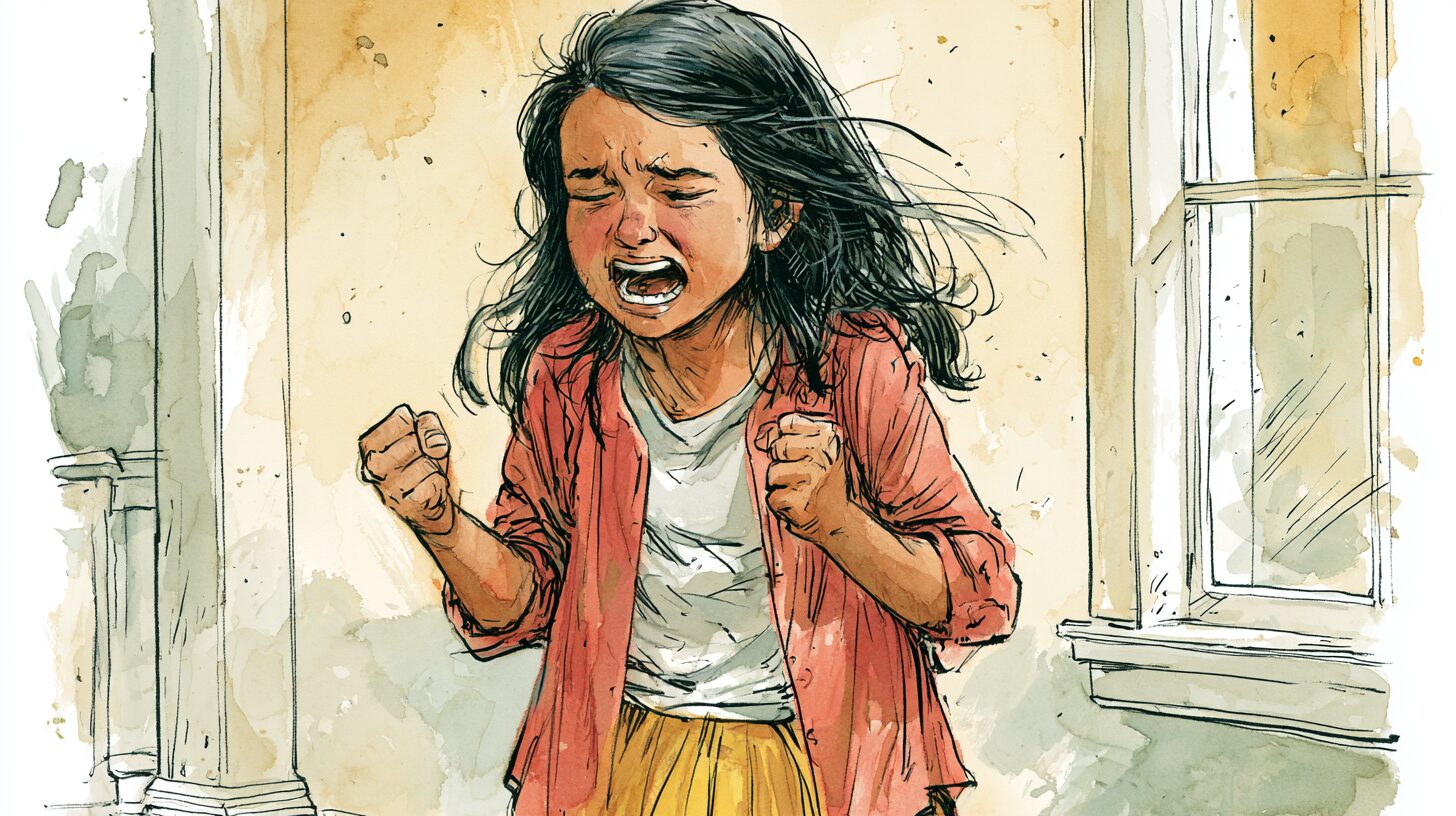
Children say vicious things in meltdowns because the thinking part of the brain has gone offline, and what is left is raw distress reaching for the heaviest words available. The cruelty is a symptom, not a verdict on you. Stay low and calm, do not argue with the words, keep everyone safe, and repair once your child has settled.
Here is one of the most disorienting experiences in this kind of parenting. Your child is, genuinely, one of the sweetest, most tender-hearted people you know. And then a meltdown hits, and out of that same child comes language so vicious, so personal, so shockingly cruel that you almost cannot believe you heard it. Not just anger. Targeted, wounding, sometimes obscene attacks aimed straight at the people who love them most. And afterward you are left rattled, maybe a little frightened, and quietly ashamed.
If that is your house, the first thing to know is that this is far more common than the silence around it suggests. Parents rarely post the exact words their sweet child screamed, because the words are horrifying and saying them out loud feels like a betrayal. So everyone suffers privately, convinced their family is uniquely broken. It is not. Let us talk about what is actually happening.
The cruelty is a symptom, not a message
The words feel like information. They land like a verdict your child has secretly reached about you and is finally revealing. Almost always, they are not that at all.
During a full meltdown, the thinking, choosing, socially-aware part of the brain has gone offline. What is left is raw distress and the drive to make the unbearable internal state visible. Research on stress and the prefrontal cortex describes how even mild, uncontrollable stress can cause a rapid and dramatic loss of prefrontal cognitive abilities. A dysregulated child reaches, blindly, for whatever words carry the most force, because force is what matches the size of what they feel. The most shocking, most forbidden, most wounding words are simply the heaviest objects within reach. Your child is not delivering a considered opinion. They are throwing the biggest thing they can find because they are drowning.
This is why the cruelest words often come from the gentlest kids. It takes a child who knows exactly what wounds people, a child with real social insight and empathy, to aim that precisely. The same sensitivity that makes them lovely in calm moments is what loads the weapon in overwhelmed ones. The venom is not the truth underneath the sweetness. It is the sweetness, temporarily weaponized by a flooded nervous system.
Where does a sweet child learn words like these?
Parents often fixate on the vocabulary, especially the profanity, wondering where a young child even learned to say such things with such precision. Kids collect high-voltage language everywhere: older siblings, a screen, a playground, an overheard adult. In calm states they know these words are off-limits, which is exactly what files them away as maximally powerful. So when the meltdown brain goes looking for the most forbidden thing available, those are the words it grabs, precisely because they are forbidden. The child is not choosing to break a rule. The flooded brain is reaching for whatever it tagged as strongest.
While you're here, take the guide
What's Underneath is free: the three body-state triggers under most meltdowns, what to say in the minute before it tips over, and how to reset afterward.
You'll get the guide instantly, plus five free articles in your inbox every week. Real challenges (meltdowns, school mornings, picky eating, big feelings) and how to actually handle them. Unsubscribe anytime.
What do you do while it is happening?
Do not engage the content. This is the whole game. Responding to the words as if they were a real accusation, defending yourself, or arguing back pours fuel on the fire and teaches your child that these words are a reliable way to get a big reaction. The insult is bait the child does not even know they are casting. Do not bite.
Protect yourself without punishing. You are allowed to not absorb abuse. A calm "I'm going to be right over here, and I'm staying close" lets you step back from the direct line of fire while staying present. Distance is not withdrawal of love, and you can say so.
Stay as flat and calm as you can manage. Not cold, just low and steady. The less charge the words draw from you, the faster they lose their function. You are quietly teaching that these words do not detonate the room.
Hold the safety line, not the morality line. Mid-meltdown is not the moment for "we don't talk that way." That lesson cannot land in a flooded brain and only adds shame. Safety first. The values conversation comes much later, if at all.
Afterward: repair, without a trial
Once your child is genuinely calm, and not a moment before, there is room for a small, gentle repair. Keep it short and non-shaming. Something like: "That was a really big storm. Sometimes when feelings get that big, words come out that we don't mean. I know you didn't mean them. I love you no matter what, and those words don't change that."
Notice what this does. It hands your child the truth (the words were the storm talking), spares them the crushing shame that would otherwise attach, and models repair. Many kids are quietly horrified by what came out of them and are desperate for reassurance that they did not break your love. Provide it. The shame spiral makes the next meltdown more likely, not less; your steadiness makes it less.
The American Academy of Pediatrics' guidance on effective discipline points toward the same calm structure: set expectations in advance, redirect, and lead with rewarding positive behavior.
Older kids, once regulated, can slowly build alternatives: a signal, a safer word or phrase to throw, a place to go. But that is a calm-state project built over months, never a mid-storm demand.
The part for you
Being called vile things by a child you have poured your life into is genuinely painful, and "it's the disorder talking" does not fully anaesthetize that. Both things are true at once: it is not really about you, and it still hurts. You are allowed to find it hard. Debrief with another adult, not the child. Let yourself be human about it.
What predicts how this resolves is not whether the words ever happen, but whether your child learns, over years, that even their ugliest storms cannot make you leave. That lesson is built one calm repair at a time. For the wider picture of what is happening in these moments, the safety plan for when de-escalation fails is the companion to this one.
These land harder on some days than others, usually for reasons that have nothing to do with what was said. Logging them in LightMap makes the underlying conditions visible.
For your child: The Princess and the Witch Inside is about a girl with a calm room for big feelings, and the fast witch who keeps arriving first and pushing everyone away.
Sources: Arnsten AFT, "Stress signalling pathways that impair prefrontal cortex structure and function," Nature Reviews Neuroscience, 2009;10:410-422. Sege RD, Siegel BS, American Academy of Pediatrics, "Effective Discipline to Raise Healthy Children," Pediatrics, December 2018, doi:10.1542/peds.2018-3112.
For education and reflection, not medical advice. Our terms
See what's underneath
Next time, you will know what set it off
LightMap reads your hard days together and gives you answers. Start with one moment today.
Start with 3 moments Not sure where to start? Ask me.Message Tara on WhatsApp. It really is me, I read everything and will personally respond.Click here to message Tara →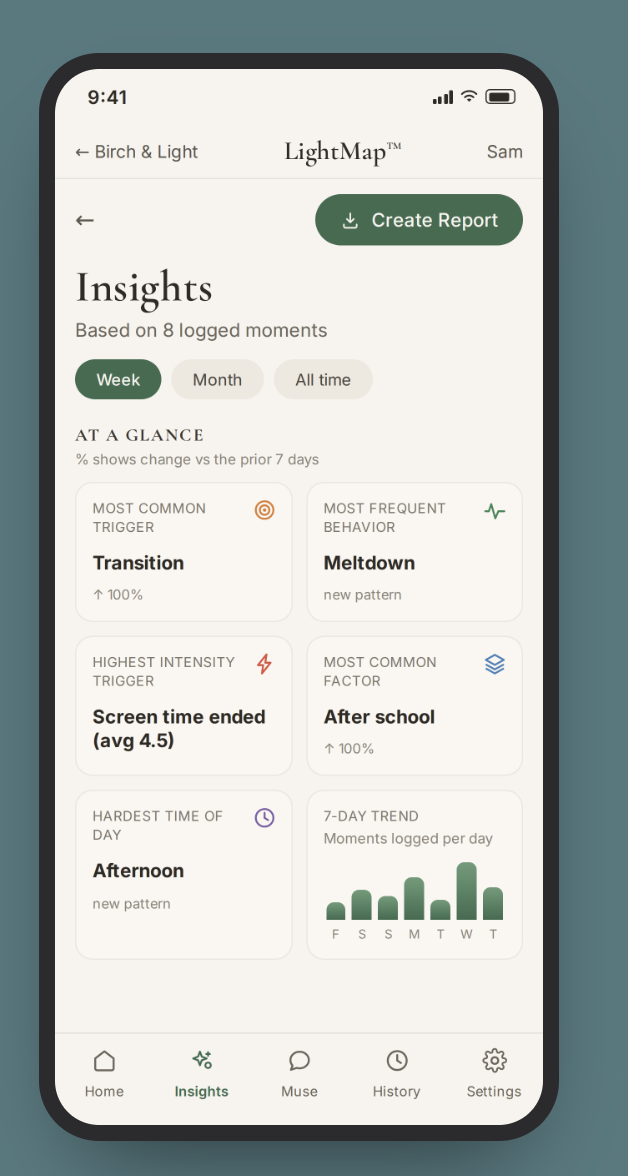

Part of the award-winning Birch & Light Method, honored with the Mom's Choice Gold Award for excellence in family resources.
A story to read together
Sometimes the easiest way in is a story you read side by side.
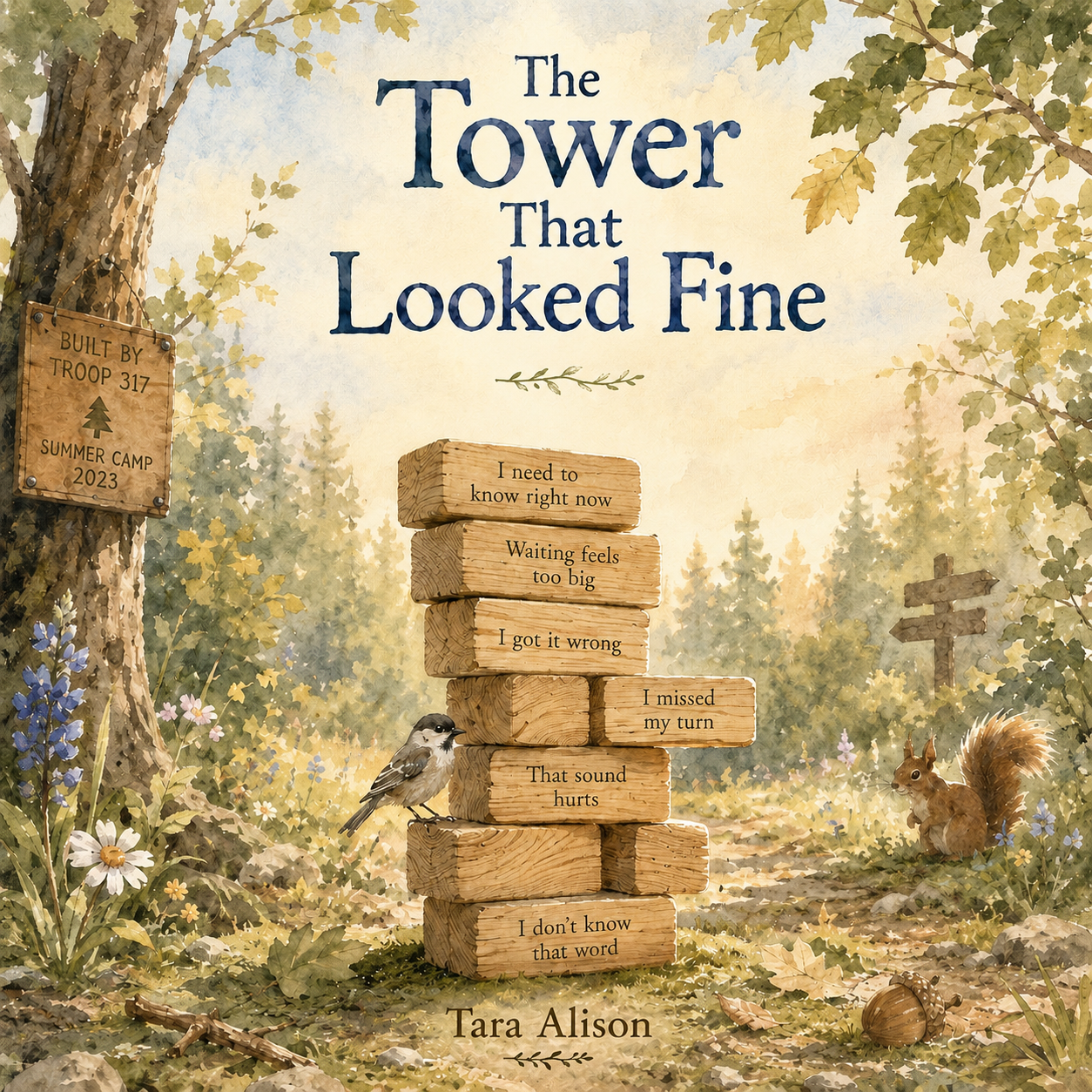 The Tower That Looked Fine
A tower in a quiet clearing tries to stay steady through every small thing nobody else seems to notice — until one tiny breath of wind causes her to fall, and a gentle hand begins to gather the blocks back.
Read the story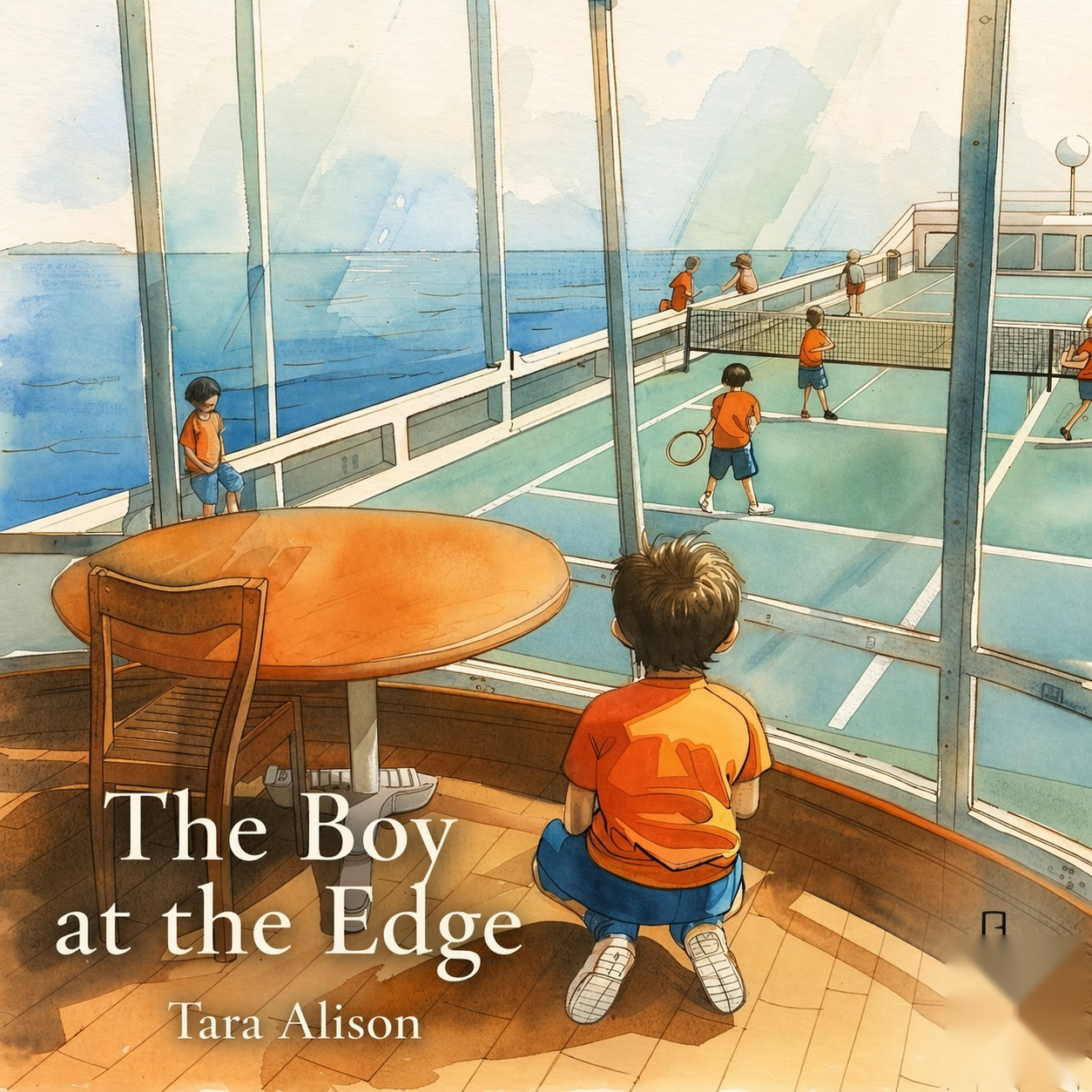 The Boy at the Edge
A boy finds calm by watching the world move from a window. When his stillness is mistaken for defiance, the moment escalates — and he learns that being calm doesn’t always protect you from being told no.
Read the story
If today was one of those days
A few more from the library, free to read.
Researched and drafted with AI assistance, reviewed before publication. Editorial standards