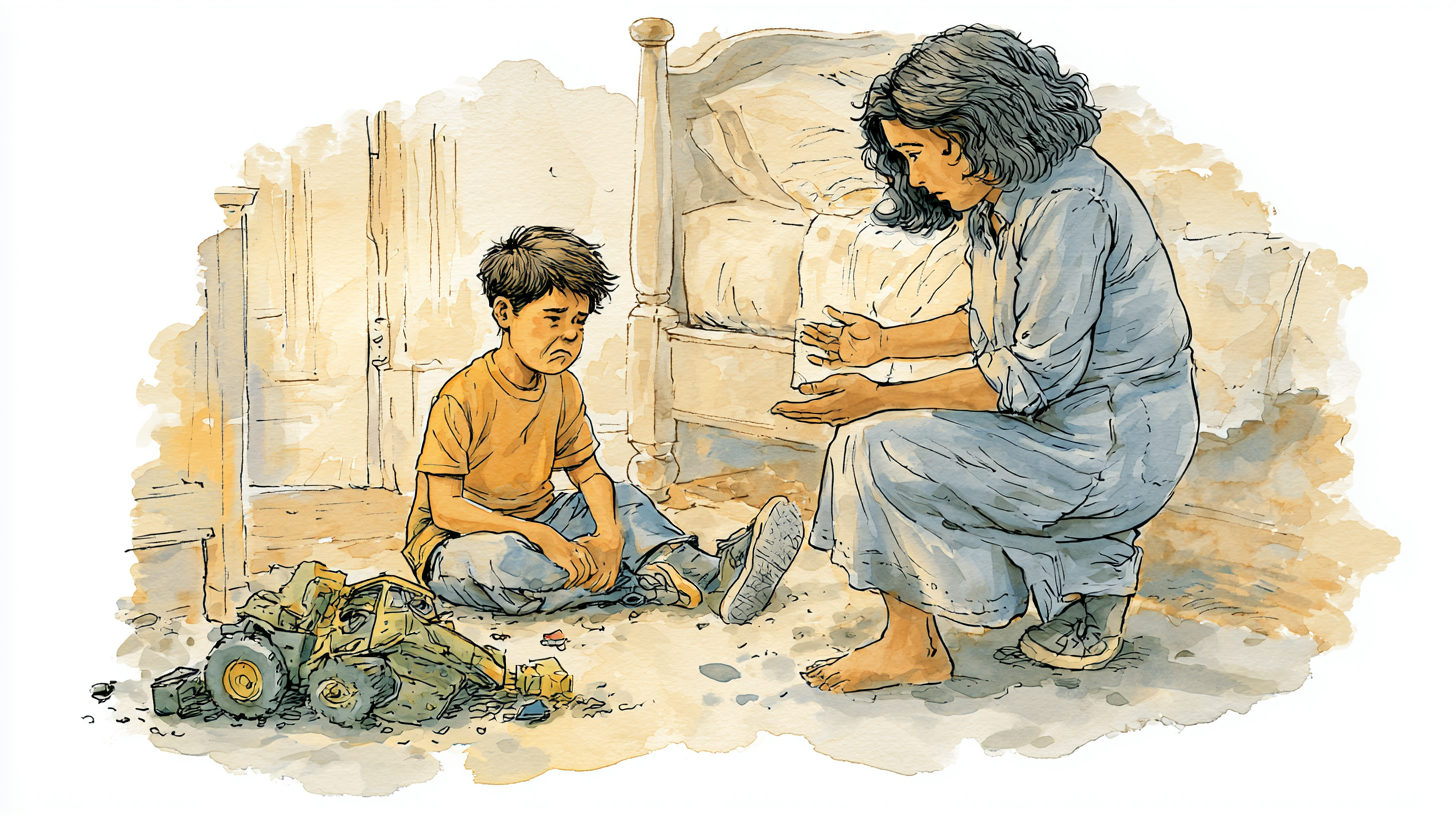
It is one of the most unsettling things a parent can watch. Your child, mid-storm, grabs the LEGO build they spent all weekend on and smashes it. Rips up their own drawing. Snaps the toy they begged for. The things they love most are always the first casualties.
If they broke your things, it would almost make more sense. But destroying their own treasures seems to defy logic, and it can scare parents into worst-case thinking.
Why their own things
Look at what is within arm''s reach of a dysregulated child: their own stuff. Destruction in a flooded moment is not target selection. It is discharge. The nervous system is carrying more charge than the body can hold, and the pressure goes into whatever is closest. Their room, their desk, their creations.
But there is often a second layer, and it is worth knowing about. For some children, especially those drowning in shame, destroying their own things is the outside matching the inside. "I ruined everything" becomes literal. The drawing gets ripped because in that moment the child believes the drawing, like them, is garbage. It is self-criticism with hands.
Some kids will even say it: "It was stupid anyway." That sentence is not about the LEGO set.
What it usually is not
It is rarely calculated, and it is almost never "not caring about their things." The opposite, usually. The child who destroys their own art cares enormously, and cares with an intensity that has nowhere to go when things fall apart. Punishing by removing more belongings tends to confirm the story they are already telling themselves: I ruin things. Things get taken from me. I don''t deserve them.
In the moment
Safety and space, not salvage. Do not try to rescue the object mid-storm or lecture about respecting belongings. The lecture cannot land, and wrestling over the object escalates.
Stay boring and stay close. "I''m here. I''m not going to let you hurt yourself. We can fix things later." Low words, low drama.
While you're here, take the guide
What's Underneath is free: the three body-state triggers under most meltdowns, what to say in the minute before it tips over, and how to reset afterward.
You'll get the guide instantly, plus five free articles in your inbox every week. Real challenges (meltdowns, school mornings, picky eating, big feelings) and how to actually handle them. Unsubscribe anytime.
Afterward, and this is the part that matters
Do not lead with the object. The instinct is to make the loss the lesson: "See? Now it''s broken and you''re sad." They know. The natural consequence already happened and it already hurts. Adding "I told you so" converts grief into shame.
Grieve with them, not at them. "You worked so hard on that. It''s really sad that it broke." You are modeling that the feeling underneath the destruction is allowed, even though the destruction itself was not okay.
Rebuild together when they''re ready. Repairing the object, when it is repairable, is quietly powerful. It rehearses a different story: things break, and they can be mended. So can moments. So can people.
Watch for the shame signature. If the destruction comes with "I''m stupid," "I hate myself," "everything I make is bad," take note. That is not a discipline problem. That is a child whose self-talk needs support, and the belongings are just where it shows.
The pattern question
Destruction is dramatic, so it hijacks all the attention. But the more useful question is what comes before. Is it perfectionism cracking, the drawing destroyed the moment one line goes wrong? Is it losing, transitions, hunger, a specific sibling dynamic? The object breaking is the end of a sequence. The help lives earlier in the sequence.
If you want to find where the sequence starts, LightMap lets you log these moments quickly and tag what preceded them. A few weeks of notes usually reveals whether you are looking at overload, perfectionism, or shame, and each of those needs something different.
For your child: The Princess and the Witch Inside is about a girl with a calm room for big feelings, and the fast witch who keeps arriving first and pushing everyone away.
For education and reflection, not medical advice. Our terms
See what's underneath
Next time, you will know what set it off
LightMap reads your hard days together and gives you answers. Start with one moment today.
Start with 3 moments Not sure where to start? Ask me.Message Tara on WhatsApp. It really is me, I read everything and will personally respond.Click here to message Tara →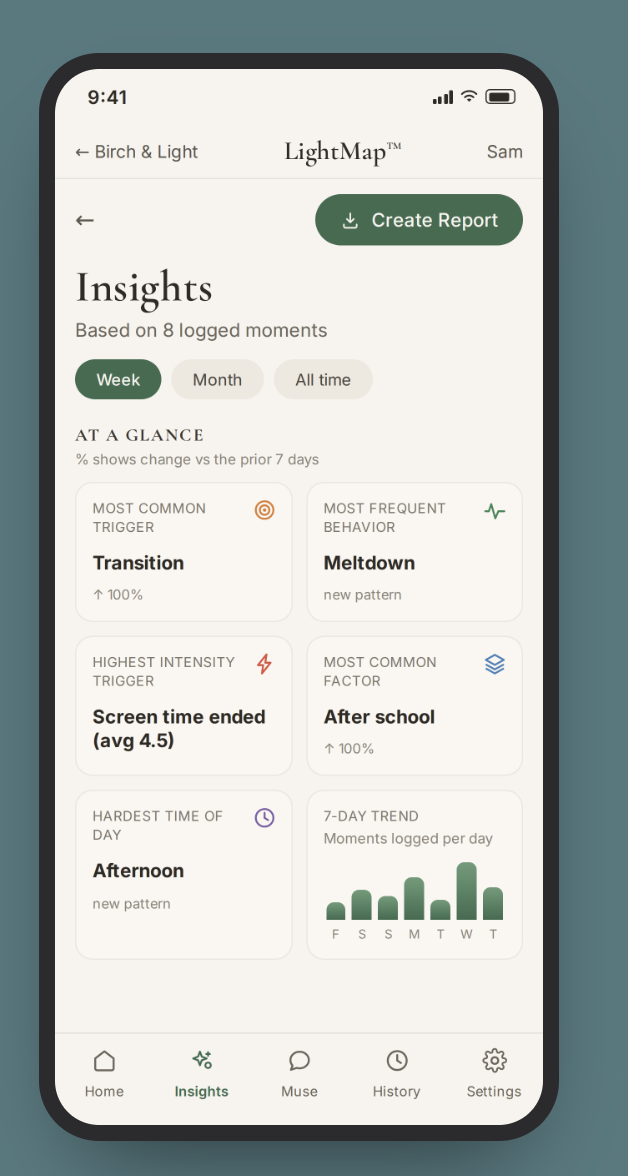

Part of the award-winning Birch & Light Method, honored with the Mom's Choice Gold Award for excellence in family resources.
A story to read together
Sometimes the easiest way in is a story you read side by side.
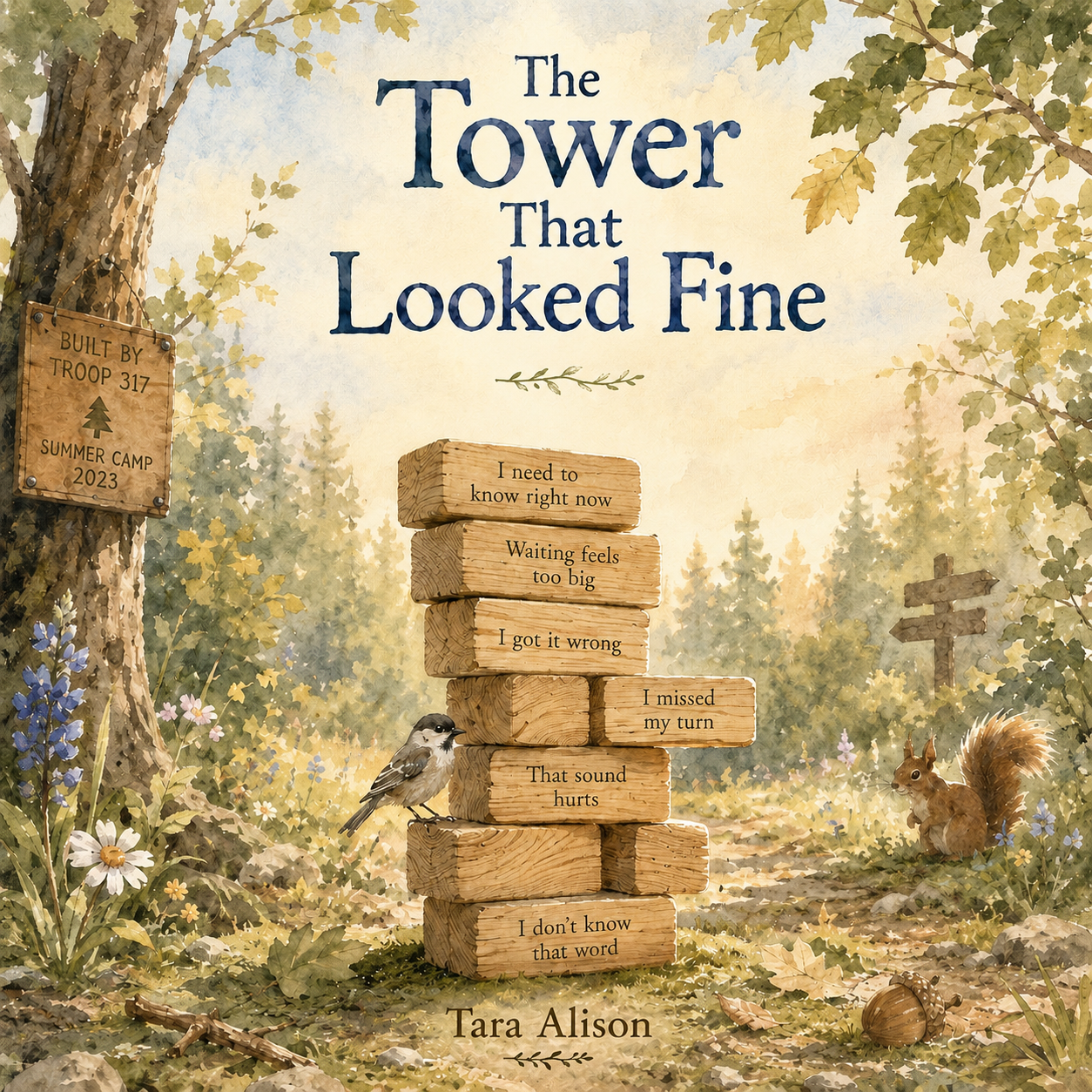 The Tower That Looked Fine
A tower in a quiet clearing tries to stay steady through every small thing nobody else seems to notice — until one tiny breath of wind causes her to fall, and a gentle hand begins to gather the blocks back.
Read the story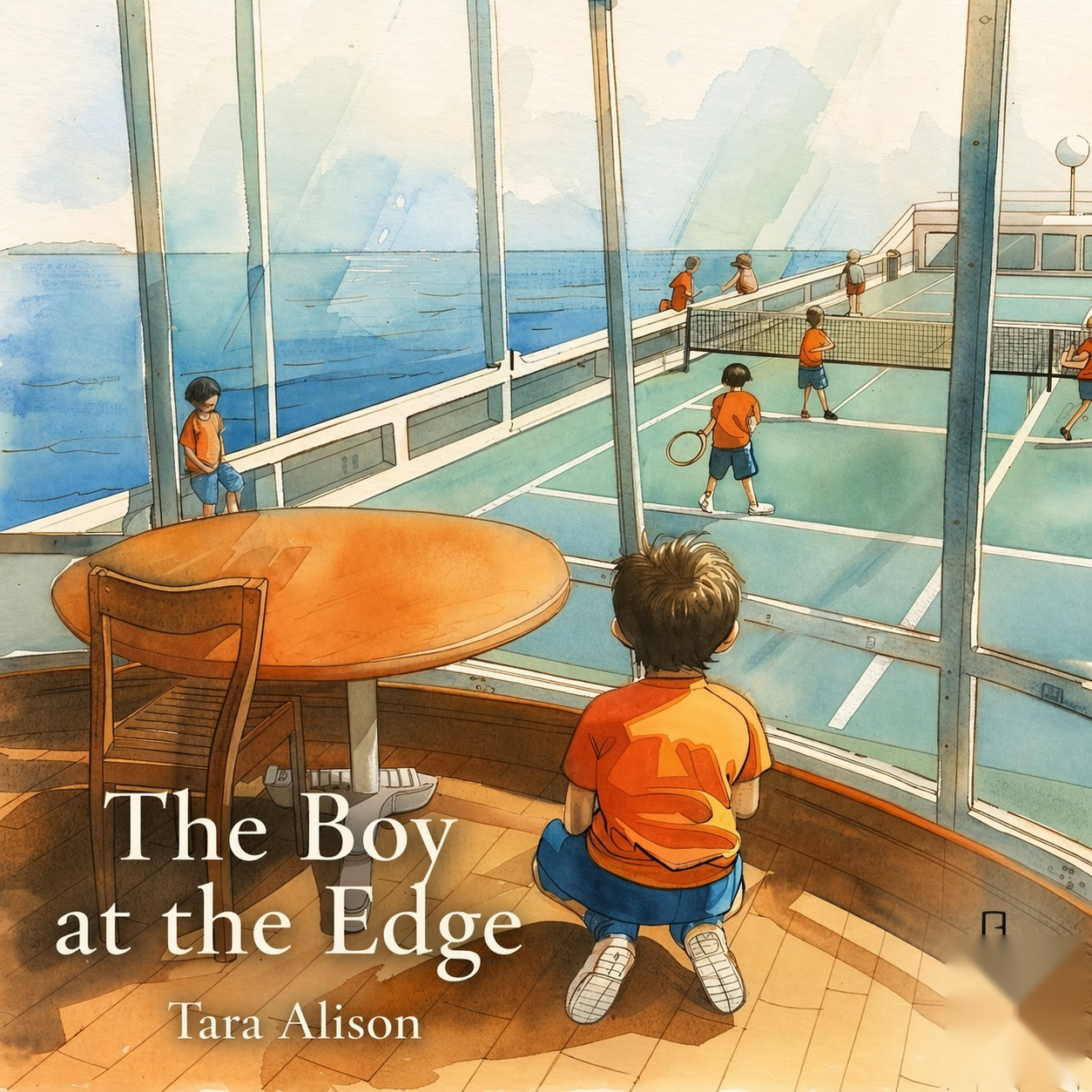 The Boy at the Edge
A boy finds calm by watching the world move from a window. When his stillness is mistaken for defiance, the moment escalates — and he learns that being calm doesn’t always protect you from being told no.
Read the story
If today was one of those days
A few more from the library, free to read.
Researched and drafted with AI assistance, reviewed before publication. Editorial standards