
"Throw it all away. I don''t want ANY of it."
The toys, the collection they spent a year building, the stuffed animal they cannot sleep without. Suddenly, mid-upset or in a flat gray mood, your child wants it all gone. Some kids start bagging things up themselves. Some demand you do it. Some just announce that everything is garbage, including, if you listen closely, themselves.
It is dramatic, it is unsettling, and most parents'' first instinct is to argue the inventory: "You love that bear!" Which goes nowhere, because this was never about the stuff.
What the purge usually is
Overwhelm looking for a lever. A child drowning in feelings they cannot name reaches for something they can control. Possessions are controllable. "Get rid of everything" is sometimes the only executive decision available to a person who feels powerless everywhere else. The purge is a bid for agency, aimed at the nearest available target.
The inside becoming the outside. For other kids, especially in a shame spiral, the declaration decodes simply: "Everything is ruined and worthless" means I feel ruined and worthless. The belongings are standing trial for the self. This is the same engine as the child who destroys their own artwork, wearing a different costume.
A fresh-start fantasy. Some children, particularly after a rough season, a friendship loss, or a hard school year, want to delete the current version of their life. The stuff is the visible archive of the self they are disappointed in. Purging it feels like becoming someone new. Adults do this too. We call it drastically redecorating after a breakup.
Occasionally, real sensory or mental clutter. A minority of kids genuinely feel crowded by their own room, and the purge impulse is a real signal, just delivered at maximum volume because it arrived on a flooded day.
While you're here, take the guide
What's Underneath is free: the three body-state triggers under most meltdowns, what to say in the minute before it tips over, and how to reset afterward.

You'll get the guide instantly, plus five free articles in your inbox every week. Real challenges (meltdowns, school mornings, picky eating, big feelings) and how to actually handle them. Unsubscribe anytime.
What not to do
Do not execute the order. A dysregulated declaration is not informed consent. The child who demanded the bear go in the trash at 4pm will need the bear at bedtime, and if it is gone, you now have a much bigger problem plus a lesson learned: big feelings destroy things permanently.
Do not argue the inventory. Debating whether they really love the bear keeps you both on the surface. The bear is fine. The child is not.
Do not diagnose ingratitude. "After all the money we spent" converts their overwhelm into your grievance and teaches them to hide the next spiral from you.
What to do instead
Respond to the feeling, not the logistics. "Sounds like everything feels wrong right now. That''s a big feeling." You are naming the inside thing so the outside thing can stand down.
Install a waiting period. "Rule in our house: big decisions wait for a calm day. Anything you still want gone next week, we''ll donate together." This honors the impulse without letting a storm make permanent choices. Ninety percent of the list quietly un-condemns itself.
If some purging survives the wait, do it with them. A calm, chosen declutter can genuinely help some kids, and doing it together turns a symptom into agency.
Listen for the self-talk. If the purge language routinely includes "everything I have is stupid, everything I do is bad, I hate my life," the belongings are a bulletin board for something heavier. Frequent worthlessness talk, especially with withdrawal or flatness, deserves a check-in with someone beyond the toy bins, like your pediatrician.
The pattern underneath
Like most dramatic behaviors, the purge is the end of a chain. Does it follow social wounds? Losses and failures? End-of-year transitions? Certain moods that last for days? One purge is a Tuesday. A pattern of purges is a message, and the message is rarely "too many toys."
LightMap is built for exactly this kind of decoding: log the moment, tag what preceded it, and let a few weeks of context reveal whether you''re looking at overwhelm, shame, or something that needs more support.
For your child: Otto Filled Everything is about an otter who keeps filling things with water and being stopped, until someone notices when and why he does it and builds him a place to do it.
For education and reflection, not medical advice. Our terms
See what's underneath
Next time, you will know what set it off
LightMap reads your hard days together and gives you answers. Start with one moment today.
Start with 3 moments Not sure where to start? Ask me.Message Tara on WhatsApp. It really is me, I read everything and will personally respond.Click here to message Tara →

Part of the award-winning Birch & Light Method, honored with the Mom's Choice Gold Award for excellence in family resources.
A story to read together
Sometimes the easiest way in is a story you read side by side.
 The Tower That Looked Fine
A tower in a quiet clearing tries to stay steady through every small thing nobody else seems to notice — until one tiny breath of wind causes her to fall, and a gentle hand begins to gather the blocks back.
Read the story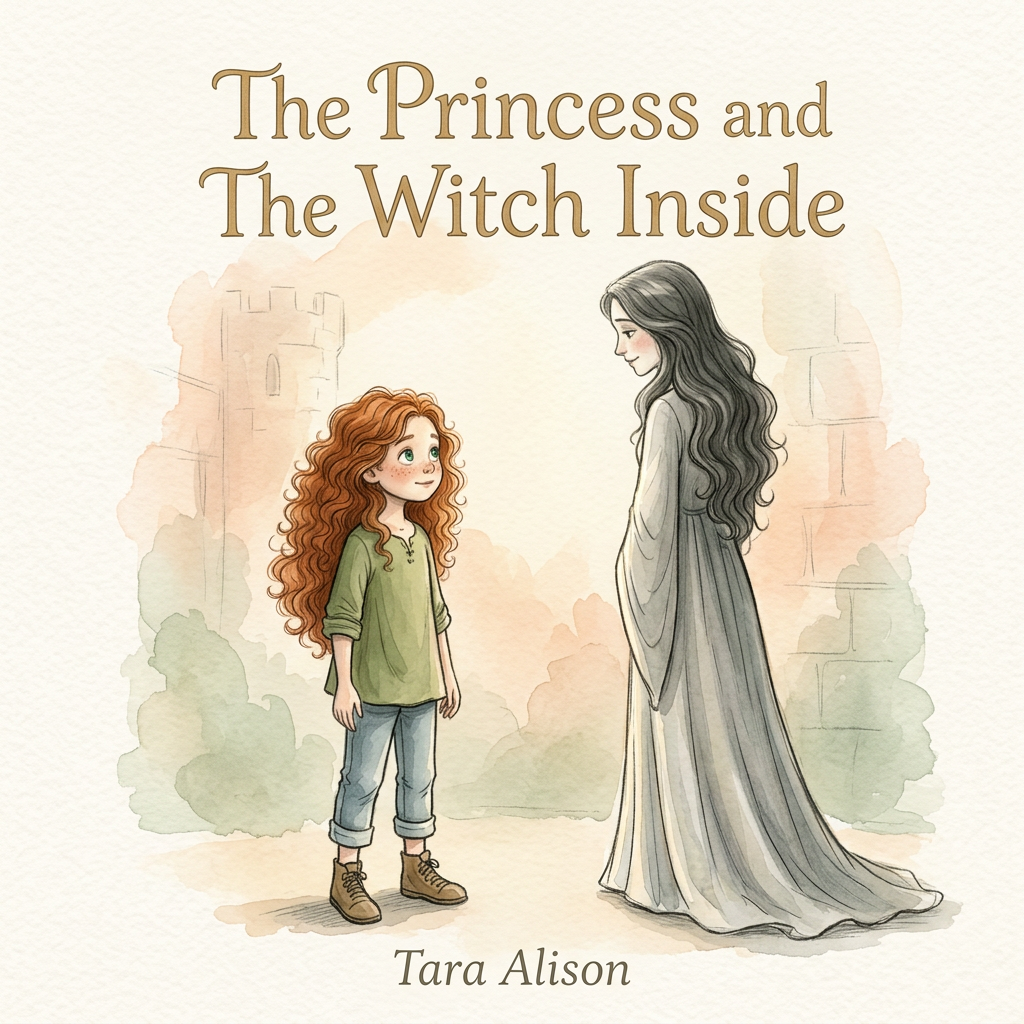 The Princess and the Witch Inside
Esme is loved, but a fast protective part keeps rushing in before she gets a turn. A quiet visitor helps her meet the witch inside — not as an enemy, but as a worried protector — and find her way back to the people she wanted to be with all along.
Read the story
If today was one of those days
A few more from the library, free to read.
Researched and drafted with AI assistance, reviewed before publication. Editorial standards