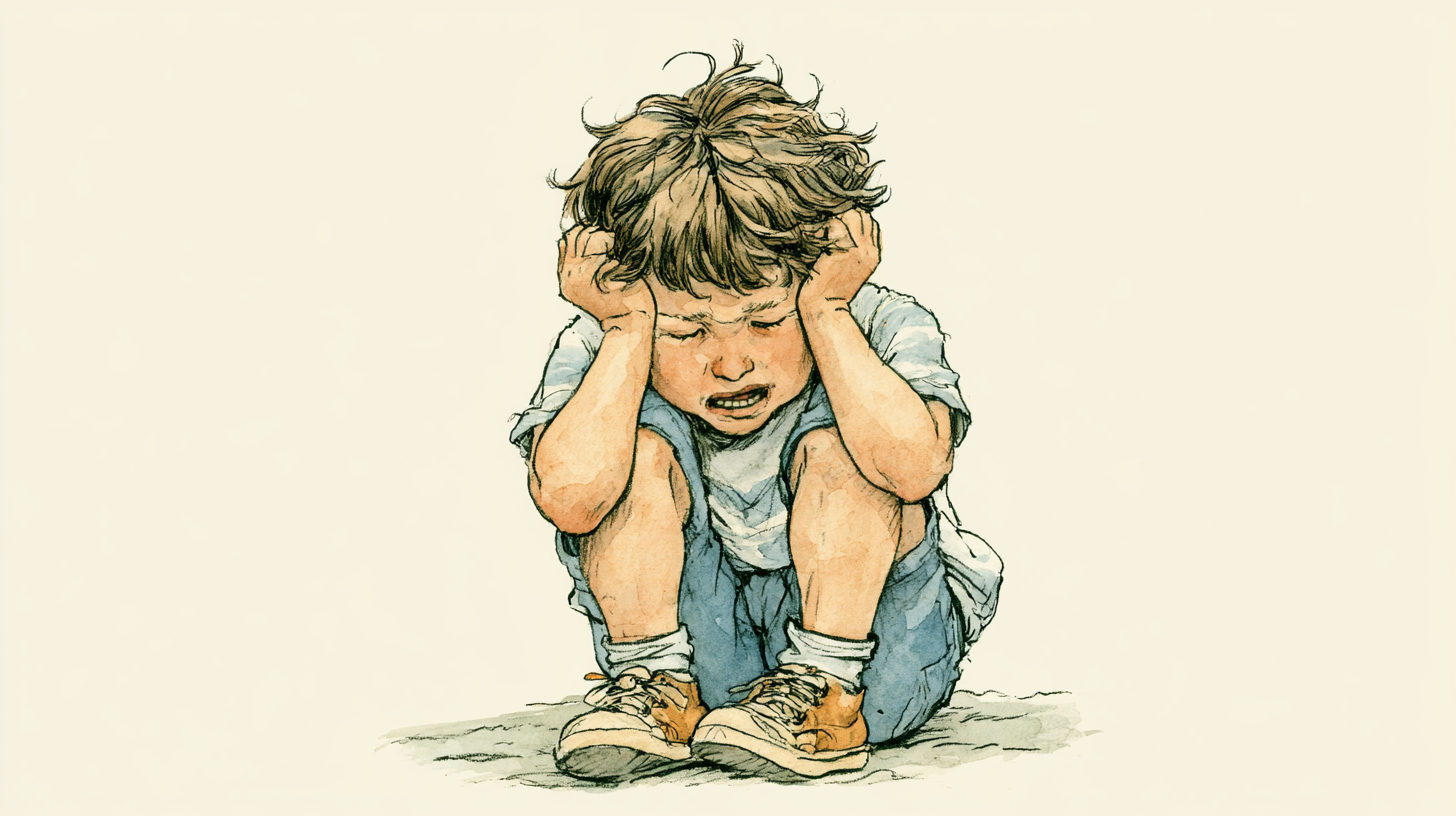
A tantrum is a child pushing toward something they want, while a meltdown is a nervous system overwhelmed past its capacity. Tantrums usually ease when the goal is met or lost, and meltdowns keep going when the trigger is removed. Whether your child can still hear you tells you which one you are in.
From the outside they can look identical: screaming, crying, hitting, throwing, collapsing on the floor. But meltdowns and tantrums come from completely different places in a child's nervous system — and they need completely different responses from you.
Getting this distinction right is one of the most useful shifts a parent can make. Here's the plain-language version.
The core difference, in one sentence
A tantrum is a behavior with a goal. A meltdown is a nervous system that ran out of capacity.
Tantrums are about getting something — the cookie, the toy, the screen, the no being a yes. They tend to stop when the goal becomes possible or impossible. There's usually some awareness of an audience.
Meltdowns are about too much — too much input, too much demand, too much feeling. They aren't strategic. There's no audience-checking. The child often can't speak, make eye contact, or remember much of it afterward.
Is it a meltdown or a tantrum right now?
Signs it's likely a tantrum
- Started over a clear "no" or denied want
- Stops when the child gets what they wanted
- Child can still talk, negotiate, or threaten
- Child glances at you to see if it's working
- Ends relatively quickly when ignored or redirected
Signs it's likely a meltdown
- Built up over a long day, not a single moment
- Doesn't stop when the trigger is removed
- Child can't speak in full sentences or hear you
- Body is in fight, flight, or freeze (rigid, flailing, hiding)
- Child is exhausted, tearful, or "not themselves" afterward
Does the difference really change my response?
Tantrums usually respond well to calm, consistent boundaries: "I hear you wanted the cookie. The answer is still no. I'll be right here when you're ready."
Meltdowns don't. Boundaries, consequences, or teaching during a meltdown almost always escalate it, because the part of the brain that hears those things is offline. What meltdowns need first is co-regulation: your calm body nearby, fewer words, less light and noise, and time. The teaching happens later, when the nervous system comes back online.
What to do in the moment
For a tantrum
- Stay calm and physically near, but emotionally neutral
- Hold the boundary without lecturing
- Acknowledge the feeling: "You really wanted that"
- Wait it out — most tantrums are short
For a meltdown
- Lower stimulation: dim lights, quiet voice, give space
- Drop demands and words ("I'm right here" is often enough)
- Offer your calm body — sitting near, not towering over
- Wait for the wave to pass before any conversation
- Reconnect afterward, gently: "That was a lot. I'm so glad you're back."
While you're here, take the guide
What's Underneath is free: the three body-state triggers under most meltdowns, what to say in the minute before it tips over, and how to reset afterward.
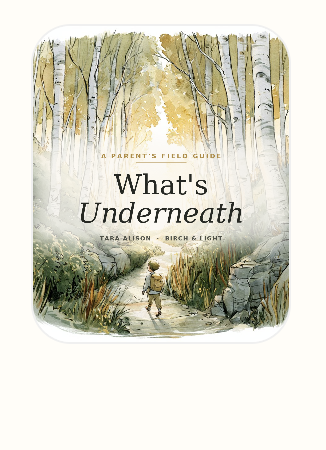
You'll get the guide instantly, plus five free articles in your inbox every week. Real challenges (meltdowns, school mornings, picky eating, big feelings) and how to actually handle them. Unsubscribe anytime.
Spotting your child's pattern
Most parents can't tell in the moment whether they're dealing with a tantrum or a meltdown — and that's okay. What helps is seeing the pattern over time. Log a few weeks of moments in LightMap, tagging the trigger and what helped, and you'll usually see clearly which is which (and what tends to set each one off).
Many parents discover their "tantrums" are actually meltdowns happening at a predictable time of day, after a predictable trigger. Once you see that, the response gets a lot easier — and the moments themselves usually get shorter and less frequent.
Frequently asked questions
What's the simplest way to tell a meltdown from a tantrum?
A tantrum stops when the child gets what they want or realizes it's not coming. A meltdown doesn't — because it isn't about getting something. It's a nervous system that has run out of capacity. You can't reason or negotiate your way out of a meltdown.
Are meltdowns only an autism or ADHD thing?
No. All children can have meltdowns, especially when overtired, hungry, overstimulated, or going through transitions. They are more frequent and more intense for many neurodivergent kids, but meltdowns themselves are a universal nervous-system experience.
Should I respond differently to each?
Yes. Tantrums often respond to calm boundaries and consistent expectations. Meltdowns need co-regulation first — your calm presence, lower stimulation, and connection — before any teaching, consequences, or conversation.
What if I can't tell which one it is?
When in doubt, treat it as a meltdown. Co-regulation never makes a tantrum worse, but treating a meltdown like a tantrum almost always escalates it. You can address behavior afterward, when the nervous system is back online.
How can I figure out my child's specific triggers?
Track 10–15 moments in LightMap with location, time, what was happening, and what helped. Patterns usually emerge within a week or two — often things you'd never have spotted from memory alone.
Put it into practice
Understanding the volcano is step one. Giving your child their own tools for it is where things shift. My Big Feelings and My Fast Brain is a printable workbook that turns feeling-size, early warning signs, and calm-down tools into pages kids want to do, with a science section for the grown-up. It is $9, instant download, print at home.
Get the workbook, or find both fast brain workbooks in the bundle.
Sources: Belden AC, Thomson NR, Luby JL, "Temper tantrums in healthy versus depressed and disruptive preschoolers," Journal of Pediatrics 2008;152:117-122. Mazefsky CA and colleagues, "The role of emotion regulation in autism spectrum disorder," Journal of the American Academy of Child and Adolescent Psychiatry 2013;52(7):679-688. Lewis LF, Stevens K, "The lived experience of meltdowns for autistic adults," Autism 2023;27(6):1817-1825.
For your child: Ember's Eruption is about a volcano who erupts after her mother asks her sister to help instead of her, and then learns the outburst began as tiny glowing cracks much earlier.
For education and reflection, not medical advice. Our terms
See what's underneath
Next time, you will know what set it off
LightMap reads your hard days together and gives you answers. Start with one moment today.
Start with 3 moments Not sure where to start? Ask me.Message Tara on WhatsApp. It really is me, I read everything and will personally respond.Click here to message Tara →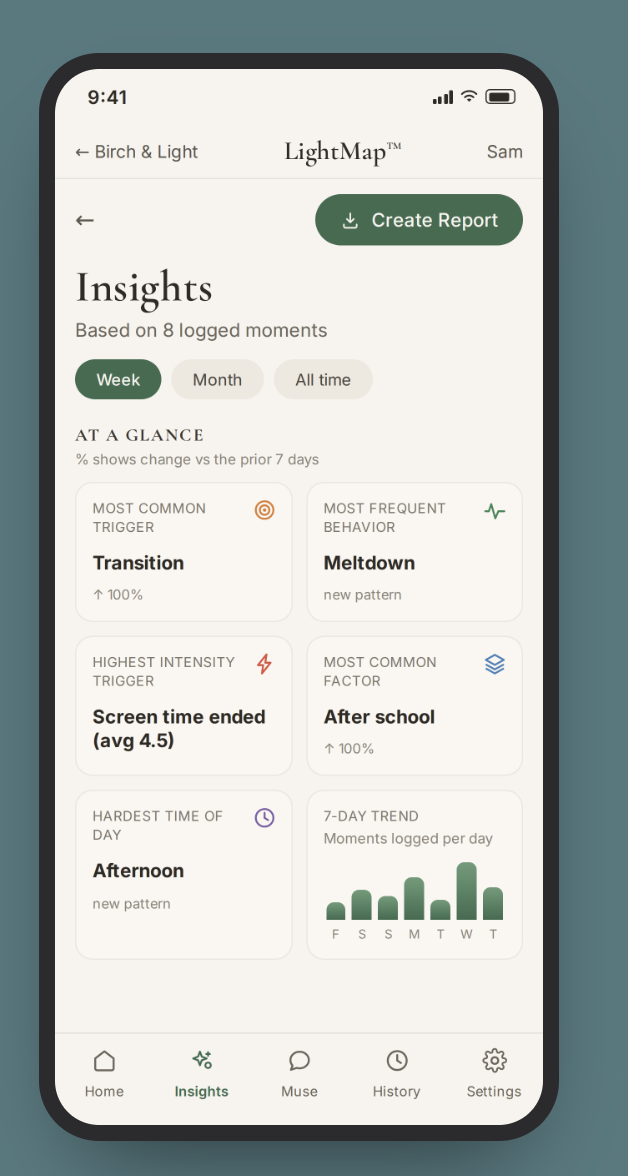

Part of the award-winning Birch & Light Method, honored with the Mom's Choice Gold Award for excellence in family resources.
A story to read together
Sometimes the easiest way in is a story you read side by side.
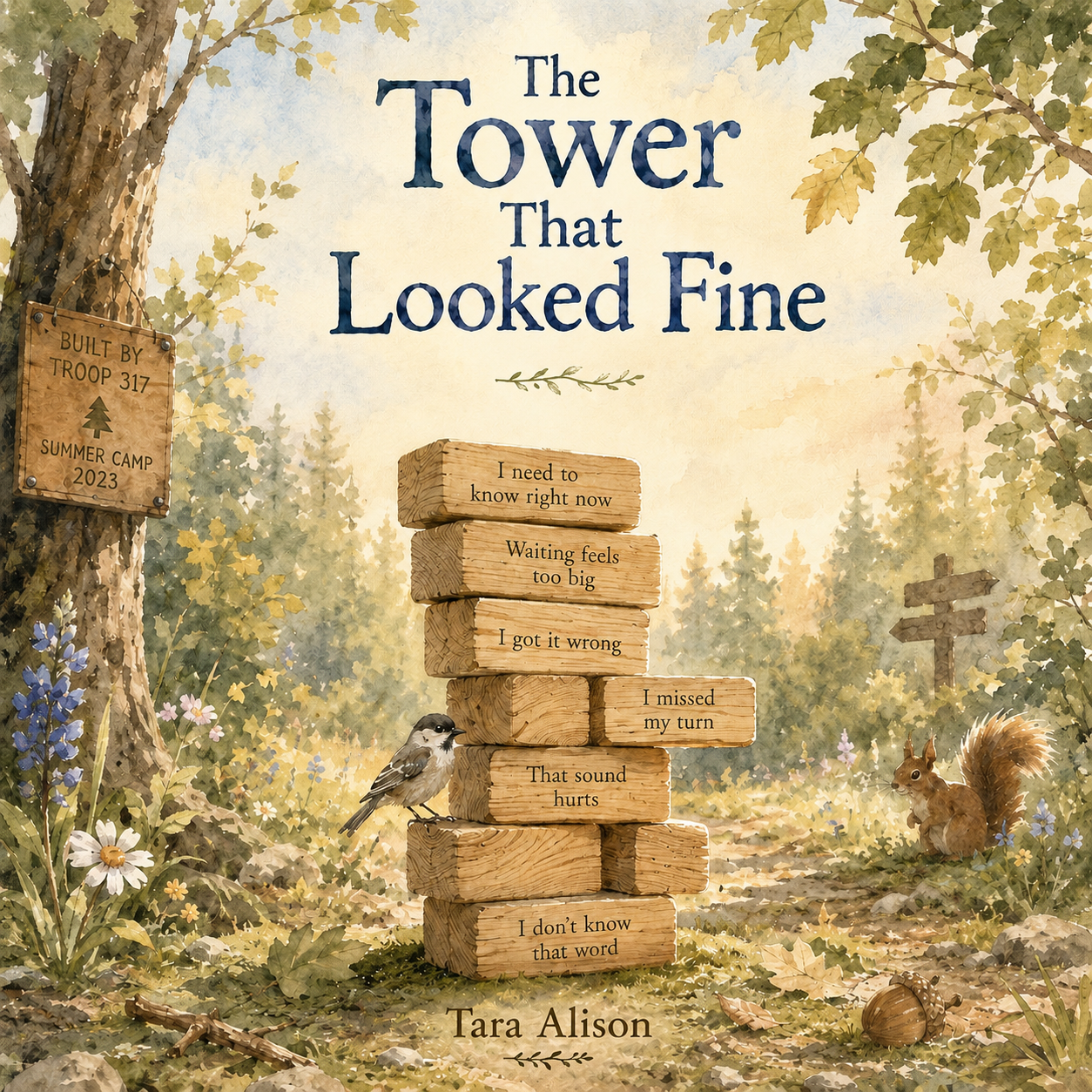 The Tower That Looked Fine
A tower in a quiet clearing tries to stay steady through every small thing nobody else seems to notice — until one tiny breath of wind causes her to fall, and a gentle hand begins to gather the blocks back.
Read the story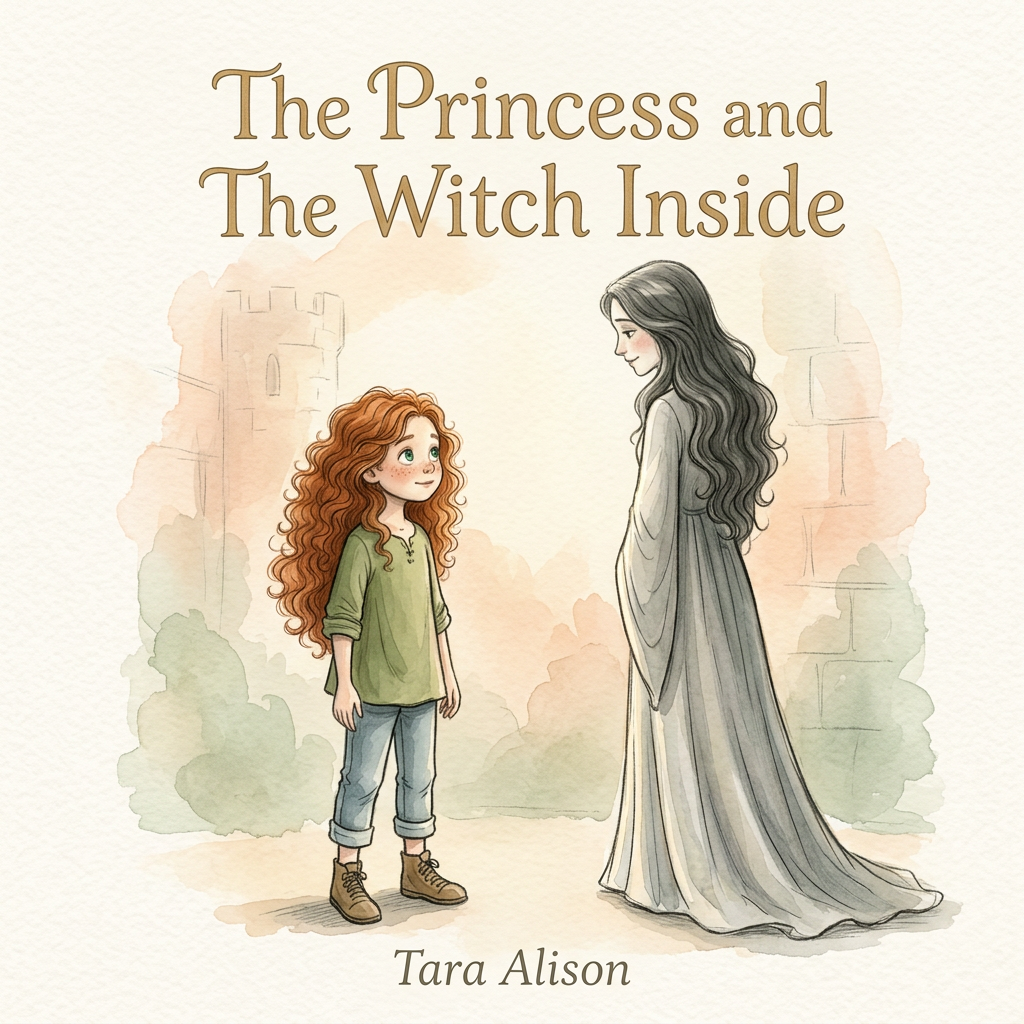 The Princess and the Witch Inside
Esme is loved, but a fast protective part keeps rushing in before she gets a turn. A quiet visitor helps her meet the witch inside — not as an enemy, but as a worried protector — and find her way back to the people she wanted to be with all along.
Read the story
If today was one of those days
A few more from the library, free to read.
Researched and drafted with AI assistance, reviewed before publication. Editorial standards