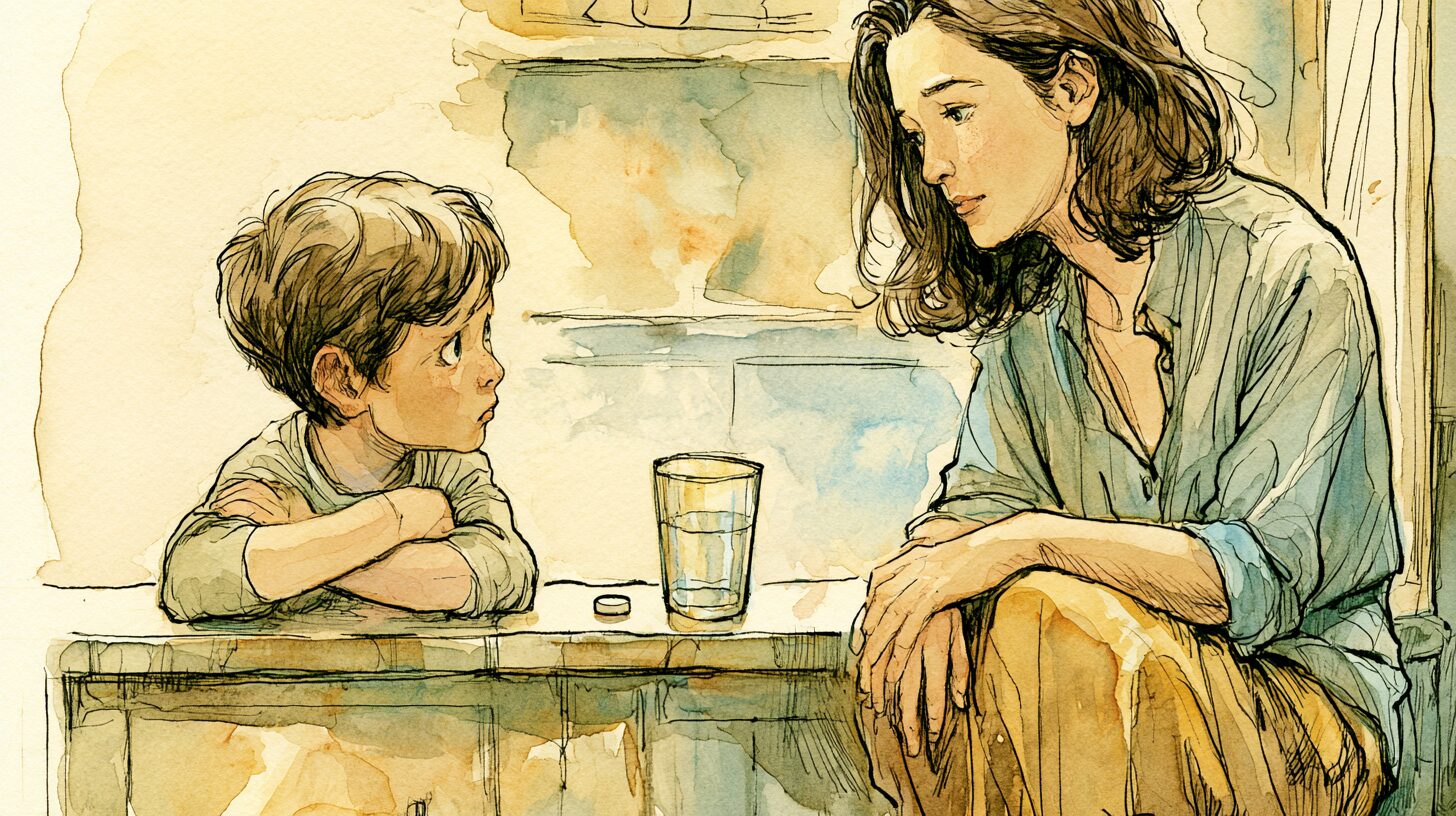
The storm has passed. Everyone is calm. You sit down gently, because you have learned not to do this mid-meltdown, and you ask the reasonable question: "What happened back there? Why did you get so upset?"
"I don''t know."
Every time. Sometimes with a shrug, sometimes with genuine distress, sometimes with a wall going up so fast you can practically hear it. And a quiet fear starts growing in you: are they hiding something? Are they refusing to take responsibility? How can they not know?
They are probably telling the truth
Here is what most parents were never told: during a meltdown, the parts of the brain responsible for logic, language, and self-observation largely go offline. The nervous system reroutes everything to survival. Your child was not thinking during those twenty minutes, not in any way they can narrate afterward. They were weathering something.
Asking "why did you do that?" is asking them to produce a report from a period when the reporter was not on duty. "I don''t know" is not evasion. It is often the most honest sentence they have.
Why the question itself can restart the storm
There is a second problem. For many kids, especially those who feel deep shame after losing control, "why did you do that?" does not sound like curiosity. It sounds like the opening question of a trial. They already feel terrible. Some children experience the post-meltdown debrief as reliving the worst moment of their day with an audience.
So they say "I don''t know" not only because it is true, but because it is the fastest way to make the conversation stop before the shame swallows them.
While you're here, take the guide
What's Underneath is free: the three body-state triggers under most meltdowns, what to say in the minute before it tips over, and how to reset afterward.
You'll get the guide instantly, plus five free articles in your inbox every week. Real challenges (meltdowns, school mornings, picky eating, big feelings) and how to actually handle them. Unsubscribe anytime.
What to do instead
Drop "why" entirely. Why-questions require self-analysis your child may not have access to yet, at any age, and especially not within hours of a meltdown.
Trade interrogation for observation. Instead of "why were you upset?" try "I noticed the yelling started right after we turned off the game. I wonder if stopping felt really sudden." You do the noticing. They get to confirm, correct, or just feel seen. No performance required.
Offer multiple choice. "Was it more like too loud, too fast, or too unfair?" sounds silly, but it works, because recognizing is far easier than generating. Kids who cannot answer an open question can often point at the right door.
Let the answer arrive late. Some children can tell you what happened, but not today. The real information shows up two days later in the car, sideways, while looking out the window. Side-by-side conversations, in the car, on a walk, during a game, produce more truth than face-to-face ones. Keep the door open and stop needing the answer on your schedule.
Become the historian they cannot be. If your child genuinely cannot reconstruct their hard moments, someone has to, because the pattern is where the help is. What time was it? What came before? Was it a hungry day, a no-recess day, a substitute-teacher day? You are not building a case against them. You are building the context they cannot see from inside.
"I don''t know" feels like a locked door. It is actually a piece of information: your child''s hard moments are happening below the level of their own narration. That is not defiance. That is a job description for you, at least for now, and it does not last forever. Kids who are met with observation instead of interrogation slowly borrow the skill. One day, unprompted, they say "I think I was already mad before you even asked me." That sentence is built, not born.
If you are ready to be the historian, LightMap makes it lightweight: log the moment, tag the context, and let the pattern emerge over weeks, so you can stop needing answers your child cannot give.
For your child: Elliot's Paths is about a boy whose no arrives before he has had any chance to choose, and the grandmother who is the first adult to see the path from where he is standing.
For education and reflection, not medical advice. Our terms
See what's underneath
Next time, you will know what set it off
LightMap reads your hard days together and gives you answers. Start with one moment today.
Start with 3 moments Not sure where to start? Ask me.Message Tara on WhatsApp. It really is me, I read everything and will personally respond.Click here to message Tara →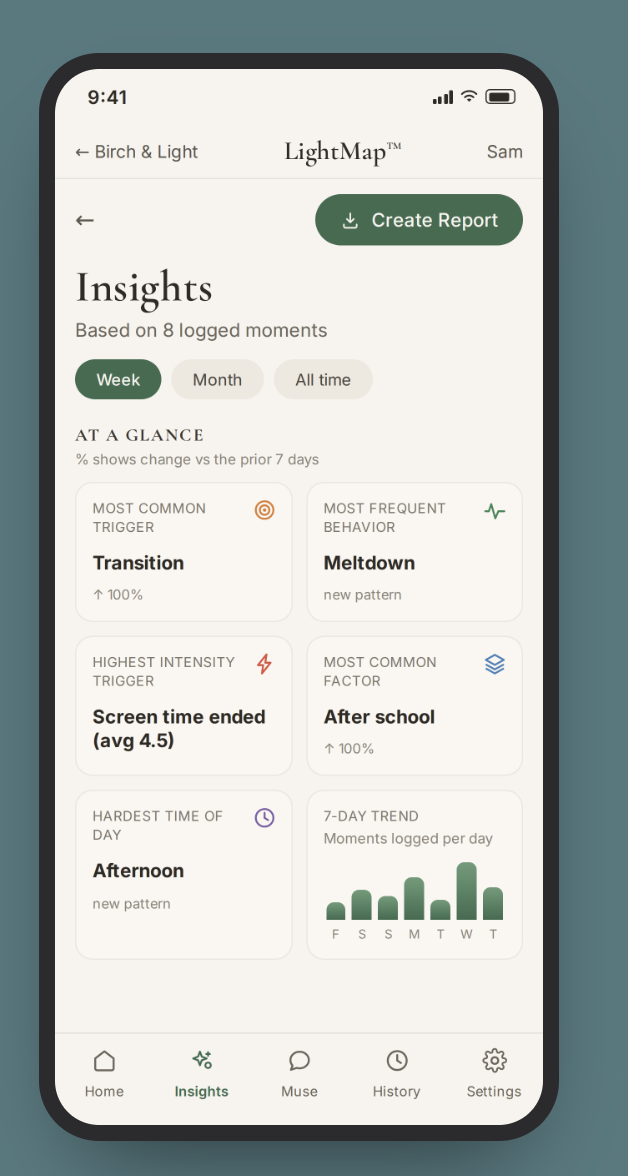

Part of the award-winning Birch & Light Method, honored with the Mom's Choice Gold Award for excellence in family resources.
A story to read together
Sometimes the easiest way in is a story you read side by side.
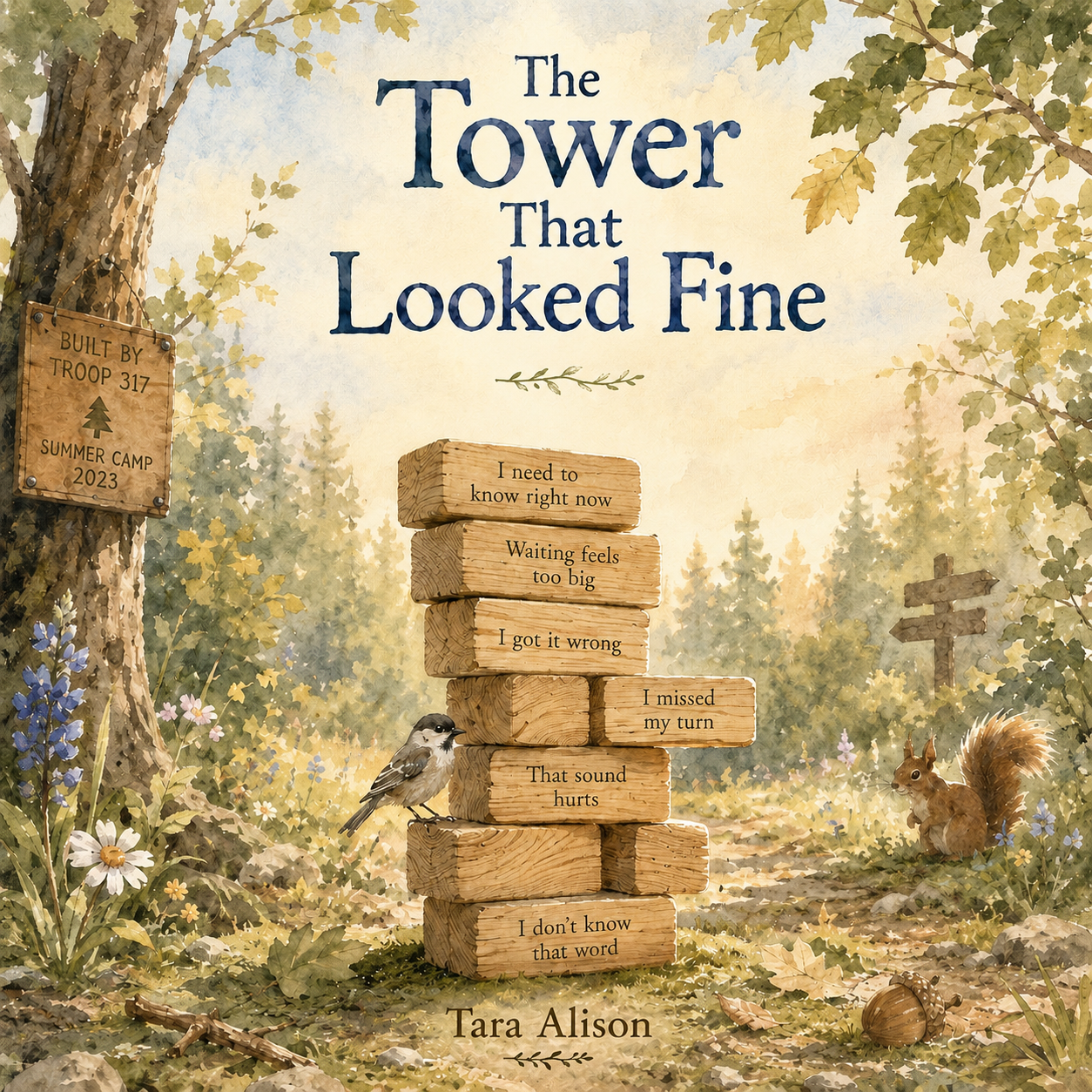 The Tower That Looked Fine
A tower in a quiet clearing tries to stay steady through every small thing nobody else seems to notice — until one tiny breath of wind causes her to fall, and a gentle hand begins to gather the blocks back.
Read the story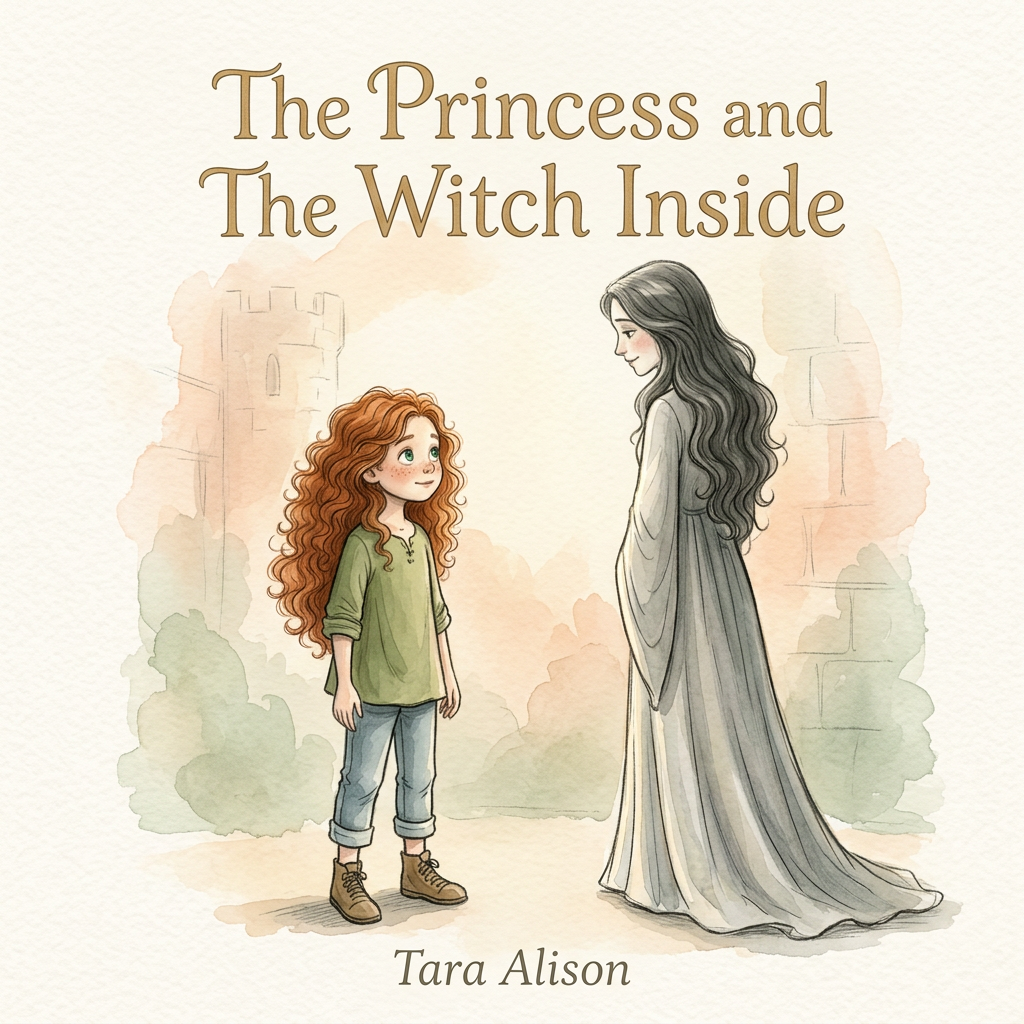 The Princess and the Witch Inside
Esme is loved, but a fast protective part keeps rushing in before she gets a turn. A quiet visitor helps her meet the witch inside — not as an enemy, but as a worried protector — and find her way back to the people she wanted to be with all along.
Read the story
If today was one of those days
A few more from the library, free to read.
Researched and drafted with AI assistance, reviewed before publication. Editorial standards