
You ask how their day was. They grunt. You try the casual question. They one-word it. You give up, swear you won't bring it up again, and then 90 minutes later they're telling you something real while you stand at the sink.
The connection you're looking for is real. It just doesn't come from the conversations adults plan. It comes from the conditions adults create.
Why direct connection rarely works with teens
A teen brain is doing two things at once: building an independent identity, and monitoring whether the people closest to them still see them clearly. Direct questions ("how was your day?", "what's wrong?", "can we talk?") read as both surveillance and pressure to perform. Most teens go quieter the harder you try.
Connection in adolescence works sideways. The teens who open up most are usually the ones whose parents seem the least desperate for them to.
What actually creates openings
- Side-by-side, not face-to-face. Driving. Walking. Cooking. Cleaning out a drawer. The hardest setup for a teen is eye contact at the kitchen table. The easiest is doing something else together.
- Late nights. Something about 10:30pm in a dim kitchen lowers the cost of saying the real thing. Don't fight bedtime when they finally start talking.
- Their world, on their terms. Watch the show. Listen to the song. Let them explain the meme. Curiosity about what they care about is connection, even if it never touches feelings.
- Food. Snacks on the counter you didn't make a production of. Meals that don't require sitting still. A drive-thru with no agenda.
- Repair, not perfect parenting. "I came in too hot earlier, sorry about that." That sentence does more for connection than ten planned conversations.
What tends to close the door
- "We need to talk." (Their nervous system braces before you start.)
- Big planned check-ins announced in advance
- Asking again after they've already said "I'm fine"
- Turning their share into your lecture
- Mentioning what they told you in front of someone else
- Performed cheerfulness that reads as a demand to be okay
Small rituals that gently hold the line
- A weekly drive somewhere — coffee, drive-thru, errand — with no agenda
- One shared show, even if you don't love it
- One meal a week that's actually relaxed, not rushed
- Saying goodnight without a question attached
- Texting them a song, a meme, a "thinking of you" with no follow-up needed
While you're here, take the guide
What's Underneath is free: the three body-state triggers under most meltdowns, what to say in the minute before it tips over, and how to reset afterward.
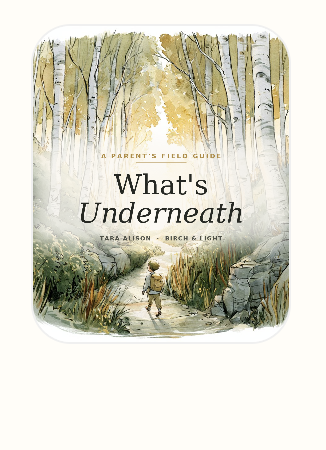
You'll get the guide instantly, plus five free articles in your inbox every week. Real challenges (meltdowns, school mornings, picky eating, big feelings) and how to actually handle them. Unsubscribe anytime.
What to do when they really go quiet
Some weeks the door is closed harder than usual. That's not a failure of connection — it's often a signal that something is heavy underneath. Stay close, lower the tempo, don't take it personally, and keep the small rituals running. They notice every one, even when they don't show it.
If the quiet lasts weeks and comes with flat affect, sleep changes, or hopelessness, it's worth a conversation with a therapist or pediatrician. A few weeks of LightMap data — what days were hardest, what came before — gives a clinician something concrete to start from.
The reframe most parents need to hear
You don't lose connection with a teenager. You change shape with them. The closeness that used to look like cuddles on the couch now looks like a five-second eye-roll that contains the whole relationship. Both count.
Related reading
Frequently asked questions
How do I connect with my teenager when they shut me out?
Start with proximity, not conversation. Be in the room without making them perform a chat. Most teens reopen sideways — in the car, late at night, while doing something else — not in the moment you choose.
What's the best time of day to talk to a teenager?
Late evening and side-by-side moments (driving, walking, cooking) tend to be when teens open up. Eye contact at the kitchen table after school is one of the hardest setups for them. Lower the stakes and they often start talking on their own.
Should I make my teenager talk about feelings?
No. Pressure to talk almost always backfires. What works is making it easy to talk — and making it equally fine not to. The teens who open up most are the ones whose parents aren't waiting for them to.
How can LightMap help me connect with my teen?
LightMap helps you see the patterns — when your teen tends to be most open, what kinds of days lead to shutdown, what's been hard for them this month. With that grounding, conversations land more accurately and you stop having to guess.
For your child: Mr. Rudy's Cheese Class is about strangers who come to learn cheese and end up connected, because hands busy and side by side does what sitting down to talk cannot.
Sources: Steinberg on adolescent identity development and autonomy (PMC); research on indirect and side-by-side communication with adolescents (PMC); Gottman's research on emotion coaching; research on adolescent disclosure to parents (PMC).
For education and reflection, not medical advice. Our terms
See what's underneath
Know which response actually works for your child
LightMap reads your hard days together and gives you answers. Start with one moment today.
Start with 3 moments Not sure where to start? Ask me.Message Tara on WhatsApp. It really is me, I read everything and will personally respond.Click here to message Tara →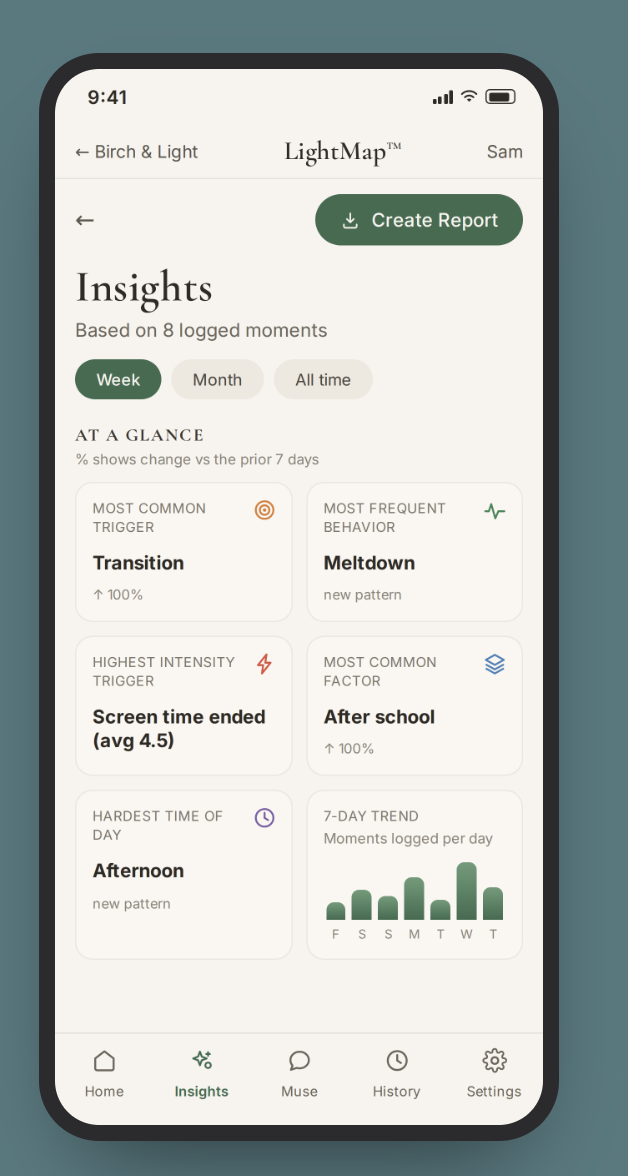

Part of the award-winning Birch & Light Method, honored with the Mom's Choice Gold Award for excellence in family resources.
A story to read together
Sometimes the easiest way in is a story you read side by side.
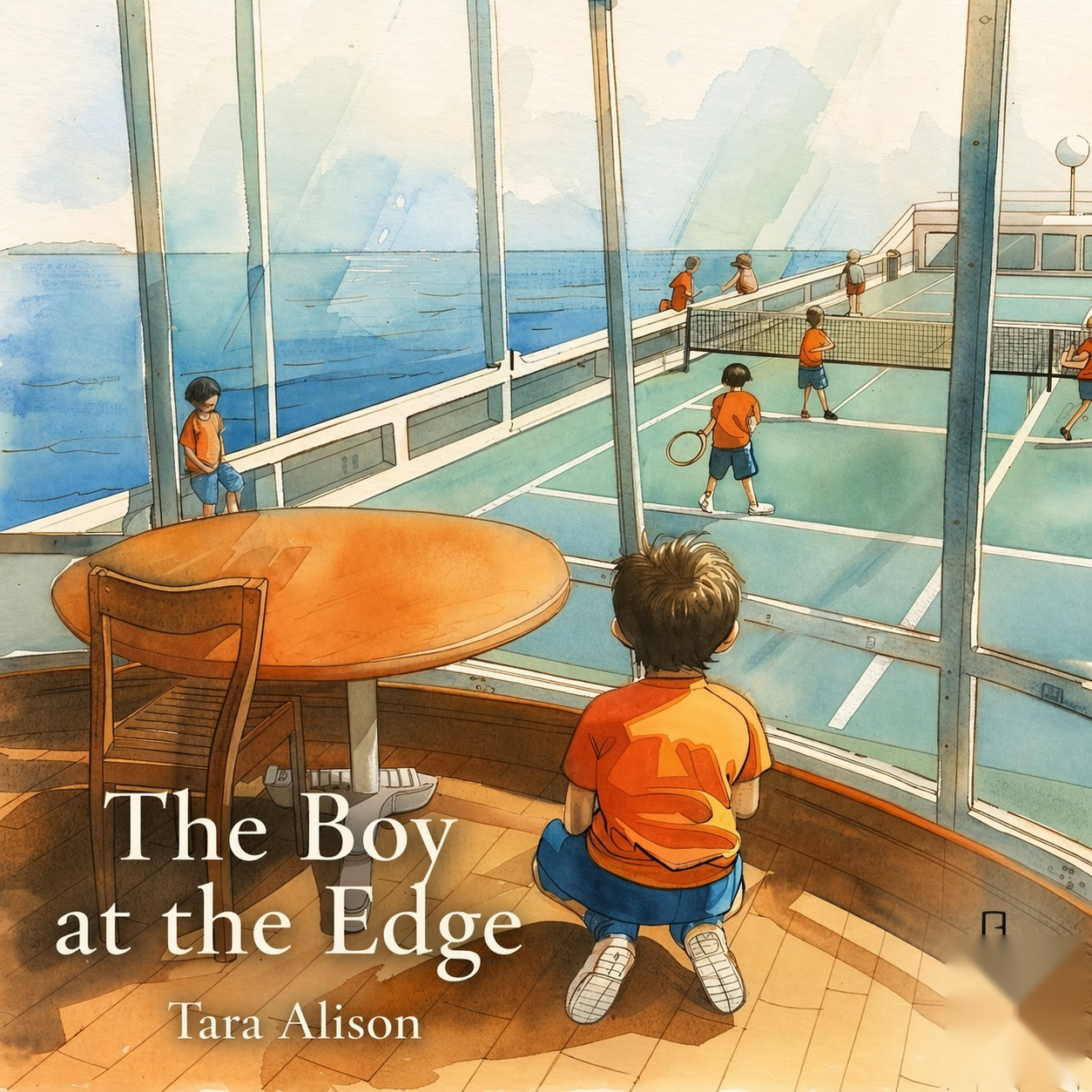 The Boy at the Edge
A boy finds calm by watching the world move from a window. When his stillness is mistaken for defiance, the moment escalates — and he learns that being calm doesn’t always protect you from being told no.
Read the story Little Bird
Little Bird used to fly everywhere. Then the forest started to feel too big — and a wise voice helps her see that her wings remember more than her worries do.
Read the story
If today was one of those days
A few more from the library, free to read.
Researched and drafted with AI assistance, reviewed before publication. Editorial standards