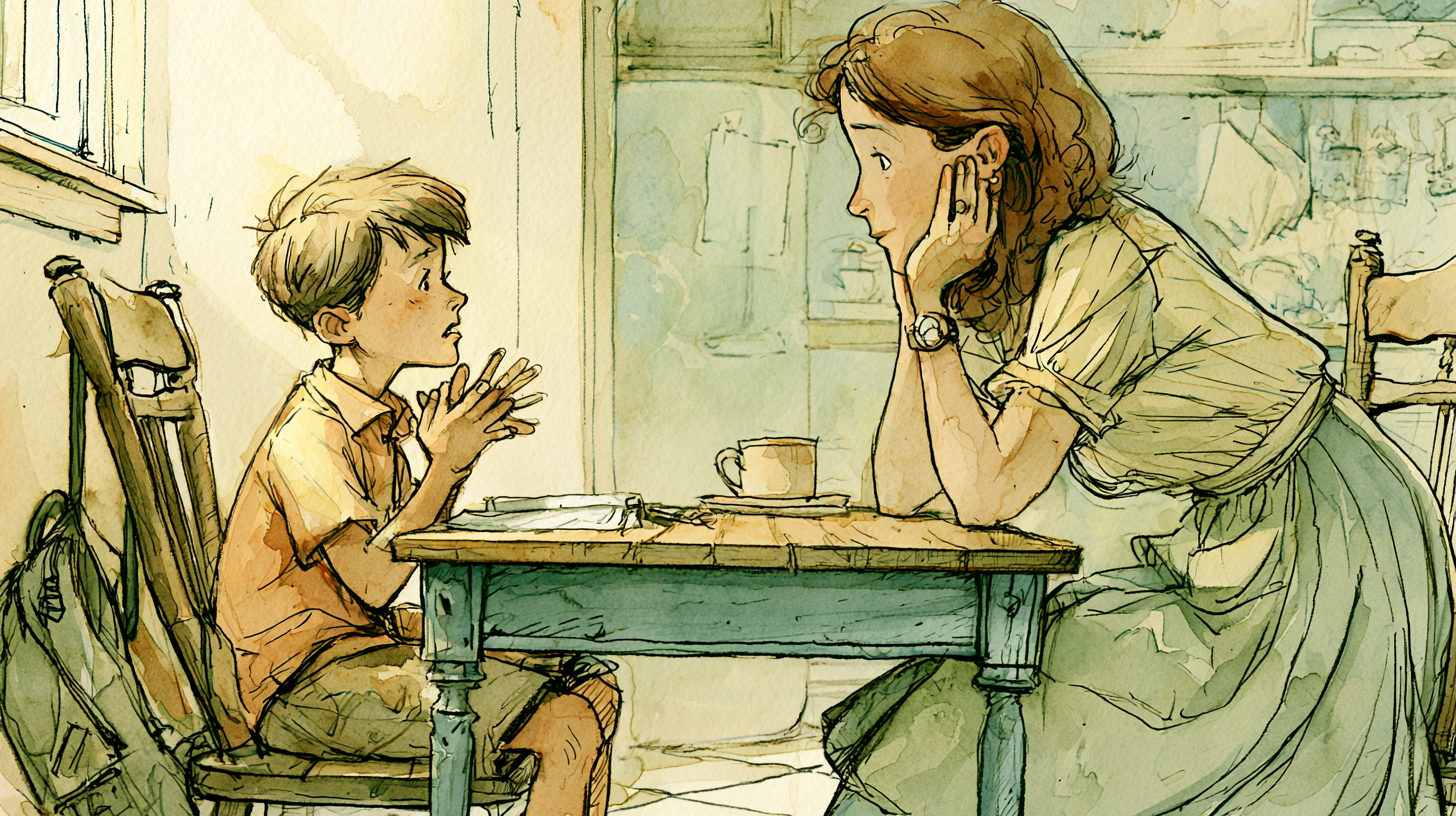
Someone hummed near his desk. Someone took the seat he always sits in. A classmate made a two-second joke that nobody else remembers, and he is still talking about it at dinner, wounded, certain it mattered, certain it was aimed. From the outside the math never works: tiny cause, enormous effect, every single day. And if you are a parent who is not built this way, who shakes things off in half an hour, the gap between your wiring and his can make you feel like you must be doing something wrong.
You are not. But there is a piece of the ADHD picture that almost nobody hands parents at diagnosis, and once you have it, most of this stops being mysterious.
ADHD is not just attention. It is volume.
The diagnostic checklist talks about focus, impulsivity, and movement, so that is what parents are told to expect. But researchers who study ADHD have argued for decades that difficulty regulating emotion is just as central as difficulty regulating attention. Same brain systems, same job: managing what gets through and how strongly. So feelings in ADHD tend to arrive the way distractions do, instantly, at full strength, and without the buffer that gives other people a beat to choose their response. Many kids with ADHD also carry an intense sensitivity to anything that smells like rejection or mockery. You may have seen the term rejection sensitive dysphoria; it is not a formal diagnosis, but the pattern it points at, rejection registering as genuine pain, out of proportion and instantly, is well documented in ADHD and will be instantly recognizable to half the parents reading this.
Here is the part that changes the parenting: the reaction is not a decision. By the time your child could theoretically choose not to let something bother him, it already fully bothers him. The feeling arrived at maximum before the choosing part of his brain got a vote.
Why "you have two choices" does not land
Teaching a child that he can let something ruin his day or let it go is not wrong as a destination. It is where we all hope our kids end up. The trouble is that as an instruction, it asks him to do the exact thing his brain is worst at on demand, and when he inevitably fails, he learns a second, quieter lesson: something is wrong with me, because everyone keeps telling me this is a choice and I cannot make it. The most sensitive kids convert that into shame remarkably fast, and shame makes the reactions bigger, not smaller.
What builds the skill is sequencing. Feelings this big have to be received before they can be regulated. That looks almost too simple: "That stung. Tell me what happened." Sixty seconds of being taken seriously, no fixing, no perspective offered yet. Big feelings that get received tend to move through; big feelings that get argued with dig in and defend themselves. Then, and only then, perspective has a chance: "Is this a today problem or an every-day problem? Size of the problem, size of the reaction, what do you think?" Same lesson you were teaching, different order, and the order is everything. Over hundreds of repetitions, received-then-reframed becomes something he can start doing internally. That is what resilience actually is at seven: not the absence of the wave, but a reliable way through it.
While you're here, take the guide
What's Underneath is free: the three body-state triggers under most meltdowns, what to say in the minute before it tips over, and how to reset afterward.

You'll get the guide instantly, plus five free articles in your inbox every week. Real challenges (meltdowns, school mornings, picky eating, big feelings) and how to actually handle them. Unsubscribe anytime.
The after-school download
If the ride home is a daily inventory of everything bad that happened, take heart: that ritual is not the problem, it is part of the solution. He held it together all day, which costs an ADHD nervous system a fortune, and you are the place the lid comes off. Kids who trust no one with the hard parts go quiet, and quiet is worse. You can shape the ritual so it does not eat the whole evening: hear the list fully once, receive it, then close it with something deliberate, best thing that happened, or what is for dinner, so the download has a beginning and an end. You are teaching that hard feelings get aired and then the day moves on, which is the two-choices lesson again, taught by structure instead of speech.
When other kids find the button
There is an uncomfortable social reality here: a child with visible, reliable, oversized reactions is interesting to certain classmates, and some will press the button just to watch it work. Telling him to ignore it rarely survives contact with a seven-year-old nervous system, and he has often already tried everything adults suggest: asking them to stop, walking away, telling the teacher. When he has done every right thing and the behavior continues, that is no longer his regulation problem to solve. It is worth a calm, specific conversation with the teacher, not "kids are bothering him" but "he has asked, disengaged, and reported, the behavior has continued and recruited others, and I need the adults to own it from here." Schools respond differently to that sentence. Meanwhile, the long game at home is the regulation work above, because the honest truth is that the button gets pressed less as it gets less spectacular, and it gets less spectacular through received feelings, not suppressed ones.
One more thing about the measuring stick
If you knew ADHD in another form first, a sibling, a parent, yourself, it is natural to compare, and the comparison will mislead you. ADHD is famously inconsistent between people: one kid seeks the chaos, another is flattened by it; one dishes it out, another absorbs every hit. Same diagnosis, opposite presentations, both real. Your child is not doing ADHD wrong, and neither did the person you knew. And the fact that you are out here at night reading about how to help him carry feelings you have never personally had? That is not a parent doing everything wrong. That is the whole job, done right.
Patterns shrink these mysteries fast: which days the little things land hardest, what came before, what helped him move through. LightMap makes the invisible load visible, for you and for anyone helping him at school.
For your child: The Tower That Looked Fine is about a block tower that wobbles a little at every small thing that lands on her, until one breath of wind knocks her over.
Sources: Shaw P, Stringaris A, Nigg J, Leibenluft E, "Emotion Dysregulation in Attention Deficit Hyperactivity Disorder," American Journal of Psychiatry, 2014;171(3):276-293, doi 10.1176/appi.ajp.2013.13070966; Barkley on emotional self-regulation as a core feature of ADHD; peer-reviewed research on rejection sensitivity and emotional intensity in ADHD (PMC; Journal of Attention Disorders).
For education and reflection, not medical advice. Our terms
See what's underneath
Walk into the next appointment with answers
LightMap reads your hard days together and gives you answers. Start with one moment today.
Start with 3 moments Not sure where to start? Ask me.Message Tara on WhatsApp. It really is me, I read everything and will personally respond.Click here to message Tara →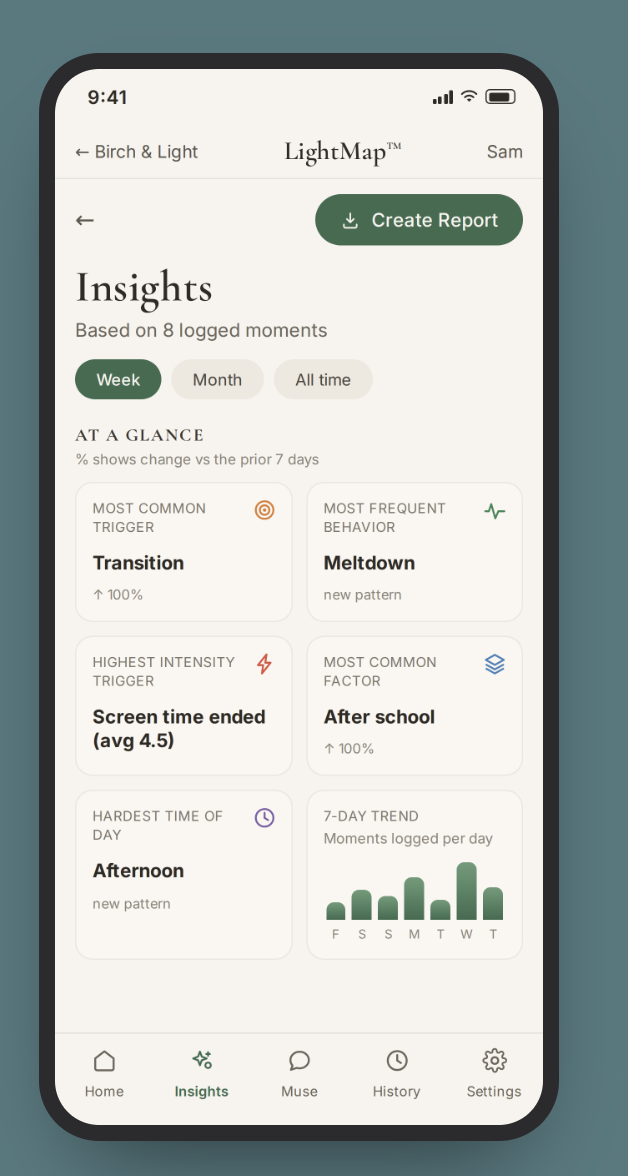

Part of the award-winning Birch & Light Method, honored with the Mom's Choice Gold Award for excellence in family resources.
A story to read together
Sometimes the easiest way in is a story you read side by side.
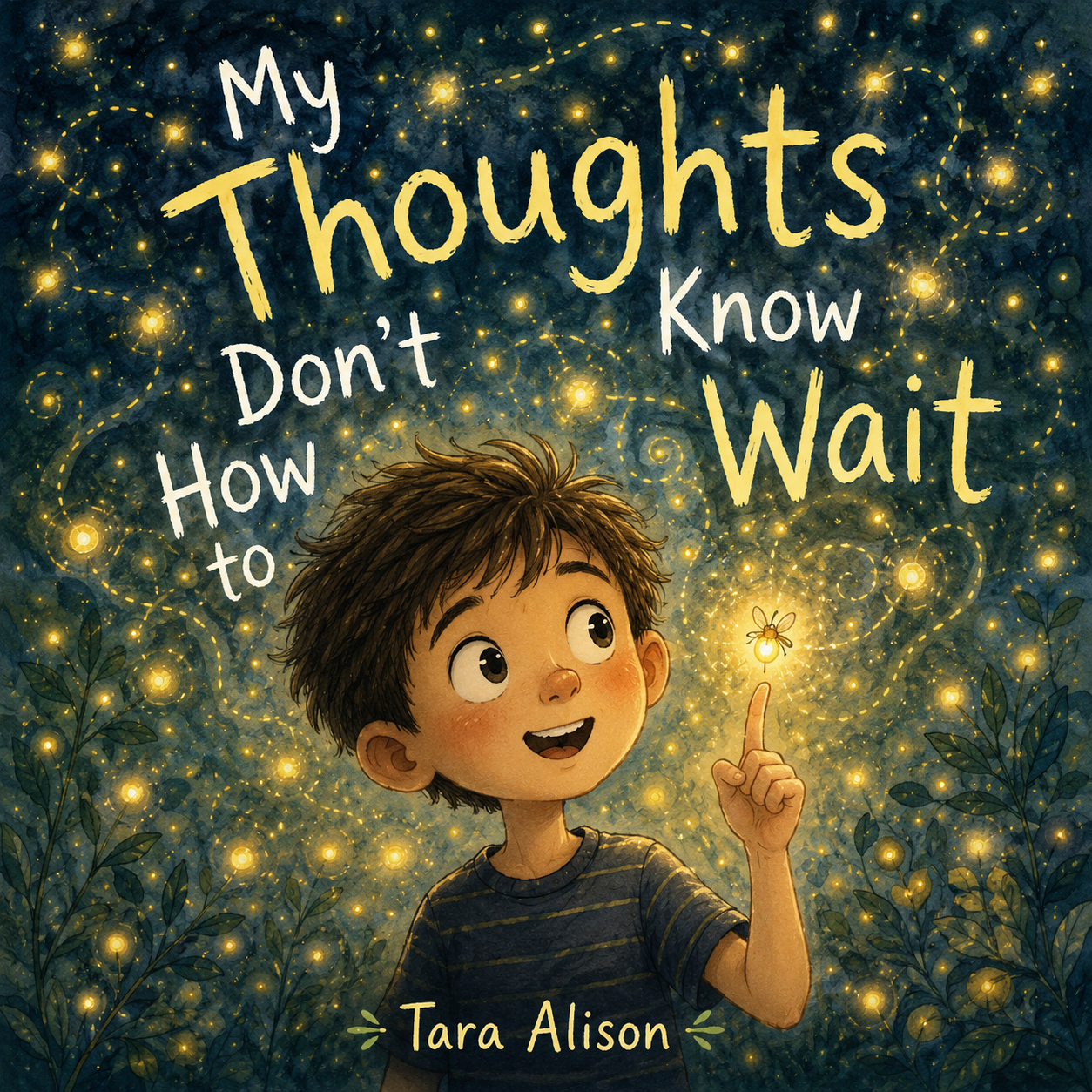 My Thoughts Don't Know How to Wait
Simon's thoughts arrive bright and fast — and feel like they will disappear if he doesn't say them right away. One quiet night beside fireflies, he discovers a small, surprising space between noticing a thought and chasing it.
Read the story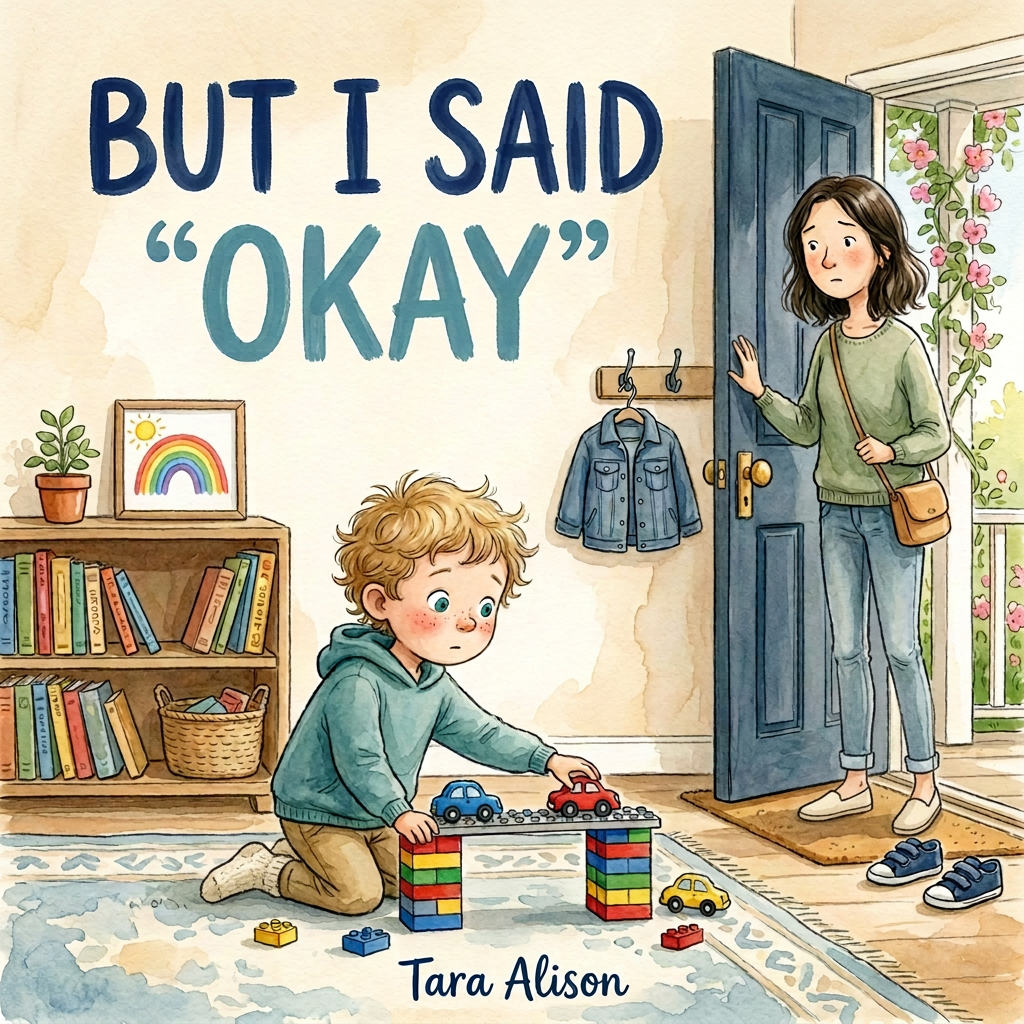 But I Said “Okay”
Owen always says okay. He means it every time. But his attention is still inside the bridge, the dragon, the cave, the music — until Mom realizes that helping him leave one thing matters more than asking him to start the next.
Read the story
If today was one of those days
A few more from the library, free to read.
Researched and drafted with AI assistance, reviewed before publication. Editorial standards