.jpg)
For some kids, it's the single hardest thing medicine asks of them. The needle, the chair, the tourniquet, the instruction to hold still while something sharp goes into their arm — and the complete impossibility, for a frightened child, of making their body do that calmly.
A blood draw asks a child to override every instinct they have. Stay still while you're hurt. Don't pull away from the thing causing pain. Let a stranger do it. For an anxious or neurodivergent kid, that can be close to unbearable, and the buildup can start days before you ever reach the lab.
If blood draws are a recurring nightmare in your family, here is what I want you to consider.
What this often looks like
- Intense anticipatory dread — sometimes for days — once a child knows a blood draw is coming.
- Full-body resistance at the lab: refusing to sit, pulling the arm away, bolting, or going rigid.
- A level of panic that can feel shocking, even to parents used to their child's anxiety.
- For some kids, a near-fainting response to needles or the sight of blood, which is a real physical reaction and not a behavioral one.
- Long recovery afterward, and deepened dread the next time, especially if a previous draw went badly.
Why it happens
A blood draw combines several distinct fears into one event. There's the pain — or the anticipation of pain, which the brain treats as nearly the same thing. There's the violation of bodily autonomy: something is being done to them, to the inside of their body, and they can't stop it. There's the requirement to hold still, which fights directly against every protective instinct telling them to get away. And for many kids, there's the needle itself, which carries an outsized, almost primal fear.
For a child who has had a hard blood draw before, the body remembers all of it. If a previous draw involved being held down, or took several painful attempts to find a vein, the next one isn't starting from neutral. It's starting from the memory of the worst time, and the child is bracing for that to happen again. This is part of why blood-draw fear so often gets worse over time rather than better — each bad experience raises the floor for the next.
It's also worth knowing that for some people, including children, the response to needles or blood includes a genuine physiological drop — lightheadedness, clamminess, even fainting. That's not the child being dramatic. It's a real reflex, and a child who has experienced it once may be frightened of the feeling itself, not just the needle.
What tends to help
- Tell the medical team in advance. Many labs and phlebotomists have ways to make this easier for an anxious child — numbing cream applied ahead of time, a butterfly needle, having the child lie down, a more experienced person doing the draw. But they can usually only offer these if they know in advance that your child struggles.
- Ask about numbing options. A topical numbing cream applied well before the appointment can take the edge off the pain, which for some kids removes the core of the fear. It's worth asking your provider whether this is available.
- Give back what control you can. Whether they watch or look away, which arm, whether they sit on your lap, what they hold, whether they count or get distracted. None of this changes the medical part, but it gives a child some agency in a situation defined by having none.
- Let them lie down if there's any fainting risk. If your child has ever gone lightheaded around needles or blood, lying down for the draw is a reasonable, common accommodation. Ask for it.
- Stay calm and present. Your steadiness matters more than your words here. A child borrows your nervous system; if you're visibly braced for catastrophe, theirs braces too.
While you're here, take the guide
What's Underneath is free: the three body-state triggers under most meltdowns, what to say in the minute before it tips over, and how to reset afterward.

You'll get the guide instantly, plus five free articles in your inbox every week. Real challenges (meltdowns, school mornings, picky eating, big feelings) and how to actually handle them. Unsubscribe anytime.
What tends not to help
"It's just a little pinch." For a child whose fear is this big, minimizing it tells them you don't understand what they're experiencing, and it can make them feel more alone with the terror. Honest acknowledgment — "this might hurt for a few seconds, and I'll be right here" — usually builds more trust than false reassurance.
Surprising them to skip the dread is also risky. While it's tempting to avoid days of anticipatory anxiety by not telling them, a child who gets ambushed with a blood draw learns that they can be tricked into frightening situations, which damages trust and makes them more vigilant about every future appointment.
And forcing through a traumatic draw — multiple held-down attempts, a panicking child — can do lasting harm to how they approach all medical care. Sometimes a draw genuinely has to happen, but if it's becoming a battle every time, that's a signal to change the approach, not to push harder.
When additional support may be needed
If blood-draw fear is severe enough that necessary lab work is being skipped or repeatedly failed, talk to your pediatrician. There are real options — numbing protocols, sedation in extreme cases, desensitization work with a child psychologist, or specialized pediatric phlebotomy — and you don't have to keep white-knuckling through traumatic attempts.
It's also worth seeking help if a specific past blood draw clearly traumatized your child — if the fear has the quality of reliving something rather than ordinary nervousness. A professional who works with children can help process that memory so it stops contaminating every future draw, and that work can genuinely change the trajectory.
Where LightMap helps
Blood-draw anxiety rarely stays contained to the lab. It can hijack the days before with dread and disrupted sleep, and leave a long tail of dysregulation afterward. The full cost is easy to underestimate because it's scattered around the actual event.
Seeing the whole arc across a week or two — the anticipation, the day itself, the recovery — helps you plan realistically, build in support before and after, and show a provider exactly how much a single draw costs your child. That documentation can also make the case for accommodations like numbing cream or a specialized approach next time.
Every behavior is a clue.
A single blood draw can cost a child far more than the moment itself — the pattern shows the whole arc. Explore LightMap at birchandlight.com/lightmap.
Frequently asked questions
Is there anything that actually reduces the pain of a blood draw?
For many kids, a topical numbing cream applied well before the draw makes a real difference, and for some, removing the pain removes most of the fear. A butterfly needle, an experienced pediatric phlebotomist, and good distraction can also help. Ask your provider what's available — most of these need to be arranged in advance.
My child almost faints during blood draws. Is that normal?
A drop in blood pressure around needles or blood — lightheadedness, clamminess, sometimes fainting — is a real physiological reflex that affects some children and adults. It isn't dramatic behavior. If your child has experienced it, having them lie down for the draw is a sensible, common accommodation, and worth requesting every time.
Should I warn my child ahead of time or not?
For most anxious kids, honest advance preparation works better than a surprise, even though watching the dread is hard. Being ambushed teaches a child they can be tricked into frightening situations, which erodes trust and heightens vigilance. How far ahead to tell them depends on your specific child, and that's worth paying attention to over time.
For your child: HT the Hot Dog is about a hot dog who cannot sleep for spiralling about everything that might happen, and then arrives somewhere none of it does.
Sources: Taddio et al., HELPinKIDS&Adults clinical practice guideline on reducing pain and fear during needle procedures (CMAJ); DSM-5-TR criteria for blood-injection-injury type specific phobia and the associated vasovagal response; peer-reviewed research on topical anesthetics for pediatric venipuncture (Cochrane; PMC); American Academy of Pediatrics guidance on pediatric procedural pain and distress.
For education and reflection, not medical advice. Our terms
See what's underneath
Find the trigger instead of chasing the fear
LightMap reads your hard days together and gives you answers. Start with one moment today.
Start with 3 moments Not sure where to start? Ask me.Message Tara on WhatsApp. It really is me, I read everything and will personally respond.Click here to message Tara →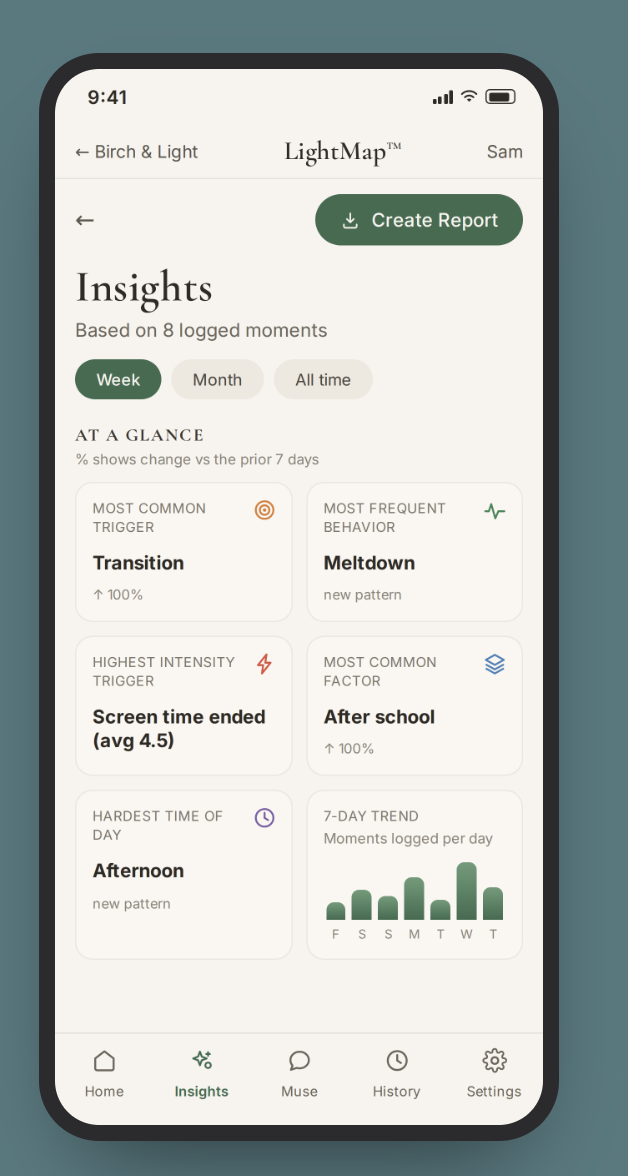

Part of the award-winning Birch & Light Method, honored with the Mom's Choice Gold Award for excellence in family resources.
A story to read together
Sometimes the easiest way in is a story you read side by side.
 Little Bird
Little Bird used to fly everywhere. Then the forest started to feel too big — and a wise voice helps her see that her wings remember more than her worries do.
Read the story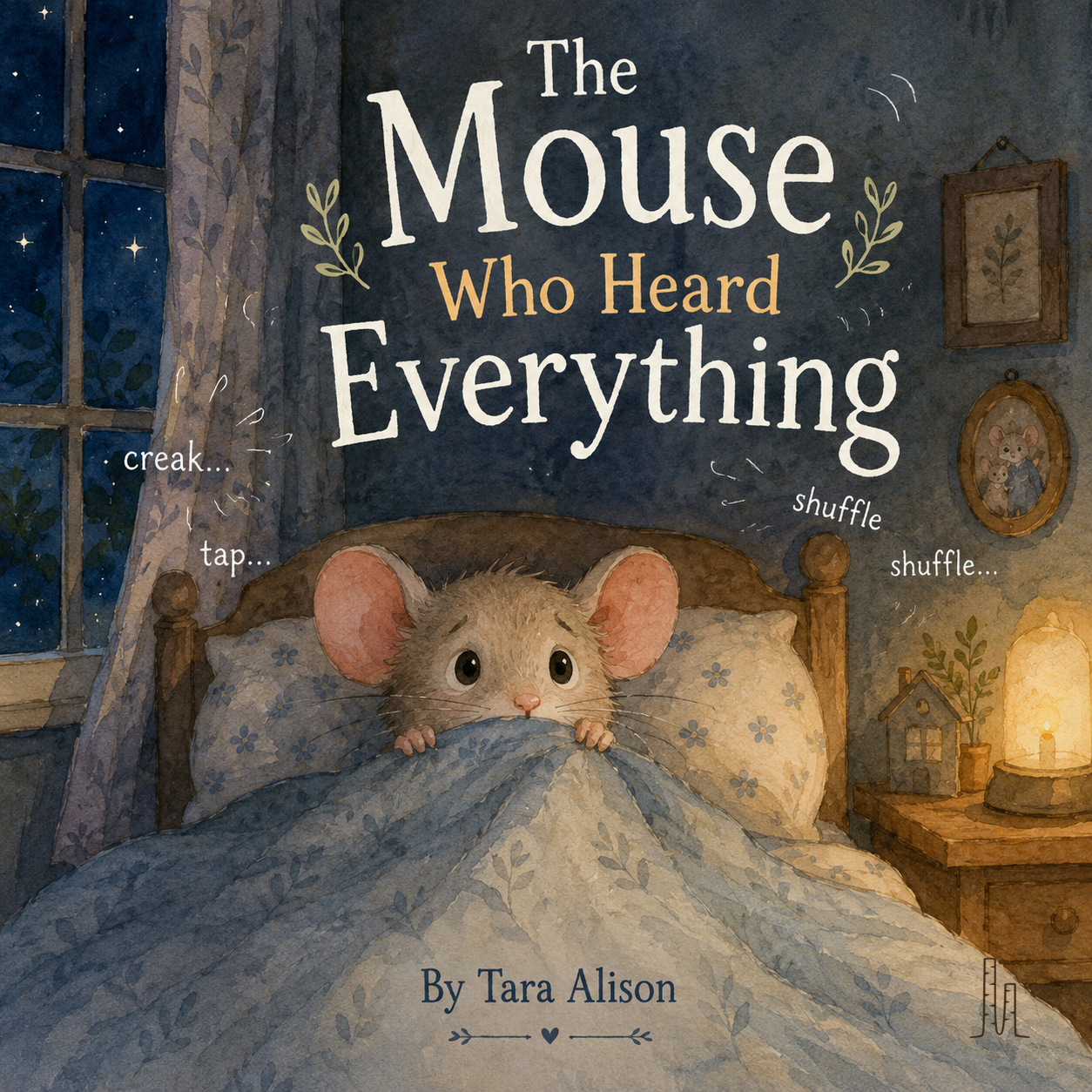 The Mouse Who Heard Everything
Mina Mouse hears every creak the old house makes at night. The story gently shows that her brain isn’t broken — it’s working overtime to keep her safe — and what changes when someone sits beside her in the dark.
Read the story
If today was one of those days
A few more from the library, free to read.
Researched and drafted with AI assistance, reviewed before publication. Editorial standards