
.png)
The birthday money was gone in a day. The thing he swore he would die without is under the bed, untouched, three weeks later. And tonight there is a new thing, wanted with the same total conviction, and he cannot hear a single word about saving because the wanting is so loud it fills the whole room.
If you have delivered the value-of-money speech forty times and watched it bounce off forty times, the problem is not your speech. It is that you are talking to the planning part of a brain while the wanting part has the microphone.
Wanting at full volume
ADHD brains run on interest and urgency. When something new appears, the brain's reward system lights up hard and fast, harder and faster than in most brains. That surge is not greed and it is not spoiled. It is neurology. The want arrives at full volume, right now, and it feels like need because in that moment, chemically, it is doing what need does.
Then there is the other half: fast brains discount the future steeply. Next month's bigger goal is an abstraction. The thing on the shelf is real, bright, and available. Asking a fast brain to choose the invisible future over the vivid present is asking it to fight its own wiring with willpower it has not grown yet.
And once the thing is owned, the newness chemical fades quickly. That is why the desperately needed toy goes under the bed. The wanting was real. It was just never about the object.
Why the lectures never land
Lectures about value, gratitude, and hard-earned money are aimed at the reflective brain. But the conversation always happens mid-want, when the reflective brain is offline and the reward system is driving. You are handing a spreadsheet to a kid on a roller coaster. Nothing is wrong with the spreadsheet. It is the timing and the format.
Worse, repeated lectures teach a quieter lesson: wanting things makes the grown-ups disappointed in me. The wanting does not stop. It just goes underground, and now it carries shame.
What works instead
Make the wanting visible instead of fighting it. A wish list on the fridge does something powerful: it honors the want without funding it. "That goes on the list" is a yes-shaped answer that costs nothing. Half the items fall off the list on their own within a week, which quietly teaches the biggest money lesson there is: most wants fade.
Add a cooling-off rule, not a no. Anything over a set amount waits three days on the list before it can be bought. You are not blocking the want. You are letting the chemistry settle so the decision happens after the surge instead of inside it.
Make saving visible and physical. Abstract balances mean nothing to a fast brain. Three clear jars, spend, save, give, or a chart he colors in toward a picture of the goal, turns the invisible future into something the reward system can see. Progress he can watch is dopamine on the side of patience.
Let small amounts fail safely. A kid who blows two dollars on a vending machine dud and feels the flat afterward learns more than ten speeches can teach. Small real losses now are cheap tuition. Protect the big stuff, let the little stuff teach.
Praise the waiting, by name. "You waited the three days and you still wanted it, so it was a good buy" builds the circuit you want. So does "you noticed the want faded." The skill is noticing what wanting does over time, and noticing is learnable.
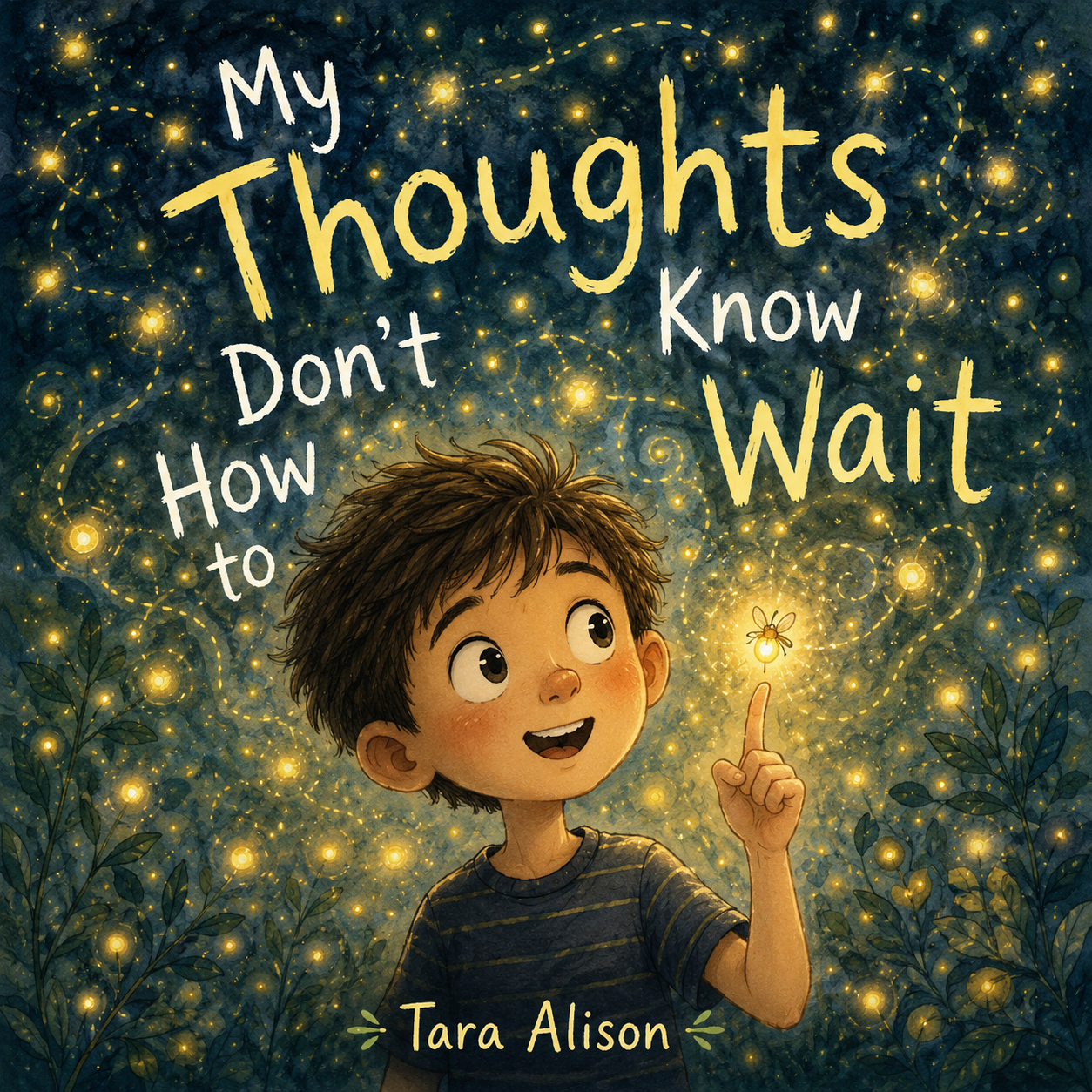
There's a story for this exact struggle
My Thoughts Don't Know How to Wait
Simon's thoughts arrive bright and fast — and feel like they will disappear if he doesn't say them right away. One quiet night beside fireflies, he discovers a small, surprising space between noticing a thought and chasing it.
Free to read. You'll also get five free articles a week. Unsubscribe anytime.
The reframe that changes the tone
Your child is not greedy. He has a brain that feels wanting at full volume and a skills gap around waiting, the same way another kid might have a skills gap around reading. Skills gaps close with practice, structure, and reps, not with character judgments. The day you stop treating the wanting as a moral problem is usually the day the money battles start shrinking, because he stops defending himself and starts practicing.
Put it into practice
Reading about these skills is step one. Building them works best through doing, and through play. Money and My Fast Brain is a printable workbook that turns planning, waiting, and finishing into missions kids actually want to do, with a page by page science section for the grown-up. It is $9, instant download, print at home.
Get the workbook, or find both fast brain workbooks in the bundle.
If you want to know whether the waiting is getting any easier, log the moments it comes up in LightMap and look again in a month.
Sources: Peer-reviewed research on delay discounting and impulsive choice in children with ADHD (PMC; Journal of Abnormal Child Psychology); Sonuga-Barke's delay aversion model; Volkow et al. on dopamine reward pathway differences in ADHD (JAMA); Barkley on the weakness of future-oriented thinking in ADHD.
For education and reflection, not medical advice. Our terms
See what's underneath
Walk into the next appointment with a pattern
LightMap turns scattered hard days into a pattern you can see. Start by logging one moment tonight.
Find out why it keeps happening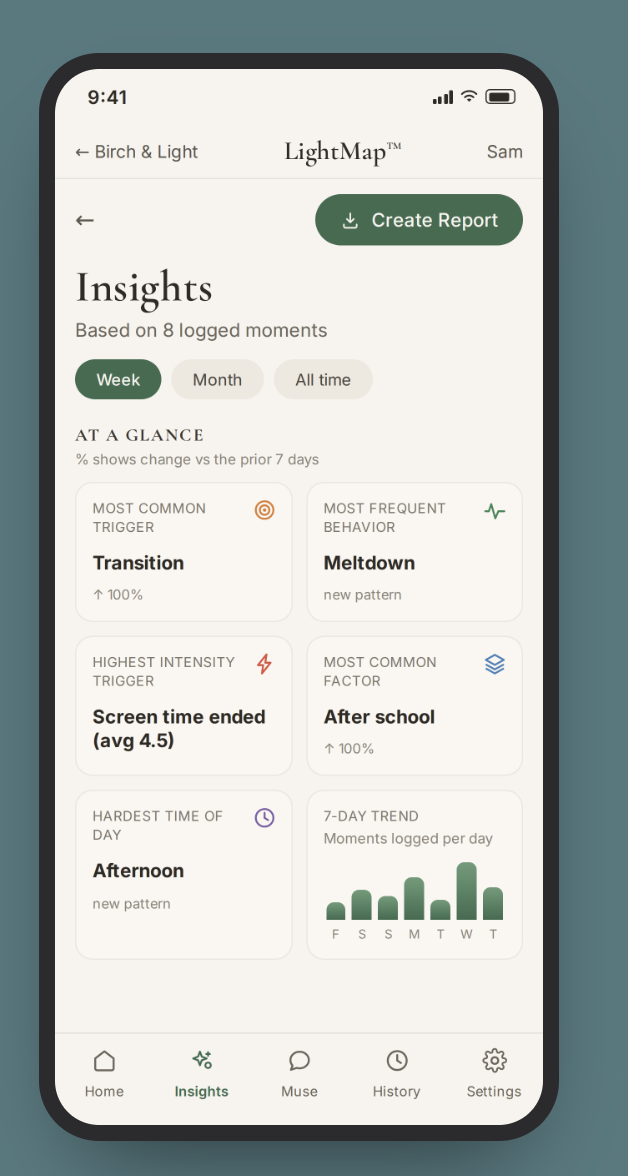

Part of the award-winning Birch & Light Method, honored with the Mom's Choice Gold Award for excellence in family resources.
Before you go, grab the free guide
The 3 body-state triggers under most meltdowns, a script for the 30 seconds before it tips over, and a reset for after. Free.
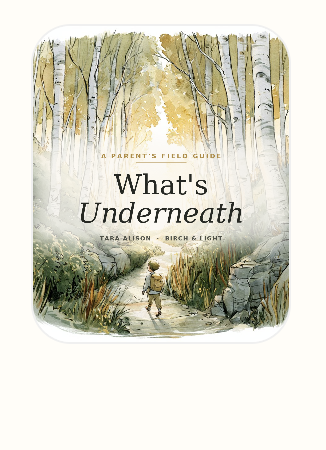
You'll get the guide instantly, plus five free articles in your inbox every week. Real challenges (meltdowns, school mornings, picky eating, big feelings) and how to actually handle them. Unsubscribe anytime.
A story to read together
Sometimes the easiest way in is a story you read side by side.
- My Thoughts Don't Know How to Wait
Simon's thoughts arrive bright and fast — and feel like they will disappear if he doesn't say them right away. One quiet night beside fireflies, he discovers a small, surprising space between noticing a thought and chasing it.
Read the story 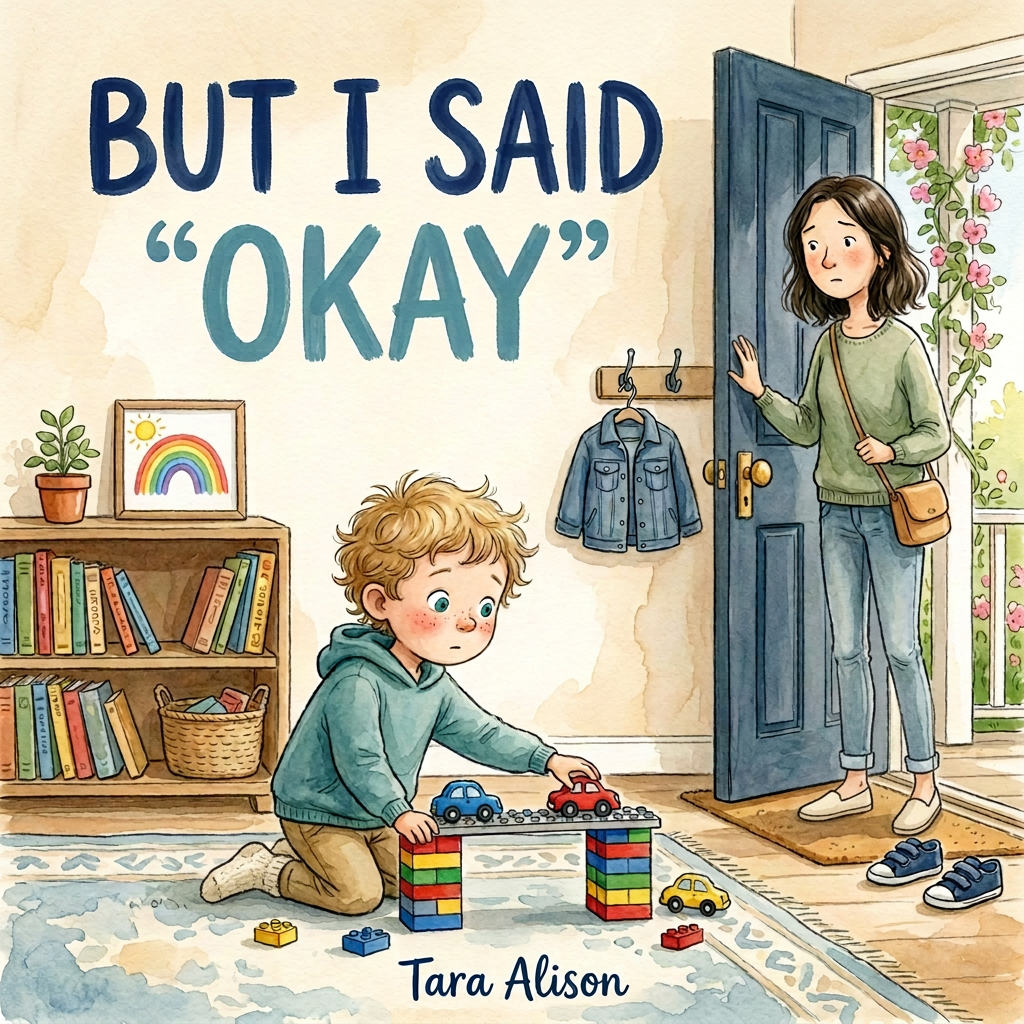 But I Said “Okay”
Owen always says okay. He means it every time. But his attention is still inside the bridge, the dragon, the cave, the music — until Mom realizes that helping him leave one thing matters more than asking him to start the next.
Read the story
Researched and drafted with AI assistance, reviewed before publication. Editorial standards