
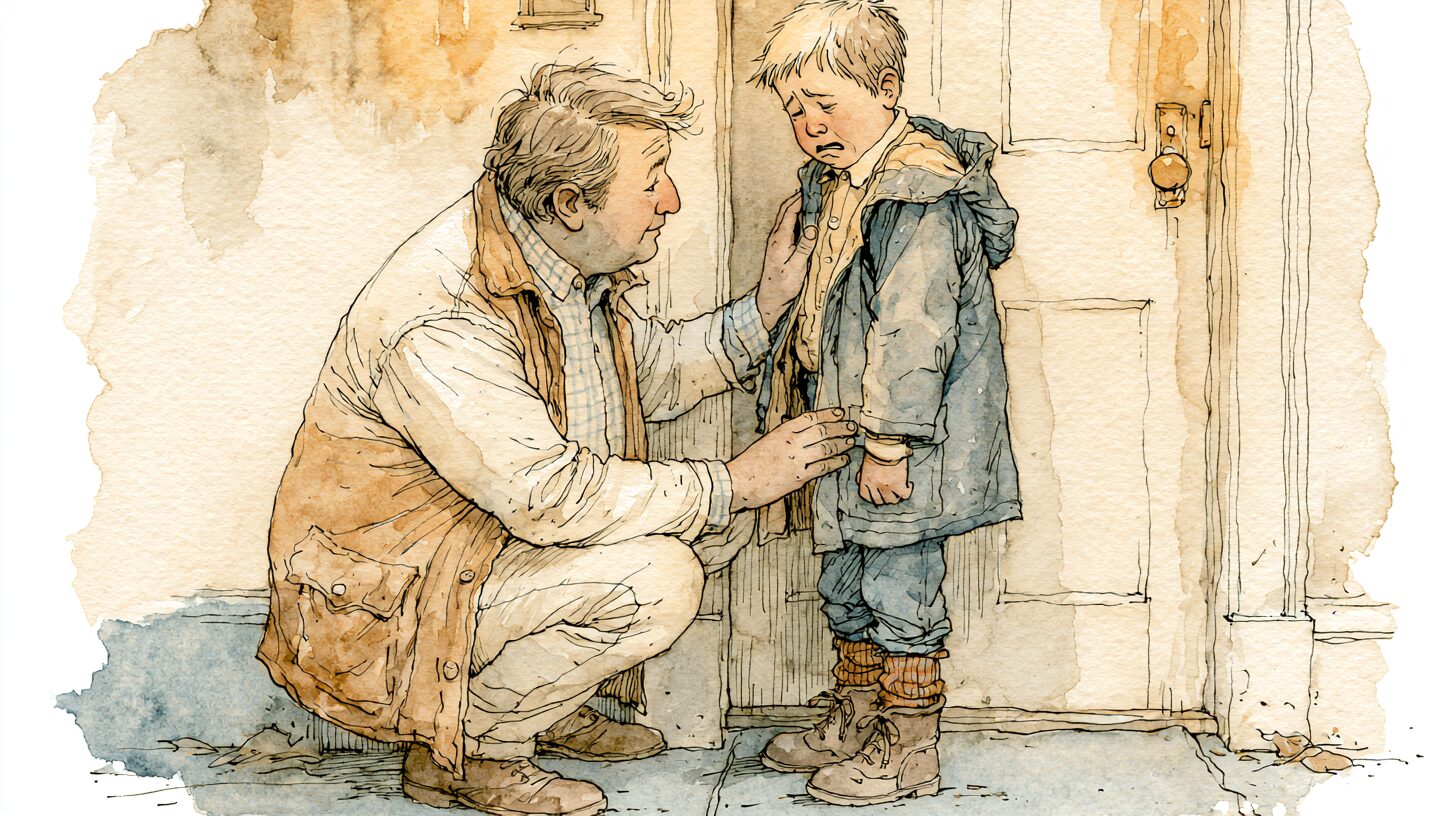
Your child looks you in the eye and tells you they did not do the thing you just watched them do. The crayon is in their hand. The cup is still dripping. And they say, calmly, that it was not them. It is one of the most disorienting moments of early parenting, because it feels like the beginning of something bigger. It feels like character. At five, with an impulsive brain, it almost never is.
What a lie actually is at this age
Telling a deliberate, strategic lie is a surprisingly advanced skill. It asks a child to hold the truth in mind, imagine a different version of events, predict how you will react to each one, and choose the story that serves them best, all in the second before they speak. That is a lot of executive function. It is the same set of brain systems that handle impulse control, planning, and stopping a behavior partway through. In a young child with ADHD, those systems are running years behind the birthday on the cake.
Tired of guessing what set your child off? Log tonight's moment in LightMap.
So when a five year old says the thing that is obviously not true, you are usually not watching a small manipulator at work. You are watching a brake that did not engage in time. The wish arrives first. I did not spill it. I did not hit her. I already brushed my teeth. The words come out riding the wish, before the slower part of the brain can raise its hand and say, wait, they saw you. This is why the lies are so small and so easy to catch. A calculating child would lie better. Your child is not calculating. Your child is reacting.
Why "why did you do that" goes nowhere
When you ask a young impulsive child why they lied, and they say I do not know, believe them. They are not stonewalling. The honest answer is that there was no plan to explain. The behavior came from underneath thought, and asking them to narrate it is like asking why they blinked. The question puts them on a witness stand they have no testimony for, and the pressure of that moment often produces a second layer of scrambling, which can look like even more lying.
This matters because the harder we press for a reason, the more we teach a child that these moments are dangerous. A child who feels cornered does not become more honest. They become more frightened, and frightened children reach for whatever gets them out of the room fastest, which is often another quick untrue thing.
The shame trap
Here is the piece that makes lying so loaded for parents. We carry a story that says a child who lies and is not corrected firmly will grow into an adult who lies. So we lean in hard, because it feels like we are protecting their future. But a young child does not experience a firm correction as a lesson about honesty. They experience it as a verdict about themselves. I am bad. I am the kind of kid who does the wrong thing. And shame, unlike guilt, does not make behavior better. Guilt says I did a bad thing and can fix it. Shame says I am a bad thing, and there is nothing to fix, so why try. A child sitting in shame is not learning to tell the truth. They are learning to hide better.
The children who grow into honest people are usually the ones who learned, early and often, that the truth was survivable. That telling it did not cost them your warmth. That is built in hundreds of small moments, not in one dramatic reckoning.
There's a story for this exact struggle
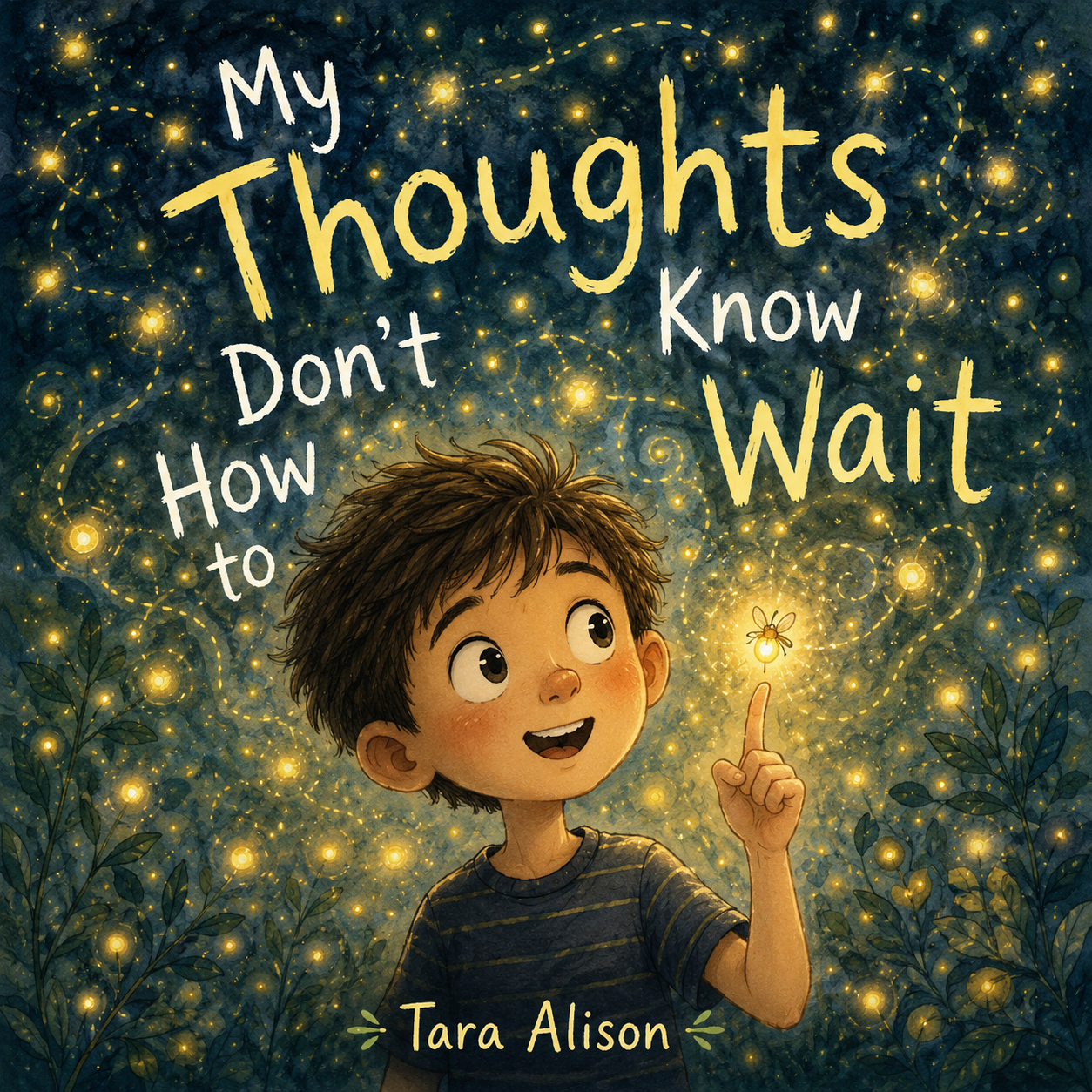
My Thoughts Don't Know How to Wait
Simon's thoughts arrive bright and fast — and feel like they will disappear if he doesn't say them right away. One quiet night beside fireflies, he discovers a small, surprising space between noticing a thought and chasing it.
Free to read. You'll also get five free articles a week. Unsubscribe anytime.
What actually helps
Lower the stakes of honesty. The instinct behind a safe way for a child to come to you when they are scared to tell you something is a good one, because it says the relationship is bigger than the mistake. Keep it simple and keep using it, and let it be genuinely consequence-light when they take you up on it. The point is to make truth the easy door, not the brave one.
Name what you saw without demanding a confession. Instead of did you do this, which invites the reflexive no, try I saw the cup spill. Let us clean it up together. You skip the interrogation entirely and go straight to the repair. The child is not forced to choose between admitting fault and lying, so the impulse to lie never gets triggered.
Separate the child from the behavior, out loud. You are a good kid who spilled something. You are a kind boy who grabbed the toy too fast. This is not soft. It is precise. It tells them the mistake is a thing they did, not a thing they are, which is the distinction that keeps shame from taking root.
Give the slow brain time to catch up. Sometimes the truest thing you can do is let a beat pass. The wish comes out first, but the honest correction often comes thirty seconds later, once the panic settles, if there is room for it. A child who is not being pressed will sometimes circle back on their own. Actually, it was me. That moment is gold, and it only happens when the first lie was not met with a wall.
The long view
A five year old telling small, transparent lies is doing something developmentally ordinary, made a little louder by a brain that acts before it plans. It is not a crack in their character. It is a stage, and the way through it is not to win each individual moment but to keep the truth safe enough that they keep bringing it to you. The goal is not a child who never lies. The goal is a child who is not afraid of you when they do.
The lying clusters around particular situations, and seeing which ones takes a record rather than a memory. LightMap lets you log them quietly, without making it a moment.
For your child: Theo's Invisible Backpack is about a young bear who starts collecting invisible stones when other animals tease him, adds more of his own over the years, and whose mother finally picks each one up asking who said that.
Sources: Talwar and Lee on the development of lie-telling in young children (Child Development); peer-reviewed research on working memory, inhibitory control, and executive function in ADHD (PMC); Barkley on behavioral inhibition; research on the developmental trajectory of honesty in early childhood (PMC).
For education and reflection, not medical advice. Our terms
See what's underneath
Walk into the next appointment with a pattern
LightMap turns scattered hard days into a pattern you can see. Start by logging one moment tonight.
Find out why it keeps happening

Part of the award-winning Birch & Light Method, honored with the Mom's Choice Gold Award for excellence in family resources.
Before you go, grab the free guide
The 3 body-state triggers under most meltdowns, a script for the 30 seconds before it tips over, and a reset for after. Free.

You'll get the guide instantly, plus five free articles in your inbox every week. Real challenges (meltdowns, school mornings, picky eating, big feelings) and how to actually handle them. Unsubscribe anytime.
A story to read together
Sometimes the easiest way in is a story you read side by side.
- My Thoughts Don't Know How to Wait
Simon's thoughts arrive bright and fast — and feel like they will disappear if he doesn't say them right away. One quiet night beside fireflies, he discovers a small, surprising space between noticing a thought and chasing it.
Read the story 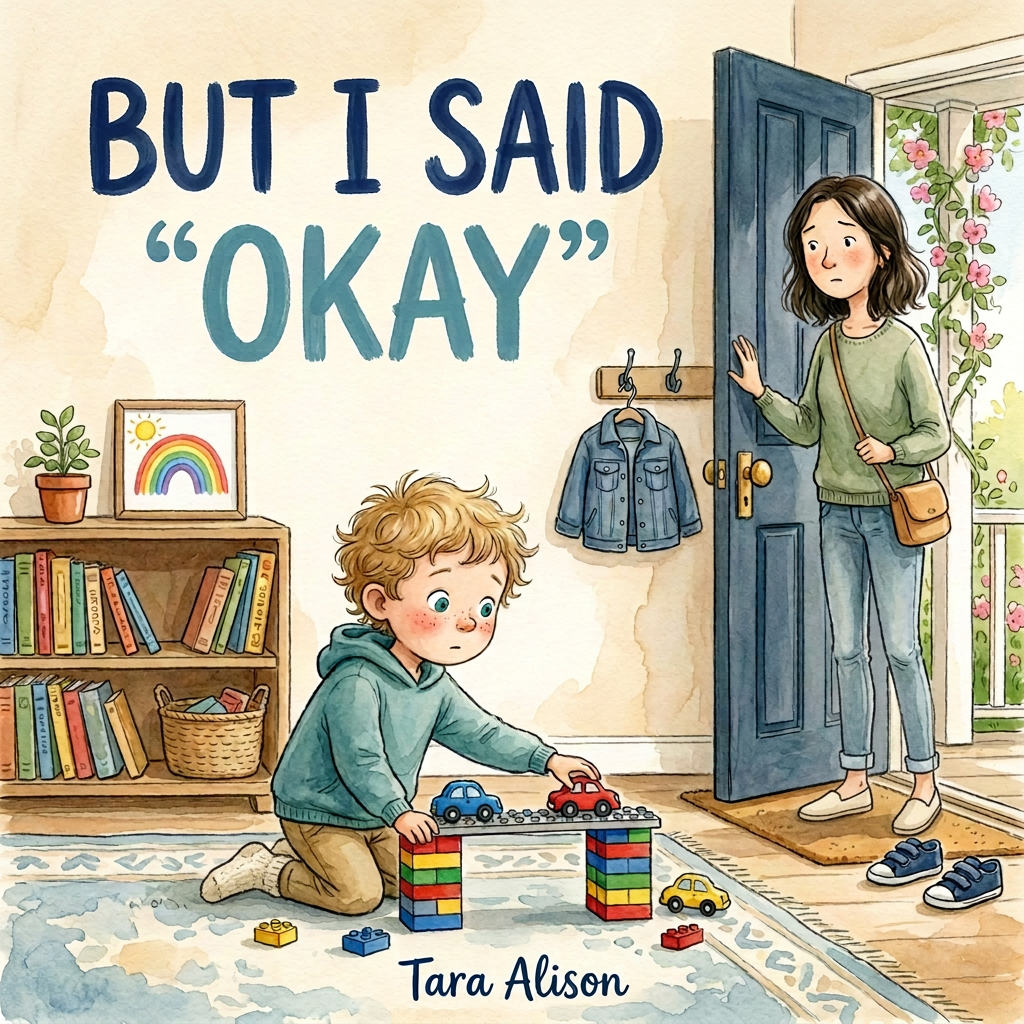 But I Said “Okay”
Owen always says okay. He means it every time. But his attention is still inside the bridge, the dragon, the cave, the music — until Mom realizes that helping him leave one thing matters more than asking him to start the next.
Read the story
Researched and drafted with AI assistance, reviewed before publication. Editorial standards