
It usually hits late at night, after the house is finally quiet. You replay it: the yelling, the tone you swore you would never use, the look on your child's face. And then the thought that guts you: maybe she is like this because of me. Maybe I am the reason. You lie there certain you are failing the person you love most, adding your own shame to the pile of an already impossibly hard day.
If that is where you are tonight, read this slowly, because it matters.
The guilt you feel is evidence you are a good parent
Start here, because it is the truest thing in this whole piece. The parent who lies awake sick with regret over losing their temper is, by definition, not the parent who does not care. Your remorse is not proof that you are harming your child. It is proof of the opposite: that you are a loving, attuned parent who holds a high standard and fell short of it once, while exhausted, while under a kind of sustained pressure most people never face.
Parents who actually damage their children are not up at midnight researching how to do better. You are. That single fact says more about you than any single moment of yelling ever could.
Losing it after hours of battle is human, not monstrous
Let us be honest about the conditions. When a small request becomes a multi-hour war, when you have stayed calm through the first hour and the second and the third, your nervous system is not a bottomless well. It floods too. Yelling, at that point, is not cruelty. It is a depleted human being hitting the end of their capacity after depleting it heroically.
This is not a permission slip to yell; nobody wants that to be the pattern. It is a reality check on the story that a moment of losing it makes you a bad parent. It makes you a person. A person who was running on empty and finally spilled, which is a very different thing from a person who does not love or try.
Why "am I the reason she's like this" is almost always no
The fear underneath the guilt is usually this: that your child's struggles are your fault, caused by your parenting. For a child with ADHD, autism, a demand-avoidant profile, or intense emotional wiring, this is almost never true. These are neurodevelopmental differences. They are how a brain is built, not a dent your parenting put in it. You did not cause your child's hard-wiring by being imperfect, any more than you could cause it by being perfect.
What your parenting does influence is not whether these traits exist, but how supported your child feels while living with them. And a parent worried enough to ask the question is, again, exactly the kind of parent who provides that support. The very worry is the caregiving.
While you're here, take the guide
What's Underneath is free: the three body-state triggers under most meltdowns, what to say in the minute before it tips over, and how to reset afterward.

You'll get the guide instantly, plus five free articles in your inbox every week. Real challenges (meltdowns, school mornings, picky eating, big feelings) and how to actually handle them. Unsubscribe anytime.
The repair is where the gold is
Here is the part that transforms a hard night into something genuinely valuable for your child. You cannot undo the yelling. What you can do is repair, and repair may be more powerful than never having ruptured at all.
When you go back to your child, calm, and say something like "I got really loud earlier and I'm sorry. I was frustrated, and yelling wasn't okay. That wasn't about you being bad," you are teaching a lesson most people never learn in childhood: that love survives conflict. That people who hurt each other can come back and mend it. That a rupture is not the end. A child who grows up seeing repair modeled learns that they, too, are allowed to mess up and return. That is not damage. That is one of the most important things you can give them.
Repair also quietly teaches your child what to do with their own big feelings and mistakes, far more than a calm lecture ever could, because they are watching you actually do it.
Breaking the shame spiral, for real
There is a trap worth naming: the guilt itself can make the next blowup more likely. A parent drowning in shame is a depleted parent, running with less patience and a shorter fuse, which sets up the next hard moment, which deepens the shame. The spiral feeds itself.
Stepping out of it is not about lowering your standards. It is about redirecting the energy you are spending on self-punishment toward the things that actually help: your own rest, your own support, your own refueling. A few things that break the cycle:
Repair, then genuinely let it go. Once you have made it right with your child, continuing to flog yourself serves no one and drains the reserves you need for tomorrow.
Get your own support. Parenting an intense child is a load that is not meant to be carried alone or on empty. A therapist, a partner, a friend who understands, these are not luxuries, they are maintenance.
Notice your own warning signs. Over time you can learn to feel your own flooding rising and build in an exit before the yell, stepping away for a moment when another adult can cover, naming out loud that you need a minute. Modeling that is a gift too.
Talk to yourself the way you would talk to a friend. You would never tell another exhausted parent they were ruining their kid for losing it once. Extend yourself the same grace.
The thing to hold onto
One hard night, even a string of them, does not define your parenting or determine your child's future. What defines it is the whole pattern: the love, the trying, the showing up, the repair. Your child does not need a parent who never falters. They need a parent who comes back, and by lying awake caring this much, you have already shown you are exactly that. For the practical side of staying regulated when it boils over, the safety plan for hard moments can help, and if it is the constant apologizing and feeling judged that is wearing you down, that piece is here too.
This is a tender thing to sit with, and if the guilt or exhaustion is starting to feel like too much to carry, talking with a professional or someone you trust can genuinely lighten it.
The hard evenings cluster, usually around sleep, hunger, or a stretch of the week that is quietly too full. Logging them in LightMap turns the guilt into something you can act on.
For education and reflection, not medical advice. Our terms
See what's underneath
Stop guessing what set it off
LightMap reads your hard days together and gives you answers. Start with one moment today.
Start with 3 moments Not sure where to start? Ask me.Message Tara on WhatsApp. It really is me, I read everything and will personally respond.Click here to message Tara →

Part of the award-winning Birch & Light Method, honored with the Mom's Choice Gold Award for excellence in family resources.
A story to read together
Sometimes the easiest way in is a story you read side by side.
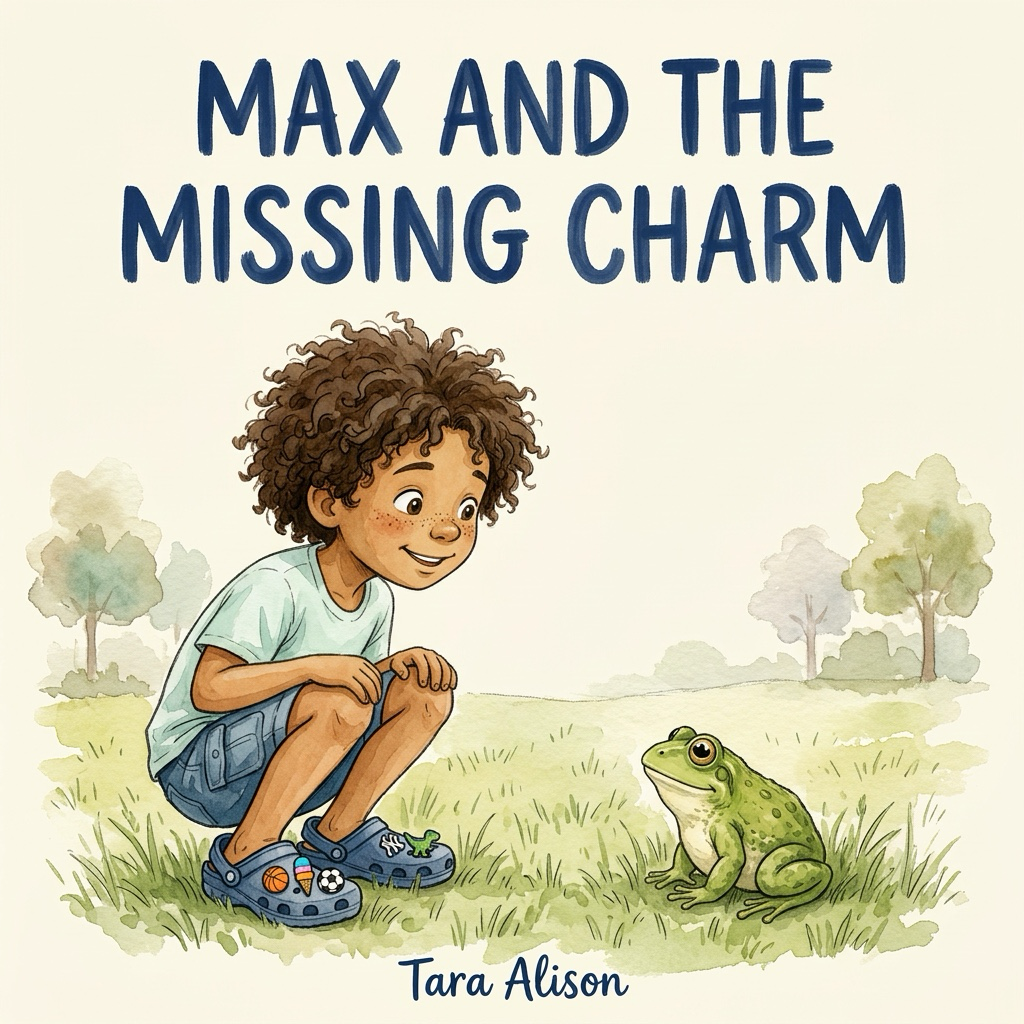 Max and the Missing Charm
A little boy loses his favorite croc charm at the creek — where it begins an unexpected journey of its own.
Read the story The Gingerbread Man Who Didn’t Expect Christmas
A carefully decorated gingerbread man expects to be a special gift — and finds himself becoming an ornament instead.
Read the story
If today was one of those days
A few more from the library, free to read.
Researched and drafted with AI assistance, reviewed before publication. Editorial standards