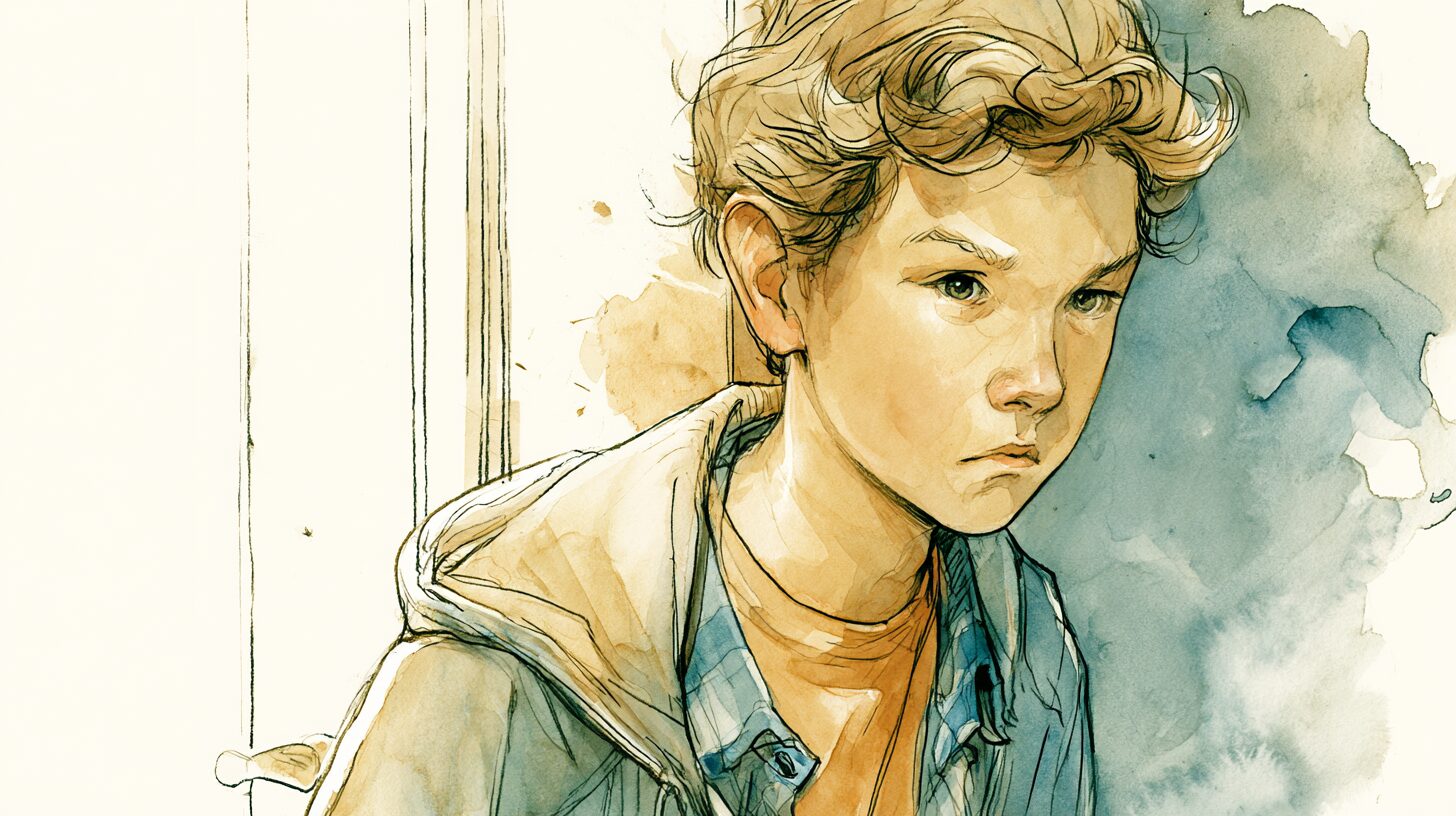
Defiance is a choice a teen is making, while overwhelm is a body that has run out of room. They can look the same, but defiance can argue its case and overwhelm stalls, goes flat, and recovers slowly. Meet defiance with a calm limit and overwhelm with less stimulation.
From the outside, they can look identical: flat eyes, short answers, refusal, escalation. From the inside, they are entirely different events — and they call for different responses.
Most parenting advice treats every "no" as the same kind of "no." It usually isn't.
The two states, in plain language
Defiance is a position. There is some sense of agency in it — even when the reasoning isn't great. The teen is choosing.
Overwhelm is a capacity issue. The choosing machinery isn't really online. The body has run out of room and the behavior is what's happening on the way out of it.
Both can be uncomfortable. Only one of them is something the teen has clear access to in the moment.
How can you tell which one it is in the room?
- Pace of the response. Overwhelm tends to be slower, flatter, or sharper-than-usual; defiance tends to have its normal cadence.
- Quality of the reasoning. Defiance can usually argue its position. Overwhelm tends to repeat or stall.
- Body cues. Tense shoulders, shallow breath, averted gaze, or a kind of frozen stillness usually signal overwhelm.
- Recovery time. Overwhelm needs longer to settle than the situation seems to warrant.
- Pattern. Does this tend to follow sleep loss, social stress, or sensory days? That usually points to overwhelm.
What does each one need from you?
If it's defiance
- A clear, calm limit, held without escalation.
- A real conversation later, when the heat is down.
- Curiosity about what the position is actually about, not only what it's against.
If it's overwhelm
- Less, not more. Fewer words, lower voice, more space.
- A way out of the current stimulation — a different room, the car, a walk.
- Address the behavior later, from a regulated place.
What happens when you get it backwards?
Treating overwhelm as defiance tends to escalate the moment and drive the next one underground. Treating defiance as overwhelm can read as inconsistent or evasive. Most parents err in the same direction over time; tracking helps you see which one.
While you're here, take the guide
What's Underneath is free: the three body-state triggers under most meltdowns, what to say in the minute before it tips over, and how to reset afterward.

You'll get the guide instantly, plus five free articles in your inbox every week. Real challenges (meltdowns, school mornings, picky eating, big feelings) and how to actually handle them. Unsubscribe anytime.
Why the same request gets different answers on different days
The brain systems that handle planning and impulse control are sensitive to stress. Research on how stress signaling affects the prefrontal cortex shows these systems can lose function under heavy load, and a study of children whose sleep was restricted found more emotional lability and impulsivity. That is why the same request can get a reasoned answer on a rested Saturday and a shutdown on a Thursday after a short night.
After the moment passes
Once everyone is calm, usually later that day or the next morning, talk about it side by side instead of face to face. Ask what the moment felt like from the inside before you ask why it happened. A teen who can explain the refusal was often defying. A teen who shrugs or says they do not know was often overwhelmed.
Then agree on one small thing that helps next time, such as a signal for needing space, a place to retreat to, or a warning before a hard transition. Keep the plan small. A plan with one step gets used, and a plan with six gets forgotten the first time things get loud.
What patterns help you see
A few weeks of light logging in LightMap usually clarifies the picture: this teen tends to flip into overwhelm on Tuesdays, after a particular class, when sleep dips below a certain hour. With that visible, in-the-moment reads get much easier.
Related
Frequently asked questions
What does overwhelm look like when it's dressed up as defiance?
Often: short answers, flat tone, refusal that lacks the usual heat, sudden 'I don't care' energy, or escalation that feels disproportionate to what was asked. Defiance with a real edge tends to have more articulated reasoning behind it.
Does it matter which one it is in the moment?
Yes. Defiance often needs a clear, calm limit. Overwhelm usually needs less stimulation and more time. Treating overwhelm as defiance tends to escalate things; treating defiance as overwhelm can read as inconsistent. The clue is usually in the body, not the words.
How do I respond if I genuinely can't tell?
Default to lowering the temperature first. You can address the behavior later from a calmer place; you can rarely reach a teen who's overwhelmed by raising the intensity. If it turns out to have been defiance, you've lost nothing. If it was overwhelm, you've prevented a meltdown or shutdown.
Where does LightMap come in?
Logging a few weeks of these moments — what came before, what helped, what didn't — usually shows a clear pattern: this teen tends to flip into overwhelm under sleep loss, after social stress, on certain days. That makes the in-the-moment read much easier.
Sources: Arnsten AFT. Stress signalling pathways that impair prefrontal cortex structure and function. Nature Reviews Neuroscience. 2009, 10(6), 410-422. doi 10.1038/nrn2648. Gruber R, Cassoff J, Frenette S, Wiebe S, Carrier J. Impact of sleep extension and restriction on children's emotional lability and impulsivity. Pediatrics. 2012, 130(5), e1155-e1161. doi 10.1542/peds.2012-0564.
For education and reflection, not medical advice. Our terms
See what's underneath
Next time, you will know what set it off
LightMap reads your hard days together and gives you answers. Start with one moment today.
Start with 3 moments Not sure where to start? Ask me.Message Tara on WhatsApp. It really is me, I read everything and will personally respond.Click here to message Tara →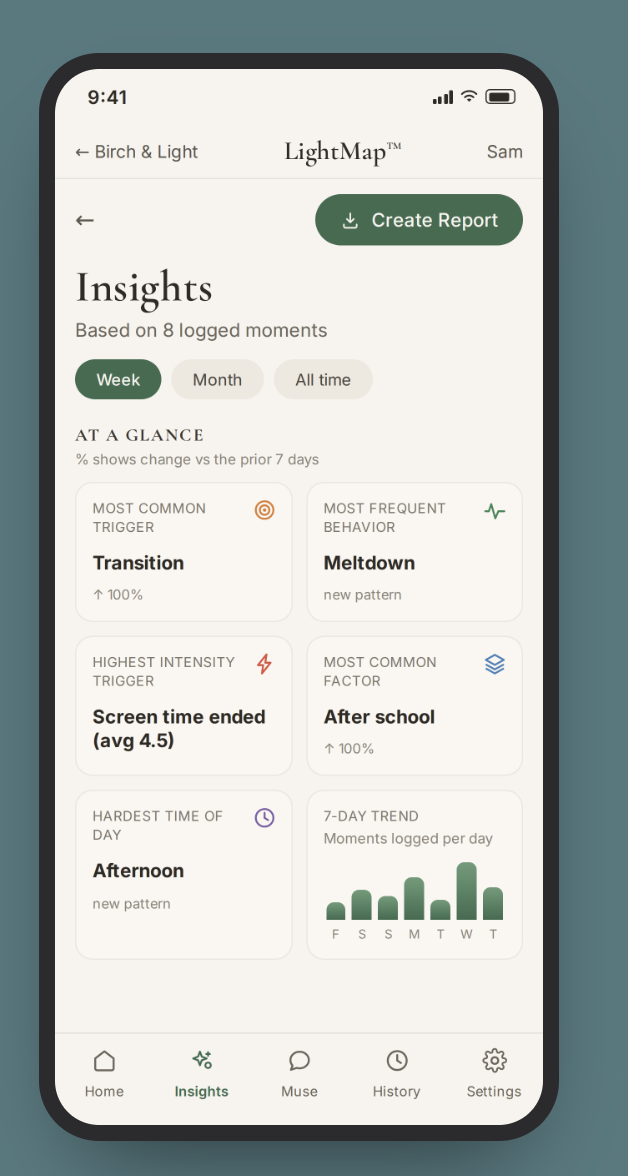

Part of the award-winning Birch & Light Method, honored with the Mom's Choice Gold Award for excellence in family resources.
A story to read together
Sometimes the easiest way in is a story you read side by side.
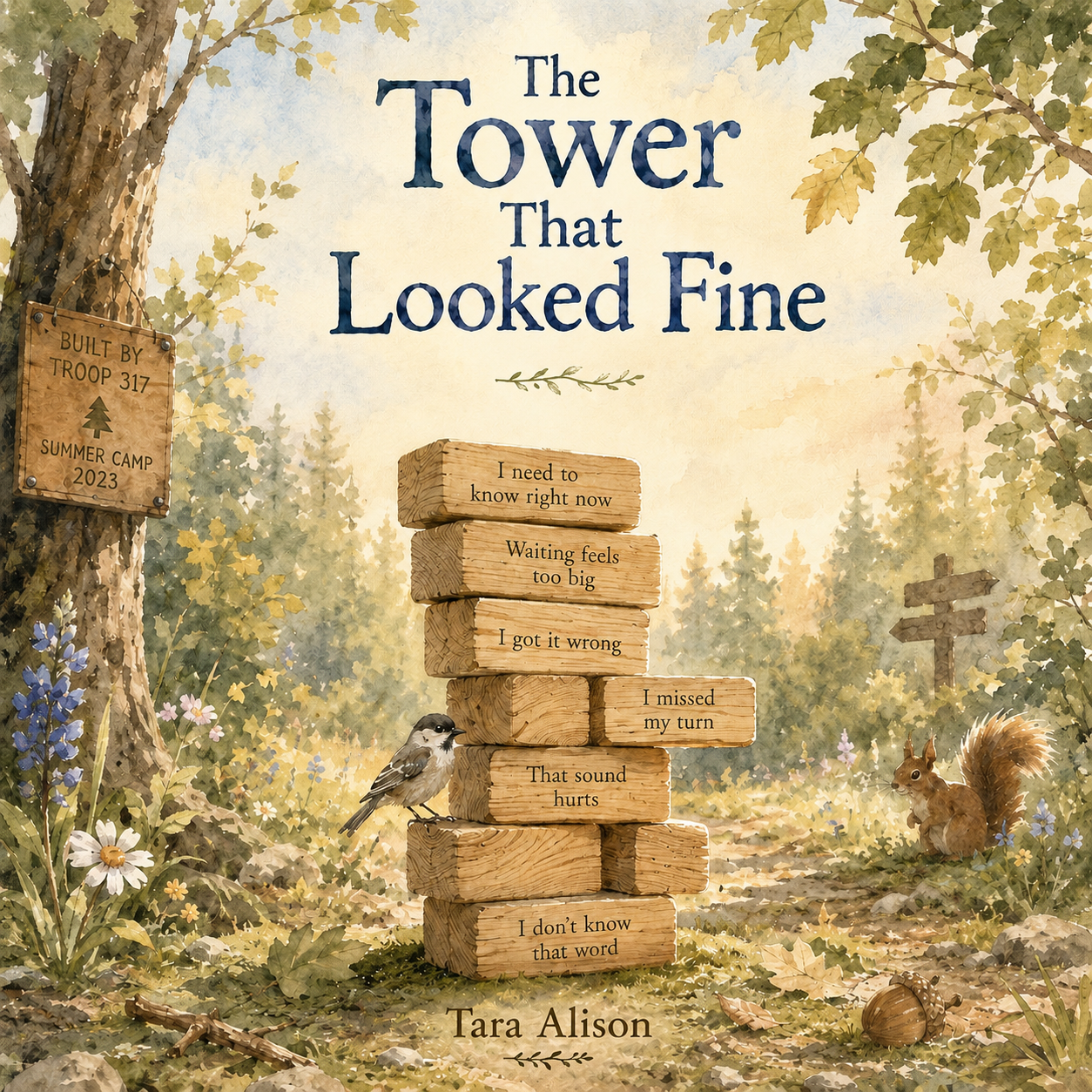 The Tower That Looked Fine
A tower in a quiet clearing tries to stay steady through every small thing nobody else seems to notice — until one tiny breath of wind causes her to fall, and a gentle hand begins to gather the blocks back.
Read the story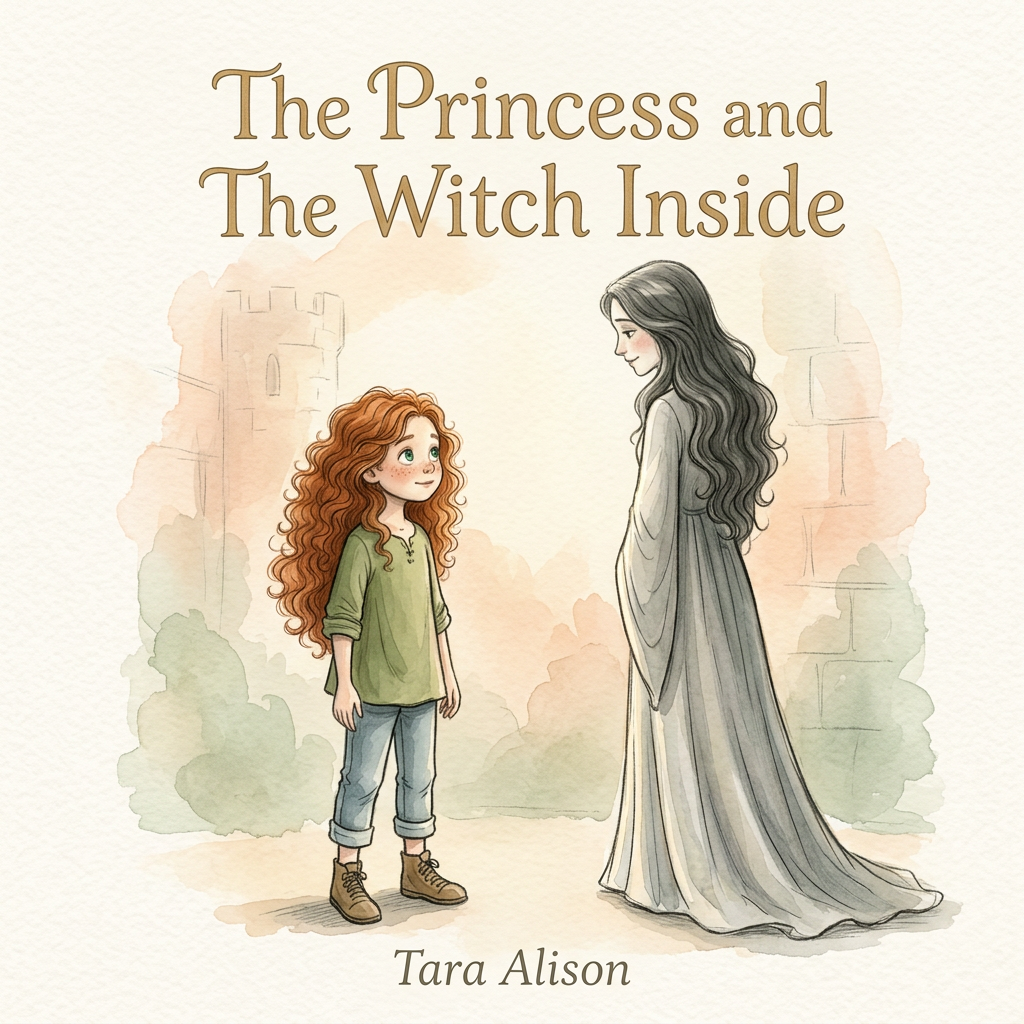 The Princess and the Witch Inside
Esme is loved, but a fast protective part keeps rushing in before she gets a turn. A quiet visitor helps her meet the witch inside — not as an enemy, but as a worried protector — and find her way back to the people she wanted to be with all along.
Read the story
If today was one of those days
A few more from the library, free to read.
Researched and drafted with AI assistance, reviewed before publication. Editorial standards