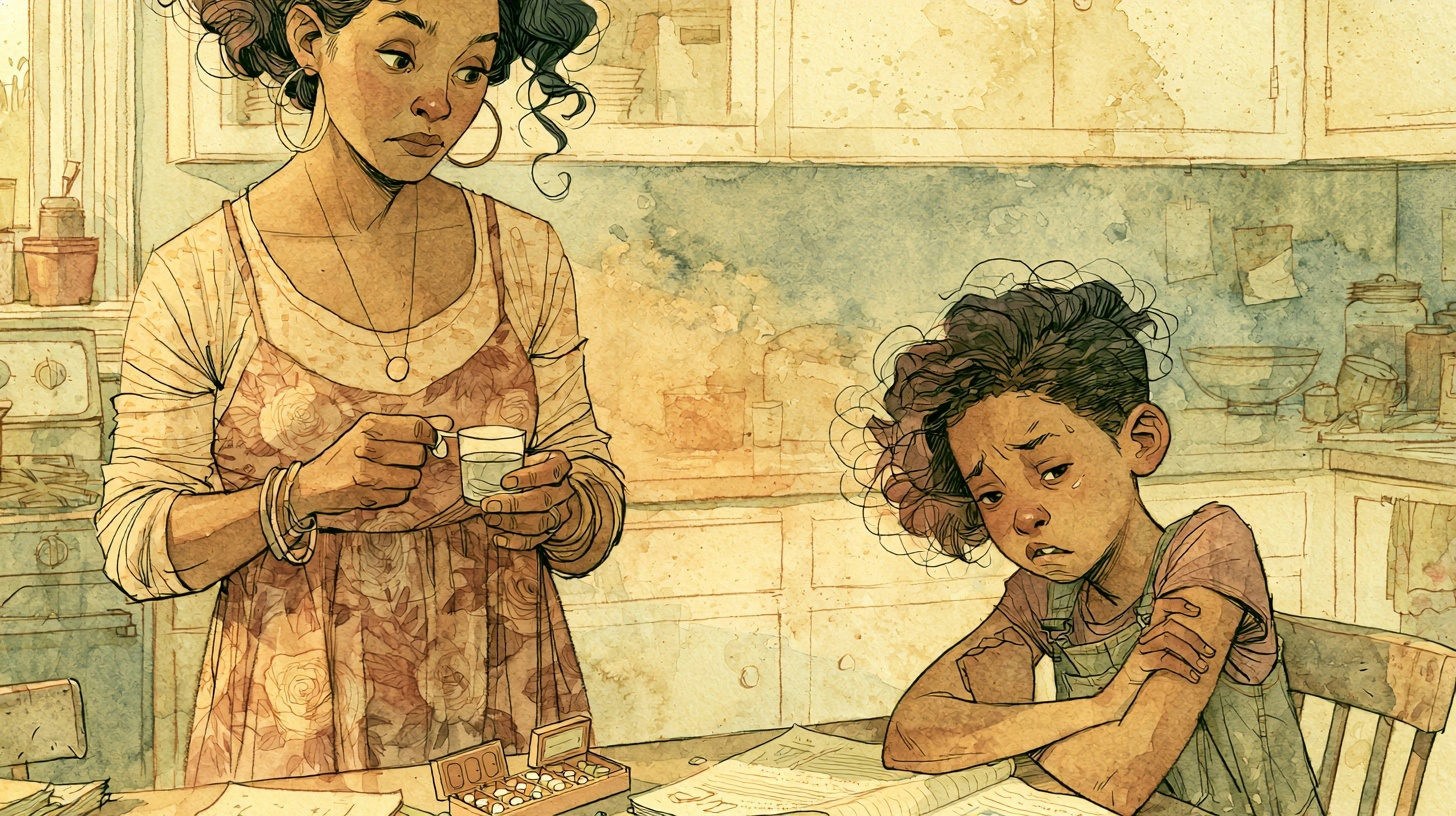
The storm itself is bad enough: the screaming, the thrown things, words that would horrify him in daylight, sometimes hands. But the part that keeps parents up afterward is the conversation that follows. He apologizes, and it seems real. Then you ask him to say what he is sorry for, because you want him to own it, and he tells you he does not remember. Maybe he offers a fragment or two, but the worst of it, the thing he called you, the moment he hit you, is gone. And now you are stuck with an impossible question: is he telling the truth, or dodging?
Here is the honest answer, and it changes what to do next: probably both, and the ratio matters less than you think.
Rage genuinely scrambles the recording
A full-tilt meltdown is not a behavior happening on top of a calm brain. It is a nervous system in emergency mode. When the alarm system takes over, the thinking brain, including the machinery that files experience into orderly, retrievable memory, goes partially offline. Attention narrows to a tunnel. What gets recorded is fragmentary: the feeling, a few flashes, rarely the sequence, and often not the specific words. This is why adults who have experienced true fight-or-flight moments describe them the same way, in pieces. So when a child says he does not remember calling you that name, there is a real chance the recording simply is not there, or exists only in shards. "Blackout" overstates it; "badly fragmented" is usually the truth.
And shame fills in the rest
At the same time, a child who half-remembers may claim he remembers nothing, because turning to face what he did, with the person he did it to watching, is unbearable. That is not calculated lying. It is a nine-year-old's only available defense against a feeling too big to hold. The pattern parents often notice, "he said he couldn't remember, but then he named some of the things," is not a catch. It is exactly what fragmented memory plus shame looks like: real gaps, and flinching away from the parts that survived.
Which means the interrogation can never give you what you want from it. You cannot distinguish the gaps from the flinching, and neither can he.
Why the recap ritual backfires
The instinct behind "tell me what you're sorry for" is sound: you want recognition, not empty words. But look at what the exercise actually asks. It asks a child to walk a guided tour of the most shameful moment of his day, narrating his own worst behavior to the person he hurt. For a child who already regulates poorly, shame is not a deterrent. It is fuel. It confirms the story he is already building, I am bad, I am the kind of kid who does this, and that story makes the next explosion more likely, not less. The apology he offered on his own already tells you the values are intact. He knows it was wrong; that is why he came back. What is missing is not conscience. It is brakes, and recitation does not build brakes.
While you're here, take the guide
What's Underneath is free: the three body-state triggers under most meltdowns, what to say in the minute before it tips over, and how to reset afterward.

You'll get the guide instantly, plus five free articles in your inbox every week. Real challenges (meltdowns, school mornings, picky eating, big feelings) and how to actually handle them. Unsubscribe anytime.
What accountability looks like instead
Name it once, briefly, without a quiz: "Last night got scary. Things were said and done that hurt, and I know that is not who you want to be." No inventory required, no confession extracted. Then let repair be action rather than words: he helps fix or clean what was broken, he does something kind for the person he scared. Action repairs without re-shaming, and it teaches the real lesson, which is that rupture is followed by repair, not by exile.
Save the learning for a calm moment a day or two later, and aim it forward, not backward: "What did your body feel like right before it happened? Where did you first notice it?" You are not reconstructing the crime scene. You are building his early-warning map, because the only useful place to catch a meltdown is before it, and kids can genuinely learn to feel the rumble coming. That conversation, held while regulated, does more than any post-storm recap ever will.
And hold one boundary calmly through all of it: hitting is not something the household absorbs. Not with anger, not with a lecture, just architecture, stated once when things are calm and held the same way every time.
When rage at this level deserves more eyes
One more honest thing. Emotional intensity comes with ADHD; we have written about that. But rage that regularly reaches throwing, hitting, and destruction is at the far end of the range, and it usually deserves a fuller look than an ADHD lens alone: how sleep is going, what anxiety might be underneath, whether something else is stacking on top. If you have been wondering whether it is time to talk to the pediatrician or a child psychiatrist about the whole picture, including whether medication belongs in it, that wondering is worth acting on. Bring a record rather than a description: when the episodes happen, what preceded them, how long they last, what the day was like. Patterns move evaluations. Adjectives do not.
He is not a bad kid, and you are not a failing parent. He is a kid whose alarm outruns his brakes, and both of those can be worked on, together, without either of you carrying shame for it.
The episode record, what preceded it, when it hit, how long, what helped, is the map for you and the evaluation team both. LightMap keeps it dated and ready, so the pattern speaks for itself at the appointment.
For your child: Ember's Eruption is about a volcano who erupts after her mother asks her sister to help instead of her, and then learns the outburst began as tiny glowing cracks much earlier.
For education and reflection, not medical advice. Our terms
See what's underneath
Next time, you will know what set it off
LightMap reads your hard days together and gives you answers. Start with one moment today.
Start with 3 moments Not sure where to start? Ask me.Message Tara on WhatsApp. It really is me, I read everything and will personally respond.Click here to message Tara →

Part of the award-winning Birch & Light Method, honored with the Mom's Choice Gold Award for excellence in family resources.
A story to read together
Sometimes the easiest way in is a story you read side by side.
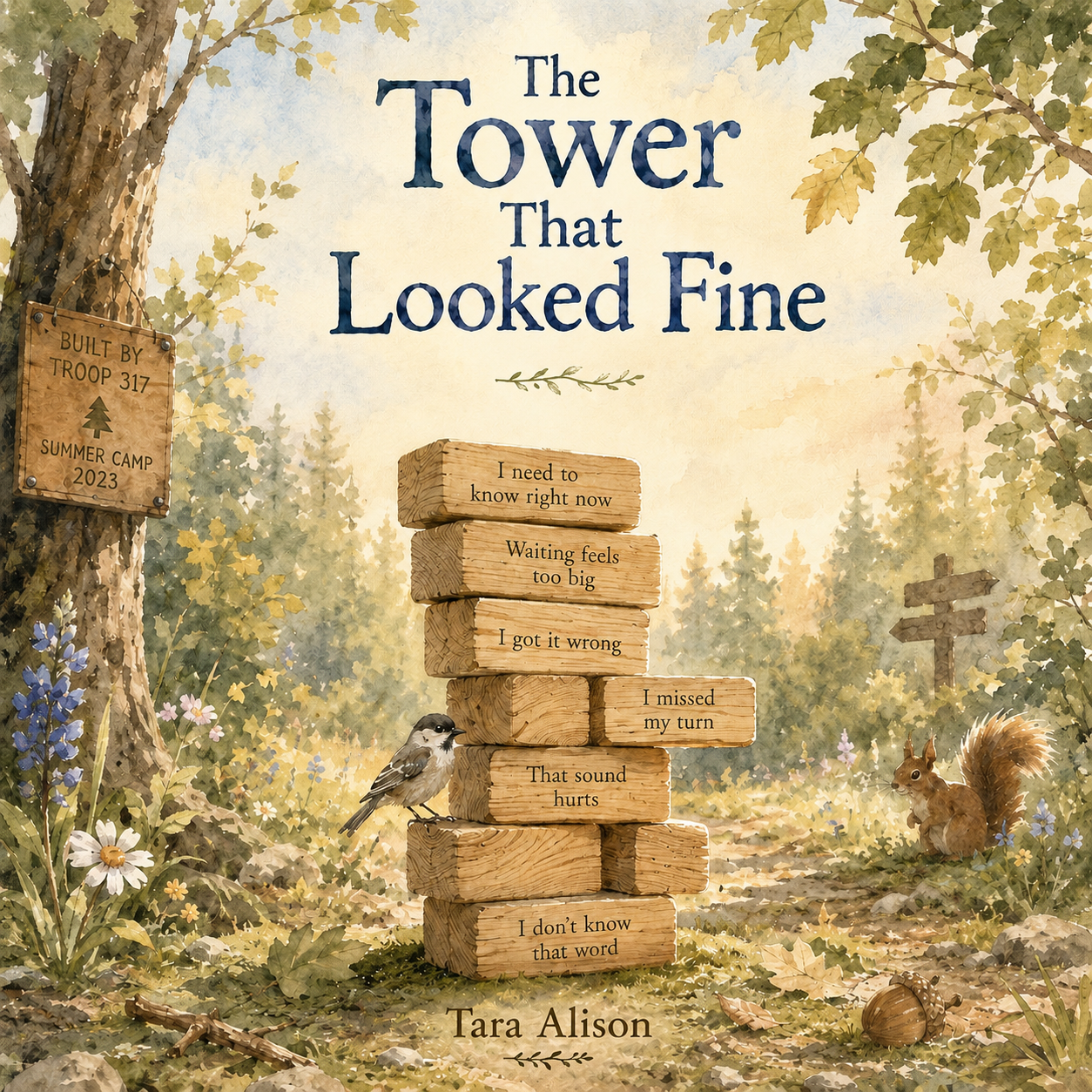 The Tower That Looked Fine
A tower in a quiet clearing tries to stay steady through every small thing nobody else seems to notice — until one tiny breath of wind causes her to fall, and a gentle hand begins to gather the blocks back.
Read the story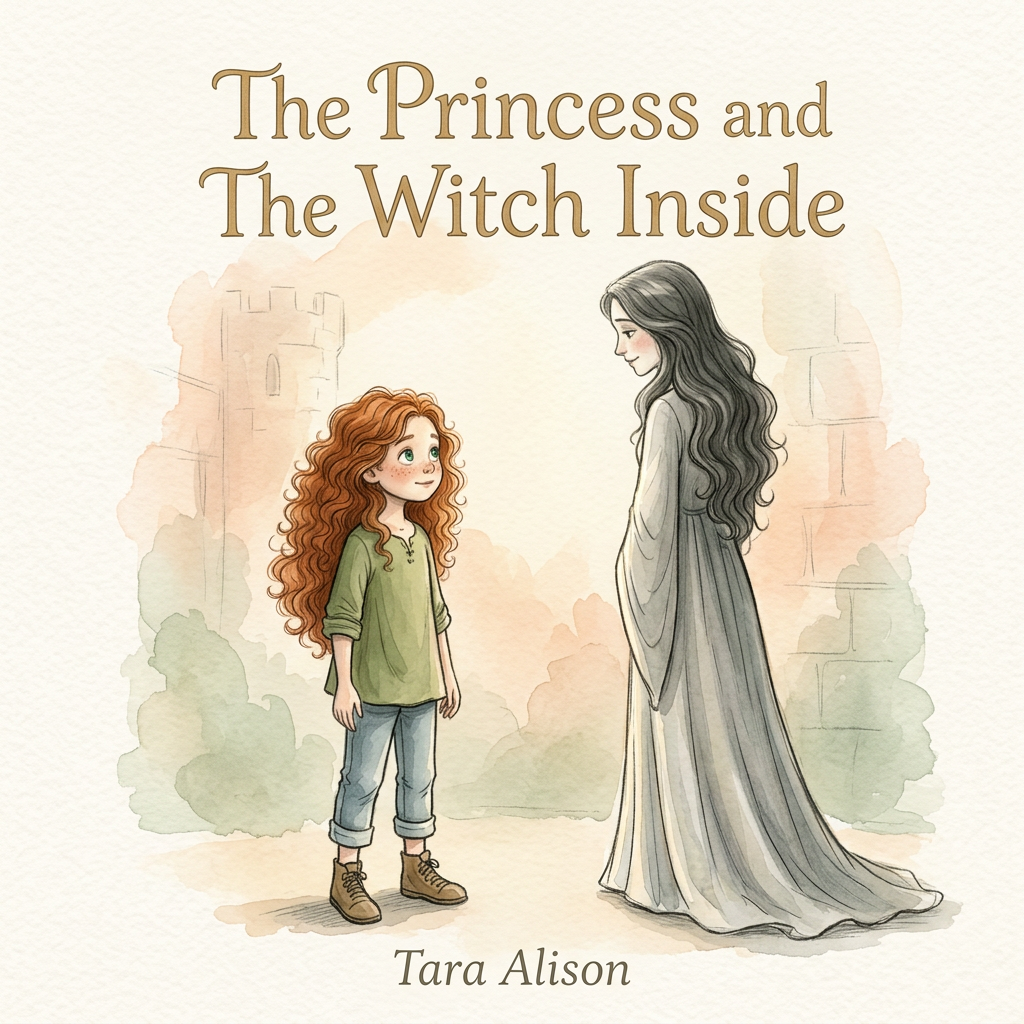 The Princess and the Witch Inside
Esme is loved, but a fast protective part keeps rushing in before she gets a turn. A quiet visitor helps her meet the witch inside — not as an enemy, but as a worried protector — and find her way back to the people she wanted to be with all along.
Read the story
If today was one of those days
A few more from the library, free to read.
- Emotional RegulationLightMap: The Meltdown Tracker Built on a Whole Method
- Emotional RegulationHow to Choose a Parenting App for a Kid Who Feels Everything More
- Emotional RegulationIntuitive Telepathy: When Your Child Knows What You Never Said
- NeurodivergenceYour ADHD Child Just Got an Autism Diagnosis Too
Researched and drafted with AI assistance, reviewed before publication. Editorial standards