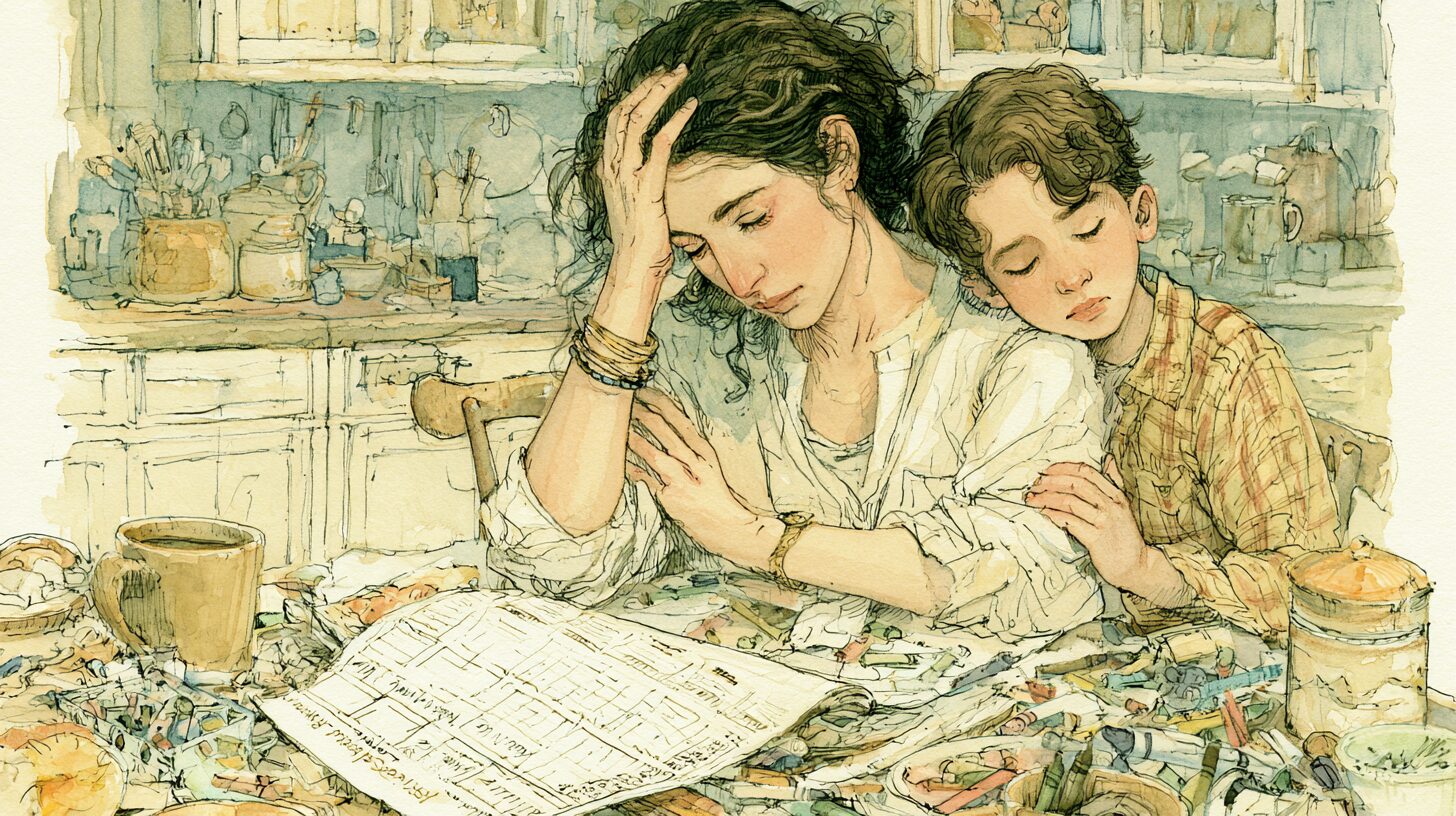
Behavior does not happen in a body-free zone
When a child explodes, the instinct is to look for the psychological cause. What triggered her, what she was feeling, what happened at school. All real. But a child's behavior runs on hardware, and the hardware state matters: blood sugar, hunger, sleep debt, illness, pain, and whatever medication is entering or leaving her system that month.
The problem is that medical factors are invisible in the moment. Nobody mid-meltdown announces that their glucose is elevated or that they are three weeks into a medication taper. The connection only becomes visible in the aggregate, and the aggregate only exists if someone has been recording it.
What tracking exposed for one family
A family managing a chronic condition alongside anxiety started logging moments with contributing factors attached, including physical state. Months in, the report surfaced a pattern nobody had articulated: the highest intensity moments clustered on entries where elevated blood sugar was in the mix. Not every hard moment involved it. But when it was present, moments ran hotter.
That single correlation changed the response playbook. A brewing escalation now prompts a glucose check before a lecture, and some of the worst evenings get intercepted with a correction and a snack instead of a consequence.
While you're here, take the guide
What's Underneath is free: the three body-state triggers under most meltdowns, what to say in the minute before it tips over, and how to reset afterward.

You'll get the guide instantly, plus five free articles in your inbox every week. Real challenges (meltdowns, school mornings, picky eating, big feelings) and how to actually handle them. Unsubscribe anytime.
The medication change window
Medication starts, stops, and tapers are among the most behaviorally loud events in a child's life, and among the least tracked. A dose steps down, and two weeks later there is a run of night fears, or a new irritability, or sleep falling apart. Without a log, the connection is a guess and the prescriber hears "she has been worse lately." With a log, the prescriber sees the taper date and the behavior shift on the same timeline and can distinguish withdrawal effects from returning baseline from something new. That distinction drives real prescribing decisions.
The unglamorous factors run the show
Across months of data, the most frequent contributing factors are rarely exotic. They are hunger, hasn't eaten, up too late, sick, in pain from a medical procedure. Boring, physical, fixable. A huge share of what looks like escalating mental health need is a nervous system running on an empty tank, and the interventions are correspondingly boring: food earlier, sleep protected, painful medical tasks scheduled when capacity is highest, not at 9 PM.
What to bring to the doctor
Pediatricians, psychiatrists, and endocrinologists all make decisions in fifteen-minute windows based on parent recollection. A timeline that puts behavior intensity next to medical state, medication changes, and sleep gives them something recollection cannot: correlation they can actually evaluate. It will not diagnose anything. It will make every appointment sharper. There is more on how to structure that handover in walking into an appointment with a record instead of a description.
LightMap logs medical factors, medication changes, and physical state alongside every moment, so the body's side of the story shows up in the pattern. Start seeing it.
For education and reflection, not medical advice. Our terms
See what's underneath
Next time, you will know what set it off
LightMap reads your hard days together and gives you answers. Start with one moment today.
Start with 3 moments Not sure where to start? Ask me.Message Tara on WhatsApp. It really is me, I read everything and will personally respond.Click here to message Tara →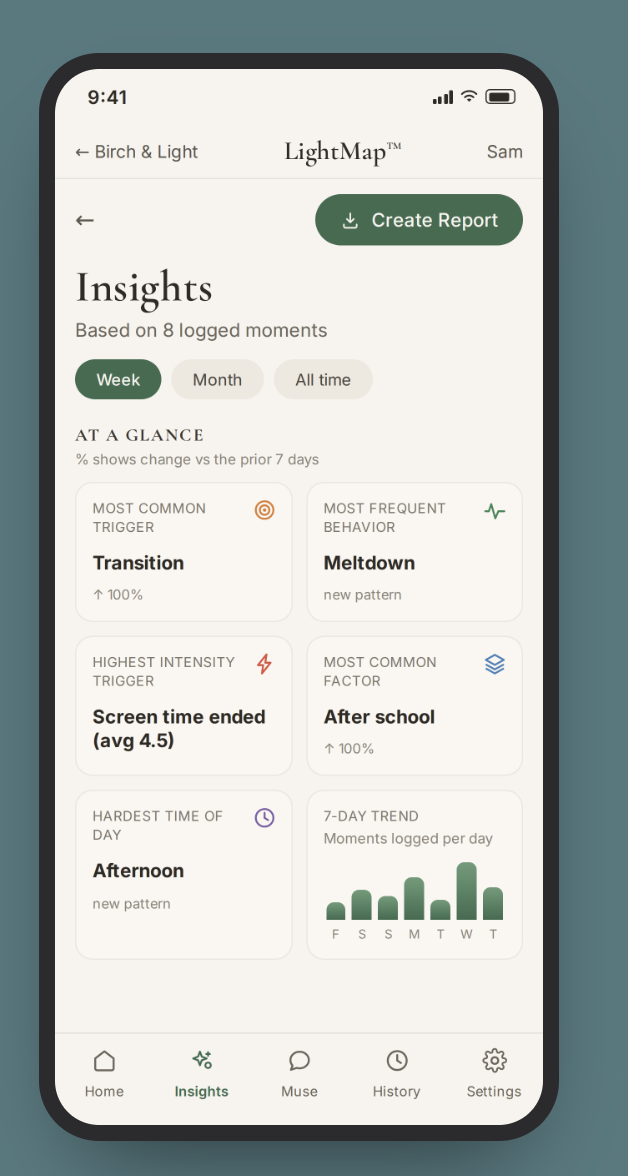

Part of the award-winning Birch & Light Method, honored with the Mom's Choice Gold Award for excellence in family resources.
A story to read together
Sometimes the easiest way in is a story you read side by side.
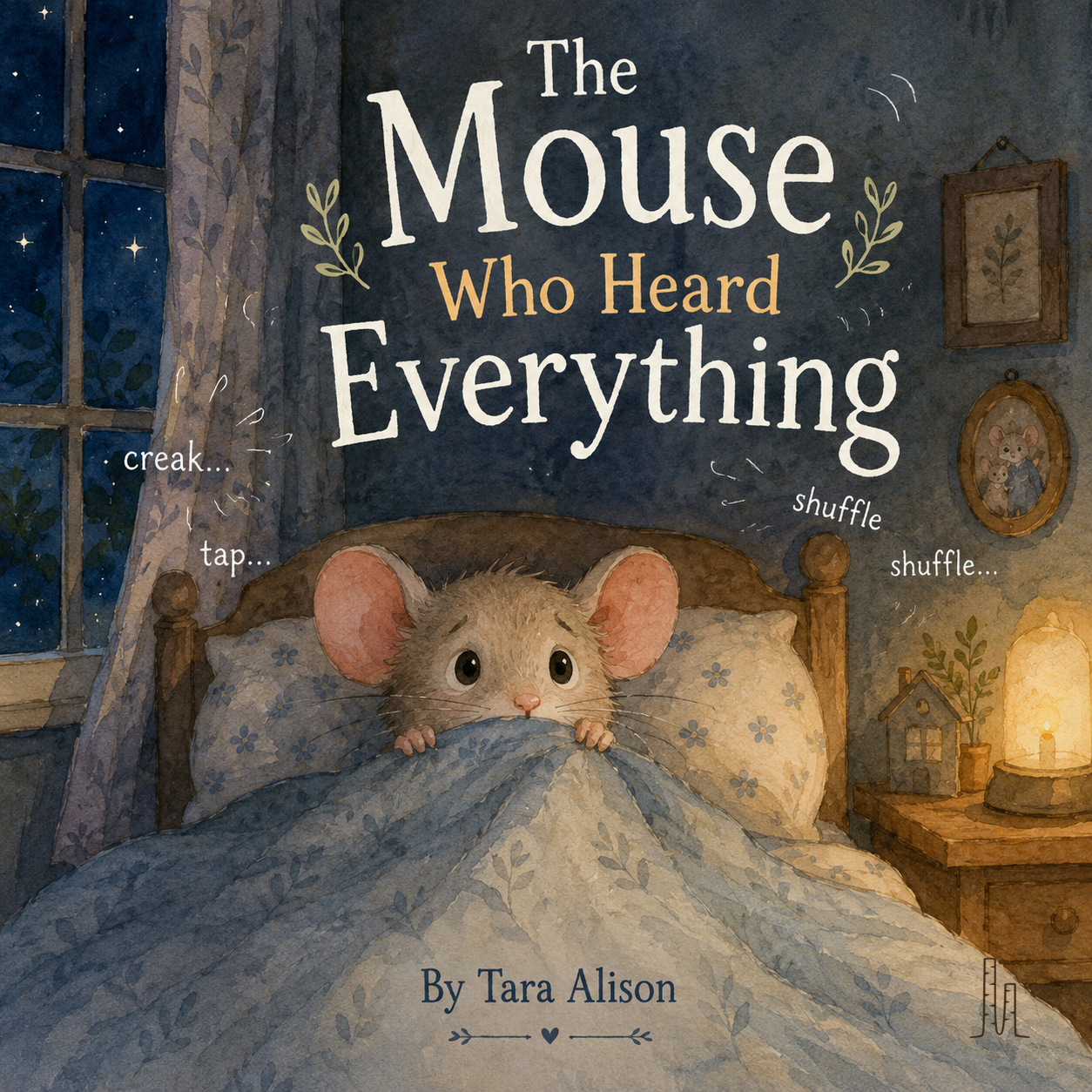 The Mouse Who Heard Everything
Mina Mouse hears every creak the old house makes at night. The story gently shows that her brain isn’t broken — it’s working overtime to keep her safe — and what changes when someone sits beside her in the dark.
Read the story When Axel's Engine Stayed On
After a big, exciting day, Axel's body is tired but his engine won't quiet down. A gentle story about overstimulated kids who can't settle — and the calm grown-ups who help them.
Read the story
If today was one of those days
A few more from the library, free to read.
Researched and drafted with AI assistance, reviewed before publication. Editorial standards