.jpg)
There is a conversation happening in thousands of homes tonight, and it goes like this. A child falls apart over something minor: a broken pencil lead, a level lost in a game, a drawing that came out wrong. A loving parent sits down, again, and explains that mistakes are how we learn, that brains grow, that everyone struggles sometimes. The child nods. The parent feels a flicker of hope. And tomorrow the whole scene repeats, unchanged, as if the conversation never happened.
If you are that parent, here is the thing nobody has told you: the conversations are not failing because your child was not listening, or because you are explaining it badly. They are failing because this was never a knowledge problem.
Your child already knows the lesson
Ask a kid with ADHD, in a calm moment, whether mistakes help you learn, and most will recite growth mindset back to you beautifully. The information landed long ago. What has not changed is what happens in their body when a setback hits.
Emotional intensity is not a side effect of ADHD. It is a core feature of it. The same brain differences that make attention hard also make emotions arrive faster, hit harder, and take longer to come back down. So when the tower falls or the answer is wrong, your child is not choosing catastrophe over perspective. Their nervous system floods before their thinking brain gets a vote. And a flooded brain cannot access a single lesson stored in it, no matter how many times that lesson was taught.
This is why the talks do not transfer. You are depositing wisdom into the calm brain, but the setback is happening to a different brain entirely.
Where the fixed mindset actually came from
There is a second layer worth understanding. By the time they reach double digits, kids with ADHD have absorbed dramatically more correction, redirection, and disappointment than their peers: forgotten homework, interrupted conversations, the teacher's sigh. Each one is small. The accumulation is not.
So when your child treats one wrong answer as proof of being defective, that is not irrational stubbornness. It is pattern recognition built from years of evidence, filtered through a brain that many clinicians describe as unusually sensitive to rejection and failure. The setback is not just a setback. It is confirmation of a story they have been quietly assembling about themselves. A lecture cannot compete with that story. Only new evidence can.
While you're here, take the guide
What's Underneath is free: the three body-state triggers under most meltdowns, what to say in the minute before it tips over, and how to reset afterward.

You'll get the guide instantly, plus five free articles in your inbox every week. Real challenges (meltdowns, school mornings, picky eating, big feelings) and how to actually handle them. Unsubscribe anytime.
What actually builds the thing you are trying to build
Stop teaching during the storm. The moment of collapse is for co-regulation, not curriculum. Get low, stay calm, say almost nothing. "That one hurt. I'm here." Every lesson attempted mid-flood not only fails to land, it teaches your child that falling apart summons a lecture, which adds shame to the pile.
Shrink the postmortem to one sentence, hours later. If you revisit it at all, do it briefly, sideways, during an activity rather than face to face. Long processing conversations feel like trials to a rejection-sensitive kid.
Narrate your own mistakes out loud, daily. This is the highest-leverage move on this list. Burn the toast and say, "Well, that's not what I wanted. Okay, attempt two." Miss a turn while driving and let them hear you recover without self-attack. Kids with ADHD learn almost nothing from instruction about resilience and almost everything from watching it performed by someone they love. You are not teaching the lesson. You are being the lesson.
Engineer recoverable failures. Resilience is not installed through insight. It is built through repetitions of failing small, surviving it with support, and discovering the feeling passes. Games of chance are perfect for this: quick rounds, low stakes, frequent losses, immediate next chance. What you are training is not mindset. It is the nervous system's memory that losing is survivable.
Praise the specific process, honestly and sparingly. "You erased it and tried a different way" lands. Generic cheerleading bounces off a kid whose internal story disagrees with it, and inflated praise reads as evidence that even you think they need propping up.
Watch your own face. Rejection-sensitive kids read micro-reactions like radar. A wince at the spilled juice teaches more than an hour of mindset talk unteaches.
The reframe that changes the work
You cannot talk a nervous system into resilience. You grow it, through modeling, through small survivable failures, and through your child borrowing your calm a few hundred times until it becomes their own. The heartbreaking daily conversations can stop, not because you gave up, but because you moved the effort to where it actually works. If you are still untangling which behaviors are choices and which are capacity, the difference between won't and can't is the companion piece to this one.
Which tasks he can push through and which ones flatten him is a pattern question rather than a character one, and LightMap gives you somewhere to log both so you stop guessing where the line sits.
For your child: June and the Window That Took Time is about a girl who wants to do something and finds it far harder and slower than she expected.
Watching together helps too: Your Amazing ADHD Brain is a short video that explains the ADHD brain to kids, in language a nine year old can hear without shame.
Sources: Barkley's framing of ADHD as a performance disorder rather than a knowledge or skill deficit; Dweck's research on fixed and growth mindsets, and subsequent replication and effect size literature (PMC); peer-reviewed research on emotion dysregulation limiting the application of known strategies in the moment (PMC).
For education and reflection, not medical advice. Our terms
See what's underneath
Walk into the next appointment with answers
LightMap reads your hard days together and gives you answers. Start with one moment today.
Start with 3 moments Not sure where to start? Ask me.Message Tara on WhatsApp. It really is me, I read everything and will personally respond.Click here to message Tara →

Part of the award-winning Birch & Light Method, honored with the Mom's Choice Gold Award for excellence in family resources.
A story to read together
Sometimes the easiest way in is a story you read side by side.
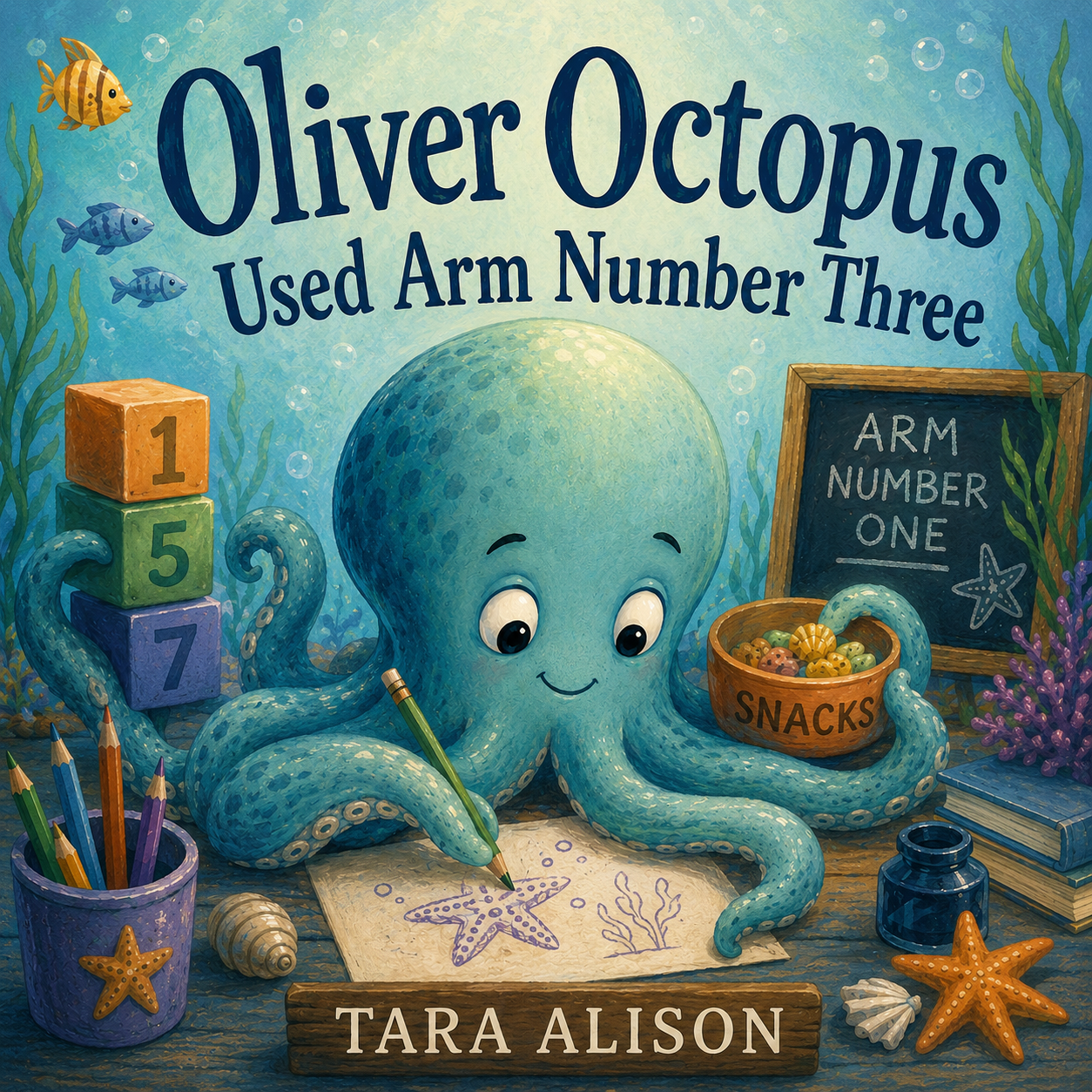 Oliver Octopus Used Arm Number Three
Oliver always drew with Arm Number Three. When his teacher tells him to use Arm Number One instead, something hard slowly grows into something strong.
Read the story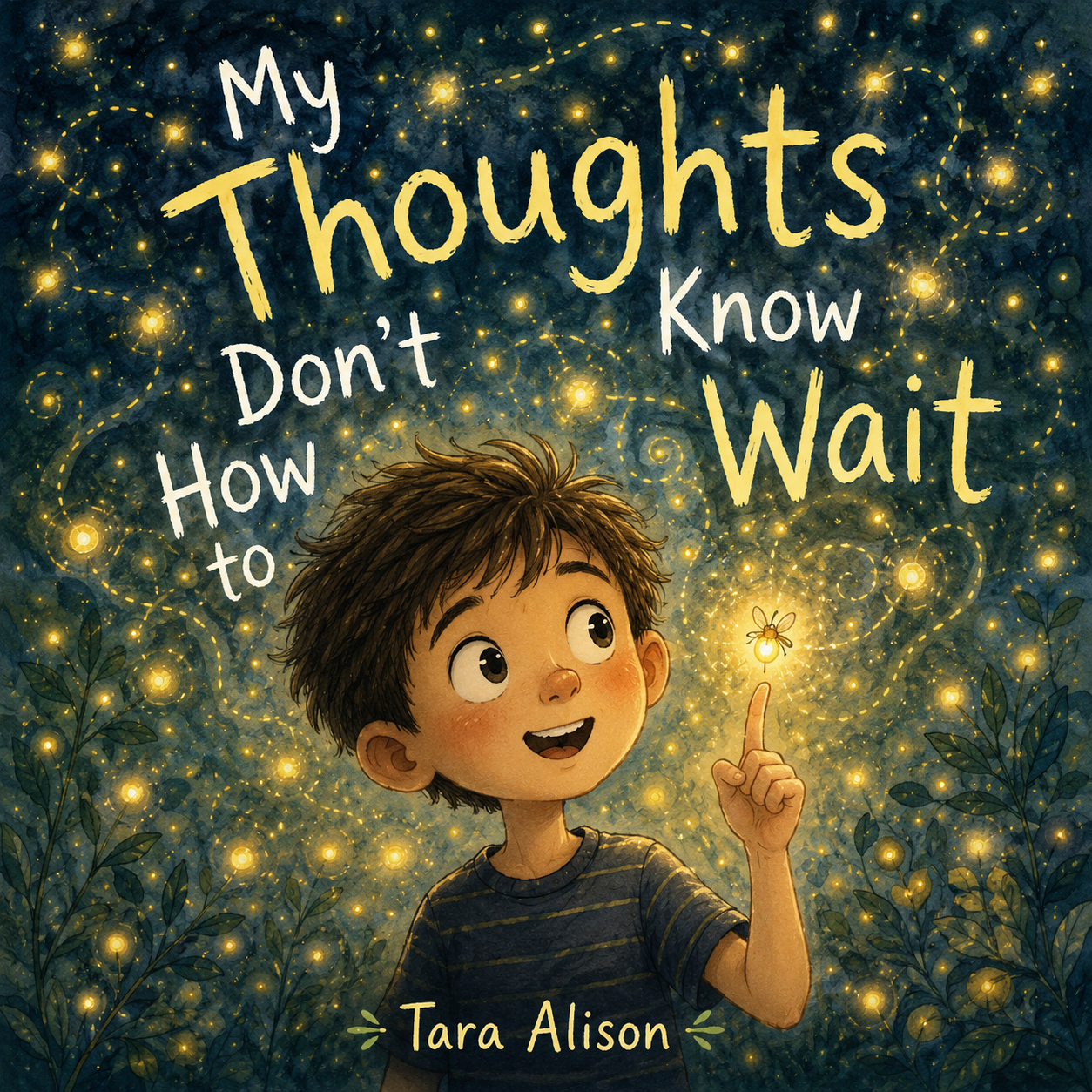 My Thoughts Don't Know How to Wait
Simon's thoughts arrive bright and fast — and feel like they will disappear if he doesn't say them right away. One quiet night beside fireflies, he discovers a small, surprising space between noticing a thought and chasing it.
Read the story
If today was one of those days
A few more from the library, free to read.
Researched and drafted with AI assistance, reviewed before publication. Editorial standards