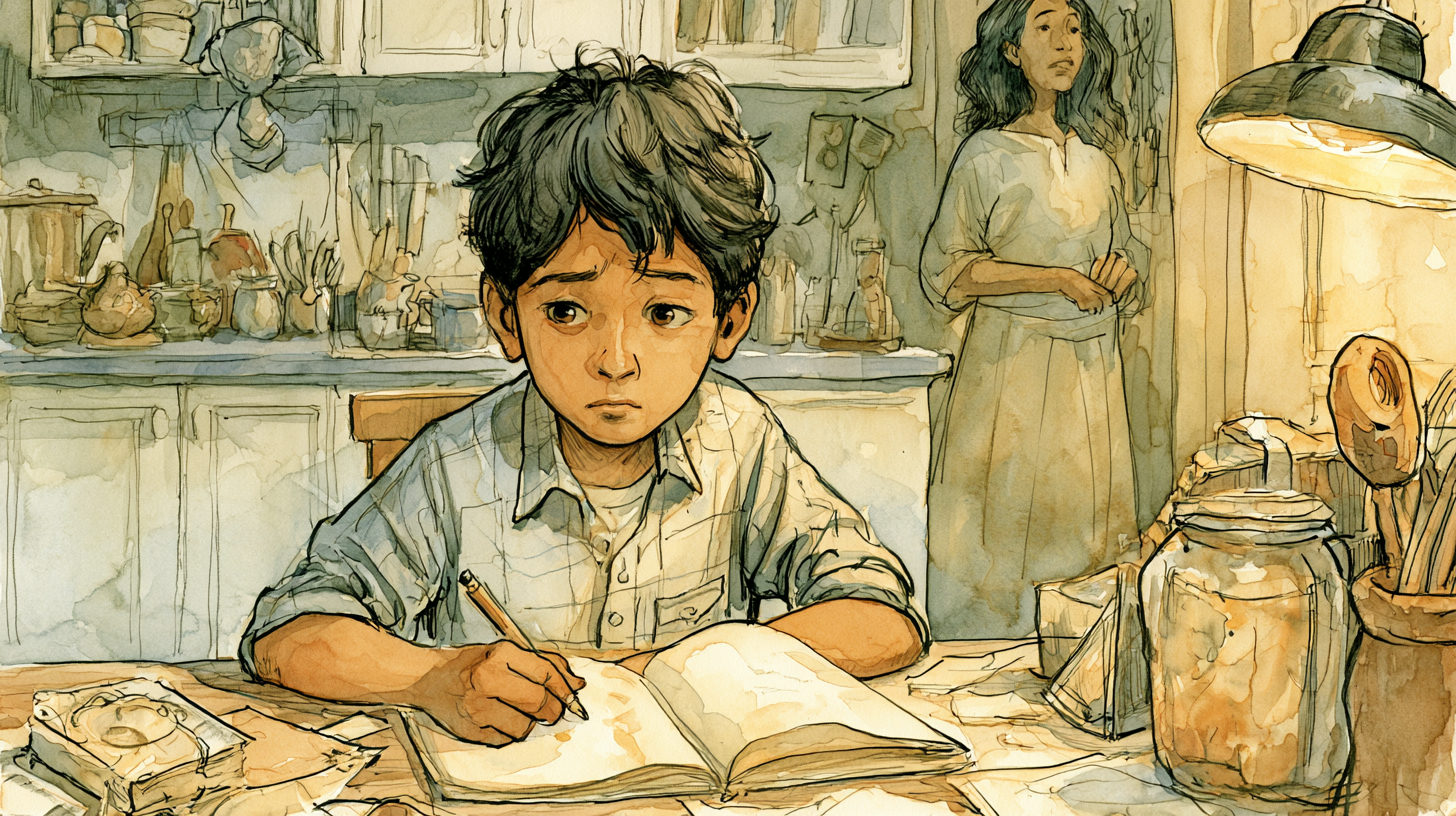
There is a moment most parents know well. You've asked your child to do something. Something simple. Get dressed. Come to dinner. Stop hitting his brother. Start the homework. And he hasn't done it.
And somewhere in your chest, a very reasonable thought forms: he could do this if he wanted to. He's choosing not to.
That thought — that assumption — is one of the most important things worth examining in parenting a child whose nervous system works differently.
Because sometimes it's true. Sometimes it really is a choice. But sometimes — more often than many of us realize — what looks like won't is actually can't. And the difference between those two things changes everything about how we respond.
Why the Distinction Matters
When we assume won't, we reach for consequences. We add pressure. We increase the stakes. We make the cost of not doing the thing higher, because that's what makes sense if a child is choosing to refuse.
When a child actually can't — when something is genuinely blocking them from doing the thing we're asking — consequences don't remove the block. They add weight to it. The child is now managing both the original barrier and the pressure of a consequence bearing down on them.
This is why some children seem to get worse, not better, when consequences are applied. It's not that consequences never work. It's that consequences applied to a can't tend to escalate rather than resolve.
What "Can't" Actually Looks Like
This is where it gets nuanced, because can't doesn't always look the way we expect it to.
Can't doesn't always look like distress. Sometimes it looks like stillness. A child who simply hasn't moved. Who seems to be ignoring you. Who appears completely unbothered by the fact that they haven't done the thing.
Can't doesn't always look like effort. We sometimes expect that if a child is genuinely unable to do something, they'll be visibly struggling. But a child whose nervous system is in a shutdown state, or whose executive function isn't firing, may look entirely calm. Absent. Elsewhere.
Can't doesn't always look like sadness. It can look like defiance. Like attitude. Like a child who has decided they simply don't care. The protective layer that some children put over genuine inability can look remarkably like deliberate refusal.
And perhaps most confusingly — can't doesn't always feel like can't to the child either. Some children genuinely cannot identify why they haven't done the thing. They intended to. They may have even wanted to. Something between the intention and the action simply didn't connect. And when you ask them why, they have no answer — because they don't know.
The Can't That Parents Most Often Miss
There are a few specific kinds of can't that tend to get misread as won't most frequently.
The can't of nervous system overload. A child who has hit their capacity — sensory, emotional, social — may be genuinely unable to comply with requests that would be easy at other times. The nervous system in overload has fewer resources available for everything, including the executive task of following instructions. This child isn't refusing. They're running on empty.
The can't of transition. Switching from one activity to another is a neurological task, and for some children it is a genuinely difficult one. A child who can't stop what they're doing to come to dinner isn't being rude. Their brain is struggling to make the switch. More time, more warning, and a concrete bridge between activities can help where consequences can't.
The can't of emotional flooding. When a child is in the middle of a big emotional experience — fear, shame, rage, grief — the thinking part of the brain becomes significantly less accessible. Asking a flooded child to comply, explain themselves, or make a better choice is asking for something their brain literally cannot produce in that moment.
The can't of not knowing how to start. This one surprises parents most. A child can know exactly what needs to happen — can repeat the instructions back to you perfectly — and still be unable to locate the first step. Starting is its own neurological process, and for some children it is a genuine barrier. This looks, from the outside, almost indistinguishable from defiance.
The can't of shame. A child who feels deeply ashamed — of a mistake, of a perceived failure, of something they did or didn't do — may be unable to move toward the thing being asked of them because the shame has become its own barrier. Consequences in this state tend to deepen the shame, which deepens the paralysis.
While you're here, take the guide
What's Underneath is free: the three body-state triggers under most meltdowns, what to say in the minute before it tips over, and how to reset afterward.

You'll get the guide instantly, plus five free articles in your inbox every week. Real challenges (meltdowns, school mornings, picky eating, big feelings) and how to actually handle them. Unsubscribe anytime.
How to Tell the Difference
There's no perfect test for won't versus can't. But there are questions worth asking yourself in these moments.
Is this a pattern or an exception? A child who occasionally doesn't comply when asked is probably making a choice some of the time. A child who consistently cannot do a specific type of thing — transitions, starting tasks, stopping activities — is showing you a pattern that points toward can't.
What else is happening in their body right now? Have they just come from somewhere demanding? Are they hungry, tired, or overstimulated? Are they in the middle of something emotionally significant? The state of the nervous system at the moment of the request matters enormously.
Does adding pressure help or escalate? If gentle reminders gradually bring compliance, that tends to suggest won't. If every increase in pressure makes things worse — louder, more rigid, more shut down — that's a strong signal you're dealing with can't.
What does their face look like underneath the behavior? Defiance has a particular quality. There's usually some heat in it, some awareness of the standoff. Can't often has a different quality — something more absent, more frozen, more like a child who is genuinely not fully present in the moment.
Have they been able to do this before under different conditions? If a child can do the thing in some contexts and not others, that's information. The variable conditions are a clue about what the nervous system needs in order for the thing to be possible.
What Helps When It's Can't
The approaches that help a can't are usually the opposite of what instinct suggests.
Less pressure, not more. A nervous system that is blocked doesn't unblock under pressure. It contracts further.
Smaller steps. If the whole task feels insurmountable, what is the single smallest possible first movement? Just finding the shoes. Just opening the notebook. Just standing up. Starting is often the whole obstacle.
Physical presence. Sitting near a child, without demanding anything, can provide enough co-regulation for the nervous system to begin to settle and become capable again.
Time. Not unlimited time, and not in every situation. But the can't of an overloaded nervous system often resolves on its own if given a few minutes without additional demand.
Curiosity instead of consequence. "I notice you haven't started yet. What's getting in the way?" asked with genuine interest rather than accusation can open something that pressure closes.
The Bigger Picture
None of this means children never make choices. They do. Won't is real. Boundaries matter. Children need to learn that some things are required regardless of whether they feel like it.
But the parents who find their way to real change — who move from cycles of escalation to something that actually works — almost always do it by getting curious about which situation they're actually in.
Won't responds to limits. Can't responds to support.
Getting those two things confused is one of the most common and costly mistakes in parenting children whose nervous systems work differently.
And once you start seeing the difference, you start seeing it everywhere.
Every behavior is a clue.
If you're trying to figure out whether your child's patterns point toward won't or can't, LightMap can help you track the moments, notice the conditions, and start to see what's really happening beneath the surface. Explore LightMap at birchandlight.com/lightmap.
For your child: Elliot's Paths is about a boy whose no arrives before he has had any chance to choose, and the grandmother who is the first adult to see the path from where he is standing.
Sources: Ross Greene, Collaborative and Proactive Solutions; Barkley on ADHD as a performance disorder; peer-reviewed research on the gap between knowing a skill and deploying it under load (PMC).
For education and reflection, not medical advice. Our terms
See what's underneath
Stop guessing which demand did it
LightMap reads your hard days together and gives you answers. Start with one moment today.
Start with 3 moments Not sure where to start? Ask me.Message Tara on WhatsApp. It really is me, I read everything and will personally respond.Click here to message Tara →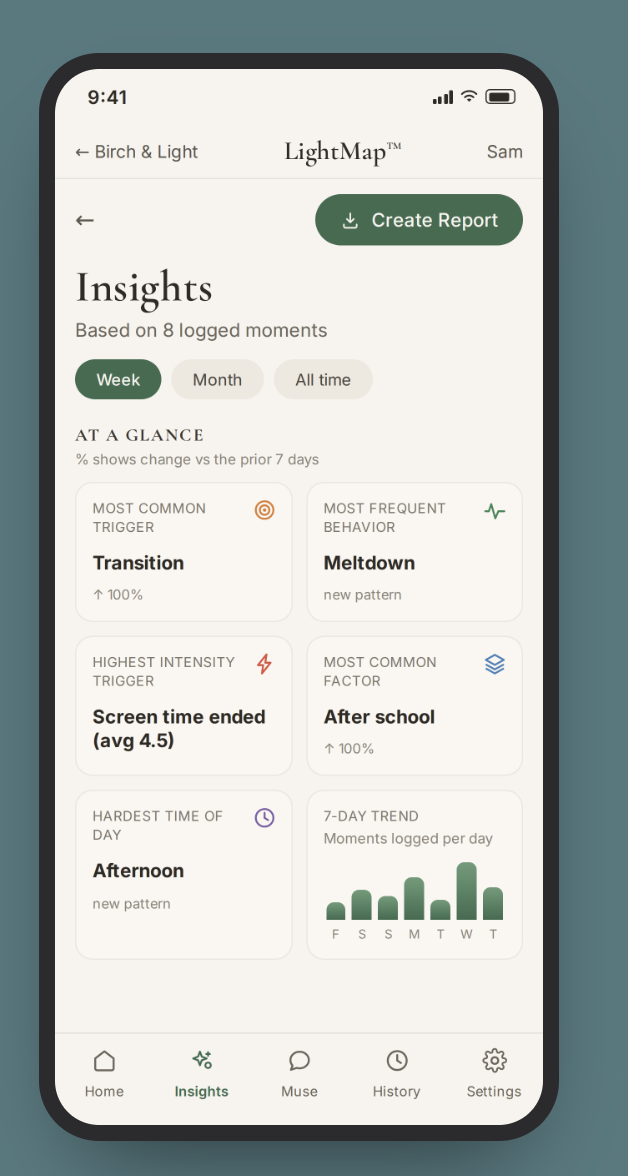

Part of the award-winning Birch & Light Method, honored with the Mom's Choice Gold Award for excellence in family resources.
A story to read together
Sometimes the easiest way in is a story you read side by side.
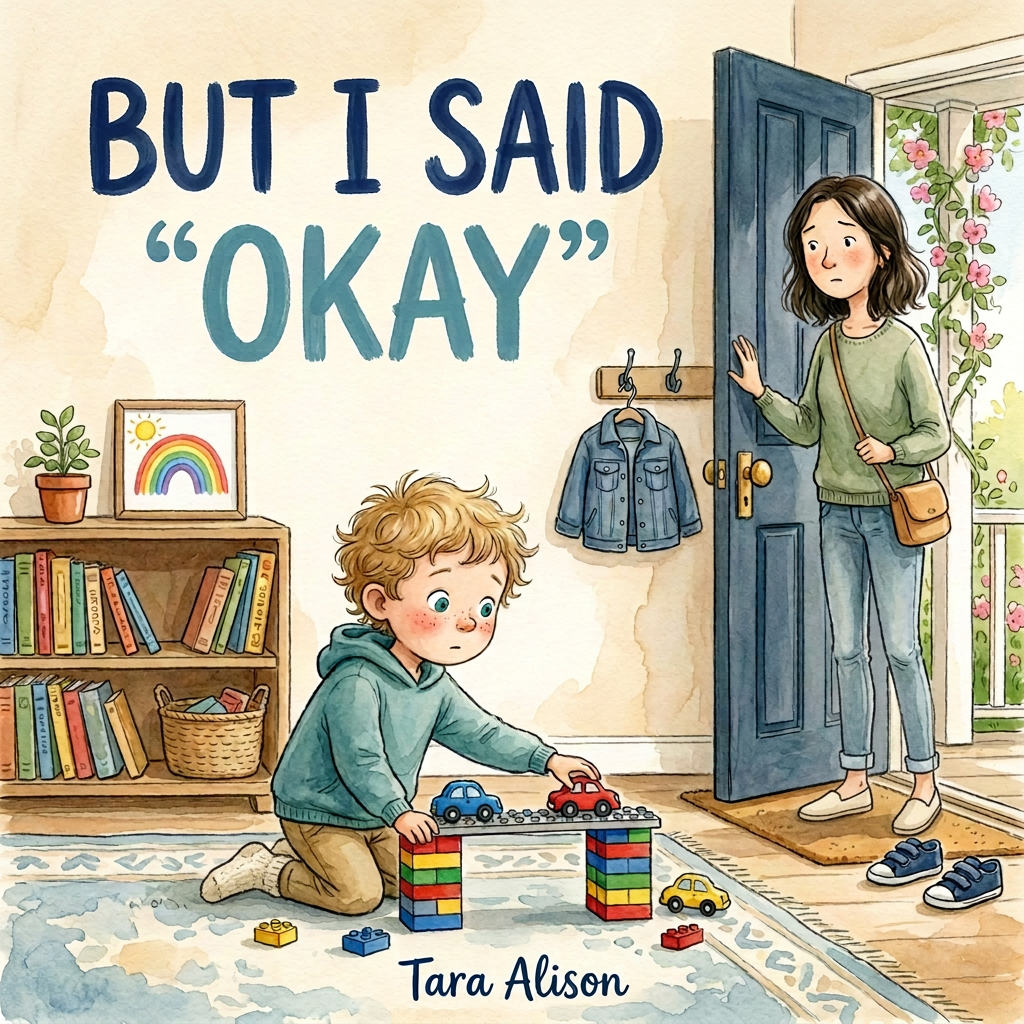 But I Said “Okay”
Owen always says okay. He means it every time. But his attention is still inside the bridge, the dragon, the cave, the music — until Mom realizes that helping him leave one thing matters more than asking him to start the next.
Read the story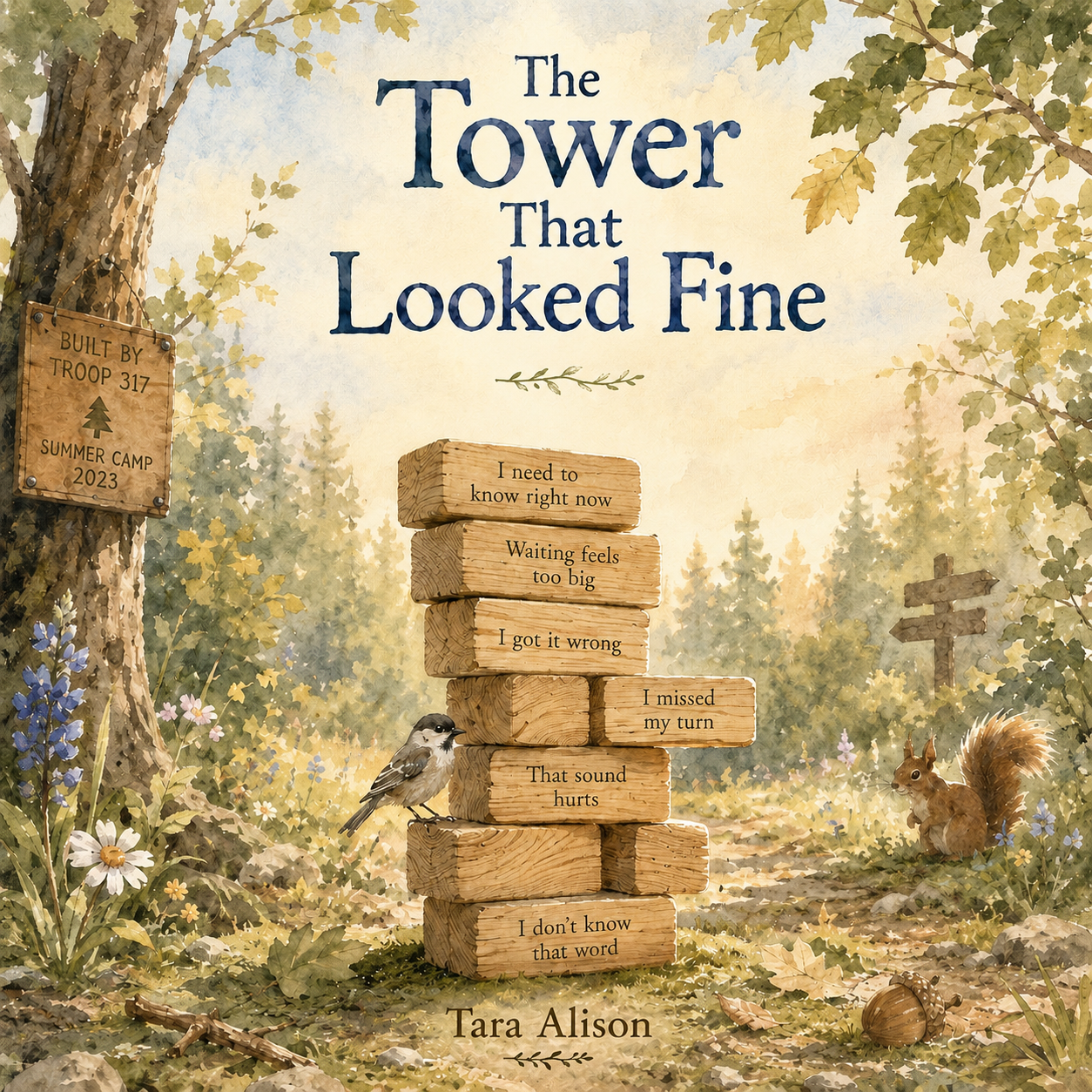 The Tower That Looked Fine
A tower in a quiet clearing tries to stay steady through every small thing nobody else seems to notice — until one tiny breath of wind causes her to fall, and a gentle hand begins to gather the blocks back.
Read the story
If today was one of those days
A few more from the library, free to read.
Researched and drafted with AI assistance, reviewed before publication. Editorial standards