
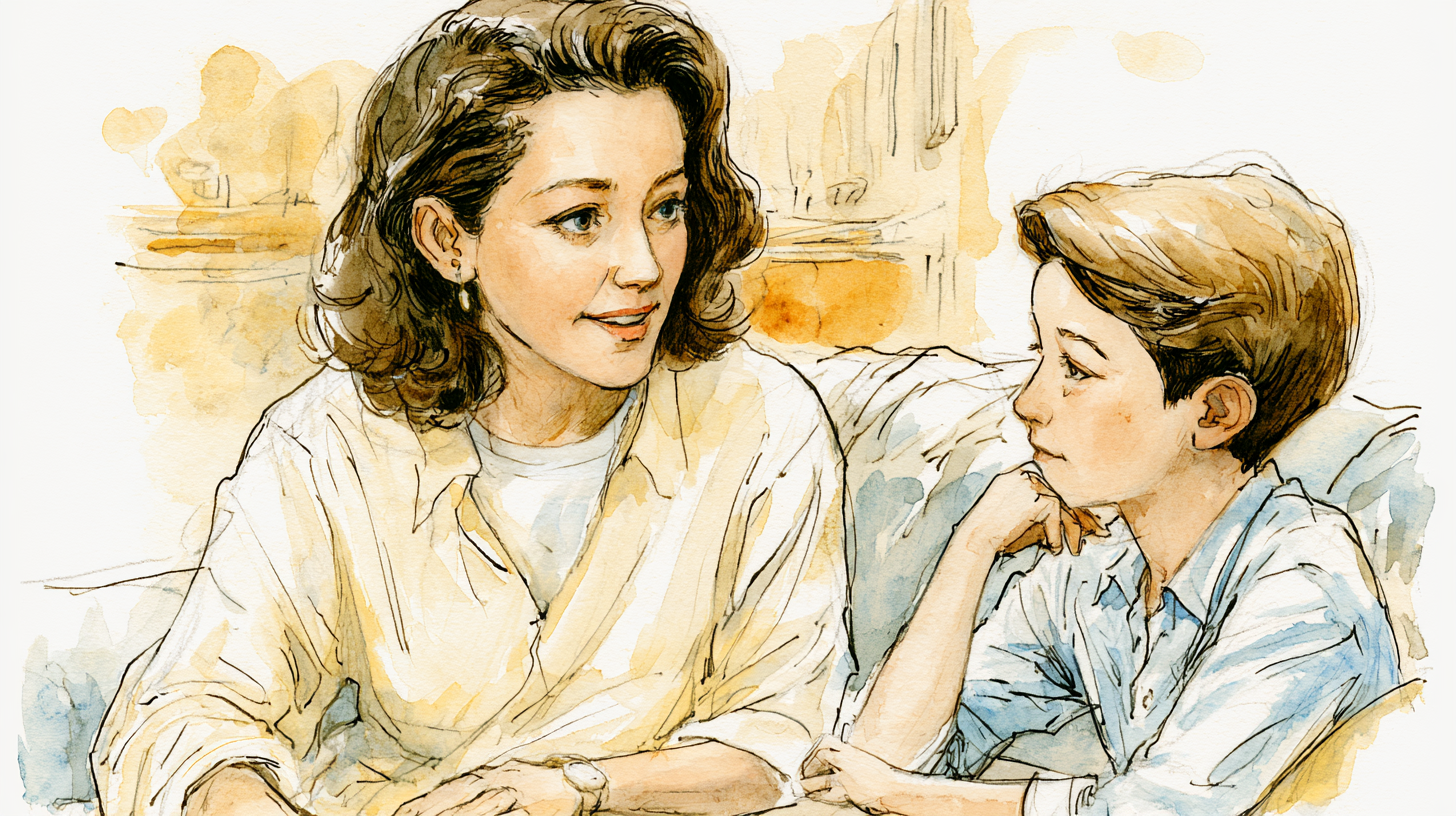
Maybe it slipped out at a family party, an aunt asking how the medication is going before you had said a word to him. Maybe he saw the paperwork on the counter, or heard the word through a door that was not as closed as you thought. However it happened, he has a piece of it now. And he is doing what kids always do with a piece: building the rest of the story himself.
That is the part most parents miss while they wait for the right moment. There is no version of this where your child has no story about himself. There is only the question of who writes it. Kids who sense something is different but never get the name tend to reach for the cruelest available explanations: I am bad. I am stupid. Something is wrong with me and it is the kind of wrong we do not say out loud. The diagnosis conversation does not introduce a hard idea into an innocent mind. It replaces a worse idea that is already in there.
Tired of guessing what set your child off? Log tonight's moment in LightMap.
When to tell them
Sooner than feels comfortable, and definitely once they are asking. A child who asks questions has already opened the door, and every day it stays unanswered teaches him that this topic is dangerous. If he is old enough to feel the friction, homework that takes triple the time, the chair he cannot stay in, the friendships that keep going sideways, he is old enough for the name that explains it.
You do not need a perfect setting. A car ride works better than a summit meeting. Side by side beats face to face for most kids, because eye contact raises the stakes and these conversations go best when the stakes feel low.
How to say it
Matter-of-fact beats big and serious. The tone you would use to explain why he needs glasses is the right tone here. Something like:
"You know how some things at school feel way harder for you than they look for other kids? There is a reason, and it has a name. Your brain is wired for speed and ideas. It runs fast, it notices everything, and it is amazing at some things. It also makes a few things harder, like waiting and sitting still and starting boring stuff. That is called ADHD. Lots of people have it, including a lot of really successful ones."
Three beats matter in that script. The struggle is named honestly, because he already knows it is real and pretending otherwise costs you credibility. The strength is named just as honestly, because ADHD brains genuinely do carry gifts and he needs both halves of the truth. And the whole thing is delivered as information, not confession.
Many kids latch onto a picture faster than an explanation. The engine metaphor has helped a lot of families: some kids have engines that keep running after everyone else has slowed down. If your child is a story kid, reading one together can hand him the words sideways, without a single spotlight moment. When Axel's Engine Stayed On was built for that job.
There's a story for this exact struggle
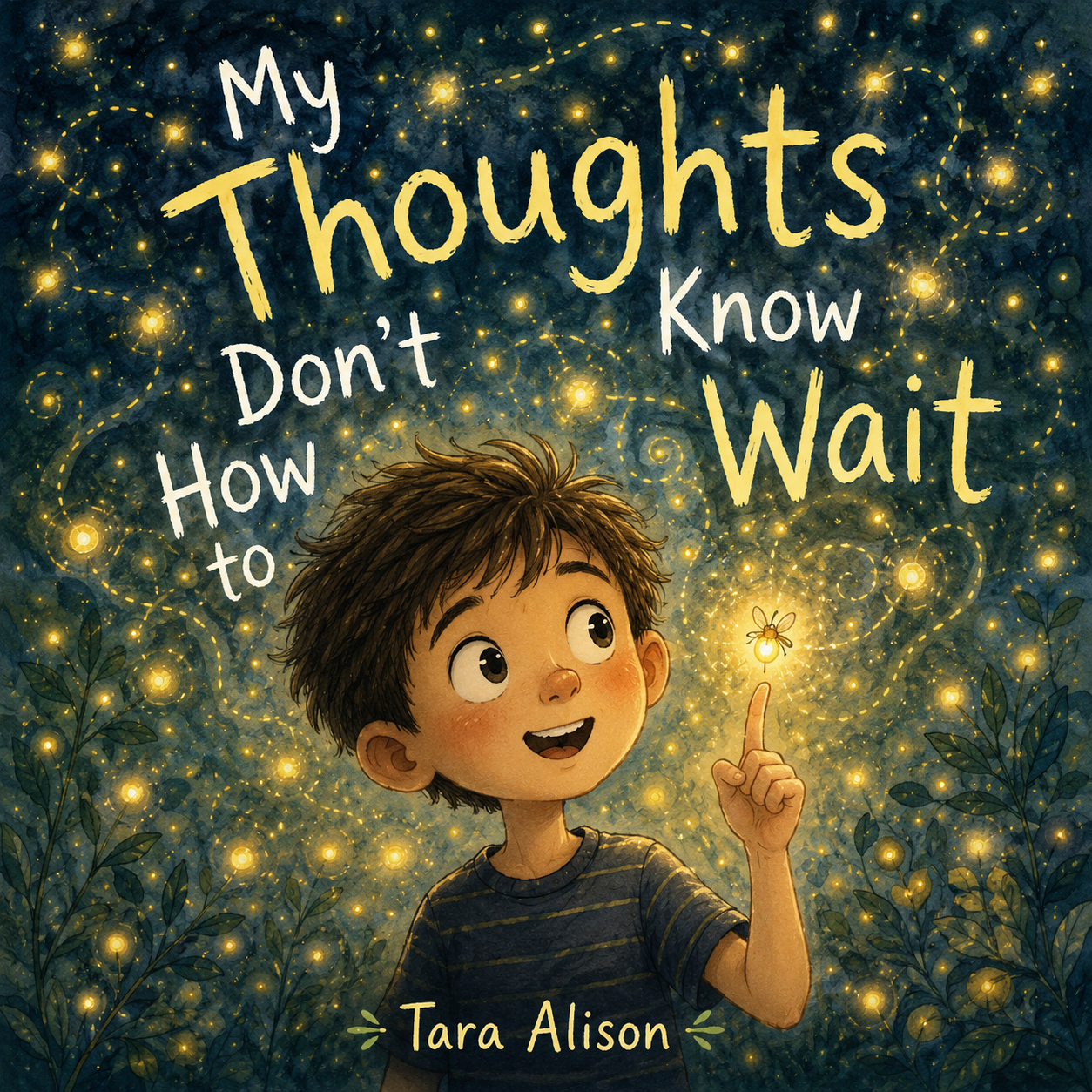
My Thoughts Don't Know How to Wait
Simon's thoughts arrive bright and fast — and feel like they will disappear if he doesn't say them right away. One quiet night beside fireflies, he discovers a small, surprising space between noticing a thought and chasing it.
Free to read. You'll also get five free articles a week. Unsubscribe anytime.
What to skip
Skip the apology tone. If you deliver the news like a tragedy, he will file it as one. Skip the single Big Talk, because this is not one conversation, it is the first of fifty small ones, and the first one only has to go well enough to leave the door open. Skip secrecy framing. Telling him to keep it private teaches shame faster than any playground comment could. He can decide who to tell, and your job is to make sure the word carries no charge at home.
And skip the deficit lecture. He does not need the full clinical picture at eight or nine. He needs the version that is true, useful, and light enough to carry.
What usually happens next
Most parents brace for tears and get something closer to relief. A name means it is not a character flaw. It means he is not the only one. It means the hard parts have reasons, and reasons have strategies. Some kids go quiet and come back with questions two days later, which is a nervous system processing on its own schedule, not a conversation that failed.
Answer the questions as they come, small and honest. Point at role models when they show up on screens. And watch what happens when the worst story he was telling about himself gets replaced with a truer one: not broken, just built fast.
The questions keep arriving for weeks after the conversation, usually at bedtime and rarely in order. Jotting them into LightMap as they land helps you see what he is actually worried about underneath them.
Watching together helps too: Your Amazing ADHD Brain is a short video that explains the ADHD brain to kids, in language a nine year old can hear without shame.
Sources: Peer-reviewed research on diagnosis disclosure, self-concept, and identity in children with ADHD (PMC; Journal of Attention Disorders); CHADD guidance on talking with children about an ADHD diagnosis; American Academy of Pediatrics guidance on family communication following diagnosis.
For education and reflection, not medical advice. Our terms
See what's underneath
Walk into the next appointment with a pattern
LightMap turns scattered hard days into a pattern you can see. Start by logging one moment tonight.
Find out why it keeps happening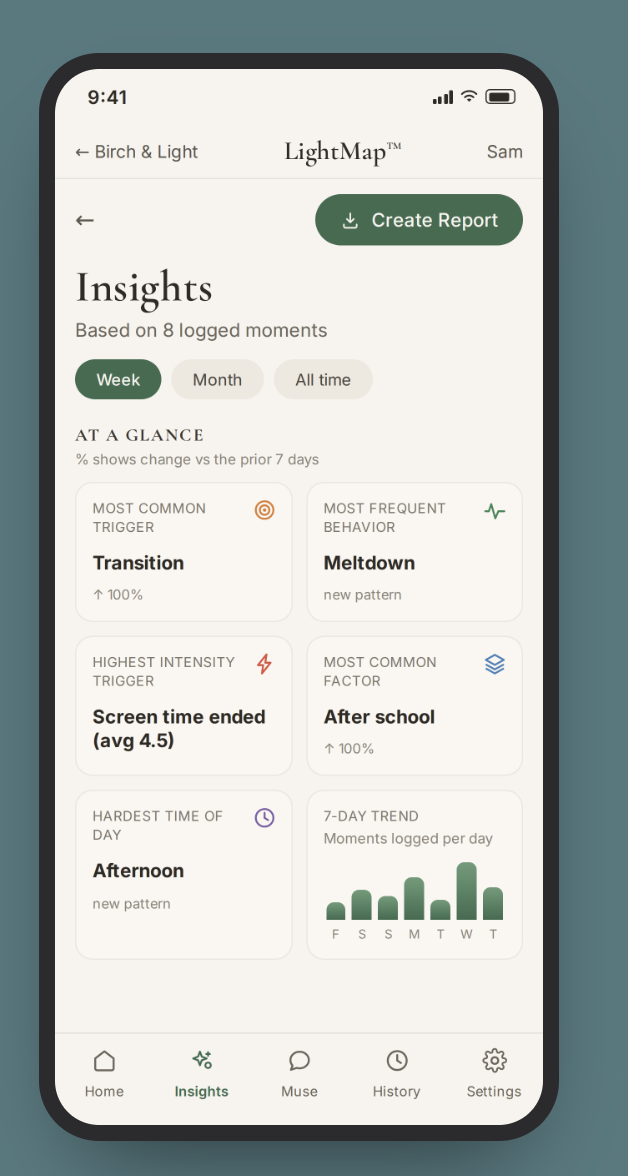

Part of the award-winning Birch & Light Method, honored with the Mom's Choice Gold Award for excellence in family resources.
Before you go, grab the free guide
The 3 body-state triggers under most meltdowns, a script for the 30 seconds before it tips over, and a reset for after. Free.

You'll get the guide instantly, plus five free articles in your inbox every week. Real challenges (meltdowns, school mornings, picky eating, big feelings) and how to actually handle them. Unsubscribe anytime.
A story to read together
Sometimes the easiest way in is a story you read side by side.
- My Thoughts Don't Know How to Wait
Simon's thoughts arrive bright and fast — and feel like they will disappear if he doesn't say them right away. One quiet night beside fireflies, he discovers a small, surprising space between noticing a thought and chasing it.
Read the story 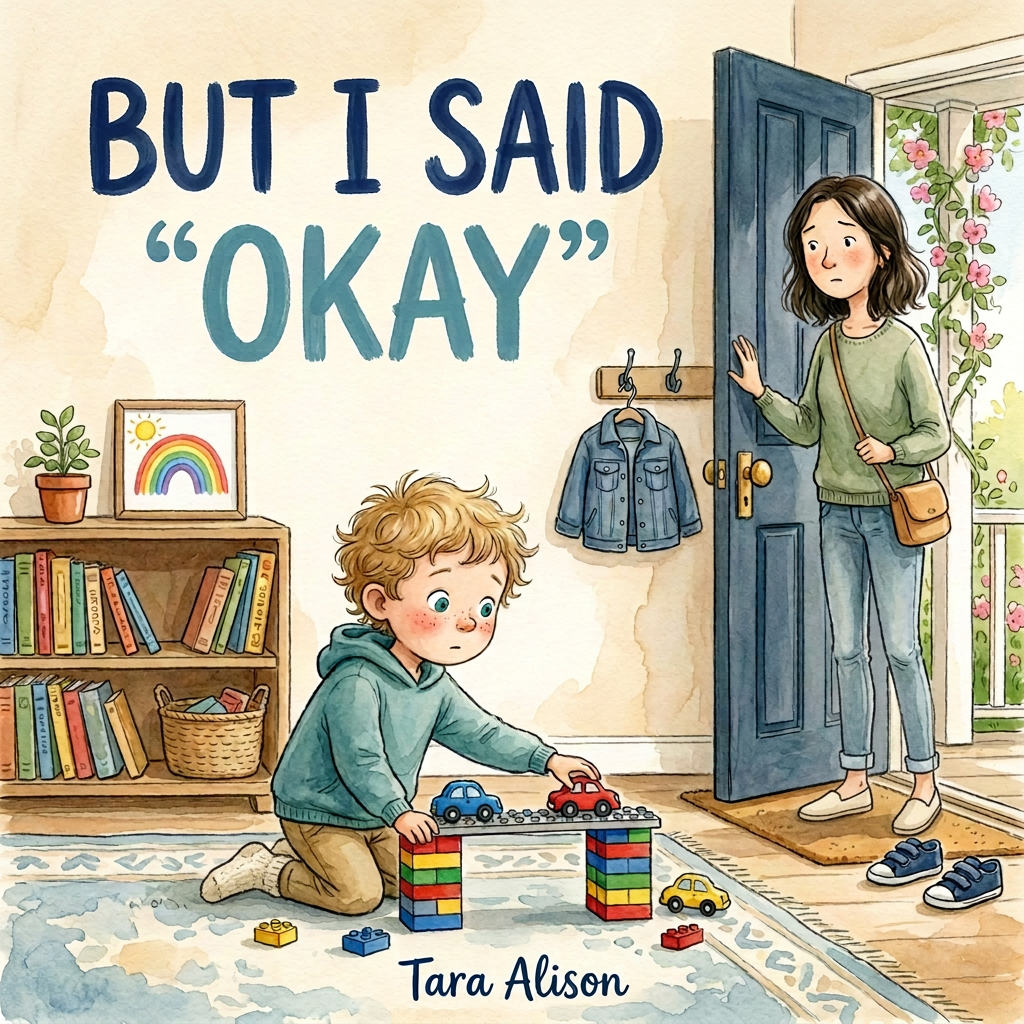 But I Said “Okay”
Owen always says okay. He means it every time. But his attention is still inside the bridge, the dragon, the cave, the music — until Mom realizes that helping him leave one thing matters more than asking him to start the next.
Read the story
Researched and drafted with AI assistance, reviewed before publication. Editorial standards