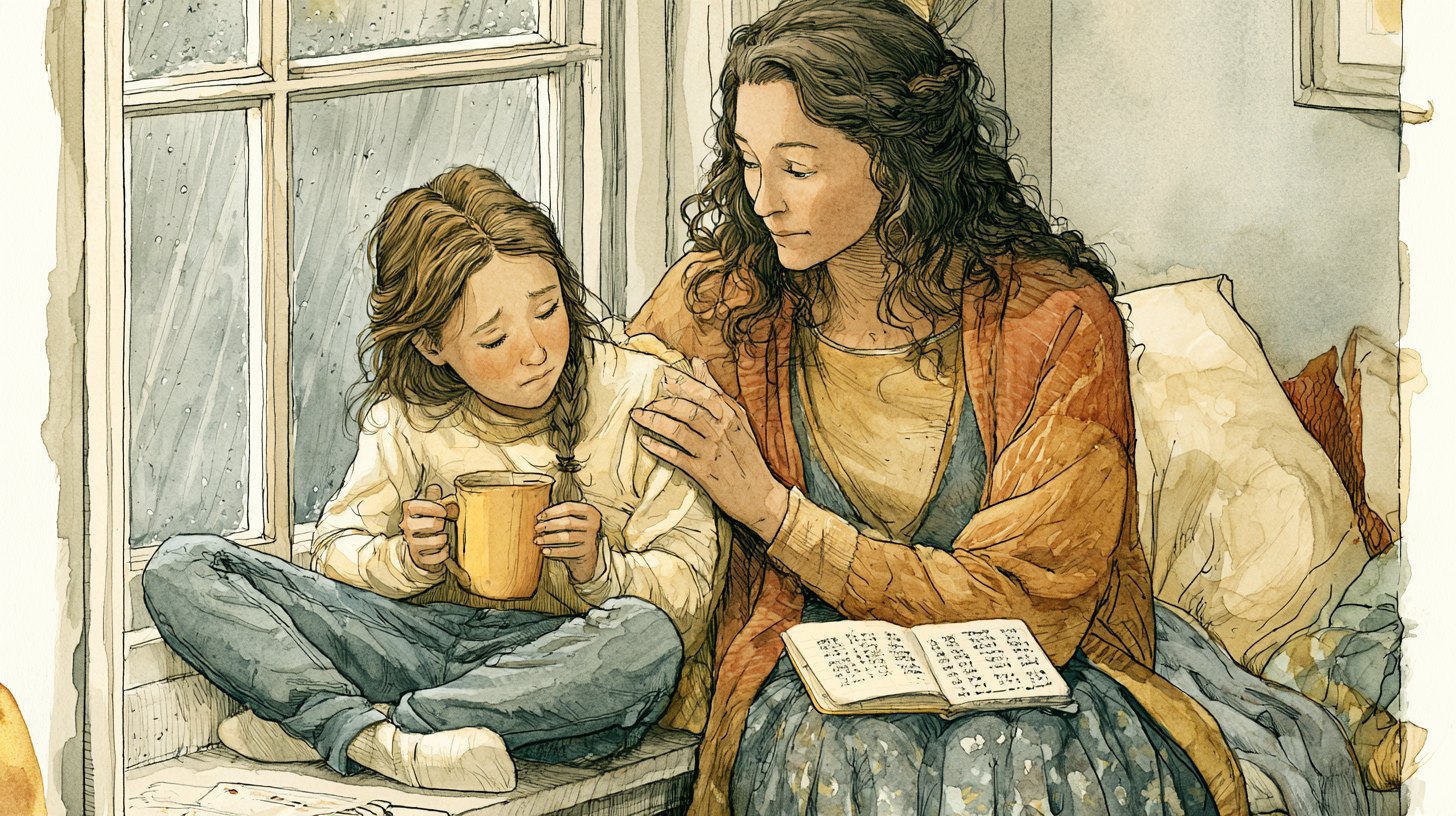
One week your child was fine. The next, they're washing their hands until they bleed, refusing food, raging, or clinging to you like they did at three. If the change came on almost overnight, often after strep, the flu or another illness, you may be looking at PANDAS or PANS. Here's the short answer: PANS is a sudden-onset neuropsychiatric syndrome in children, PANDAS is the subtype linked to strep, and the defining feature is how fast it starts.
This guide covers what PANS and PANDAS are, the symptoms, how doctors diagnose them, what treatment looks like, and where the experts still disagree. It links to deeper reading on every piece. It is not medical advice. Bring your questions to your child's doctor.
What is PANDAS?
PANDAS stands for Pediatric Autoimmune Neuropsychiatric Disorders Associated with Streptococcal Infections. In 1998, researchers at the National Institute of Mental Health described the first 50 children with sudden-onset OCD or tics after strep infections. They noticed a relapsing-remitting pattern: symptoms flared, eased, then flared again, often alongside new strep infections. In that first group, emotional ups and downs, separation anxiety, nighttime fears, oppositional behavior and hyperactivity came with the flares.
What is PANS, and how is it different?
PANS stands for Pediatric Acute-onset Neuropsychiatric Syndrome. It's the umbrella. PANDAS is one type of PANS, the one tied to strep. PANS covers children whose symptoms start just as suddenly but after a different trigger, or with no clear infection at all. Researchers have described triggers including other infections, and some children show no infection link.
In December 2024, the American Academy of Pediatrics released its first clinical report on PANS, published in Pediatrics in 2025. It recognized PANS as a condition that needs compassionate, coordinated care, and it called for much more research.
What are the symptoms of PANDAS and PANS?
The AAP describes the criteria this way. A child has a sudden, dramatic start of either OCD symptoms or severely restricted eating, plus a sudden start of at least two of these:
- Anxiety
- Sudden, extreme mood changes, overreactions or depression
- Irritability, aggression or severe oppositional behavior
- Loss of developmental skills and acting younger than their age
- A drop in school performance
- Sensory sensitivity, hallucinations, handwriting trouble, or motor or vocal tics
- Sleep problems or new bedwetting that another health problem doesn't explain
Most children with OCD, tics or anxiety do not have PANS. What sets PANS apart is speed. Parents often can name the day, sometimes the hour, their child changed. Our article Why did my child change so much after illness? walks through what that looks like, and Sudden onset OCD in PANS covers the OCD piece.
How is PANS diagnosed?
There is no single blood test for PANS or PANDAS. Diagnosis is clinical. The doctor takes a careful history, especially when the symptoms began and how fast, and does a physical and mental health exam. The 2013 PANS Consensus Conference, convened at Stanford, laid out a fuller evaluation that can include family history, infectious disease workup, neurological assessment, a sleep evaluation and genetic evaluation.
Write down the date things changed, what illness came before, and every new symptom. That timeline is often the most useful thing you can bring. Our guide to PANS testing: which tests to ask for explains strep tests, ASO and anti-DNase B, and what each can and can't tell you.
While you're here, take the guide
What's Underneath is free: the three body-state triggers under most meltdowns, what to say in the minute before it tips over, and how to reset afterward.
You'll get the guide instantly, plus five free articles in your inbox every week. Real challenges (meltdowns, school mornings, picky eating, big feelings) and how to actually handle them. Unsubscribe anytime.
There's a story for this exact struggle
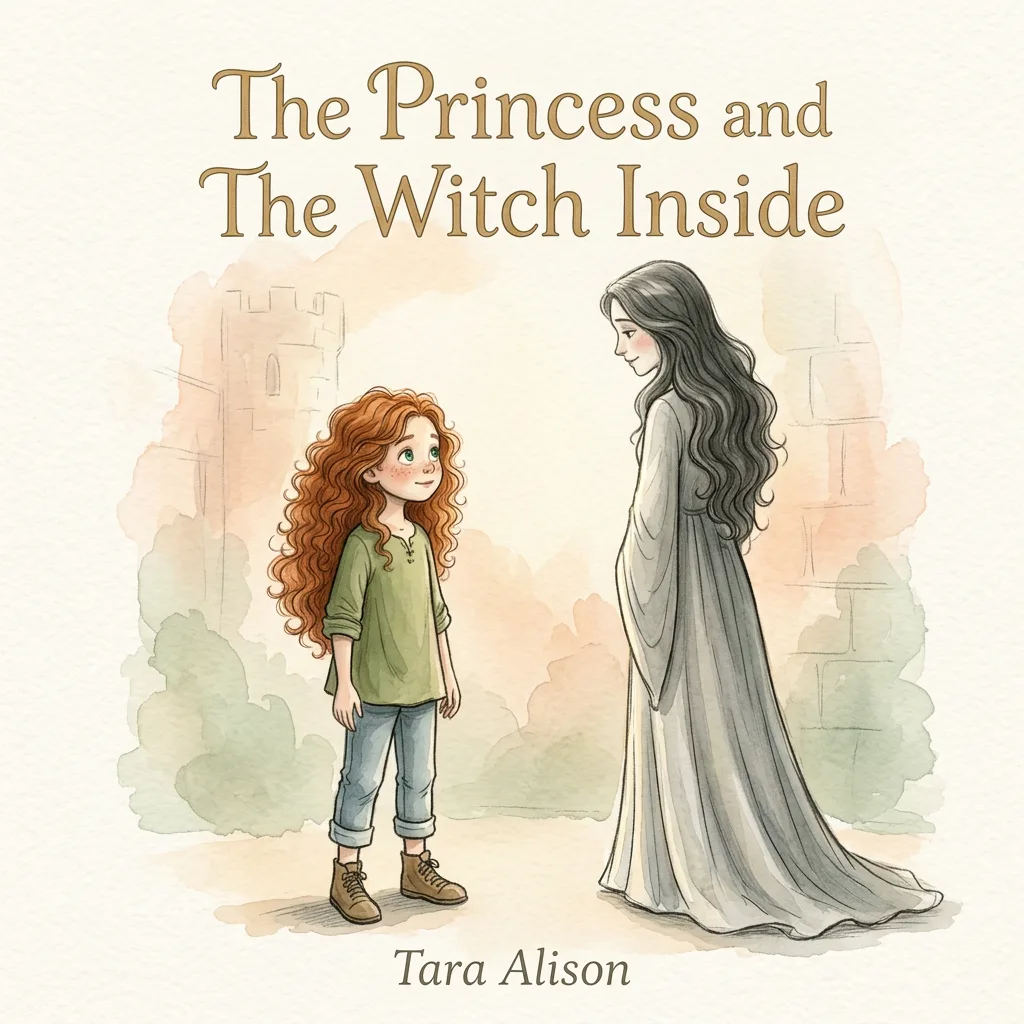
The Princess and the Witch Inside
Esme is loved, but a fast protective part keeps rushing in before she gets a turn. A quiet visitor helps her meet the witch inside — not as an enemy, but as a worried protector — and find her way back to the people she wanted to be with all along.
Free to read. You'll also get five free articles a week. Unsubscribe anytime.
How is PANDAS treated?
Treatment usually works on three fronts at once.
- Mental health support. The AAP recommends psychiatric and behavioral treatments such as cognitive behavioral therapy as first-line care for many symptoms. Some antidepressants can help OCD and anxiety, though children with PANS can be unusually reactive to them, so doctors start low. See Does CBT work for PANDAS and PANS?
- Treating infection. The AAP recommends antibiotics when a child has symptoms and a positive strep test, and does not recommend long-term antibiotics. If antibiotics seem to make things worse at first, read Antibiotics making PANDAS worse at first?
- Calming the immune system. For severe cases, specialists may consider treatments such as IVIG. The AAP says these can have serious side effects and should be reserved for rare cases, managed by an experienced team, ideally within clinical trials. Our article on IVIG side effects covers what families report.
Where do the experts disagree?
Openly, in a few places. The AAP report does not recommend testing every child with sudden neuropsychiatric symptoms for strep. The PANDAS Physicians Network, a group of clinicians who treat PANS, publicly asked the AAP to revise its report, arguing it left out more than 50 relevant studies and that pediatricians should test for strep in children with sudden OCD or restricted eating. Treatment protocols from the PANS Research Consortium also differ from the AAP on how actively to treat infections and inflammation.
What this means for you: two good doctors may give you different plans. Ask each one why. Our article on how to find a doctor who understands PANS helps you find someone experienced, and the medical reality of PANDAS and PANS goes deeper into the science.
How long do PANDAS flares last?
It varies widely. Many children have a relapsing-remitting course, with flares that ease over weeks to months and can return with new infections. Some recover fully. Others have a longer road. Knowing what sets off your child's flares is one of the most useful things you can learn. Read Symptom spike or flare? for how to tell the difference when your child gets sick.
What can I do at home right now?
- Start a written timeline today: onset date, illnesses, symptoms, medications
- Ask your pediatrician for a strep test if your child has any sign of infection
- Lower demands while your child is flaring. This is illness, not defiance.
- Tell the school what's happening, in writing
- Find your people. This guide for friends and family helps them understand.
When your child is frightened by their own thoughts, a story can help them name what's happening. The Princess and the Witch Inside is about the protective parts inside us and how a child learns to choose something new.
This is what LightMap was built for. Log the hard moments, even a little at a time, and LightMap uncovers what is driving them, coaches you on how to handle each one, and shows you which hours of your day need the plan. A record of every flare, illness and change is also what PANS doctors ask for first. Start free at LightMap.
For everything Birch & Light has written on this, visit our PANS and PANDAS guide for parents.
Start here
Find out what's really going on
The quiz points you toward what's driving it and what tends to help.
Take the quizOr get a free 15 minute LightMap Analysis with TaraFree. No card. 15 minutes.
 Not sure where to start? Ask me.Message Tara on WhatsApp. It really is me, I read everything and will personally respond.Click here to message Tara →
Part of the award-winning Birch & Light Method, honored with the Mom's Choice Gold Award for excellence in family resources.
Sources
Sources: Swedo SE, Leonard HL, Garvey M, et al. "Pediatric Autoimmune Neuropsychiatric Disorders Associated With Streptococcal Infections: Clinical Description of the First 50 Cases." Am J Psychiatry 1998;155(2):264-271. Chang K, Frankovich J, Cooperstock M, et al. "Clinical Evaluation of Youth with Pediatric Acute-Onset Neuropsychiatric Syndrome (PANS): Recommendations from the 2013 PANS Consensus Conference." J Child Adolesc Psychopharmacol 2015;25(1):3-13. "Pediatric Acute-Onset Neuropsychiatric Syndrome (PANS): Clinical Report." Pediatrics 2025;155(3):e2024070334. American Academy of Pediatrics, HealthyChildren.org. "PANS: Pediatric Acute-Onset Neuropsychiatric Syndrome." Cooperstock MS, Swedo SE, Pasternack MS, Murphy TK. "Clinical Management of Pediatric Acute-Onset Neuropsychiatric Syndrome: Part III, Treatment and Prevention of Infections." J Child Adolesc Psychopharmacol 2017;27(7):594-606. PANDAS Physicians Network. "Urgent Appeal to the AAP Regarding its PANS Clinical Report." March 26, 2025.
For education and reflection, not medical advice. Our terms
A story to read together
Sometimes the easiest way in is a story you read side by side.
- The Princess and the Witch Inside
Esme is loved, but a fast protective part keeps rushing in before she gets a turn. A quiet visitor helps her meet the witch inside — not as an enemy, but as a worried protector — and find her way back to the people she wanted to be with all along.
Read the story  Until I Don't
Rosie shines at dance, at school, with neighbors. At home, the smallest thing can tip her over. One quiet hallway moment helps her family finally find language for the part of her nobody else sees.
Read the story
Researched and drafted with AI assistance, reviewed before publication. Editorial standards