Three years in, you can tell the difference between your child and the illness within about four seconds of walking into a room. You know what a flare looks like before anyone else does. And you have noticed something that nobody in the treatment plan seems to want to say out loud: when she is in a flare, none of the therapy is in there. Not the coping cards, not the breathing, not the language she uses beautifully in a good week. It is gone, and then weeks later it comes back.
So you are left holding an expensive question. Is this working, or have you been paying for three years of something that only functions when she does not need it.
The measurement problem
Here is the trap, and it is a structural one rather than a failure of yours.
A relapsing illness gives you two children to observe. There is baseline, and there is flare. If you evaluate therapy by watching a flare, you are testing it in the state where the brain systems it depends on are inflamed. You will conclude it does nothing, every time, no matter how good the therapy is. And if you evaluate by watching a good week, you cannot tell how much of that is the therapy and how much is simply the absence of inflammation.
Most parents end up doing the first one, because flares are the part that hurts and the part you remember. You did not choose a bad measure. You were handed one.
The way out is to stop comparing flare to baseline and start comparing baseline to baseline. Not how she is today against how she was in July. How her best two weeks this spring compare with her best two weeks last spring.
What the research actually shows, including its limits
Be prepared for this to be thinner than you expect. There has never been a randomized controlled trial of exposure and response prevention specifically in PANS patients. What exists is two small open trials.
The one most likely to interest you studied seven children between nine and thirteen with PANDAS-subtype OCD, treated in a three week intensive program. Six of the seven were rated much or very much improved at the end. At three month follow-up, three of the six were still responders.
Seven children is a very small study and you should hold it loosely. But look at what that pattern says, because it matches what you are living. The therapy produced real, measurable gains in most of the children. Half of those gains had faded three months later. In an illness that relapses, treatment effects are not permanent installations. They are something closer to a level that has to be maintained, and a flare knocks it down.
The second finding is the one that may reframe your whole question. Across both trials, the children who completed ERP showed significant improvement in OCD symptoms and no significant reduction in anxiety, depression, or the other co-occurring neuropsychiatric symptoms.
Read that again against your own post. If what troubles you most is rage and anxiety, the evidence says those are the domains where this particular tool has not demonstrated much. That is not your therapist failing. It is a limitation of the modality that the literature already documents, and nobody may have told you.
What the consensus guidelines say
The PANS Research Consortium published treatment guidelines in three parts in 2017, and the behavioral part is the relevant one. Two things in it matter for your decision.
First, the consortium put symptomatic treatment in the primary position among the three sets of guidelines and advocated starting it as early as possible, while the infectious and inflammatory processes are being treated in parallel. Their position is that psychiatric and behavioral symptoms need simultaneous treatment, and that interventions tailored to the individual child can improve functioning during both the acute and the chronic stages of the illness.
So the guidelines do not say to pause therapy during a flare. They do say something more specific and easier to miss: delivering ERP to a child with acute, complex OCD alongside other neuropsychiatric symptoms may require a high level of individualization, sustained parent involvement in sessions, and explicit work on reducing family accommodation.
That is the sentence to hold onto. Not whether therapy, but whether this therapy has been individualized to a relapsing illness or has been running a standard pediatric OCD protocol at a child whose brain is periodically inflamed.
Therapy she cannot reach during a flare is not therapy that failed. It is therapy being asked to do the wrong job that week.
While you're here, take the guide
What's Underneath is free: the three body-state triggers under most meltdowns, what to say in the minute before it tips over, and how to reset afterward.

You'll get the guide instantly, plus five free articles in your inbox every week. Real challenges (meltdowns, school mornings, picky eating, big feelings) and how to actually handle them. Unsubscribe anytime.
The questions to bring to the therapist
You do not need to walk in and announce that you are quitting. You need answers to five things, and how the therapist responds will tell you more than any single answer.
- Does the plan change between flare and baseline? If the sessions look identical in both states, that is the gap. Flare weeks are for holding ground, safety, and keeping the relationship intact. Baseline weeks are when new skill building can actually stick.
- What is the target? If it is OCD symptoms, the evidence supports the approach. If the goal has quietly become rage and anxiety, ask directly what the plan is for those, since the trials did not find ERP moving them.
- Are we working on family accommodation? The guidelines name this explicitly and it is the piece most often skipped, partly because it asks parents to change rather than the child.
- Am I in the room? Parent involvement is not a nice extra in this population. It is in the guidelines.
- What would tell us this is not working? A therapist who can define that in advance is measuring something. One who cannot has been going session to session for three years, which is how three years passes.
How to actually tell, over the next few months
Four measures, none of which are how bad the last flare was.
Between-flare ceiling. How good is her best week now, compared with her best week a year ago. This is the single most honest number you have.
Flare duration. Length, not severity. If flares are running four weeks instead of seven, something in the overall plan is working even if the flares themselves look unchanged.
Recovery slope. How long from the flare easing to her being back to herself. This one moves before anything else does, and it is the earliest sign of progress most families never notice because nobody is writing it down.
Accommodation load. How much of your household is currently arranged around avoiding her symptoms. If that is shrinking during baseline periods, the therapy is doing something structural even if the flares are identical.
None of that is available from memory. Memory keeps the worst day of the month and discards the rest, which is why three years can pass without anyone being able to say whether the line is going up.
When changing course is the right call
There are reasonable grounds to stop or switch, and none of them are that she fell apart during a flare.
If the between-flare ceiling has not moved in a year, if the therapist cannot describe how the plan differs in a flare, if the work has never touched accommodation, if you have never been in the room, or if the target has drifted to symptoms the approach was not built for and nobody has said so, those are real reasons to ask for a different clinician or a different modality. Wanting your money to buy something is not a character flaw.
What would be a shame is stopping because you measured a treatment in the one window where it structurally cannot show up, and concluded from that it was never doing anything.
Her best week, how long the last flare ran, how many days to get back to herself: logged as they happen in LightMap, those become four numbers you can put in front of the therapist instead of an impression.
Sources: Storch et al., "Cognitive-Behavioral Therapy for PANDAS-Related Obsessive-Compulsive Disorder: Findings From a Preliminary Waitlist Controlled Open Trial," Journal of the American Academy of Child and Adolescent Psychiatry, 2006; Nadeau et al., open trial of ERP in PANS-related OCD, 2015; Sigra et al., review of treatment evidence in PANS/PANDAS, 2018; Thienemann et al., "Clinical Management of Pediatric Acute-Onset Neuropsychiatric Syndrome: Part I, Psychiatric and Behavioral Interventions," Journal of Child and Adolescent Psychopharmacology 27(7), 2017; Swedo, Frankovich and Murphy, "Overview of Treatment of Pediatric Acute-Onset Neuropsychiatric Syndrome," Journal of Child and Adolescent Psychopharmacology, 2017.
For education and reflection, not medical advice. Our terms
Before the next flare
Bring your doctor a timeline, not a memory
LightMap reads your hard days together and gives you answers. Start with one moment today.
Start with 3 moments Not sure where to start? Ask me.Message Tara on WhatsApp. It really is me, I read everything and will personally respond.Click here to message Tara →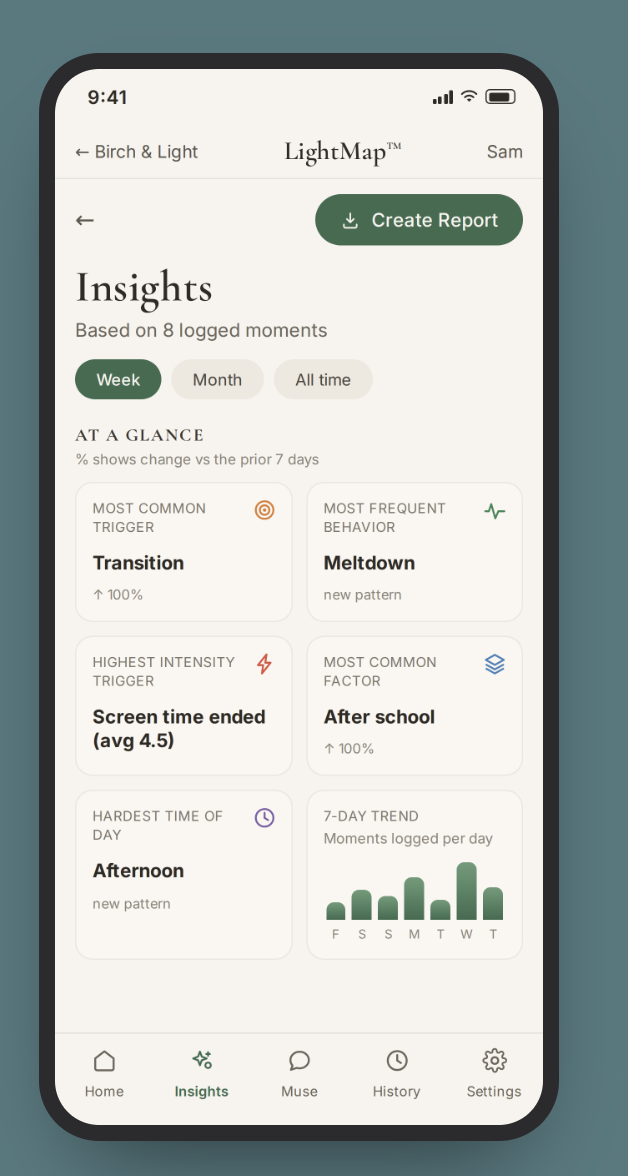

Part of the award-winning Birch & Light Method, honored with the Mom's Choice Gold Award for excellence in family resources.
A story to read together
Sometimes the easiest way in is a story you read side by side.
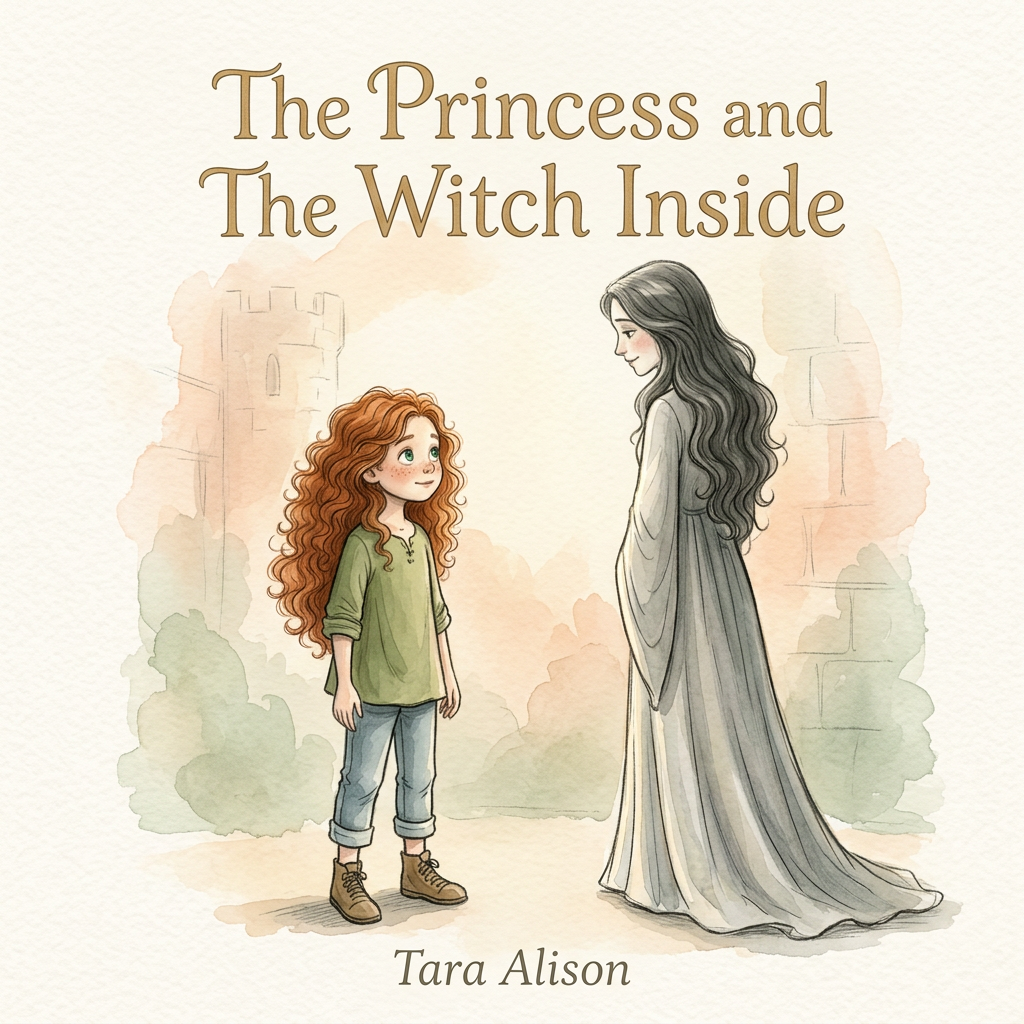 The Princess and the Witch Inside
Esme is loved, but a fast protective part keeps rushing in before she gets a turn. A quiet visitor helps her meet the witch inside — not as an enemy, but as a worried protector — and find her way back to the people she wanted to be with all along.
Read the story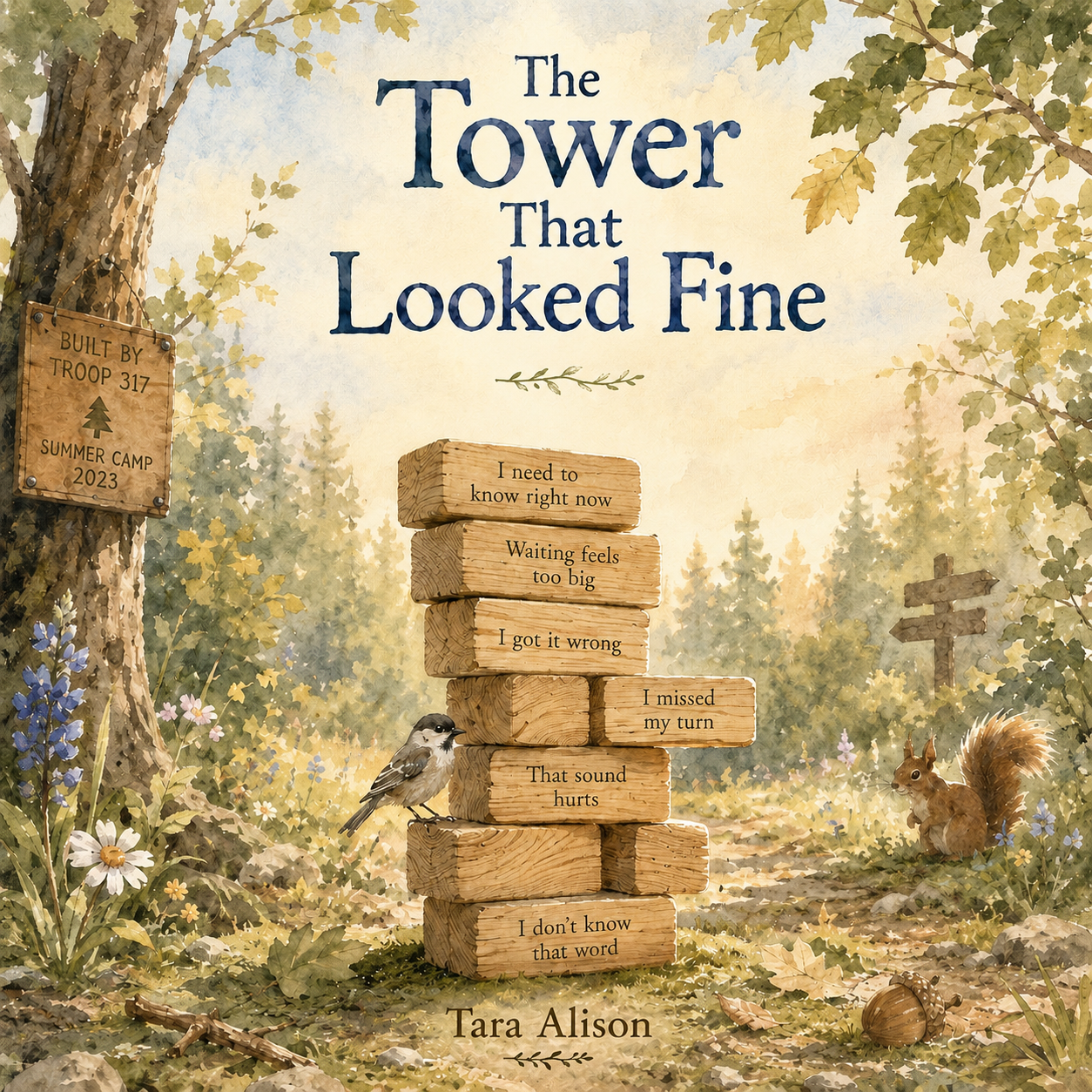 The Tower That Looked Fine
A tower in a quiet clearing tries to stay steady through every small thing nobody else seems to notice — until one tiny breath of wind causes her to fall, and a gentle hand begins to gather the blocks back.
Read the story
If today was one of those days
A few more from the library, free to read.
Researched and drafted with AI assistance, reviewed before publication. Editorial standards