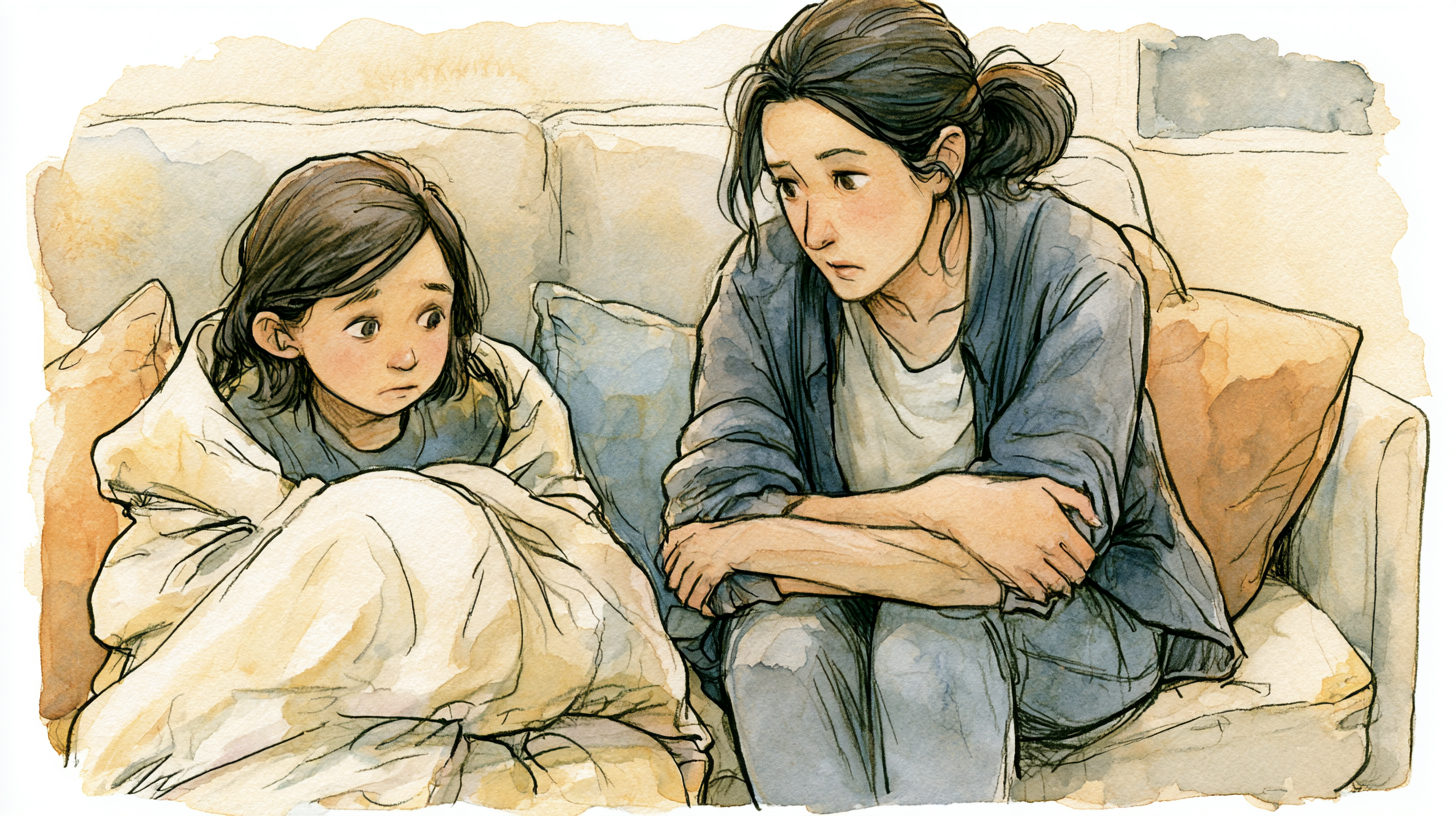
Parents describe it in strikingly similar language: "It was like someone flipped a switch." A child gets sick, strep, a flu, a stomach bug, an ear infection, sometimes something so mild it barely registered, and afterward, they are different. New anxiety that arrived overnight. Rages that were never there before. Sudden rituals, food refusal, bedwetting after years dry, handwriting that fell apart, a personality that seems, in the word parents keep reaching for, replaced.
If you are living this, two things need saying immediately. First: you are not imagining it, and the timeline you noticed is real information, write it down before it blurs. Second: sudden change after illness has real, physical explanations, and it deserves a medical conversation, not just a behavior plan.
The ordinary version: recovery debt
Start with the most common and least alarming explanation. Illness drains a child, and the drain outlasts the fever. Sleep got wrecked, appetite crashed, routines dissolved, school was missed, and a body that spent two weeks fighting something rebuilds slowly. Post-illness weeks often feature a clingier, weepier, more explosive child simply because capacity is at 40% while the world resumed charging full price. Some viruses, notably flu, mono, and COVID, drag a longer tail of fatigue and mood changes than parents expect.
The tells for this version: the change is a dialed-up version of your existing child (more tired, more fragile, more reactive), and the trend across weeks is slow improvement. The right response is patience, sleep, lowered demands, and time. If the trend line points up, however slowly, you are likely watching recovery.
The version that needs a doctor: sudden and new
But some post-illness changes are not a dialed-up version of your child. They are new equipment: abrupt onset of obsessions or compulsions, severe separation anxiety appearing overnight, dramatic food restriction, tics, rages with a quality you have never seen, urinary changes, deterioration in handwriting or school skills, sensory sensitivity that wasn''t there before. When changes like these appear suddenly, over days, not months, and especially following strep or another infection, that pattern has a name in the medical literature: PANS (pediatric acute-onset neuropsychiatric syndrome) and PANDAS (the strep-associated version), conditions in which an infection triggers an immune response that affects the brain.
The mechanism, in plain terms: sometimes the immune system, mobilized against an infection, mistakenly targets brain tissue involved in movement, emotion, and behavior. The result is a child whose behavioral change is, at root, inflammatory, which is why it can arrive with such shocking speed, and why parents'' instinct that "this is medical, not psychological" so often turns out to be worth pursuing. We''ve written a fuller guide in The Medical Reality of PANDAS and PANS.
While you're here, take the guide
What's Underneath is free: the three body-state triggers under most meltdowns, what to say in the minute before it tips over, and how to reset afterward.
You'll get the guide instantly, plus five free articles in your inbox every week. Real challenges (meltdowns, school mornings, picky eating, big feelings) and how to actually handle them. Unsubscribe anytime.
What to actually do
Document the timeline now. Dates of the illness, dates each new behavior appeared, what "before" looked like. Sudden onset is a key diagnostic feature, and your record of it is evidence no test can reconstruct later. Videos of new behaviors help more than descriptions.
Start with your pediatrician, and be specific. Not "he''s been difficult lately," but "within two weeks of a strep infection, my child developed overnight-onset compulsions and separation anxiety that did not exist before." Ask directly whether post-infectious causes should be ruled out, including a throat culture or strep titers if strep is plausible, some strep infections are silent. If the sudden-onset pattern fits and you are not getting traction, it is reasonable to seek a clinician familiar with PANS/PANDAS; awareness varies, and parents of these kids often report that persistence mattered.
Do not let anyone, including yourself, file a sudden change under "bad behavior." Discipline aimed at an inflamed brain fails and adds shame. Until the picture is clear, respond to the behavior as you would a symptom: keep everyone safe, lower demands, comfort more, punish less. You can be structured without being punitive.
Watch and log the course. Post-infectious conditions often flare and remit, worse with new infections, better between, and that sawtooth pattern is itself diagnostic information. A simple ongoing log of symptoms, illnesses, and exposures can become one of the most valuable documents in the eventual workup.
Hold two truths at once. Most post-illness behavior change is recovery debt and resolves with time. And a minority is something more, where speed of recognition genuinely matters. The sorting factors are suddenness, newness, and severity: gradual and familiar suggests patience; overnight and alien suggests appointments. Trust the switch-flip feeling if you have it. Parents notice the difference between "worn down" and "replaced," and the ones who acted on that noticing rarely regret it.
The timeline is everything with post-illness change, and memory is a poor historian under stress. LightMap can hold the record: log the behaviors as they appear, tag illnesses and flares, and you''ll walk into every appointment with the one thing that moves these conversations forward, a clear, dated picture.
Sources: Pediatric Acute-Onset Neuropsychiatric Syndrome (PANS) Clinical Report, American Academy of Pediatrics (2025); PANS Research Consortium diagnostic guidelines.
For education and reflection, not medical advice. Our terms
Before the next flare
Bring your doctor a timeline, not a memory
LightMap reads your hard days together and gives you answers. Start with one moment today.
Start with 3 moments Not sure where to start? Ask me.Message Tara on WhatsApp. It really is me, I read everything and will personally respond.Click here to message Tara →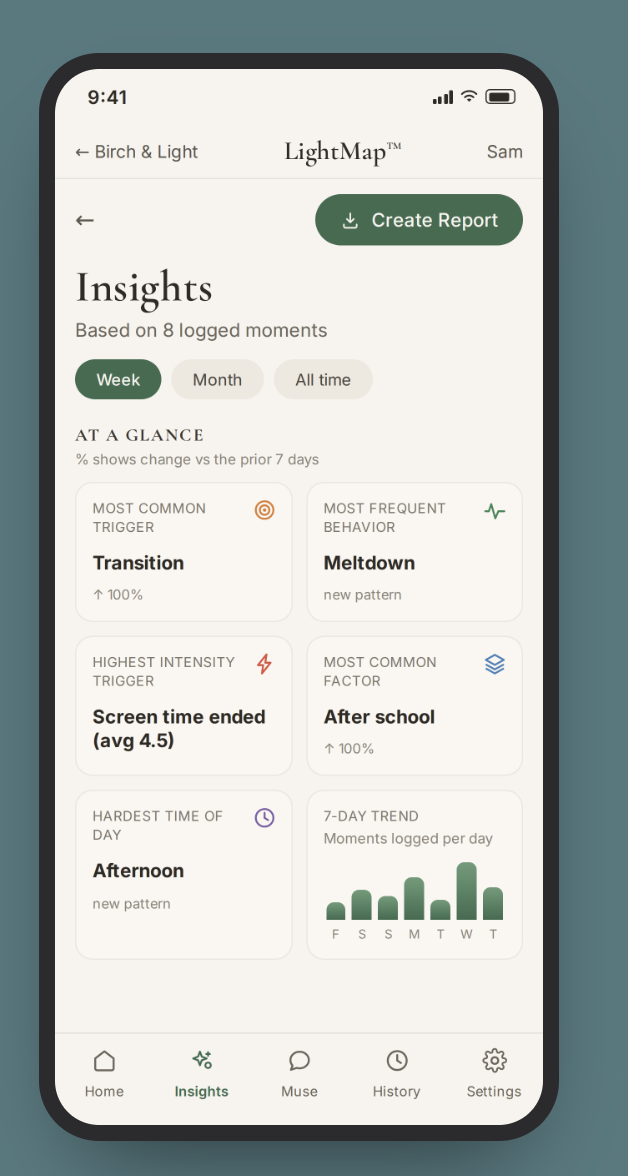

Part of the award-winning Birch & Light Method, honored with the Mom's Choice Gold Award for excellence in family resources.
A story to read together
Sometimes the easiest way in is a story you read side by side.
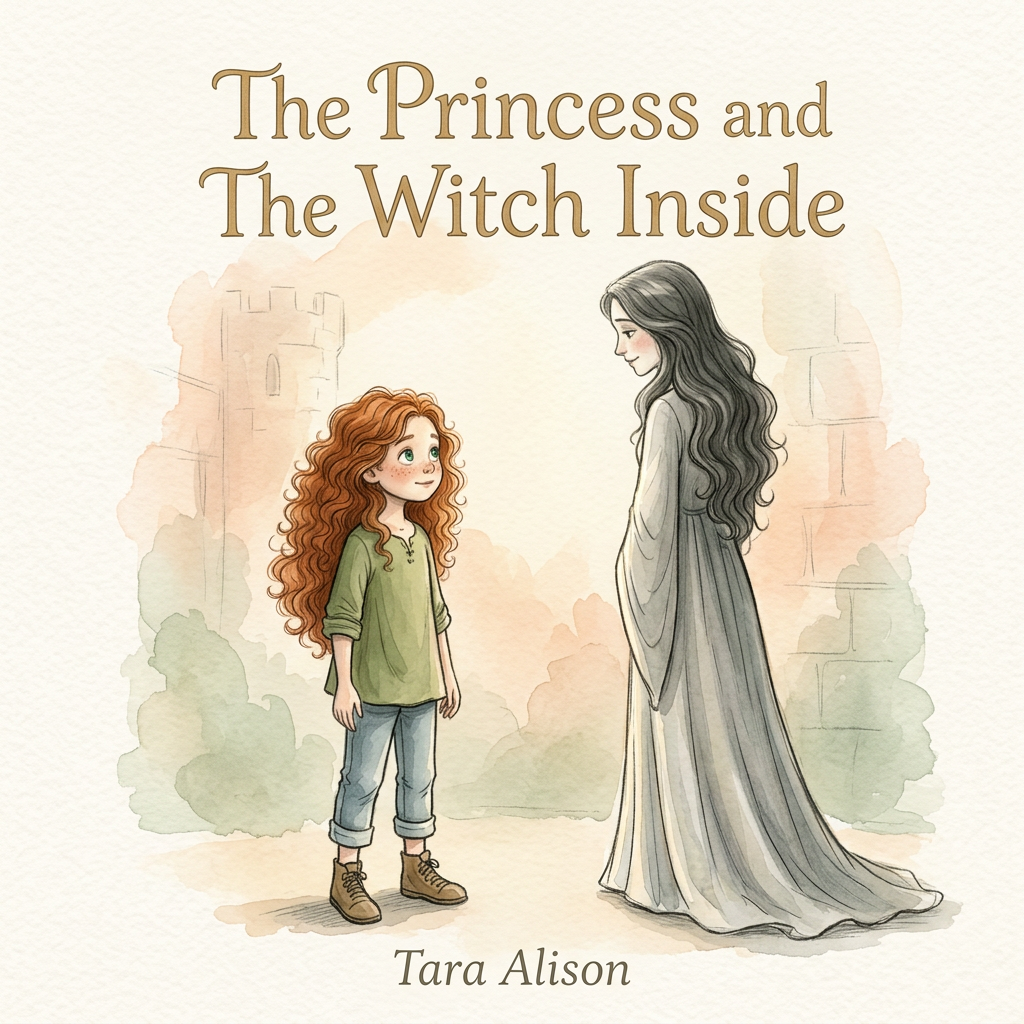 The Princess and the Witch Inside
Esme is loved, but a fast protective part keeps rushing in before she gets a turn. A quiet visitor helps her meet the witch inside — not as an enemy, but as a worried protector — and find her way back to the people she wanted to be with all along.
Read the story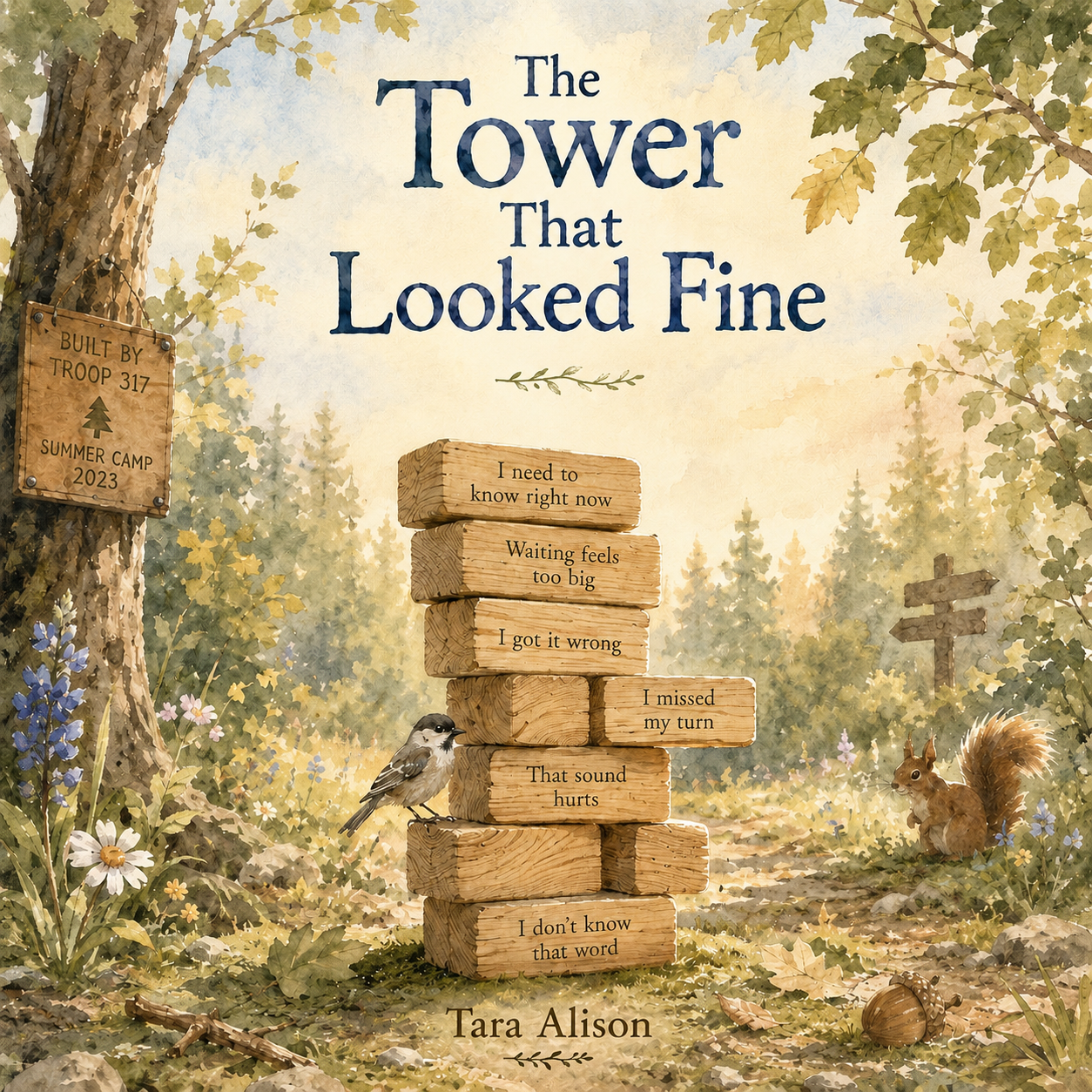 The Tower That Looked Fine
A tower in a quiet clearing tries to stay steady through every small thing nobody else seems to notice — until one tiny breath of wind causes her to fall, and a gentle hand begins to gather the blocks back.
Read the story
If today was one of those days
A few more from the library, free to read.
Researched and drafted with AI assistance, reviewed before publication. Editorial standards