
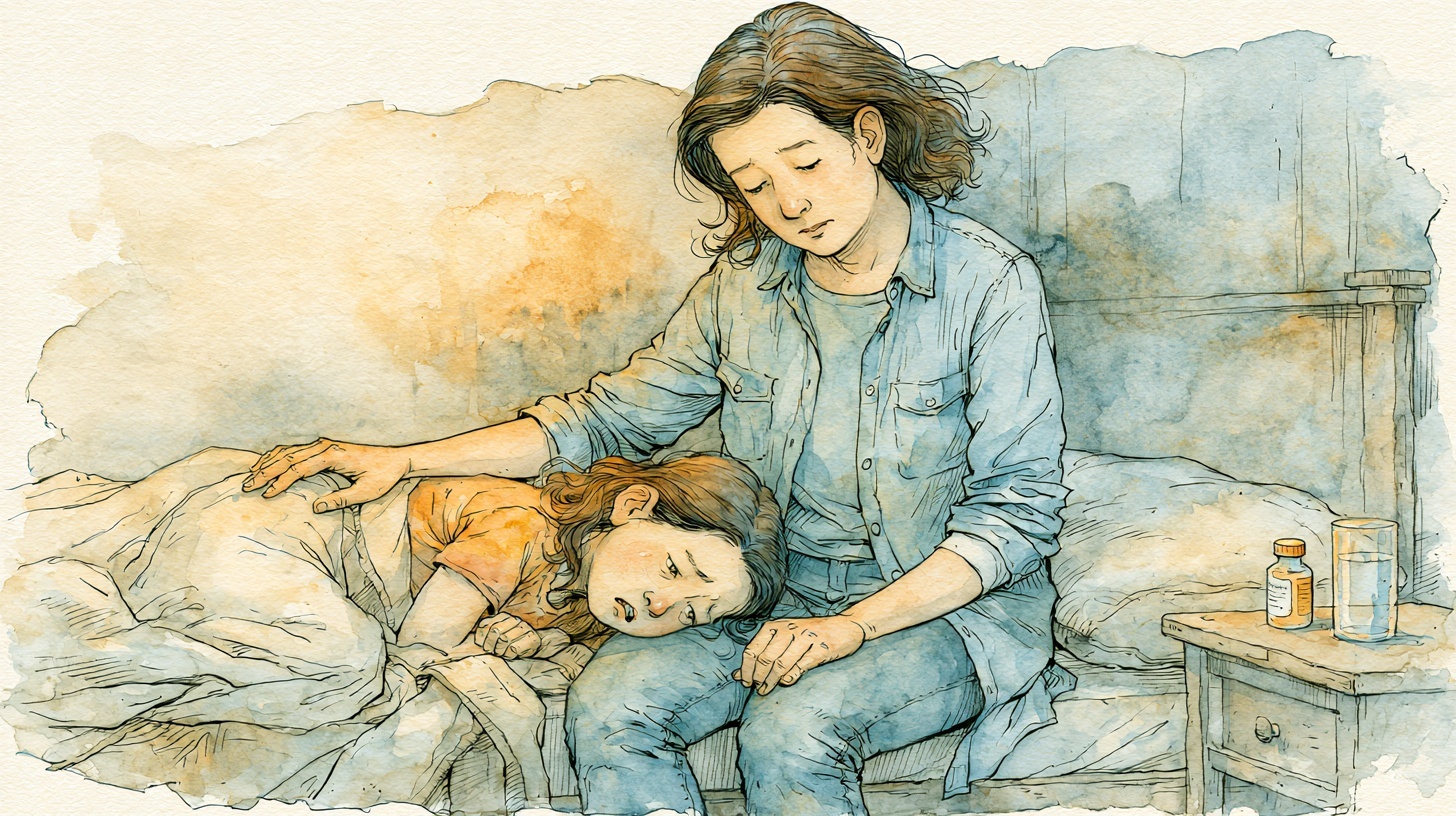
Your child finally starts a new antibiotic, the one you fought to get, and instead of relief the first few days bring the opposite. The tics get louder, the OCD digs in, the evening fears climb. And now you are second-guessing everything: is the medication wrong, is she getting sicker, did you make a mistake pushing for it? Almost every PANS/PANDAS parent hits this moment, and the panic is understandable, because the thing you hoped would help appears to be doing harm.
Before you conclude the antibiotic is failing, let us lay out what parents report, what is actually understood about this early-worsening window, and how to tell an expected bump from a reason to call.
Tired of guessing what set your child off? Log tonight's moment in LightMap.
What the community believes
Ask in any PANS/PANDAS group and the stories arrive fast: the child got noticeably worse in the first several days of azithromycin, amoxicillin, or a tickborne-illness protocol, then turned a corner a week or two in. Parents pass around one word for it, a "Herx," short for Herxheimer, and treat it almost as a rite of passage, sometimes even as a sign the medication is working. The framing is that things get worse before they get better, so you push through.
That many families noticing the same pattern earns the question respect. It does not mean the explanation is always right, or that worsening is always safe to ride out.
What a Herxheimer reaction actually is
The Jarisch-Herxheimer reaction is a documented phenomenon, first described in the treatment of syphilis and well recognized in the treatment of Lyme and other spirochetal infections. The idea is straightforward: when an antibiotic rapidly kills a large bacterial load, the dying organisms release fragments and toxins, and the immune system reacts to that debris with a burst of inflammation. Fever, chills, aches, and a temporary worsening of existing symptoms can follow, usually in the first hours to days, then settling.
In a child whose neuropsychiatric symptoms are inflammation-driven to begin with, it is biologically plausible that a die-off inflammatory surge would show up the way everything shows up in these kids: as a spike in OCD, tics, rage, or fear. That is the mechanism parents are pointing at when they say "Herx." It is worth being honest that the term gets applied broadly in the community, sometimes to worsening that has other causes, and the specific dynamics in PANS/PANDAS are not as thoroughly studied as the label's confident use suggests. Plausible and documented-in-Lyme is not the same as proven-in-your-child.
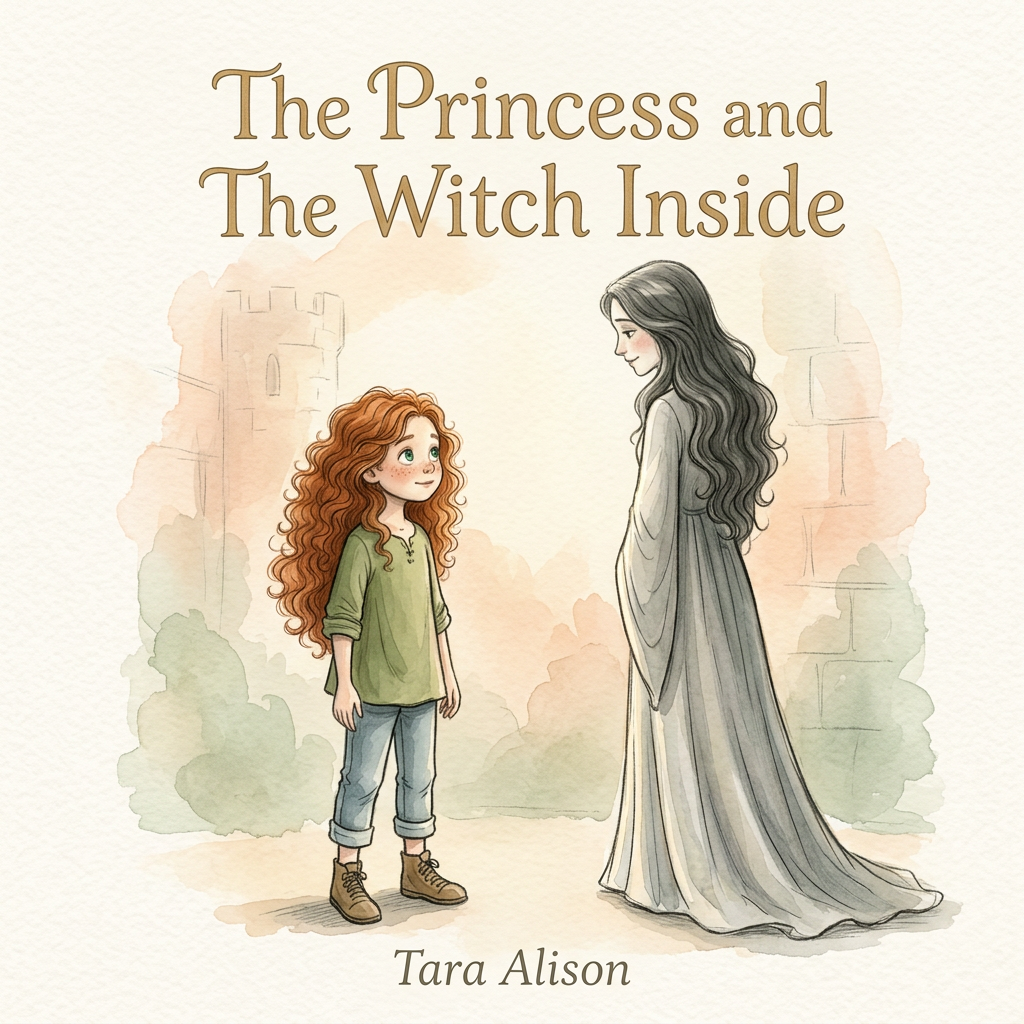
There's a story for this exact struggle
The Princess and the Witch Inside
Esme is loved, but a fast protective part keeps rushing in before she gets a turn. A quiet visitor helps her meet the witch inside — not as an enemy, but as a worried protector — and find her way back to the people she wanted to be with all along.
Free to read. You'll also get five free articles a week. Unsubscribe anytime.
The other things early worsening can be
This is the part that matters for safety, because not every spike in the first days is harmless die-off. A few other possibilities deserve to be on your radar:
- An allergic or adverse drug reaction. Rash, hives, swelling, trouble breathing, or GI distress are not a Herx and need a call to the prescriber, urgently if breathing is involved.
- The underlying flare simply continuing. If the infection or trigger driving the flare has not been touched yet, the antibiotic may not have engaged the actual culprit, and what you are watching is the flare marching on, not a reaction to treatment.
- A separate new trigger. These kids can catch something else, hit a stressor, or run into an unrelated exposure right as a medication starts, and the timing makes the drug look guilty.
- Sleep, timing, or dosing effects. Evenings are brutal for a lot of PANS/PANDAS children regardless of medication, and a symptom that is always worse at night can look like a drug reaction when it is really the daily pattern.
None of these are things to sort out alone from a comment thread. They are things to hand to the person who prescribed the medication.
What actually helps you tell the difference
The most useful thing you can do is get specific instead of general. "She is worse" is hard for a clinician to act on. A short log is not.
Note when the worsening started relative to the first dose, which symptoms climbed, what time of day they peak, and whether anything else changed in those same days: sleep, another illness, a missed dose, a new supplement. Track it for even a couple of days and a shape usually emerges. A tight cluster right after starting, easing as the days pass, fits the die-off story. A steady climb with no settling, or any sign of an allergic reaction, points somewhere else and earns a call.
The bottom line
Early worsening on a new antibiotic is a real and common experience in PANS/PANDAS, and a Herxheimer-type reaction is a genuine, documented possibility that often does settle within a week or two. It is also not the only thing that can cause a first-week spike, and a few of the alternatives are not safe to wait out. So the honest answer to "could the antibiotic be making her worse at first?" is yes, it can, and that is exactly why this is a moment to loop in the prescriber with your notes rather than to guess. You are not overreacting by asking. You are giving her doctor the information they need to tell an expected bump from a warning sign.
Telling an expected bump from a warning sign is much easier with dates in front of you. Logging symptoms and doses in LightMap from the first day of a new antibiotic gives her doctor something precise to read.
This is general information for parents, not medical advice. Any worsening on a medication, especially signs of an allergic reaction, should go to your child's prescriber or urgent care.
Sources: StatPearls (NCBI Bookshelf), American Journal of Tropical Medicine and Hygiene, Cleveland Clinic.
For education and reflection, not medical advice. Our terms
Before the next flare
Bring your doctor a timeline, not a memory
LightMap turns scattered hard days into a pattern you can see. Start by logging one moment tonight.
Find out why it keeps happening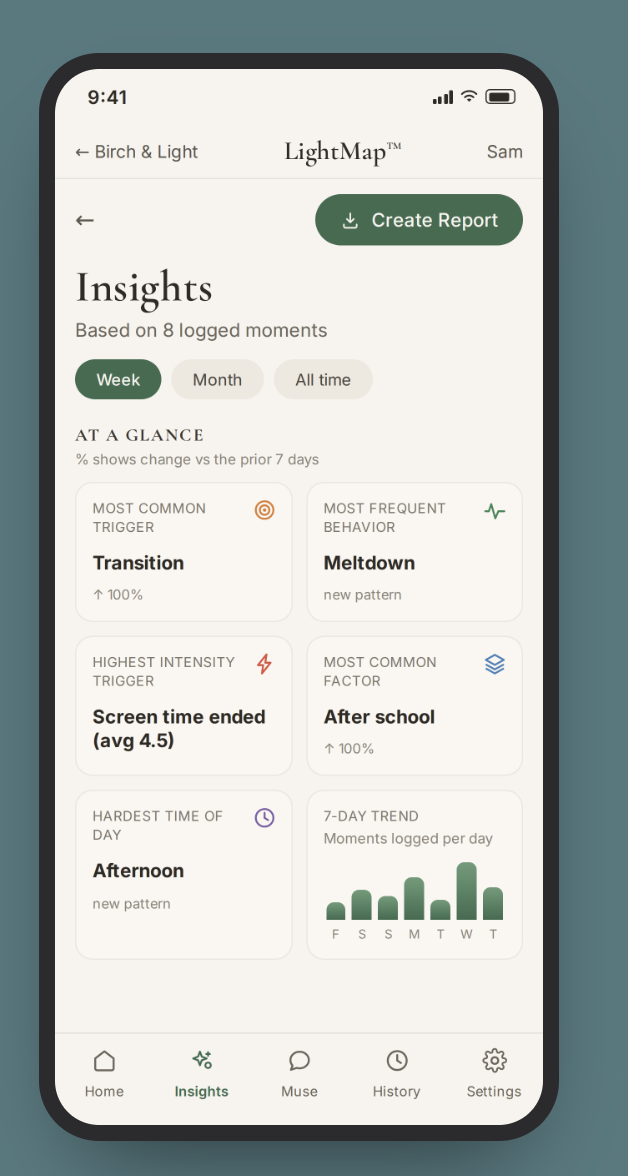

Part of the award-winning Birch & Light Method, honored with the Mom's Choice Gold Award for excellence in family resources.
Before you go, grab the free guide
The 3 body-state triggers under most meltdowns, a script for the 30 seconds before it tips over, and a reset for after. Free.

You'll get the guide instantly, plus five free articles in your inbox every week. Real challenges (meltdowns, school mornings, picky eating, big feelings) and how to actually handle them. Unsubscribe anytime.
A story to read together
Sometimes the easiest way in is a story you read side by side.
- The Princess and the Witch Inside
Esme is loved, but a fast protective part keeps rushing in before she gets a turn. A quiet visitor helps her meet the witch inside — not as an enemy, but as a worried protector — and find her way back to the people she wanted to be with all along.
Read the story 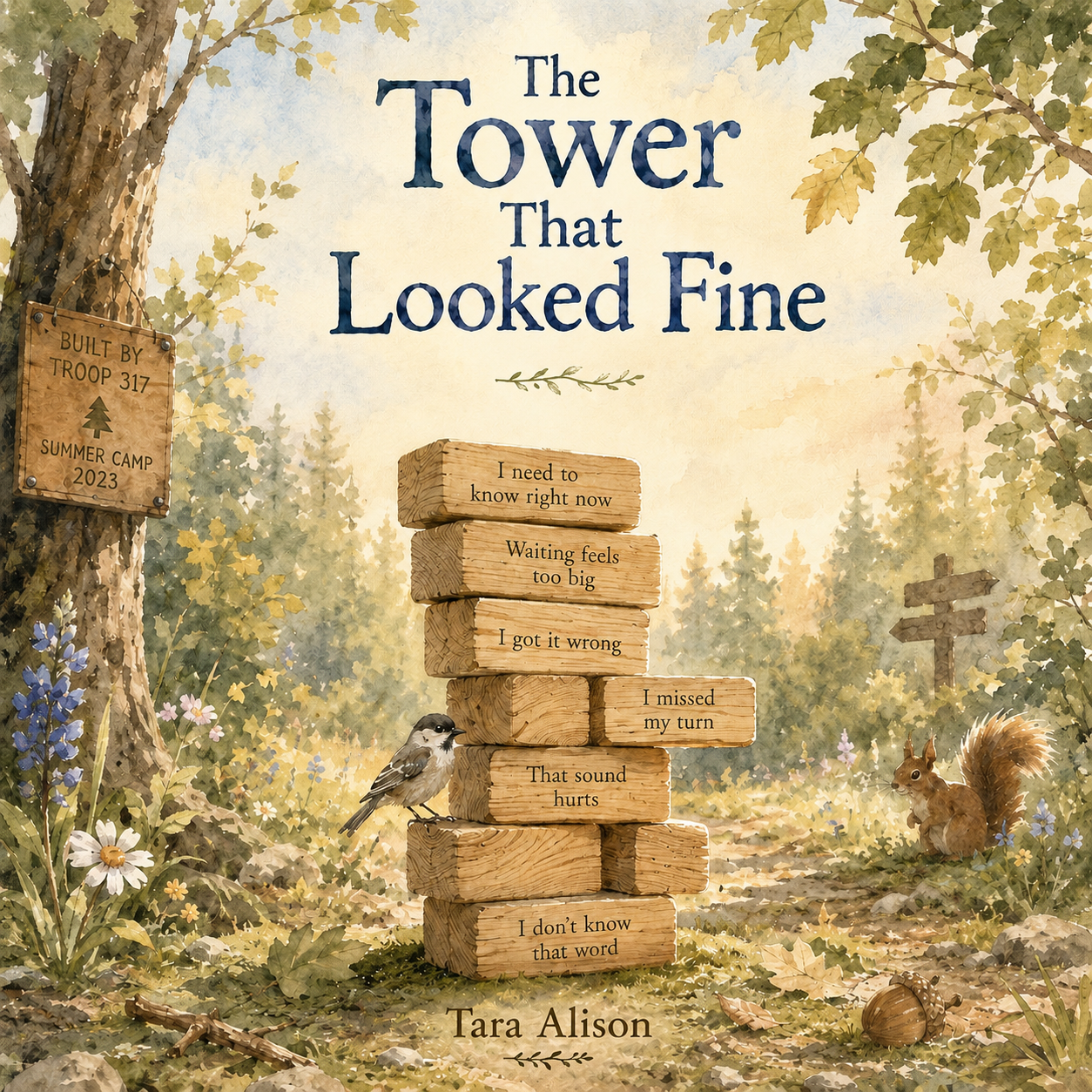 The Tower That Looked Fine
A tower in a quiet clearing tries to stay steady through every small thing nobody else seems to notice — until one tiny breath of wind causes her to fall, and a gentle hand begins to gather the blocks back.
Read the story
Researched and drafted with AI assistance, reviewed before publication. Editorial standards