
It happens to almost every PANS/PANDAS family eventually. Your child has been doing well since treatment, a stretch of genuinely good days, and then one evening a tic flickers back, or the anxiety spikes, and your mind rewinds the day looking for the cause. And there it is: the pizza. The goldfish crackers. The red slushie at the birthday party. Something they ate, hours before the symptom. The group confirms it instantly, someone always has a food story, and suddenly you are staring down an elimination diet and a new fear at every meal.
Before you empty the pantry, let us do what we did with mold and with chlorine: lay out what parents report, what is actually documented, and the explanation that is usually hiding in plain sight.
What the community believes
Food reactivity is a fixture of PANS/PANDAS parent culture. Integrative practitioners and community resources circulate lists of suspected aggravators, gluten and dairy at the top, then food dyes, corn, soy, eggs, sugar, high-histamine foods, along with the observation that some children seem newly reactive after onset to foods they previously ate without issue. The usual framing is that the underlying inflammation or gut disruption makes the child more "susceptible," so foods that never mattered before now do. Elimination diets are common advice, and some families genuinely report improvement on them.
As always, that many families noticing something earns the question respect. It does not settle the answer.
What is actually documented
Here is the honest state of it: there are no controlled studies showing that any food triggers PANS or PANDAS flares. The condition's documented triggers are infections, strep above all, with other infections implicated, and the diet claims rest on anecdote plus a plausibility argument (inflammation, gut-brain effects) that has not been tested in this population. The broader research on diet and tic disorders is similarly thin, mostly parent-report and small studies about dyes and additives with mixed results. "Not proven" is not the same as "disproven," and individual children can have real, testable food problems, true allergies, celiac disease, which belong with an allergist or GI doctor, not a Facebook thread. But a claim stated as settled fact, that a certain food or gluten set off a flare, is well ahead of anything science has shown.
The explanation hiding in plain sight: the sawtooth
Now the part that actually explains most of these stories. The documented course of PANS/PANDAS is not a light switch, symptoms on, then off forever after treatment. It is a sawtooth: flares follow infections, then improve gradually with time and treatment, and along the way symptoms wax and wane. A tic flickering back for an afternoon two or three weeks after a big flare is not an anomaly that demands a cause. It is the recovery curve doing exactly what recovery curves do, rippling on the way down.
This matters enormously for the food question, because the human brain is a cause-hunting machine. When a symptom reappears, we scan the recent past, and food is always in the recent past, a child eats several times a day, every day. Whatever your child ate in the hours before a ripple becomes the suspect, and the dozens of times they ate the same food with no ripple quietly vanish from the ledger. That is confirmation bias, and it comes for every worried parent, which is exactly why one exposure plus one symptom can never establish anything. A single data point has no pattern in it.
Notice, too, the detail that often sits right inside these stories: the child has eaten this exact food many times before with no reaction at all. That is not a mystery to explain away. That is evidence, and it points away from the food.
While you're here, take the guide
What's Underneath is free: the three body-state triggers under most meltdowns, what to say in the minute before it tips over, and how to reset afterward.
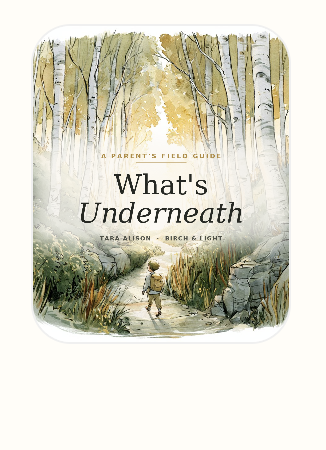
You'll get the guide instantly, plus five free articles in your inbox every week. Real challenges (meltdowns, school mornings, picky eating, big feelings) and how to actually handle them. Unsubscribe anytime.
How to actually test a food suspicion
Track before you cut. Log meals and symptoms daily for a few weeks, in a notebook or a tool like LightMap, and let the data speak. A real food reaction shows up as a repeating pattern across multiple exposures. A recovery ripple shows up as symptoms that fade over days regardless of menu. Most families who track discover the second.
If a pattern does repeat, test one variable with your clinician. Bring the log to the treating doctor, and if a trial removal is warranted, remove one food, for a defined window, with a plan to reintroduce and observe. That is an experiment. Removing five food groups at once forever is not; it makes any improvement uninterpretable and any conclusion unearned.
Do not run broad elimination diets on this population casually. This deserves saying: restricted eating is itself a core PANS symptom for many children, and layering parental food fear and shrinking menus onto a child whose relationship with food may already be fragile carries real risk. Any significant dietary change for a PANS/PANDAS child should happen with the treating clinician, and ideally a dietitian, in the loop, not because a comment thread was confident.
Rule the real things in or out properly. Hives, swelling, vomiting, or breathing changes after a food are allergist territory, urgently. Suspected gluten problems warrant celiac testing before going gluten-free, because the test stops working once gluten is gone. Genuine food conditions exist; they just have proper front doors.
The bottom line
A symptom flickering back during recovery is far more likely the sawtooth than the snack. Watch the trend across days, not the moment: ripples fade, flares build. If symptoms keep climbing, call the treating doctor and think infection exposure, not the snack. And note the calendar as well as the menu: if a ripple lands right around the end of a treatment course, that timing is worth reporting to the clinician on its own, because symptom shifts as treatment winds down are something they want to know about. And if you truly suspect a food, honor the suspicion the useful way, with a log, a single-variable test, and your clinician, rather than with a pantry purge that makes dinner a minefield for a kid who needs food to stay easy.
A single variable test needs a log to be worth anything. LightMap is a place to keep the food and the days around it, so four weeks later you have a real answer rather than a suspicion.
This article discusses general patterns and is not medical advice; always work with your child's treating clinician on treatment and dietary decisions.
Sources: Celiac Disease Foundation, PANS Research Consortium clinical guidelines.
For education and reflection, not medical advice. Our terms
Before the next flare
Bring your doctor a timeline, not a memory
LightMap reads your hard days together and gives you answers. Start with one moment today.
Start with 3 moments Not sure where to start? Ask me.Message Tara on WhatsApp. It really is me, I read everything and will personally respond.Click here to message Tara →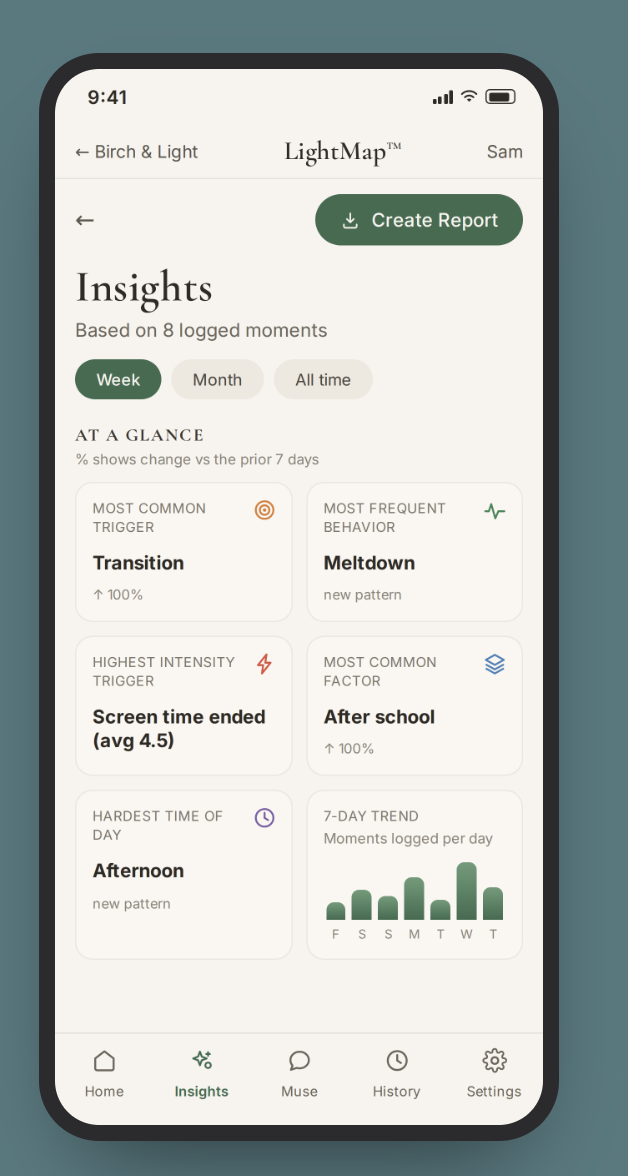

Part of the award-winning Birch & Light Method, honored with the Mom's Choice Gold Award for excellence in family resources.
A story to read together
Sometimes the easiest way in is a story you read side by side.
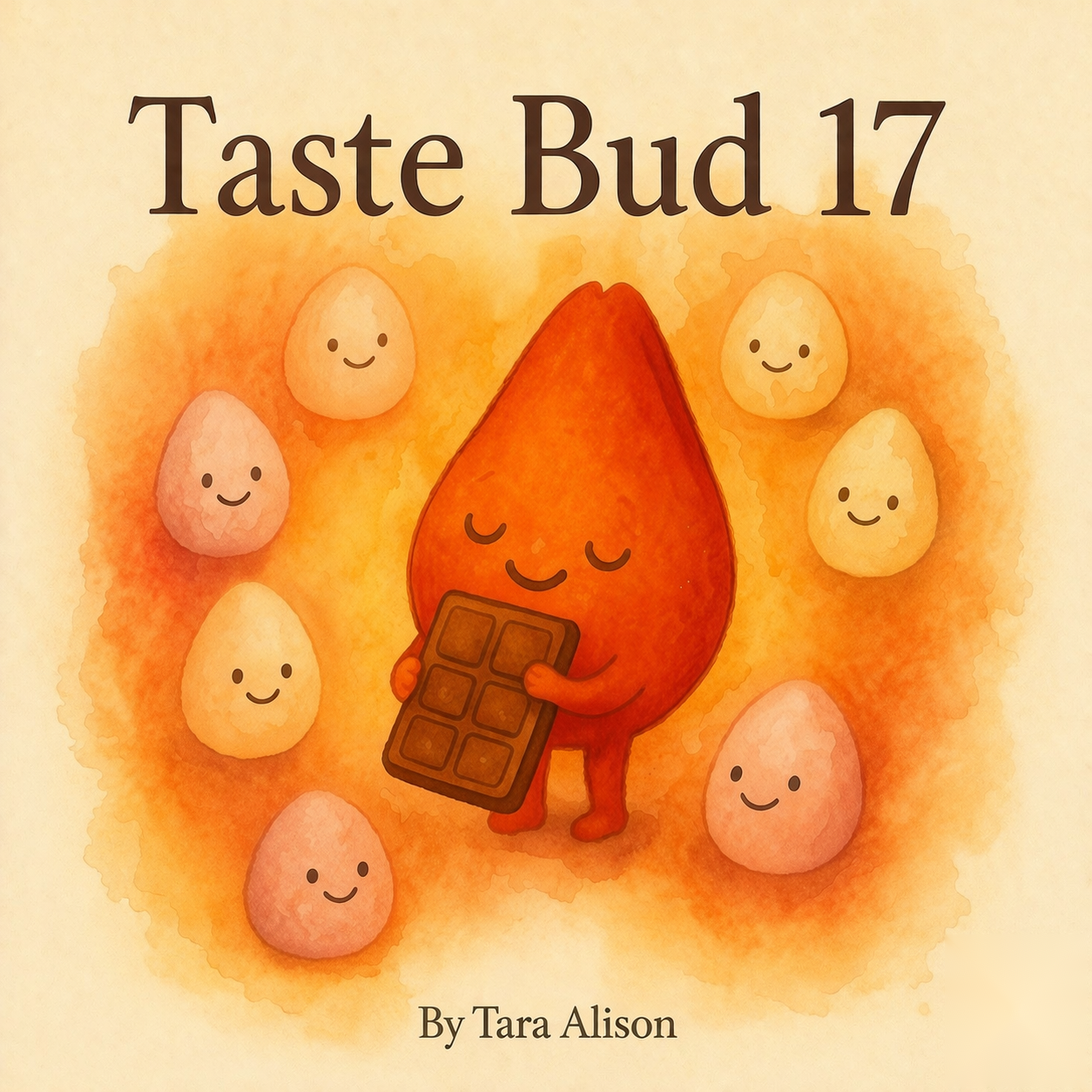 Taste Bud 17
Taste Bud 17 feels everything more — and learns that big sensory feelings deserve the same care as everyone else’s.
Read the story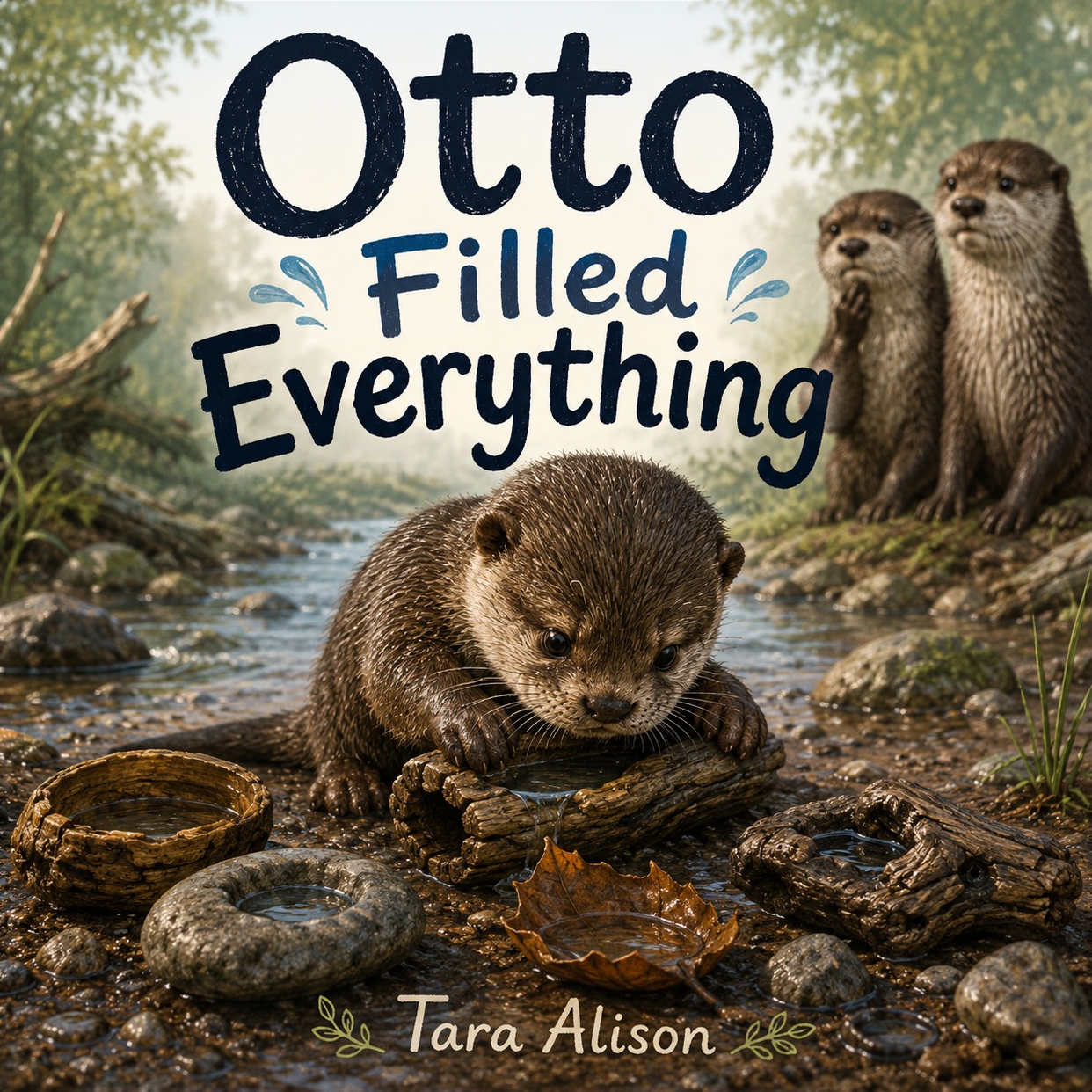 Otto Filled Everything
Otto can't stop filling things with water. His family doesn't understand — until Grandma Willow helps them listen to what his body is actually asking for.
Read the story
If today was one of those days
A few more from the library, free to read.
Researched and drafted with AI assistance, reviewed before publication. Editorial standards