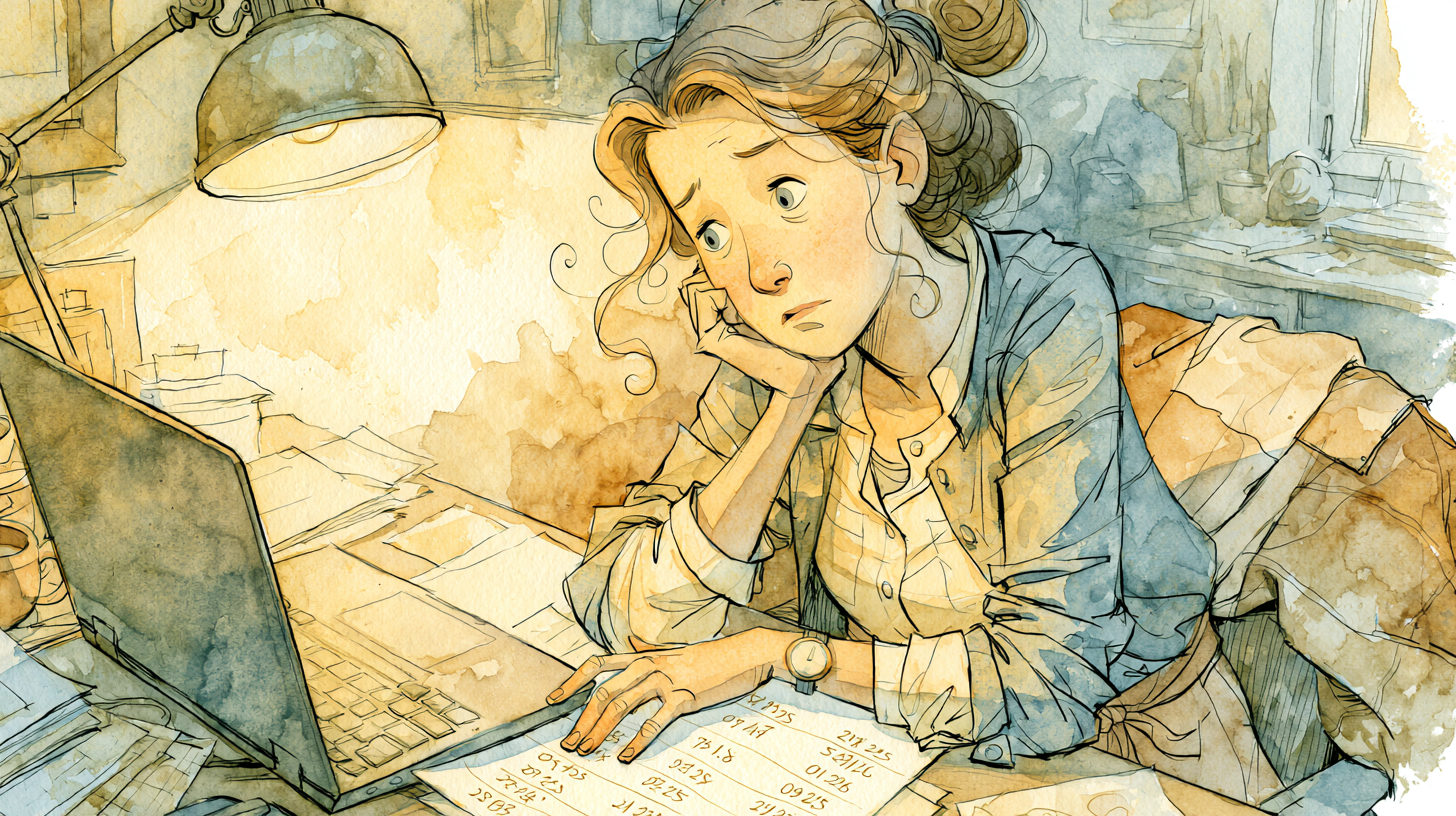
By the time most families type some version of "PANS doctor near me" into a search bar, they have already been through a particular gauntlet: a child who is seriously unwell, a stack of test results that keeps growing, explanations that keep multiplying, and no one holding the whole picture. Some families have been dismissed entirely. Others have the opposite problem, a binder full of diagnoses and protocols and a child too sensitive to tolerate any of them. Both roads end at the same question: who actually knows how to treat this, carefully, in order?
That doctor exists. Here is how families actually find them, and how to tell a good fit from an expensive detour.
Start with the real directories
There is no specialty board for PANS, so the useful maps live with the nonprofits that train and track clinicians in this space. Four are worth knowing. The Neuroimmune Foundation (neuroimmune.org) maintains a clinician directory and, just as importantly, runs ongoing medical education and case consultation for doctors, so its network includes clinicians who are actively learning this territory. ASPIRE (aspire.care) has a provider search. The PANDAS Physicians Network (pandasppn.org) keeps a practitioner directory built around published diagnostic and treatment guidelines. And PANDAS Network (pandasnetwork.org) lists practitioners along with regional support groups, which are themselves a source of local, current intelligence about who is seeing patients and who has a two-year waitlist. A handful of academic centers also run dedicated programs, Stanford's PANS clinic being the longest established, and while their waitlists are real, some consult with local physicians even when they cannot take your child directly.
One more path families overlook: the doctor you already have. Published guidance is explicit that primary care physicians can diagnose and deliver most first-line PANS treatment. A pediatrician who is willing to learn, reading the treatment guidelines, joining the Neuroimmune Foundation's clinician education programs, consulting on your child's case, is sometimes worth more than a famous name eight states away, because they can see your child next week and the week after that.
What a good fit looks like for a sensitive kid
Some children with PANS react to seemingly everything: medications, supplements, dose changes. If that is your child, the published treatment guidance is on your side, it specifically advises starting low and going slow with these kids. So the doctor you are looking for has a recognizable shape. They believe the sensitivity rather than dismissing it. They change one thing at a time, at low doses, with a plan for what a reaction would mean and what happens next. They sequence treatment instead of stacking it. They tell you what order things will happen in and why. They coordinate with your other providers rather than operating in a silo, and there is a way to reach them between visits when something goes sideways, because with a reactive kid, something will.
You can screen for all of this before spending money. Most offices will answer a short email: Do you treat PANS regularly? What does your typical first plan look like? How do you approach kids with strong medication sensitivities? The answers, and the speed and tone of them, tell you most of what you need.
While you're here, take the guide
What's Underneath is free: the three body-state triggers under most meltdowns, what to say in the minute before it tips over, and how to reset afterward.
You'll get the guide instantly, plus five free articles in your inbox every week. Real challenges (meltdowns, school mornings, picky eating, big feelings) and how to actually handle them. Unsubscribe anytime.
Red flags worth taking seriously
Desperate families are a market, and this corner of medicine has actors who serve the desperation more than the child. Be cautious with any practice where everything starts at once: a dozen supplements, several medications, and a restrictive diet on day one, which is uninterpretable in a sensitive child, since when something goes wrong nobody can say what caused it. Be cautious when every visit adds a new diagnosis but no visit reassesses whether anything already prescribed is working. Be cautious with large prepaid cash packages, with promises of recovery on a timeline, and with anyone who discourages second opinions or refuses to communicate with your child's other doctors. None of these mean a clinician is wrong about everything. They mean the burden of proof just went up, and with a child this sick, you are allowed to hold it there.
Make the first appointment count
Whoever you find, the single highest-leverage thing you control is the story you hand them. A written timeline beats an hour of recollection: onset date and what preceded it, every treatment tried with doses and dates, what happened on each, including the reactions, and what school, sleep, and eating look like now. For a sensitive child, the reaction history is not a side note, it is the map. It is also the point to know what a proper workup covers, so that you can tell whether the plan you are offered is thorough: PANS testing and what to ask for. A doctor who can see that your child reacted at a quarter dose of three different things will plan differently from day one, which is exactly what you have been asking for.
The right phrase for what you want is the one you already know: step by step. It is a completely legitimate demand. The clinicians worth finding will not be offended by it. They will say it back to you.
That treatment-and-reaction timeline is tedious to reconstruct from memory and effortless to build as you go. LightMap keeps symptoms, changes, and reactions in one dated record you can hand to every new clinician, so nobody starts from zero again.
Sources: Neuroimmune Foundation, ASPIRE (Alliance to Solve PANS and Immune-Related Encephalopathies), PANDAS Physicians Network, PANDAS Network.
For education and reflection, not medical advice. Our terms
Before the next flare
Bring your doctor a timeline, not a memory
LightMap reads your hard days together and gives you answers. Start with one moment today.
Start with 3 moments Not sure where to start? Ask me.Message Tara on WhatsApp. It really is me, I read everything and will personally respond.Click here to message Tara →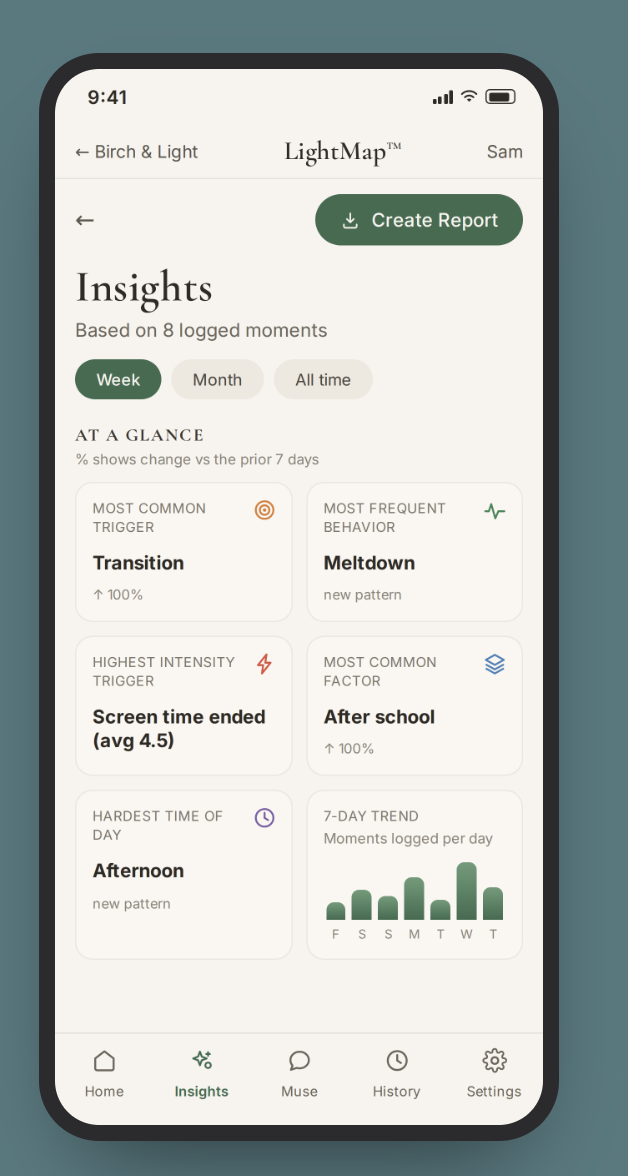
Part of the award-winning Birch & Light Method, honored with the Mom's Choice Gold Award for excellence in family resources.
A story to read together
Sometimes the easiest way in is a story you read side by side.
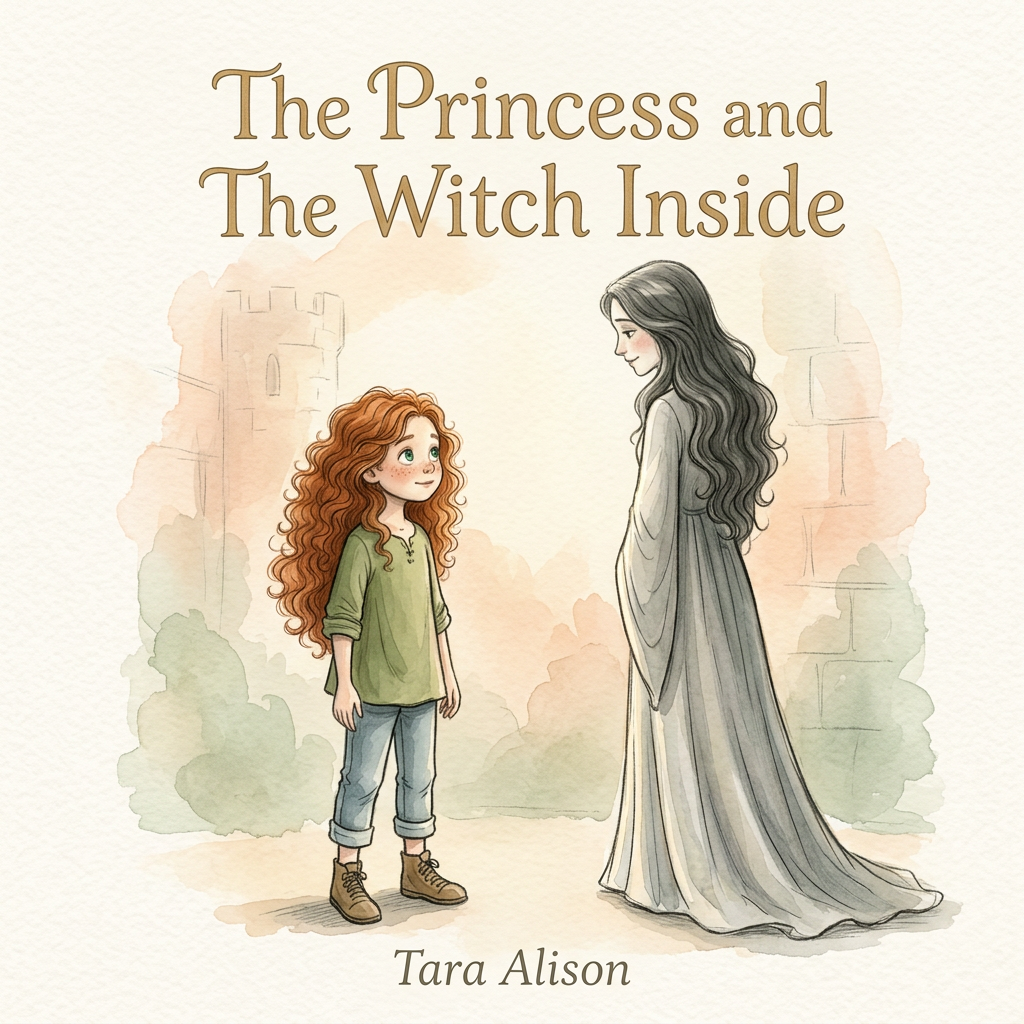 The Princess and the Witch Inside
Esme is loved, but a fast protective part keeps rushing in before she gets a turn. A quiet visitor helps her meet the witch inside — not as an enemy, but as a worried protector — and find her way back to the people she wanted to be with all along.
Read the story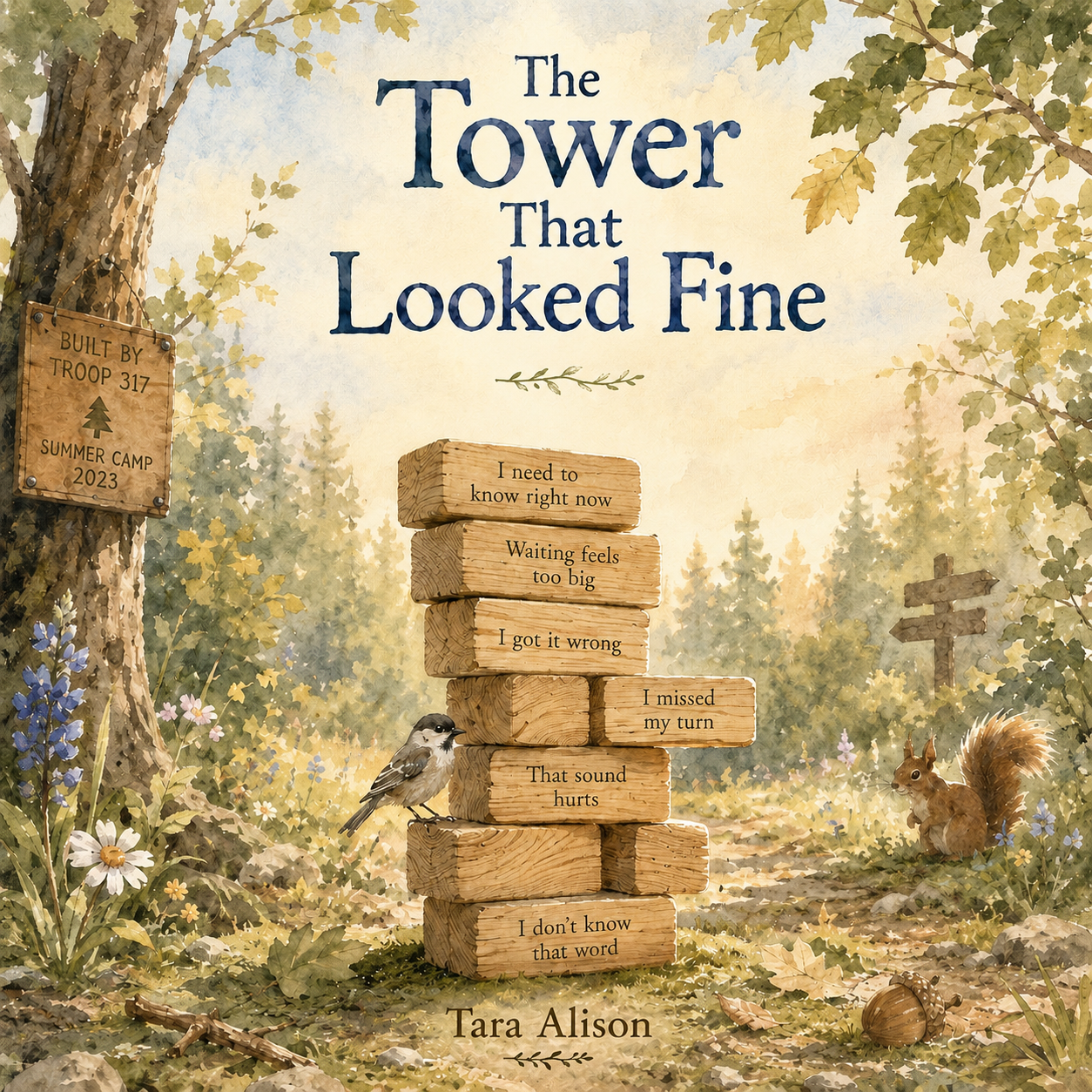 The Tower That Looked Fine
A tower in a quiet clearing tries to stay steady through every small thing nobody else seems to notice — until one tiny breath of wind causes her to fall, and a gentle hand begins to gather the blocks back.
Read the story
If today was one of those days
A few more from the library, free to read.
Researched and drafted with AI assistance, reviewed before publication. Editorial standards