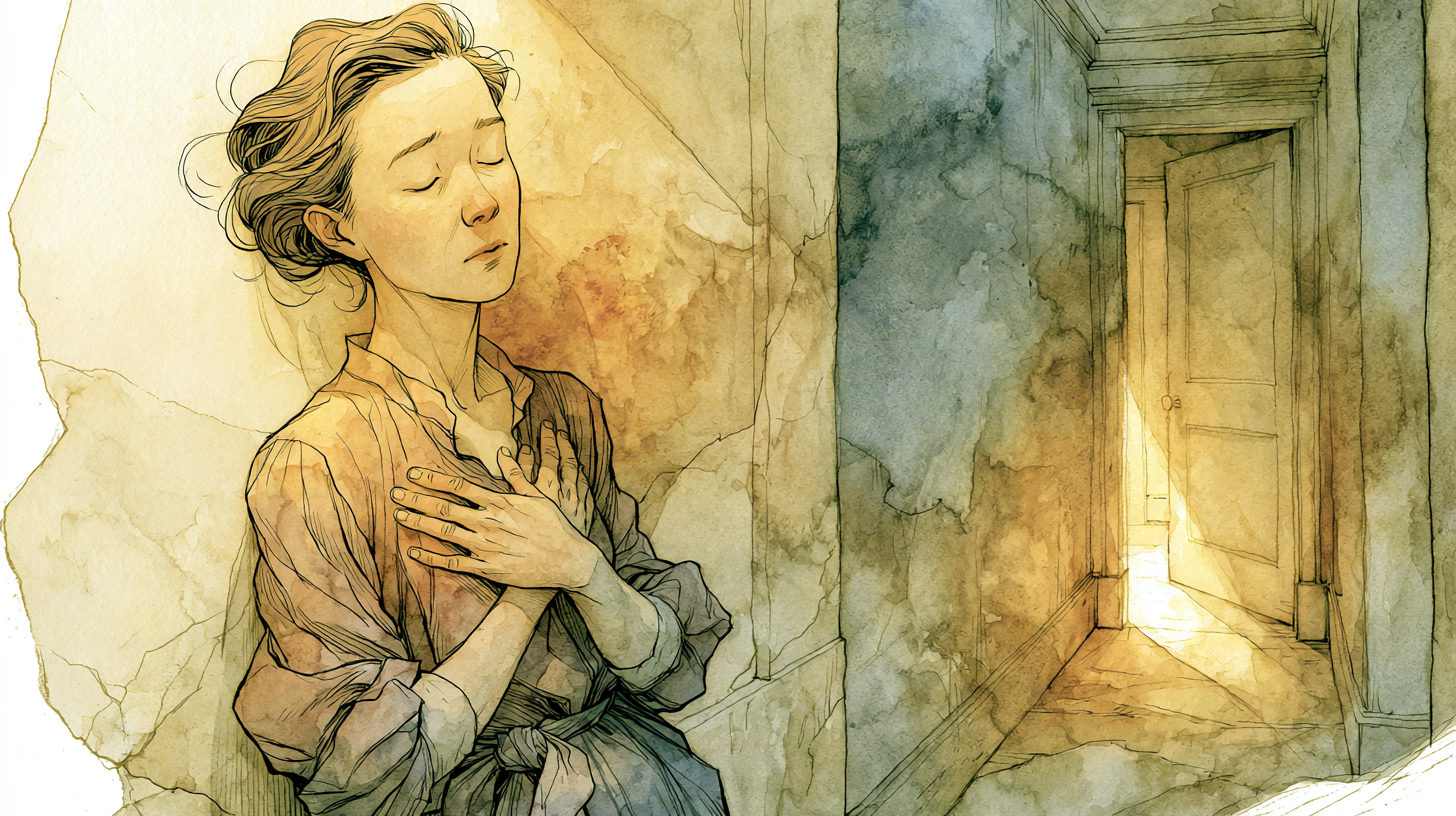
There is a sentence parents only ever say in a whisper, if they say it at all: I am starting to feel like I am in an abusive relationship with my own child.
If some version of that sentence has crossed your mind, this article is for you, and the first thing you need to hear is that you are describing something real, studied, and far more common than anyone admits. It even has a name: child-to-parent aggression. It spikes in early adolescence, it gets more frightening as kids get bigger than us, and it is one of the most underreported family struggles in existence, because what parent walks into a room and admits they flinch when their child comes downstairs?
You are not a bad parent for reaching for the word abuse, and you are not exaggerating. I lived a version of this in my own house, and I will say what took me years to let myself think: it is a form of domestic abuse. Not as a metaphor. Researchers call it child and adolescent to parent violence and abuse, CAPVA, and in the UK it is named in the government's own statutory guidance on domestic abuse. The dynamic is abusive even though the person driving it is a child you love and would take a bullet for. Both of those things are true at once, and you need both. Naming the abuse is what unlocks help. Remembering the child is what keeps the help aimed at the pattern instead of at him.
And there is one difference that makes this form crueler than the kinds with hotlines on television. Every other kind of domestic abuse comes with the same advice at the bottom of the page: leave. This is the kind with no exit. You cannot leave, you would not want to, and you are somehow the victim, the protector, and the person responsible for the one hurting you, all in the same body, often while the outside world sees a lovely child. If you have wondered why this is breaking you faster than other hard seasons have, that is why. Living with harm you cannot escape and cannot even name in public is one of the heaviest loads a nervous system can carry. It deserves more support than any other form of abuse, not less, and instead it usually gets none. Naming what is happening is not a betrayal of your child. It is the first move in changing it.
The whiplash is real, and so is your reaction to it
One of the cruelest features of this pattern is the switch. Vicious during the storm, then affectionate minutes later, warm voice, as if nothing happened. Here is what is true about both halves: the storm is not who he is, and the warmth is not an act. Kids who do this are state-switching. In the dysregulated state, the reasoning, empathetic parts of the brain are offline. When regulation returns, so does the child you love, often with shame riding underneath the sweetness.
But here is the part nobody tells parents: knowing that does not switch off your nervous system. When you have been hurt or threatened repeatedly and unpredictably, your body learns to brace. If the affectionate voice that follows the storm has started to make your skin crawl, that is not coldness and it is not you failing to love him. It is threat conditioning, the completely normal response of a nervous system that has been on duty too long. Your reaction is information. It is telling you the current arrangement is not survivable long term, and it is right. If you have already reached the point of shouting back and then hating yourself for it, what to do after you lose it and yell is the companion piece to this one.
While you're here, take the guide
What's Underneath is free: the three body-state triggers under most meltdowns, what to say in the minute before it tips over, and how to reset afterward.

You'll get the guide instantly, plus five free articles in your inbox every week. Real challenges (meltdowns, school mornings, picky eating, big feelings) and how to actually handle them. Unsubscribe anytime.
Why giving in keeps growing it
Families under this kind of pressure reorganize around the storm without ever deciding to. Broken things get quietly replaced. Rules soften to avoid the explosion. Everyone reads his mood before making plans. Each accommodation lowers the temperature today and raises it next month, because the household keeps confirming that the storm is the most powerful force in the house. This is not a criticism. It is what every family does under siege. It is also the pattern that has to break, and the good news is that breaking it does not require winning fights with a teenager the size of an adult.
The approach built for exactly this
There is an evidence-based approach designed specifically for child-to-parent aggression, called Non-Violent Resistance, or NVR. Its core insight is liberating: you stop trying to control the child, which was never working, and start controlling your own responses, which is fully in your power.
In practice that looks like: refusing to be pulled into battles in the hot moment, using delay as strength, saying calmly that you will respond to this later, and then actually returning to it once everyone is regulated. Making short, non-negotiable announcements about what you will no longer accept and what you will do, rather than demanding he change. Breaking the secrecy by recruiting supporters, relatives, friends, other adults who know what is happening, because isolation is the fuel this pattern runs on. And, crucially, pairing all of that resistance with deliberate gestures of connection that are not contingent on his behavior, so the message is never you are unloved, always this stops. Ask for NVR-trained practitioners or parent groups by name. In the UK the route runs through your GP with a referral request in writing, and the organization PEGS specializes in supporting parents living with exactly this.
Bottom lines while you get there
A few structural moves that hold the line in the meantime. Make a simple safety plan everyone knows: when hitting starts, where each person goes, including you, because leaving the room is not losing. Stop replacing what gets broken out of the family budget; earning replacements back is not cruelty, it is the world working the way the world works. Protect the siblings deliberately, both from the aggression and from the lesson that this is what gets tolerated, because they are keeping score even when they are quiet. And keep one small ritual with him that survives everything, a show you watch or a food run, so the relationship account never hits zero.
You are part of this equation
One more thing. A parent absorbing this alone, pushing the feelings down and holding the household together on willpower, is running on a battery that does not recharge itself. Getting your own support, a therapist, a parent group, one adult who knows the whole truth, is not self-care fluff. In the NVR model it is literally part of the treatment. And a kid this age, this size, in this much distress, deserves a proper evaluation, not because something is wrong with him as a person, but because no family should be asked to solve this with love and endurance alone.
The fifty-fifty split you are living is also a map. Logging when the storms hit and what surrounds them in a tool like LightMap often shows the pattern hiding inside the chaos, which is the first thing any professional you bring in will want to see.
Wanting to protect your love for your child is one of the most honest goals a parent has ever named. You do not protect it by enduring more. You protect it by refusing, calmly and with help, to let this pattern keep writing the story.
If you want a companion for seasons like this one, What's Underneath: A Parent's Field Guide to the Hard Moments is a short, calm map for the moments when things fall apart.
For education and reflection, not medical advice. Our terms
See what's underneath
Stop guessing what set it off
LightMap reads your hard days together and gives you answers. Start with one moment today.
Start with 3 moments Not sure where to start? Ask me.Message Tara on WhatsApp. It really is me, I read everything and will personally respond.Click here to message Tara →

Part of the award-winning Birch & Light Method, honored with the Mom's Choice Gold Award for excellence in family resources.
A story to read together
Sometimes the easiest way in is a story you read side by side.
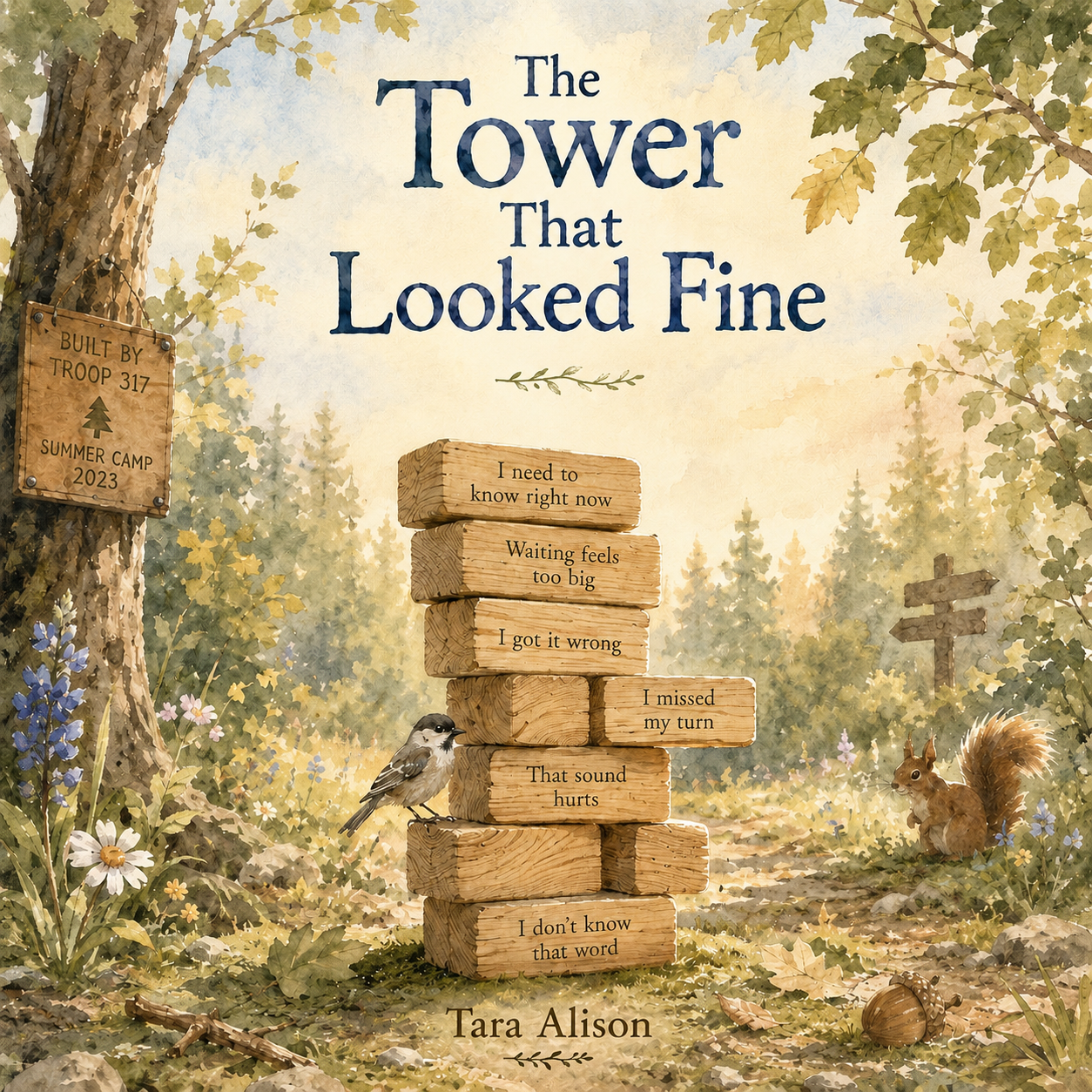 The Tower That Looked Fine
A tower in a quiet clearing tries to stay steady through every small thing nobody else seems to notice — until one tiny breath of wind causes her to fall, and a gentle hand begins to gather the blocks back.
Read the story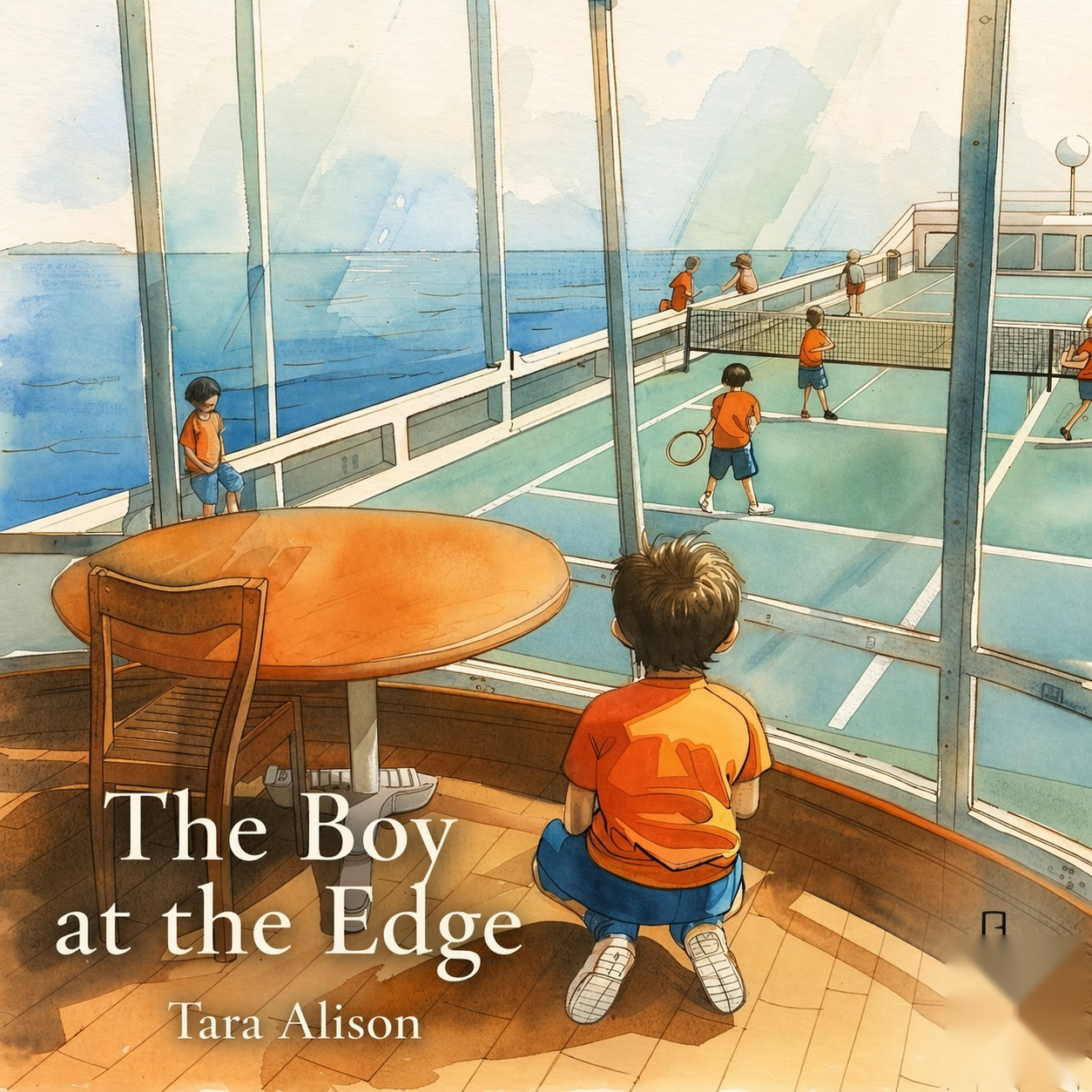 The Boy at the Edge
A boy finds calm by watching the world move from a window. When his stillness is mistaken for defiance, the moment escalates — and he learns that being calm doesn’t always protect you from being told no.
Read the story
If today was one of those days
A few more from the library, free to read.
Researched and drafted with AI assistance, reviewed before publication. Editorial standards