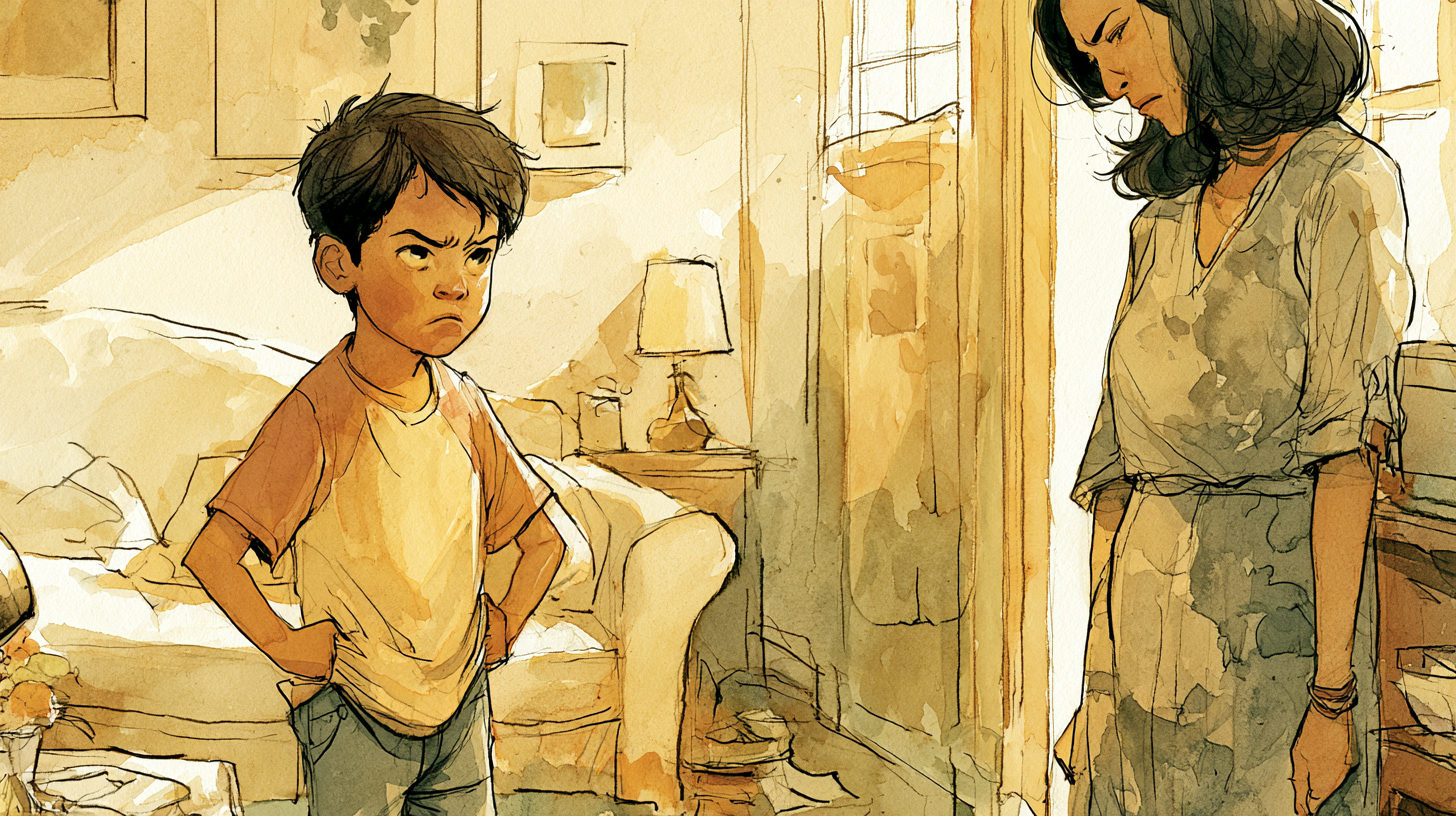
You've tried everything.
You've taken away screens. You've added chores. You've done the sticker chart, the point system, the calm voice, the firm voice, the logical consequence, the natural consequence. You've read the books. You've followed the advice.
And things keep escalating.
Every consequence you add seems to make the behavior bigger, not smaller. Every limit you enforce produces a louder, longer, more exhausting response than the one before it. You're not getting through. And somewhere underneath the exhaustion, a quiet, terrible thought has started to form: what if nothing works with this child?
Here's what I want you to consider before you go any further down that road.
Consequences are a tool designed for a specific situation. They work when a child is making a choice — when they have the capacity to weigh the cost of a behavior and adjust accordingly. When the behavior is a decision, consequences can change the math on that decision.
But not all behavior is a decision.
And when consequences are applied to behavior that isn't a choice — behavior that is coming from a dysregulated nervous system, from overwhelm, from anxiety, from a child who genuinely cannot do what is being asked of them in that moment — they don't change the math. They add to the load. And a nervous system that is already overwhelmed, receiving more pressure, tends to do one thing: escalate.
What Escalation Actually Tells You
When a child consistently gets worse in response to consequences — not occasionally, not on bad days, but as a reliable pattern — the escalation itself is information.
It is telling you that what you are dealing with is not primarily a compliance problem. It is a regulation problem. A capacity problem. A nervous system that does not have the resources, in those moments, to respond to consequences the way a regulated child would.
This is not a parenting failure. It is a signal that the situation requires a different lens.
What's Often Happening Beneath the Surface
There are several things that can produce behavior that looks like defiance but doesn't respond to consequences the way defiance should.
Anxiety driving the refusal. A child whose nervous system is in a state of alarm is in fight, flight, or freeze. Consequences land as additional threats. Additional threats increase the alarm. The behavior gets bigger because the perceived danger just got bigger.
Demand avoidance. For some children, particularly those with a demand-sensitive nervous system, demands themselves — regardless of their content — trigger an automatic resistance response. This is not a choice. It is a nervous system pattern. Consequences add more demand, which increases the resistance, which looks like escalating defiance. The same mechanism is why calm down does not work in the moment, since it is one more instruction landing on a system with nothing spare.
Shame spirals. A child who already feels bad about themselves — who carries a chronic sense of being wrong, broken, or too much — receives a consequence and experiences it as confirmation of that belief. Shame doesn't motivate. It immobilizes. Or it explodes outward as rage.
Cumulative overwhelm. A child who has been managing a hard day, a hard week, or a hard year may be operating with so few internal resources that what looks like defiance is actually a system that has simply run out. Consequences in this state don't reach the part of the brain that could use them. They just add more weight.
A mismatch between expectation and capacity. Sometimes what looks like a child refusing to do something is a child who genuinely cannot do that thing at that level of demand, at that time, in that environment. Consequences don't build capacity. They just punish its absence.
While you're here, take the guide
What's Underneath is free: the three body-state triggers under most meltdowns, what to say in the minute before it tips over, and how to reset afterward.

You'll get the guide instantly, plus five free articles in your inbox every week. Real challenges (meltdowns, school mornings, picky eating, big feelings) and how to actually handle them. Unsubscribe anytime.
The Escalation Cycle
Most families dealing with this pattern describe a cycle that goes something like this.
The child does something — refuses a request, has a meltdown, hits a sibling, walks away from a task. The parent applies a consequence. The child escalates. The parent applies a bigger consequence. The child escalates further. Eventually someone reaches a breaking point — the child collapses, or the parent backs down, or the situation resolves through sheer exhaustion rather than through anything that could be called a solution.
And then it happens again tomorrow.
The cycle continues not because the parent is doing it wrong, but because the tool being used — consequences — is not matched to the problem being addressed.
What to Try Instead
This is not an argument against limits or structure. Children need both. But when consequences are consistently making things worse, it is worth shifting the question from "what consequence should I apply?" to "what is happening in my child's nervous system right now, and what does it need?"
Lower the demand in the moment. Not permanently. Not as a surrender. But in the acute moment, reducing the pressure on an overwhelmed nervous system often makes more possible, not less.
Get curious before you get consequential. What happened before this? What is the state of their nervous system right now? Are they hungry, tired, overstimulated, coming off a hard social experience? The behavior makes more sense — and becomes more addressable — when you know what preceded it.
Address the regulation first. A child who is dysregulated cannot learn, cannot reflect, and cannot respond meaningfully to a consequence. Getting the nervous system settled — through presence, through co-regulation, through reducing threat — is the precondition for everything else.
Look for the pattern, not just the incident. If escalation happens consistently in certain situations, at certain times of day, after certain types of experiences — the pattern is telling you something specific about what your child's nervous system is struggling with. That information is more useful than any consequence.
Build capacity over time. The goal is not to find the right consequence. It is to help your child's nervous system develop more capacity to handle demand, uncertainty, and frustration — so that the triggers get smaller and the responses become more manageable. This is slower work. It happens in calm moments, not crisis ones.
What This Is Not
This is not permission to have no limits.
This is not an argument that behavior doesn't matter.
This is not a suggestion that your child should face no accountability.
It is a suggestion that when consequences consistently make things worse, the most useful thing you can do is get curious about why — because the answer to that question is where the real work lives.
Your child is not broken. The tool is mismatched.
Every behavior is a clue.
If consequences have never quite worked the way they're supposed to in your house, LightMap can help you start tracking the patterns — when escalation happens, what precedes it, and what your child's nervous system might actually need. Explore LightMap at birchandlight.com/lightmap.
For education and reflection, not medical advice. Our terms
See what's underneath
Stop guessing what set it off
LightMap reads your hard days together and gives you answers. Start with one moment today.
Start with 3 moments Not sure where to start? Ask me.Message Tara on WhatsApp. It really is me, I read everything and will personally respond.Click here to message Tara →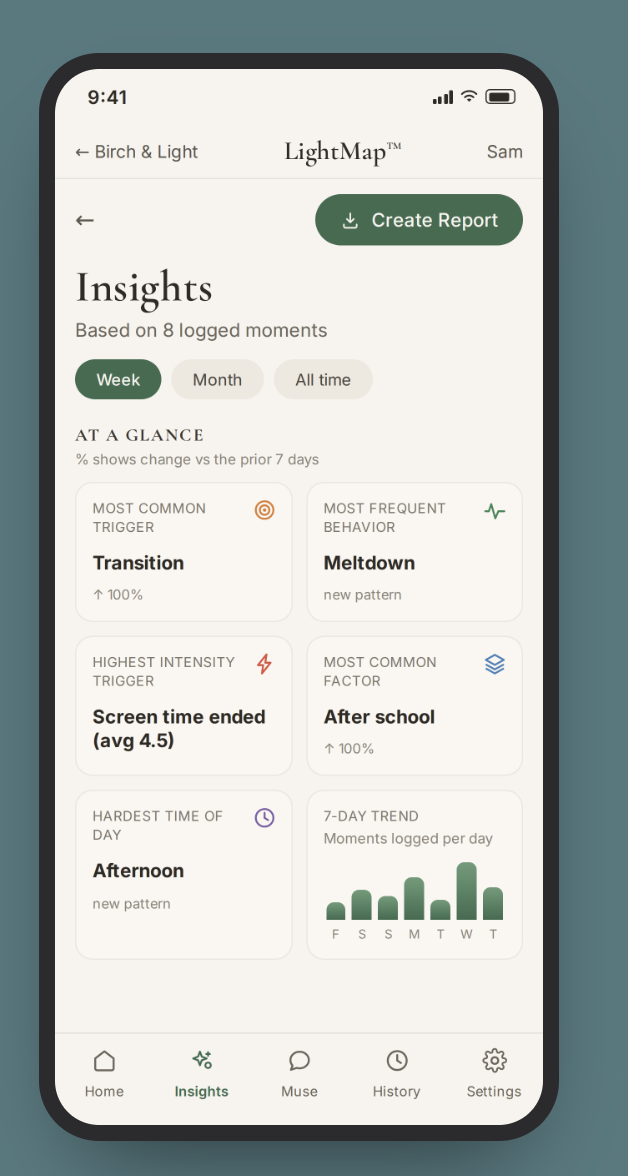

Part of the award-winning Birch & Light Method, honored with the Mom's Choice Gold Award for excellence in family resources.
A story to read together
Sometimes the easiest way in is a story you read side by side.
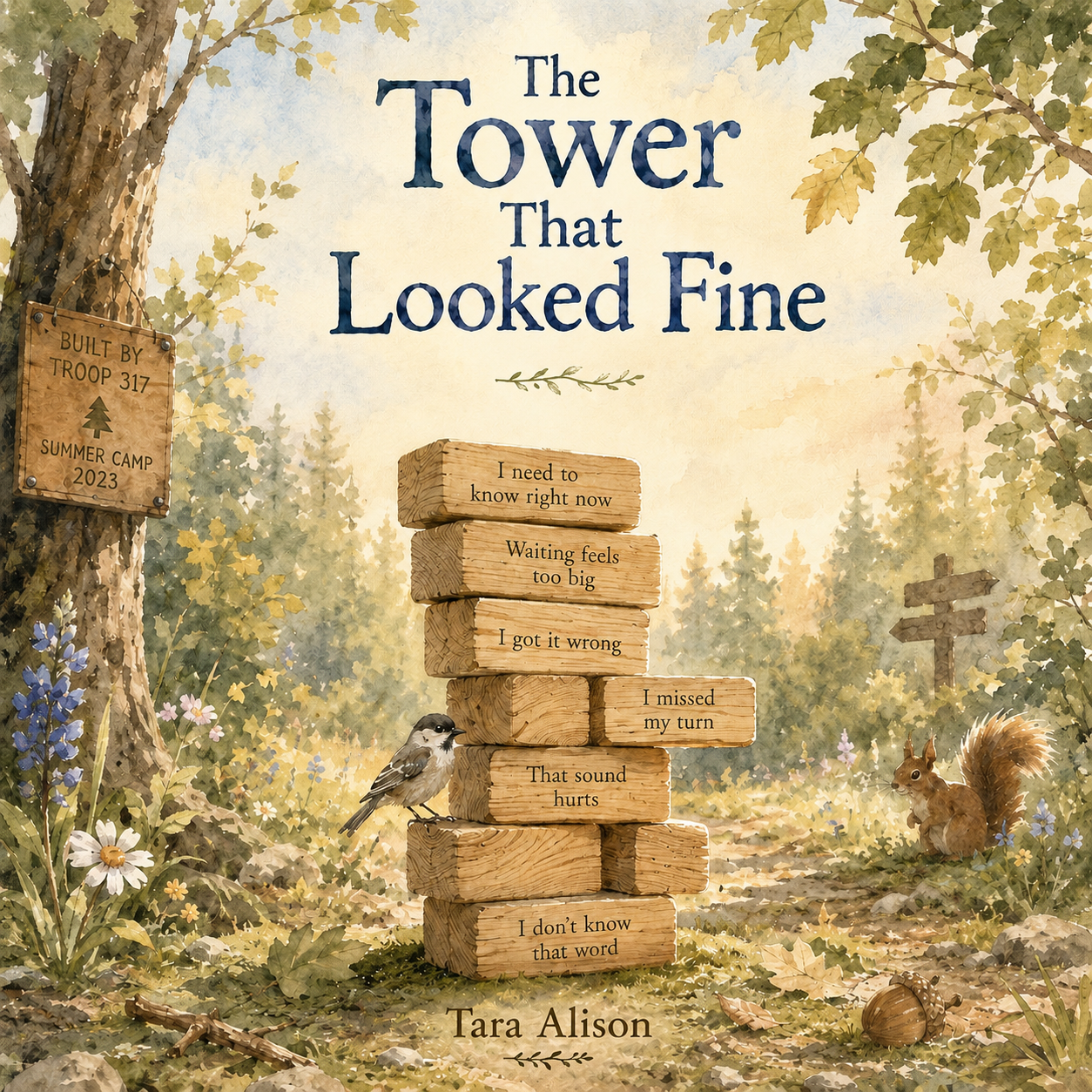 The Tower That Looked Fine
A tower in a quiet clearing tries to stay steady through every small thing nobody else seems to notice — until one tiny breath of wind causes her to fall, and a gentle hand begins to gather the blocks back.
Read the story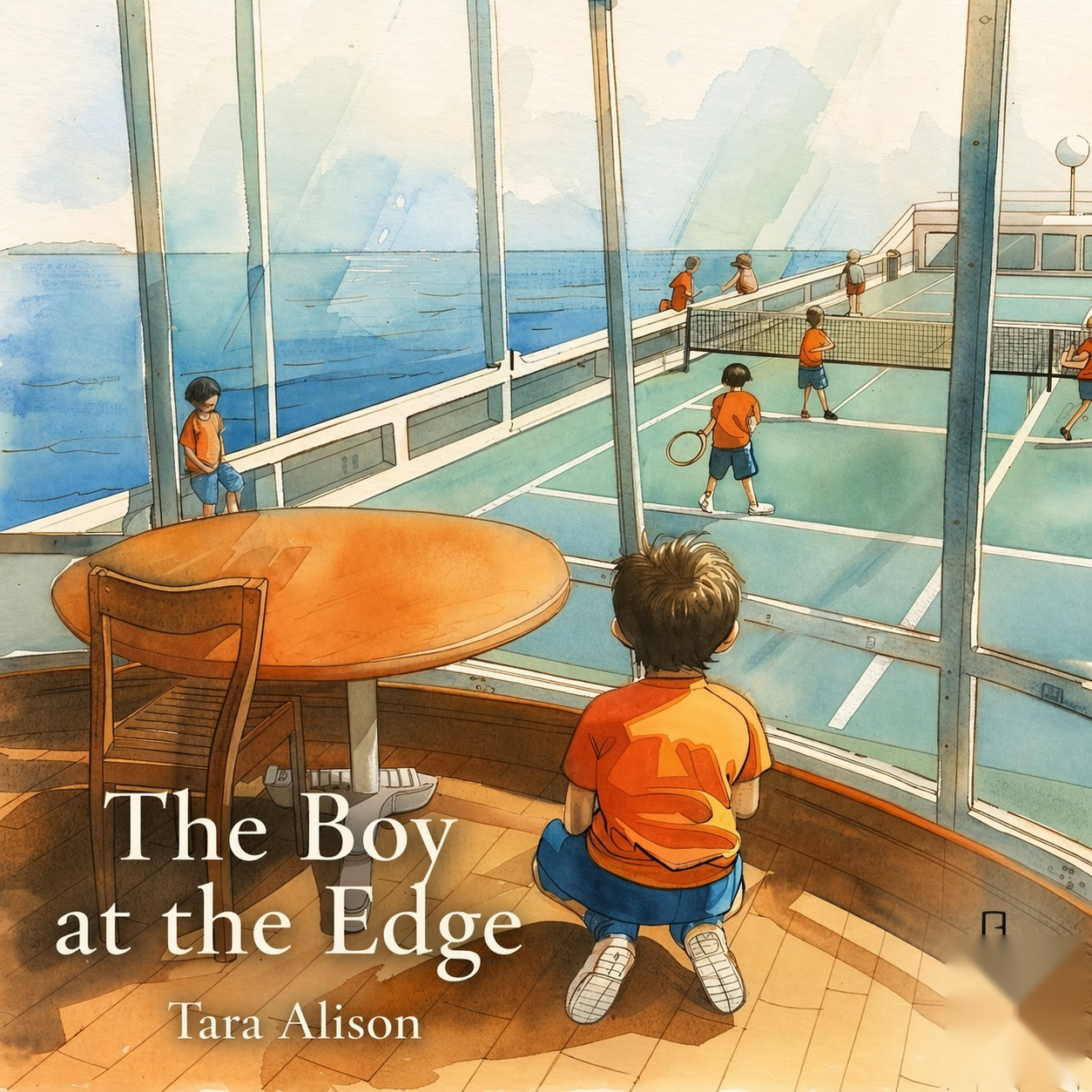 The Boy at the Edge
A boy finds calm by watching the world move from a window. When his stillness is mistaken for defiance, the moment escalates — and he learns that being calm doesn’t always protect you from being told no.
Read the story
If today was one of those days
A few more from the library, free to read.
Researched and drafted with AI assistance, reviewed before publication. Editorial standards