Money is tight this month, or this year, or indefinitely, and you still have kids who want a good day. You are not the only parent staring down a promise you cannot afford right now, wondering how to make it up to them without spending money you do not have. Here is the truth that gets lost in all the pressure to buy the experience: your kids are not actually keeping score of what things cost. They are keeping score of whether you showed up.
A few ideas, organized by what they actually give your kid, not just what they are.
For the kid who wants an outing
- A library trip that is not just books. Most branches run free story times, movie afternoons, craft hours, and summer programs. Let them pick the section, not just the book.
- A park you have never been to. Novelty is free. Driving twenty minutes to a different playground than usual makes an ordinary Tuesday feel like an event.
- Window shopping with a mission. Give each kid an imaginary five dollars and have them find the best thing they could buy with it in a store you are not actually buying from. Ends in a lot of laughing and zero spending.
- A hike or a walk with a name. Call it an expedition, give it a made-up mission, bring a snack. The framing does most of the work.
For the kid who wants to feel celebrated
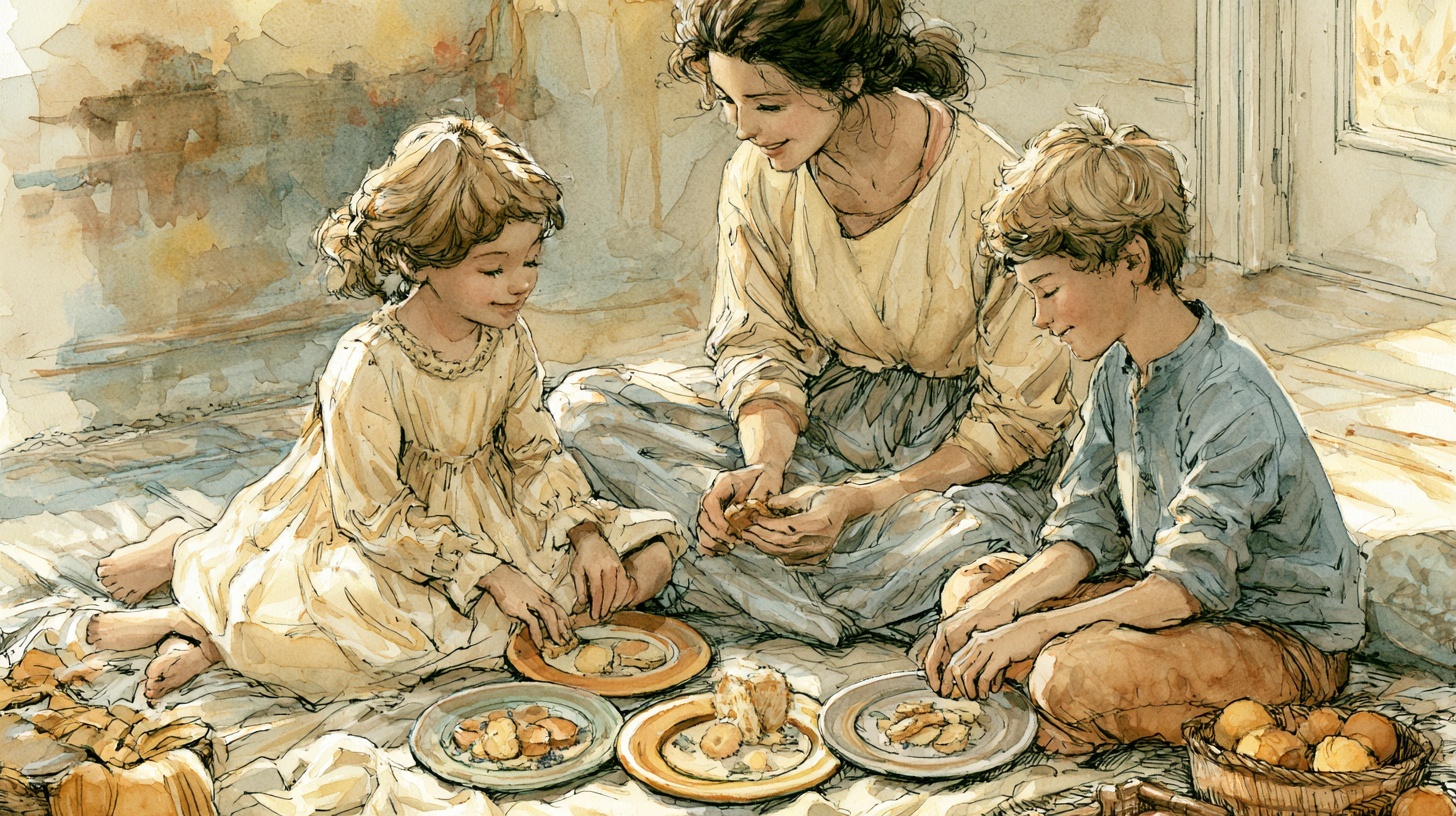
- A backyard or living room picnic. Blanket on the floor, whatever snacks you have, plates if you want to make it feel like an occasion. The floor picnic reliably outperforms the restaurant in a kid's memory.
- Dollar store choice day. A dollar or two per kid, their pick, their win. Small enough to be sustainable, big enough to feel like a treat.
- A certificate or award you make up. For the chores, for getting through a hard week, for being kind to their sibling. Kids take homemade awards far more seriously than adults expect.
For the kid who needs connection more than an event
- One-on-one time with no phone and no agenda, even fifteen minutes, where they pick what you do together. This is the one that is genuinely free and genuinely the highest value on the list.
- Let them teach you something. A video game level, a card game, a dance from a show they like. Being the expert with a captive audience is its own kind of celebration.
- Cook or bake something together, even something simple. The mess is part of the memory.
While you're here, take the guide
What's Underneath is free: the three body-state triggers under most meltdowns, what to say in the minute before it tips over, and how to reset afterward.
You'll get the guide instantly, plus five free articles in your inbox every week. Real challenges (meltdowns, school mornings, picky eating, big feelings) and how to actually handle them. Unsubscribe anytime.
A few that take more creativity than money
- Geocaching. A free app turns your neighborhood into a real treasure hunt, GPS coordinates, hidden containers, a logbook to sign. Kids who would never enjoy a plain walk will hike two miles for this.
- A mural or art crawl. Most towns have more public art than anyone notices. Walk a few blocks, hand a kid the phone, let them photograph anything that catches their eye. It becomes a scavenger hunt without you ever calling it one.
- A homemade café date. Steamed milk with foam and a shake of cinnamon in a real mug, a shared muffin, a few minutes of sitting across from each other with nowhere to be. One-on-one, no errand attached, is the whole point.
- Ice block building. Freeze water in mismatched containers overnight, pop them out the next day, and let the kids build and decorate a small ice castle before it melts. Genuinely novel, genuinely free.
- A fairy house or fort from what is already outside. Sticks, bark, stones, whatever the yard has. No kit, no instructions, just a small structure that is entirely theirs.
When you have to walk back a promise
Plans change for reasons that have nothing to do with how much a parent loves their kids. When that happens, it usually works better to say so plainly than to apologize your way through it. Kids can hold more nuance than we give them credit for. A simple version, something like, today did not work out the way I planned, and I am going to make it good in a different way, tends to teach more about resilience than a day that goes off without a hitch ever could.
What they remember is rarely the venue. It is whether the day still had you in it.
If you want a place to track what actually lands, big outings, small rituals, one-on-one time, LightMap helps you see which connection habits are moving the needle for your specific kid, so you can spend your limited time and money on what actually works.
For education and reflection, not medical advice. Our terms
See what's underneath
Stop guessing what set it off
LightMap reads your hard days together and gives you answers. Start with one moment today.
Start with 3 moments Not sure where to start? Ask me.Message Tara on WhatsApp. It really is me, I read everything and will personally respond.Click here to message Tara →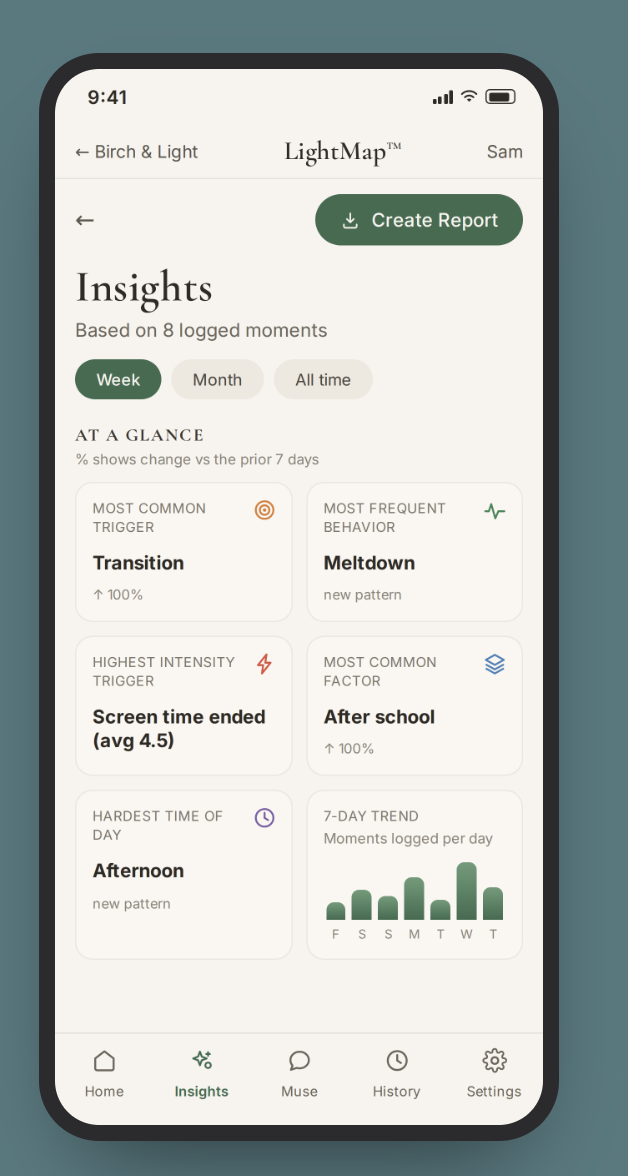

Part of the award-winning Birch & Light Method, honored with the Mom's Choice Gold Award for excellence in family resources.
A story to read together
Sometimes the easiest way in is a story you read side by side.
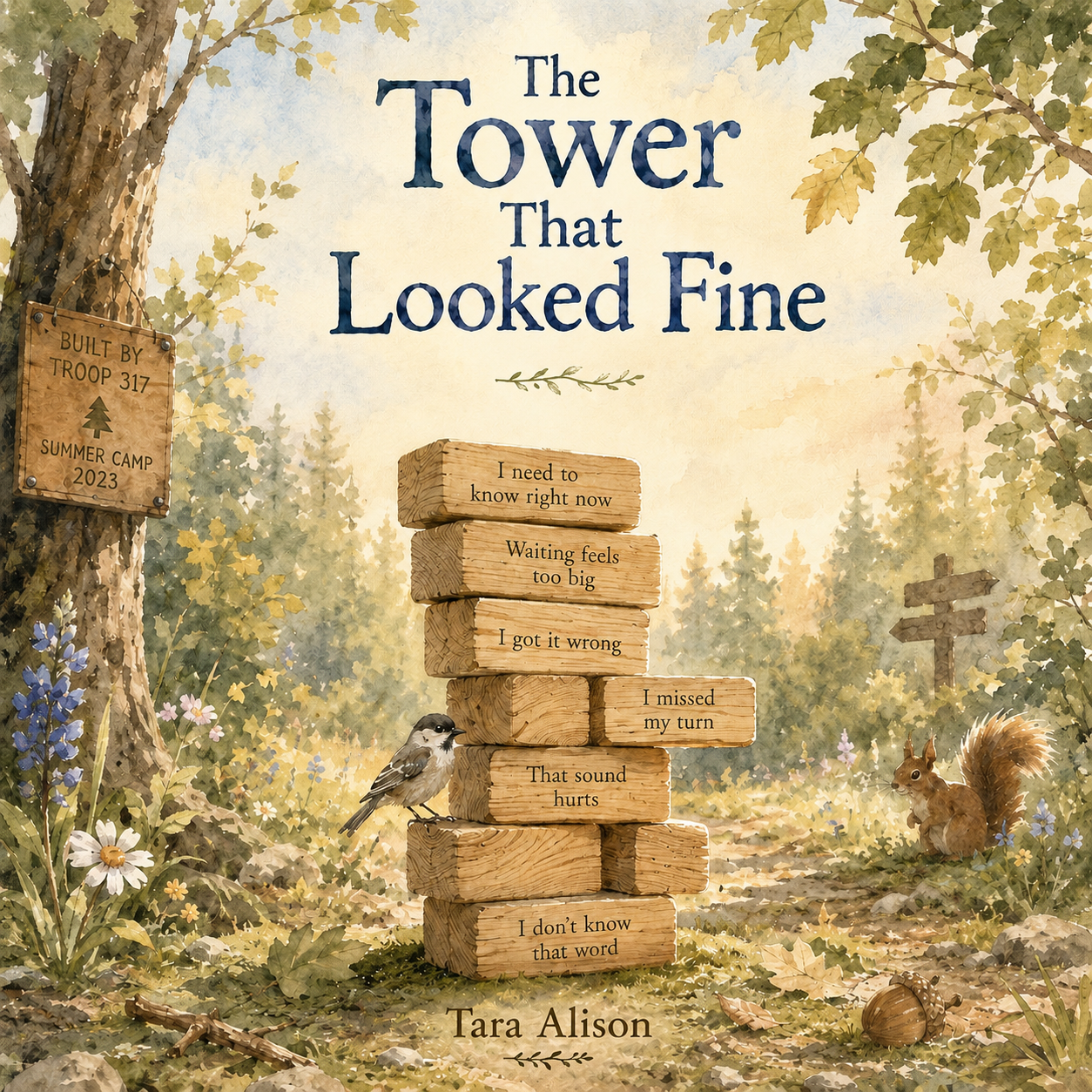 The Tower That Looked Fine
A tower in a quiet clearing tries to stay steady through every small thing nobody else seems to notice — until one tiny breath of wind causes her to fall, and a gentle hand begins to gather the blocks back.
Read the story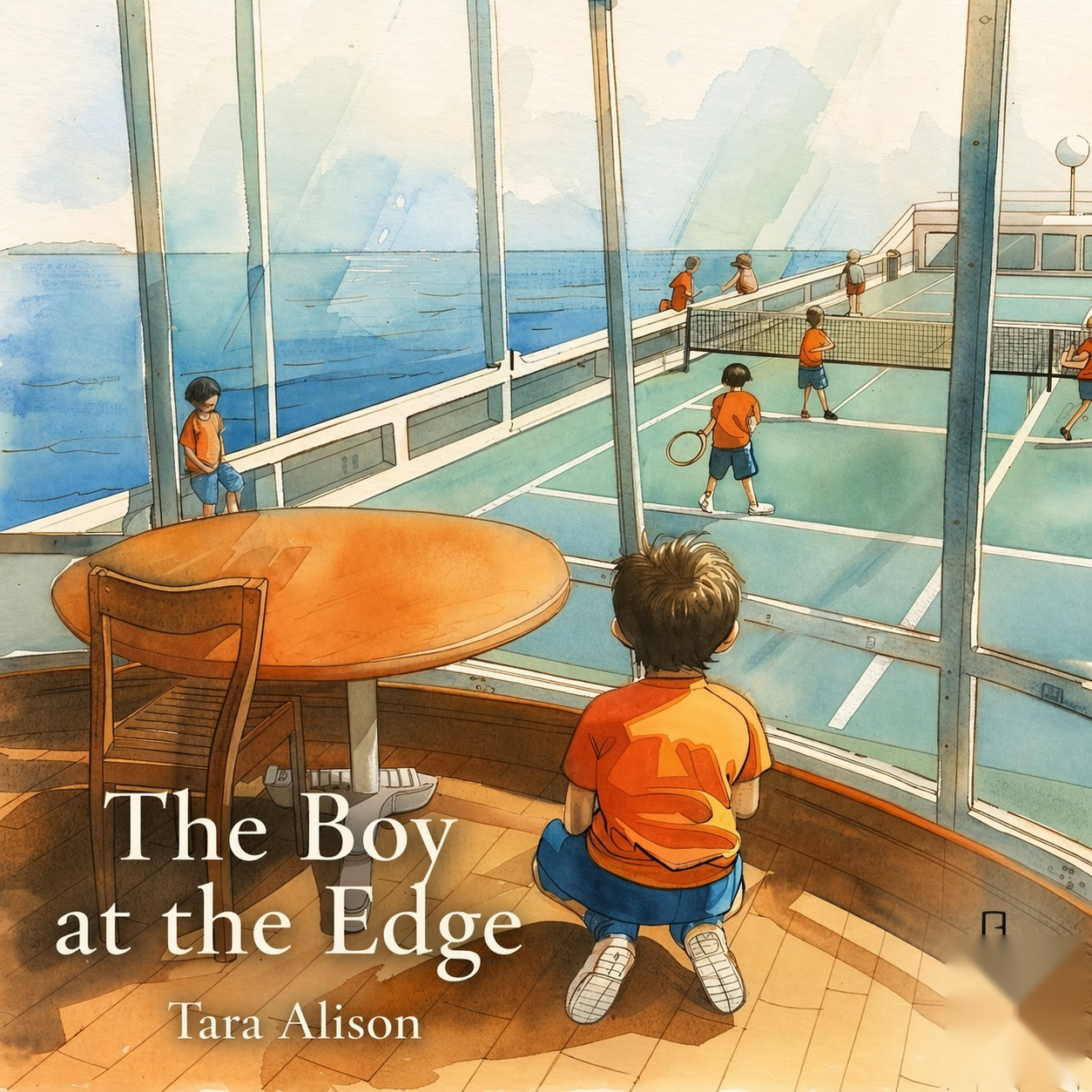 The Boy at the Edge
A boy finds calm by watching the world move from a window. When his stillness is mistaken for defiance, the moment escalates — and he learns that being calm doesn’t always protect you from being told no.
Read the story
Researched and drafted with AI assistance, reviewed before publication. Editorial standards