
It usually comes up after a bad run. A medication that made things worse instead of better. A second one that did nothing. Maybe a scary reaction that left you wondering why nobody could have seen it coming. And then someone — a prescriber, a friend, a parent group — mentions a cheek swab that promises to take the guesswork out: GeneSight, or one of the similar tests, with its clean color-coded report sorting medications into green, yellow, and red columns.
After months of trial and error with your child's brain, a report that seems to say "use this one, avoid that one" feels like water in a desert. Which is exactly why it's worth slowing down for ten minutes to understand what the test actually measures, what it can genuinely tell you, and where the color columns promise more than the science can deliver.
What the test actually measures
GeneSight and tests like it are pharmacogenomic tests. From a cheek swab, they read a set of genes — most importantly ones like CYP2D6 and CYP2C19 — that build the liver enzymes responsible for breaking down many psychiatric medications, including common antidepressants and some ADHD medications.
A process note worth knowing: the results don't come to you. The test must be ordered by a prescribing clinician, the report goes to them first, and they review it with you at a follow-up — though you can ask for a copy, and most clinicians will share one.
People genuinely differ here. Some children are "poor metabolizers" of certain drug pathways: the medication clears slowly, levels build higher than expected at a standard dose, and side effects become more likely. Others are "ultrarapid metabolizers": the drug clears so fast that a normal dose may never reach a useful level. This part is real, established pharmacology. For certain specific drug-and-gene pairs, there are published clinical guidelines on adjusting doses based on metabolizer status, and knowing your child is an outlier metabolizer can be legitimately useful information — sometimes it even explains, in retrospect, why a past medication went sideways.
What the color columns imply — and where that goes past the evidence
Here is the leap to watch. The report's layout implies a promise: green means this medication will work for your child, red means it won't. But the genes being tested mostly affect how fast a drug is processed — not whether that drug will help your particular child's anxiety, depression, or attention. Whether a medication works depends on brain chemistry these tests do not and cannot read.
When the marketing claims have been put to the test, the results have been underwhelming. The largest study of GeneSight-guided prescribing in depression did not show a significant improvement on its primary measure compared to ordinary prescribing. Professional psychiatric bodies have concluded the evidence doesn't yet support using these tests to predict which medication will work, and the FDA has publicly warned that claims linking specific gene results to specific medication responses are, for most drugs, not supported. Notably, most of the research is in adults — the evidence base in children is thinner still.
So the honest summary reads like this: the test can flag how your child processes certain drugs (real, occasionally very useful), but it cannot pick the medication that will work (the thing the report visually appears to do).
The quiet risk nobody mentions: the red column
There's a subtle cost to these reports beyond the price tag. A medication listed in the red or yellow column can become psychologically radioactive — even when it might be the best clinical option at an adjusted dose. Parents understandably fixate on the columns; some refuse a well-chosen medication because the report "said no," and some children absorb the message that their body is somehow broken for medication. It helps to separate two things: the report is data, but "her body rejects medication" is a story laid on top of it — and the story does far more damage than the data ever could. A metabolizer result is a fact about an enzyme. It is not a verdict on your child. A good prescriber treats the report as one input. If a report is driving the decisions by itself, something is upside down.
While you're here, take the guide
What's Underneath is free: the three body-state triggers under most meltdowns, what to say in the minute before it tips over, and how to reset afterward.

You'll get the guide instantly, plus five free articles in your inbox every week. Real challenges (meltdowns, school mornings, picky eating, big feelings) and how to actually handle them. Unsubscribe anytime.
Reasonable times to consider testing
None of this makes the test worthless. Situations where it earns its place:
- After unusual reactions. If your child had surprising side effects at low doses, or no response at high ones, metabolizer status may explain it and inform the next choice.
- After multiple failed trials. Not because the test will pick the winner, but because metabolism information can help the prescriber adjust dosing strategy on the next attempt.
- When it changes dosing, not direction. The best use is refining how a medication is given, not vetoing which one.
And the questions worth asking before paying: Will this result actually change your prescribing decision, and how? What does insurance cover? And — the revealing one — how much weight will you give the green/yellow/red columns versus the metabolizer findings? A prescriber with a thoughtful answer to that last question is a prescriber who understands the test.
Where LightMap helps
Whatever the swab says, the real evidence about a medication is what happens in your actual child, week by week: target symptoms, side effects, sleep, appetite, mood, the things a fifteen-minute med check can't reconstruct from memory. A tracked baseline before starting and a daily record after gives the prescriber the information no genetic test can — how this drug, at this dose, is landing in this child. That record is also what makes dose adjustments precise instead of vibes-based.
Every behavior is a clue.
Starting or switching a medication is exactly when a tracked record matters most. Explore LightMap at birchandlight.com/lightmap.
Frequently asked questions
Is GeneSight accurate?
It accurately reads the genes it tests — the lab work itself is not the issue. The question is what those genes can tell you. Metabolism findings are established science; the implication that the report can predict which medication will relieve your child's symptoms goes beyond what studies have shown, and professional bodies have said the evidence doesn't yet support using it that way.
Should we test before ever trying a medication?
Most of the value shows up after unusual reactions or failed trials, when metabolizer status might explain the history and shape dosing next time. Testing first isn't harmful, but it also isn't the shortcut it appears to be — a green column is not a prediction that the first medication will work.
The report put my child's current medication in the yellow column. Should we stop?
Not on the report's authority alone — bring it to the prescriber. Column placement often reflects metabolism considerations that are managed by adjusting dose, not by abandoning a medication that's working. Never stop a psychiatric medication abruptly on the basis of a report.
Does insurance cover it?
Sometimes, with wide variation — coverage often depends on diagnosis and prior failed medications, and out-of-pocket costs can range from modest to several hundred dollars. Ask both the testing company and your insurer for the real number before swabbing, and weigh it against whether the result would actually change the treatment plan.
Sources: American Journal of Psychiatry systematic review of pharmacogenomic tools (2024); American Family Physician clinical review; FDA safety communications on pharmacogenomic test marketing claims.
For education and reflection, not medical advice. Our terms
See what's underneath
Stop guessing what set it off
LightMap reads your hard days together and gives you answers. Start with one moment today.
Start with 3 moments Not sure where to start? Ask me.Message Tara on WhatsApp. It really is me, I read everything and will personally respond.Click here to message Tara →

Part of the award-winning Birch & Light Method, honored with the Mom's Choice Gold Award for excellence in family resources.
A story to read together
Sometimes the easiest way in is a story you read side by side.
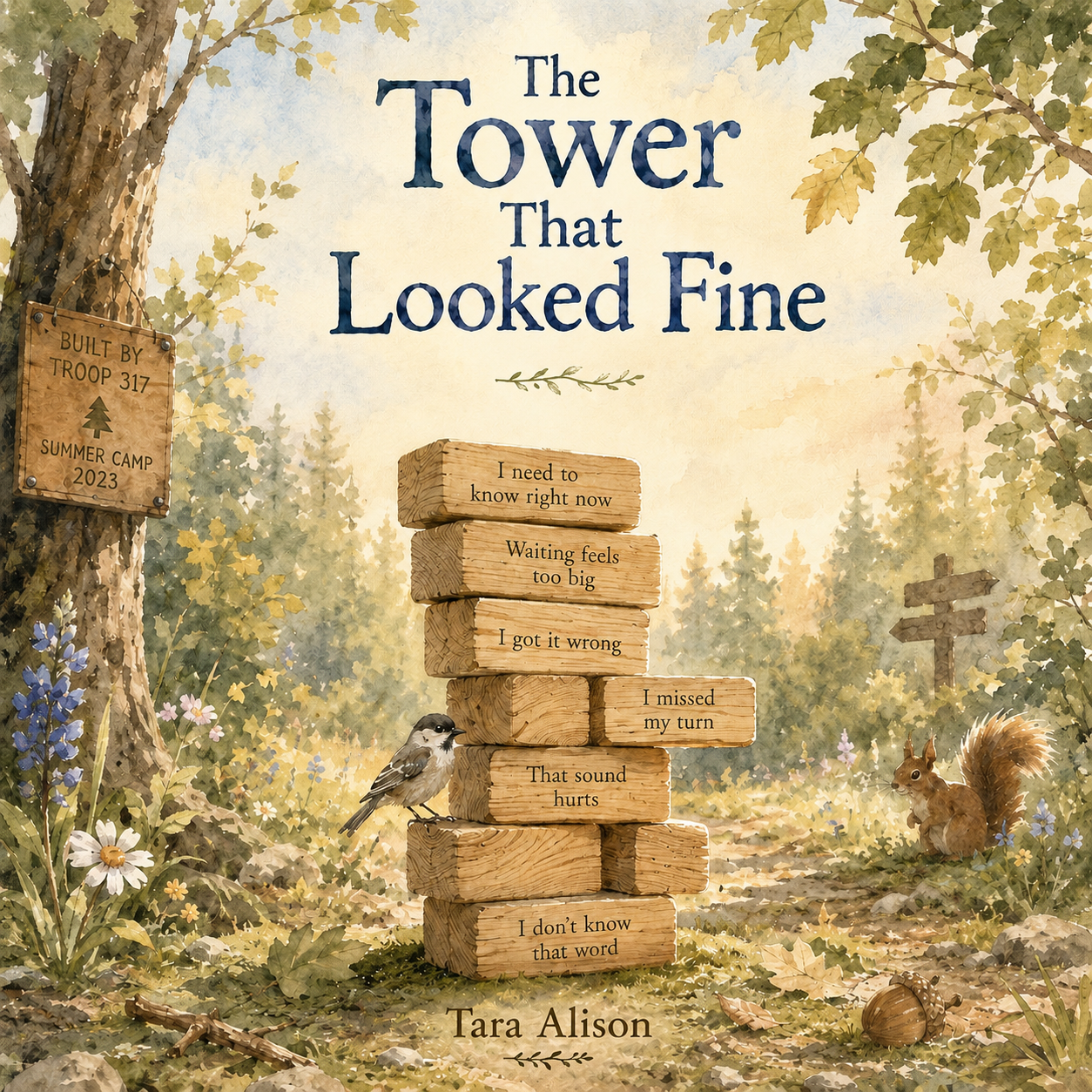 The Tower That Looked Fine
A tower in a quiet clearing tries to stay steady through every small thing nobody else seems to notice — until one tiny breath of wind causes her to fall, and a gentle hand begins to gather the blocks back.
Read the story The Boy at the Edge
A boy finds calm by watching the world move from a window. When his stillness is mistaken for defiance, the moment escalates — and he learns that being calm doesn’t always protect you from being told no.
Read the story
If today was one of those days
A few more from the library, free to read.
Researched and drafted with AI assistance, reviewed before publication. Editorial standards