
Two children are screaming over a stuffed rabbit, and you have arrived too late to see how it started. One is crying. One is furious. Both are looking at you.
And in that moment, without ever deciding to, you take a new job. You stop being a parent and become a judge.
Who had it first? Who grabbed? Who started it?
Here is the quiet thing that happens next, the thing almost nobody notices: your children stop caring about the rabbit. The original conflict — the toy, the turn, the seat by the window — evaporates. A new question replaces it, and it is a much bigger one.
Who does Mom believe?
That question can shape a sibling relationship for years. Not the rabbit. The verdict.
The courtroom nobody meant to build
Most of us referee sibling conflict because it feels like the responsible thing to do. Someone has to sort out what happened. Someone has to make it fair.
But every ruling teaches something, and rarely what we intend. When we crown a winner and a loser, children learn that conflict is a competition for the parent's belief. They start building cases instead of building repair. They learn to narrate, to accuse, to get to you first.
The fight was never really about the rabbit. It becomes about standing. And standing, unlike a rabbit, cannot be shared.
The easy child is keeping score
If you have one flexible child and one child with big reactions, you already know which one you ask to bend.
"Just let him have it."
"You're older — you can wait."
"You know how she gets."
It works. That's the problem. It works so reliably that it becomes the family's default setting, and each time it runs, two lessons get quietly installed.
The easy child learns: my needs are negotiable.
The explosive child learns: big emotions move the room.
Neither child chose those lessons. Neither parent meant to teach them. But ten years later, one of your children may be the adult who cannot ask for anything, and the other may be the adult who has never had to. The easy child is not fine. The easy child is keeping score in a notebook nobody reads.
"Say you're sorry" repairs nothing
A forced apology ends the scene. It does not end the story.
Repair — real repair — is made of things that cannot be commanded: empathy, understanding, ownership, reconnection. A scripted "sorry" muttered at the floor contains none of them. What it teaches instead is that apology is a toll you pay to exit trouble, and that the words matter more than the mending.
Children repair when they understand what happened inside the other person. Not before.
What the standard advice misses
Most sibling-conflict advice — including the good advice — rests on a hidden assumption: that both children arrive at the conflict with equal capacity.
They don't.
A child with PDA, autism, ADHD, anxiety, a trauma history, sensory overload, or PANS may literally lose access to flexibility mid-conflict. Not "won't compromise." Can't, in that moment, with that nervous system, at that level of alarm. Asking that child to "use your words" during a meltdown is like asking someone to negotiate calmly while their smoke alarm is going off.
And in families with a medically complex child — a child with T1D, a chronic illness, frequent hospitalizations — there is often another child in the story: the healthy sibling who has learned to need less, ask less, take up less room. That child's conflicts are rarely about the toy either. They are about visibility.
Equal treatment of unequal nervous systems isn't fairness. It just looks like fairness from the outside.
While you're here, take the guide
What's Underneath is free: the three body-state triggers under most meltdowns, what to say in the minute before it tips over, and how to reset afterward.
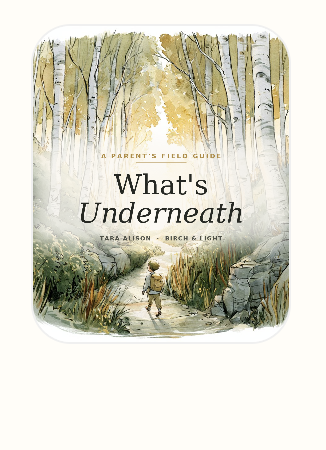
You'll get the guide instantly, plus five free articles in your inbox every week. Real challenges (meltdowns, school mornings, picky eating, big feelings) and how to actually handle them. Unsubscribe anytime.
Neutrality is not always the answer
To be clear: staying out of it is not always right either.
If one child is hitting, threatening, destroying, or intimidating, safety comes first and you should intervene — clearly and immediately. Some conflicts have a child who needs protecting, and pretending otherwise in the name of neutrality abandons them.
The art is in how you intervene. Stop the behavior without assigning the identity. Protect the child without creating a villain. "You may not hit — I'm going to help you calm your body" is protection. "Why are you always so aggressive?" is a life sentence.
Because labels are the longest-lasting verdicts we hand down. Difficult. Dramatic. Sensitive. Bossy. The wild one. The good one. Children absorb these slowly, then permanently. Eventually they stop hearing the label as your description and start living it as their identity.
Every fight contains three stories
Here is the reframe that changes everything.
Most sibling conflicts are not misunderstandings. They are collisions between two different nervous systems, each running its own accurate story.
One child's inside experience: I'm being controlled.
The other child's inside experience: I'm being ignored.
Neither is lying. Neither is wrong. And then there is a third story — yours — assembled from the fragment you walked in on. Three stories, one hallway, and they almost never match.
When you referee, you are ruling on your story, which is the least informed of the three.
A different question
So here is the shift. Not a technique. A lens.
Your job is not to decide whose feelings are valid. Your job is to understand what each child is protecting.
Because in almost every fight, both children are protecting something — a possession, yes, but underneath it: a sense of control, a place in the family, a fear of being erased, a need to matter. The child who grabbed and the child who screamed were both, in their own languages, saying something of mine is threatened.
When you stop asking "who started it?" you can finally ask the question that repairs:
"What happened inside each of you?"
Try it once. Not as a script — as genuine curiosity. Sit with each child, separately if needed, and get their inside story without ruling on it. You will be surprised how quickly the case they were building dissolves when nobody is holding court.
The rabbit was never the point. It never is. What your children fight about is rarely what they're fighting for — and once you can see the difference, you can stop being the judge and start being the translator.
That's the job. Not fair. Understood.
If this landed, you're not alone — this dynamic runs through almost every family with more than one child, and it runs deepest in families where the children's nervous systems don't match. Birch & Light exists to help you see what's happening underneath.
Sibling conflict clusters around particular times of day far more than around particular children. Logging the flashpoints in LightMap often turns out to reveal a scheduling problem rather than a relationship one.
For your child: Ember's Eruption is about a volcano who erupts after her mother asks her sister to help instead of her, and then learns the outburst began as tiny glowing cracks much earlier.
For education and reflection, not medical advice. Our terms
See what's underneath
Stop guessing what set it off
LightMap reads your hard days together and gives you answers. Start with one moment today.
Start with 3 moments Not sure where to start? Ask me.Message Tara on WhatsApp. It really is me, I read everything and will personally respond.Click here to message Tara →

Part of the award-winning Birch & Light Method, honored with the Mom's Choice Gold Award for excellence in family resources.
A story to read together
Sometimes the easiest way in is a story you read side by side.
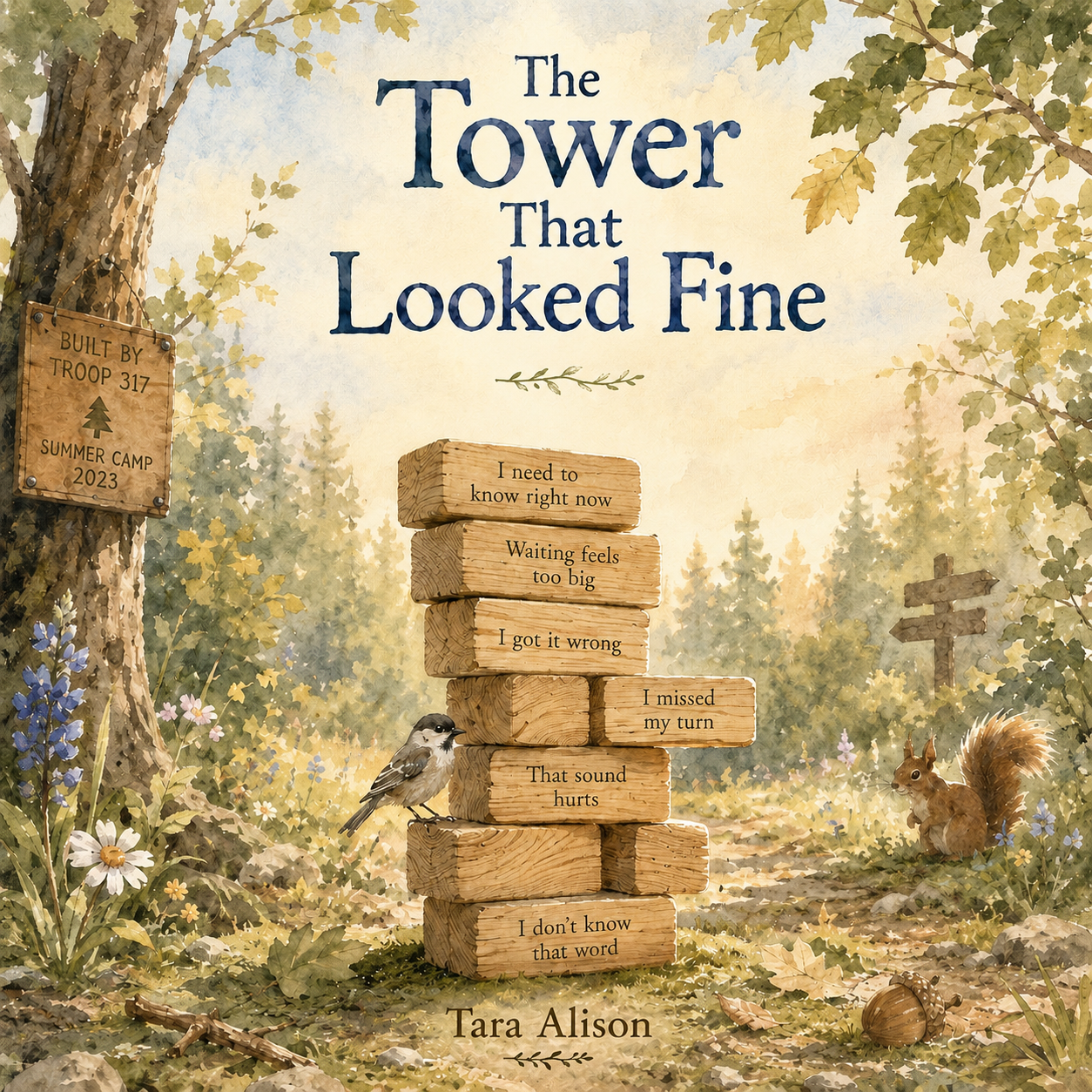 The Tower That Looked Fine
A tower in a quiet clearing tries to stay steady through every small thing nobody else seems to notice — until one tiny breath of wind causes her to fall, and a gentle hand begins to gather the blocks back.
Read the story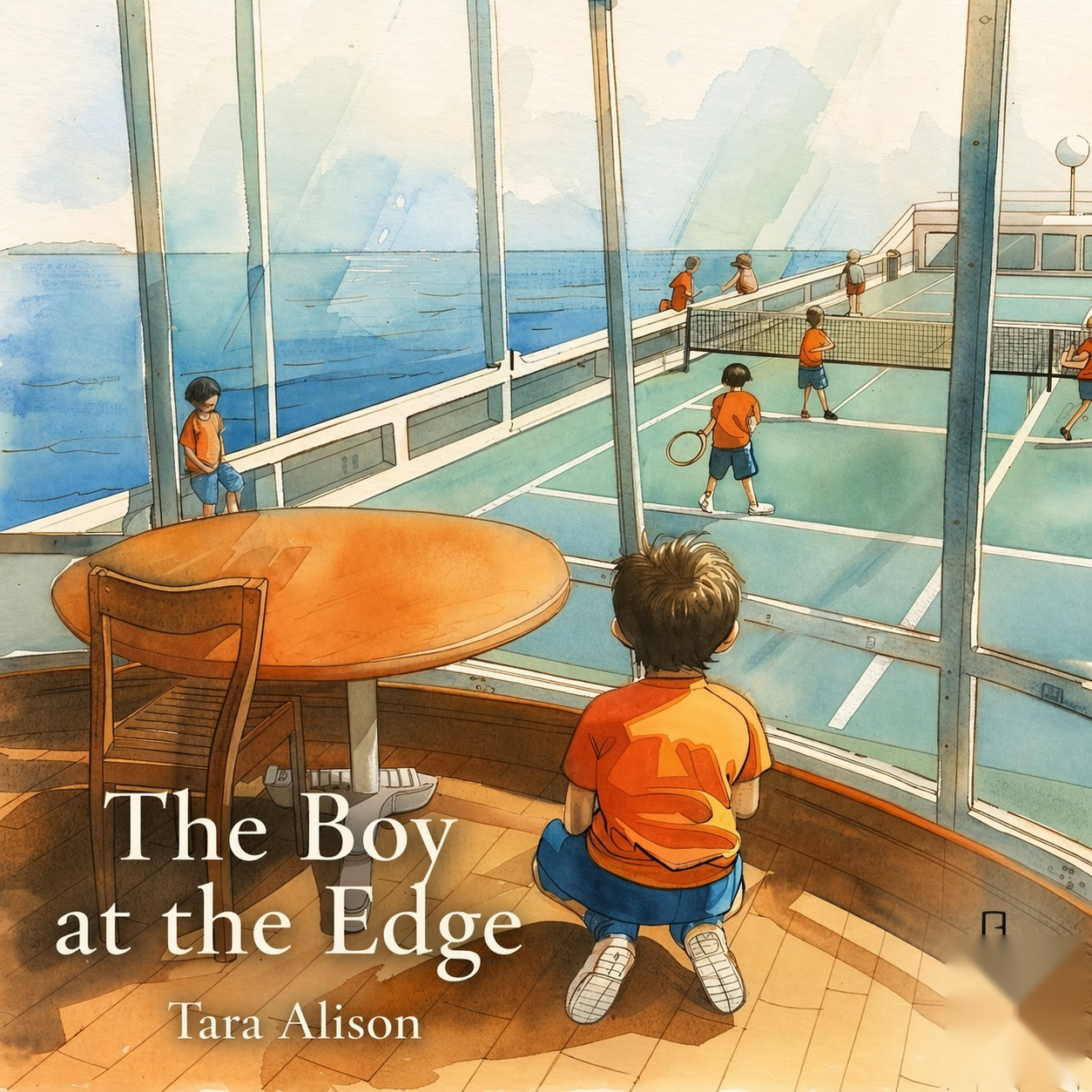 The Boy at the Edge
A boy finds calm by watching the world move from a window. When his stillness is mistaken for defiance, the moment escalates — and he learns that being calm doesn’t always protect you from being told no.
Read the story
If today was one of those days
A few more from the library, free to read.
- Parenting StrategiesLearning to Parent Your Neurodivergent Child Changes Every Relationship
- Parenting StrategiesWhen Consequences Make Your Child's Behavior Worse, Not Better
- Parenting StrategiesWhen Every Day Feels Like a Battle With Your Child
- PDAWhen ADHD Medication Seems to Make Your Child Angrier, Not Calmer
Researched and drafted with AI assistance, reviewed before publication. Editorial standards