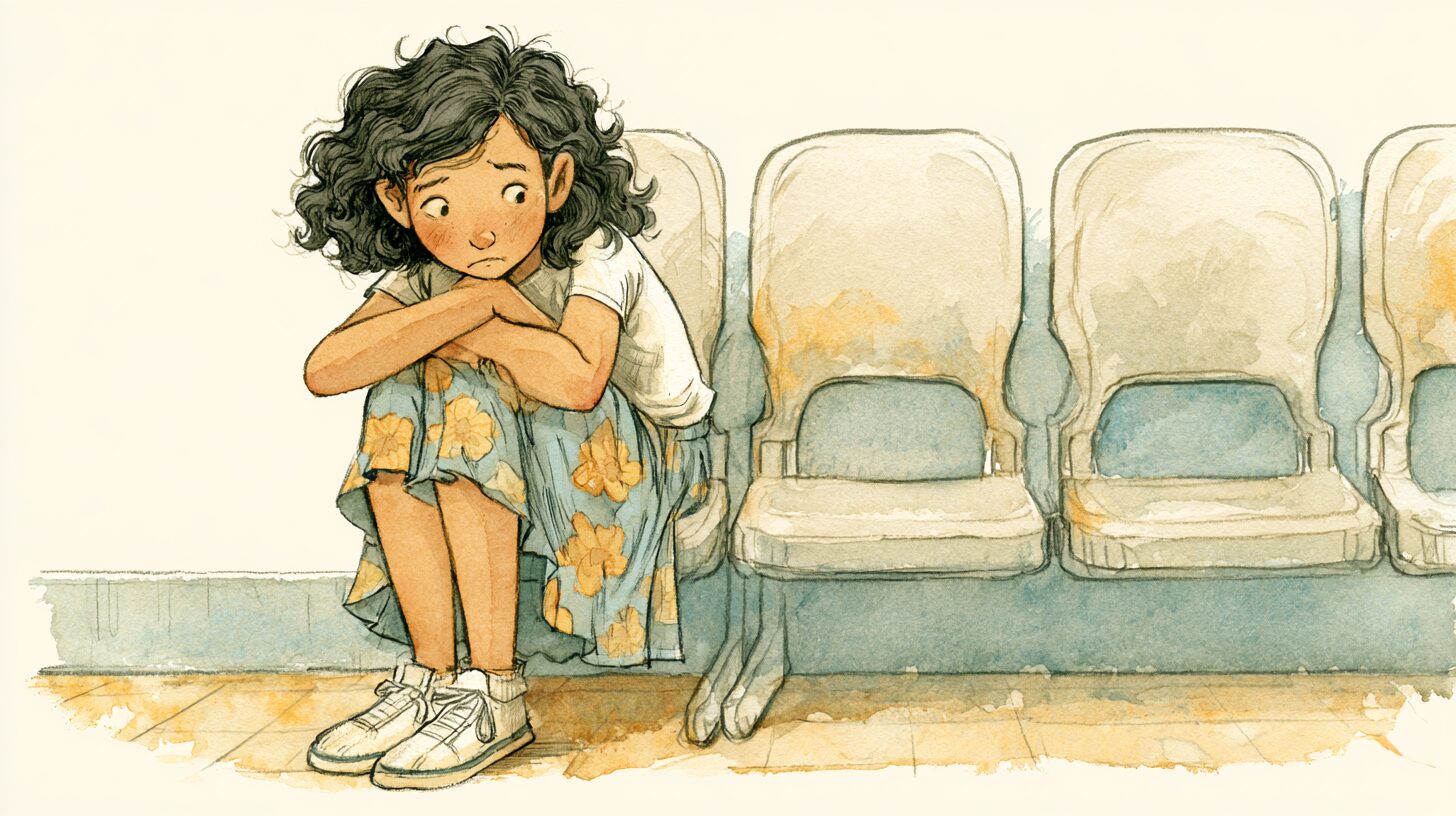
The infusion is scheduled. The treatment your child needs, that you fought insurance and waitlists to get, is sitting in a bag a few feet away. And between your child and that treatment is a needle they cannot allow near their arm. The premedication did not touch the panic. The bribes that work for everything else are worthless. The nurse is patient, then less patient, and you are standing in the middle of it watching the appointment collapse.
If this is your family, two things first. Severe needle fear is common in children generally, and in kids with PANS there is an extra cruelty: the illness itself often runs anxiety at a volume other kids never experience, which means the disease can interfere with its own treatment. Your child is not being defiant, and you have not failed. Their alarm system is at ceiling, and no one, adult or child, can cooperate their way through a full-body alarm.
Why overpowering it backfires
When a needed treatment keeps failing, someone eventually suggests just holding them down. Resist that, and not only for kindness. What a child remembers about this attempt is the strongest predictor of how the next one goes, and being physically overpowered is the memory that raises the alarm's baseline permanently. IVIG is not a one-time event; most kids on it will face this chair again and again. Every decision today is really a decision about the next twenty infusions. Protecting the child's sense that this can be survivable is the clinical strategy, not the soft option.
The toolkit most parents are never offered
Hospitals hold an entire menu for exactly this situation, and much of it only appears if you ask by name.
Ask whether a child life specialist can be present for the IV placement. This is a real profession whose entire job is preparing children for procedures, building coping plans, and running distraction during the attempt, and infusion centers attached to hospitals can often arrange one. Families are routinely astonished at the difference.
Ask what the center offers for needle pain, because pain and fear feed each other: numbing cream applied 30 to 60 minutes ahead, needle-free lidocaine devices that numb the site in seconds, or cold spray. Ask specifically which they stock. A child who genuinely cannot feel the stick is fighting half the battle.
Ask about a vibration-and-cold device (one common brand is Buzzy), which has been studied in pediatric needle procedures and works by crowding out pain signals. Small, cheap, and some centers keep them in a drawer nobody mentions.
Ask whether a pediatric vascular access nurse or ultrasound-guided placement is available. Fewer attempts is its own intervention: a first-stick success and a three-stick ordeal write very different memories.
And ask for comfort positioning: your child upright on your lap in a hugging hold rather than laid flat and held. Being pinned on their back is close to a panic-maximizing posture, and most centers will happily work around a lap hold if asked.
While you're here, take the guide
What's Underneath is free: the three body-state triggers under most meltdowns, what to say in the minute before it tips over, and how to reset afterward.

You'll get the guide instantly, plus five free articles in your inbox every week. Real challenges (meltdowns, school mornings, picky eating, big feelings) and how to actually handle them. Unsubscribe anytime.
Give the fear fewer places to live
Panic feeds on helplessness, so hand back every scrap of control that does not compromise the procedure. Which arm. Whether they watch or look away. Whether there is a countdown or no countdown. What is on the tablet, which song, which person holds their free hand. None of these change what happens; all of them change who it happens to, a participant instead of a captive. For kids whose baseline anxiety already runs hot, those control points are not niceties. They are the difference between an alarm at ceiling and an alarm that leaves room to cope.
The medication conversation, and your actual job in it
If premedication has not been enough, that is information, not the end of the road. Teams step through calming options in a sequence, and your doctor is already doing exactly what should happen next. Your highest-value contribution is precision: exactly when the medication was given relative to the attempt, what your child looked like as the surge hit, how long it lasted, what if anything dented it. "It didn't work" gives a doctor almost nothing; a timeline gives them a plan. Bring it written down.
Between now and the next attempt
If there is any runway before the next infusion, two things earn their time. First, ask the center about a practice visit: sit in the chair, meet the space, maybe a tourniquet on the arm with an explicit promise of no needle today, then leave. Lowering the alarm the building itself triggers makes everything easier. Second, needle fear at this level responds well to gradual exposure work with a psychologist, and for a child facing years of infusions, a handful of sessions is one of the highest-return investments a family can make. This fear is genuinely treatable. Most families are just never told so.
The chair will still be there. The treatment will still be there. The work is shrinking the fear until your child can walk past it, and that is done in steps, with the right people in the room, never by force.
The attempt-by-attempt record, what was given when, what helped even slightly, what preceded the hardest moments, is exactly what your team needs to adjust the plan. LightMap keeps it dated and in one place, ready to hand over.
For your child: HT the Hot Dog is about a hot dog who cannot sleep for spiralling about everything that might happen, and then arrives somewhere none of it does.
Sources: systematic review and meta-analysis of the Buzzy device in pediatric procedural pain (PubMed, 2018), Association of Child Life Professionals.
For education and reflection, not medical advice. Our terms
Before the next flare
Bring your doctor a timeline, not a memory
LightMap reads your hard days together and gives you answers. Start with one moment today.
Start with 3 moments Not sure where to start? Ask me.Message Tara on WhatsApp. It really is me, I read everything and will personally respond.Click here to message Tara →

Part of the award-winning Birch & Light Method, honored with the Mom's Choice Gold Award for excellence in family resources.
A story to read together
Sometimes the easiest way in is a story you read side by side.
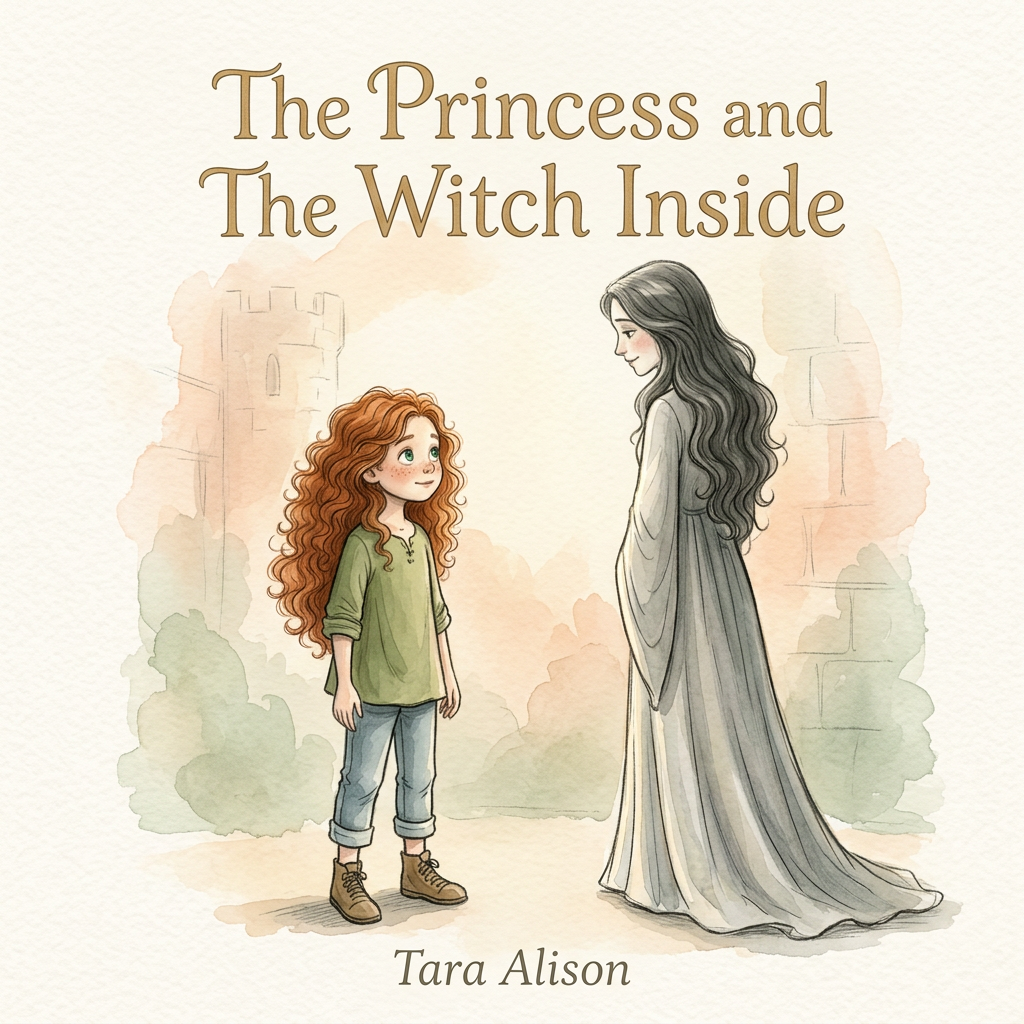 The Princess and the Witch Inside
Esme is loved, but a fast protective part keeps rushing in before she gets a turn. A quiet visitor helps her meet the witch inside — not as an enemy, but as a worried protector — and find her way back to the people she wanted to be with all along.
Read the story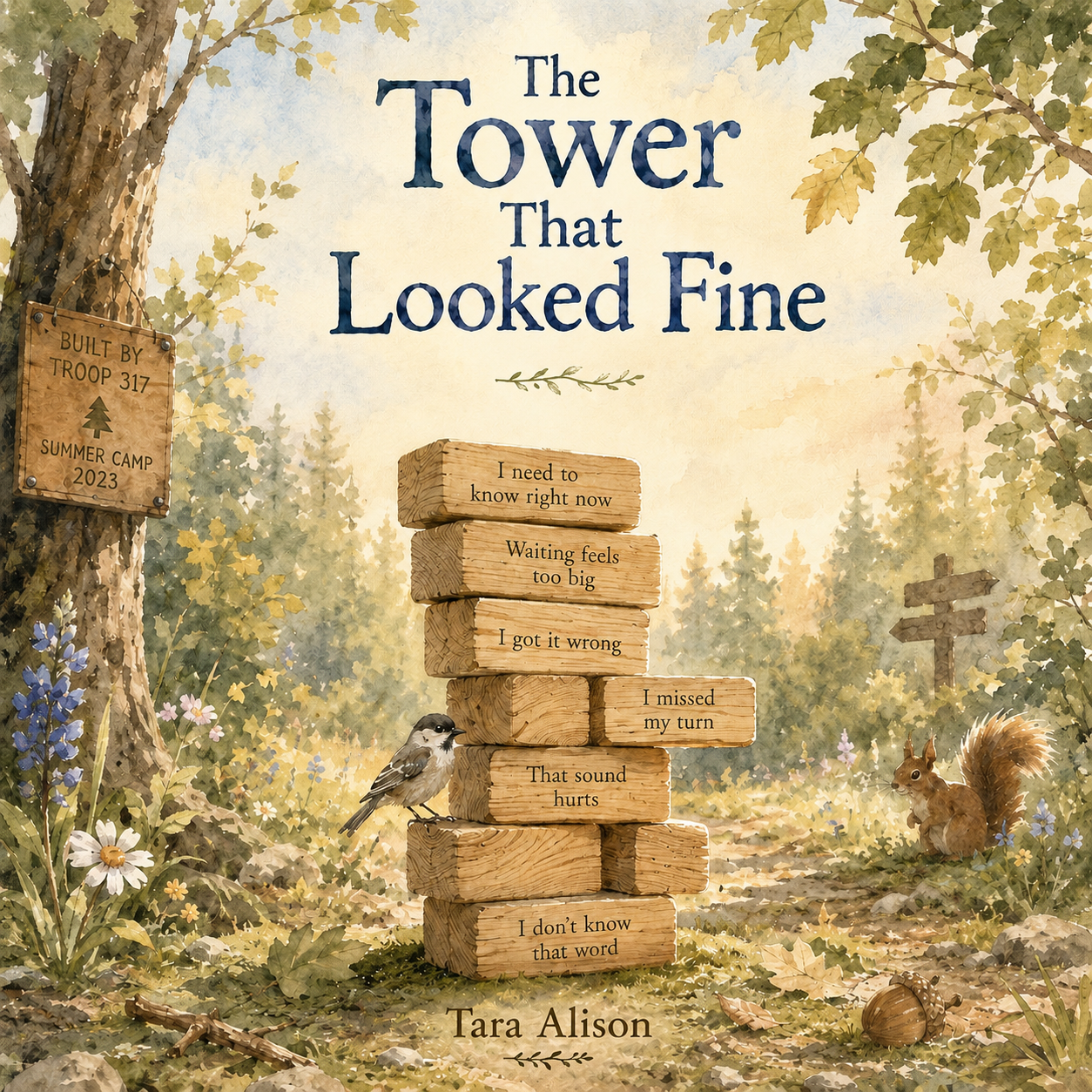 The Tower That Looked Fine
A tower in a quiet clearing tries to stay steady through every small thing nobody else seems to notice — until one tiny breath of wind causes her to fall, and a gentle hand begins to gather the blocks back.
Read the story
If today was one of those days
A few more from the library, free to read.
Researched and drafted with AI assistance, reviewed before publication. Editorial standards