
You have noticed something. Maybe it is the sleep, maybe it is how little interest she shows in food, maybe it is something harder to name, a feeling that she relates to the world a little differently than the other kids her age. And now you are trying to figure out what to actually do with that feeling, because knowing something and knowing how to act on it are two very different things.
Here is what the process actually looks like, step by step, so you are not walking in blind.
Step one: screening, not diagnosis
You do not need a diagnosis to start. The first move is usually a screening tool, most commonly the M-CHAT, a short questionnaire a pediatrician can run in a single well visit for children between 16 and 30 months. It is not a diagnostic test, it is a filter, designed to flag whether a fuller evaluation makes sense. If your pediatrician has not offered one and you are worried, you can ask for it directly by name.
A positive screen does not mean autism. A negative screen does not rule it out, especially this early. It is a starting point, not an answer.
Step two: early intervention, which does not wait for a diagnosis
In the United States, every state runs an early intervention program for children under three, and in most states you can request an evaluation directly, without a doctor's referral and without a diagnosis in hand. These evaluations look at speech, motor skills, and social and emotional development, and many children qualify for services like speech therapy or developmental support based on delays alone, no autism diagnosis required. Pursuing this in parallel with the diagnostic process, not after it, matters because early intervention services help more the younger a child starts.
While you're here, take the guide
What's Underneath is free: the three body-state triggers under most meltdowns, what to say in the minute before it tips over, and how to reset afterward.

You'll get the guide instantly, plus five free articles in your inbox every week. Real challenges (meltdowns, school mornings, picky eating, big feelings) and how to actually handle them. Unsubscribe anytime.
Step three: the full evaluation
A formal autism evaluation for a toddler is not one test, it is a series of observations, usually done by a developmental pediatrician, child psychologist, or a team that includes both. It typically involves watching how she plays, whether and how she points to show you something rather than just to get something, how she responds when her name is called, how she uses gestures, and how she interacts with a parent versus a stranger. Parent interviews and a developmental history are part of it too. For toddlers this age, evaluations commonly happen between 18 months and 3 years, though waitlists in many areas run long, which is why starting the screening and early intervention steps now matters, even before a formal evaluation is scheduled.
On the specific signs you are watching
Sleep disruption and low interest in food both show up often alongside autism, and neither one means anything on its own. Plenty of autistic toddlers sleep fine and eat well, and plenty of neurotypical toddlers have brutal sleep and picky eating for entirely unrelated reasons. The things evaluators tend to weight more heavily are social and communication patterns: whether she points to share interest, whether she responds to her name most of the time, whether she makes eye contact in a back and forth way, whether she engages in pretend play, whether she looks at your face to check your reaction to something new. No single sign is decisive. It is the overall pattern that matters, which is why this is an evaluation and not a checklist.
What to do if you feel brushed off
If a pediatrician tells you to wait and see, you are allowed to ask for the M-CHAT and the early intervention referral anyway. Watchful waiting is sometimes appropriate, and sometimes it is just what happens when a fifteen minute appointment does not leave room for a real look. You know this child. Trusting that instinct enough to keep asking is not overreacting, it is the kind of advocacy that gets kids into services earlier instead of later.
If you want somewhere to track what you are noticing while you wait for appointments, sleep, eating, social responses, LightMap helps you build a clear picture to bring into that first evaluation instead of trying to remember it all under pressure.
Sources: Centers for Disease Control and Prevention, American Academy of Pediatrics, Zero to Three, M-CHAT-R Screening Tool.
For education and reflection, not medical advice. Our terms
See what's underneath
Understand the why, not just the what
LightMap reads your hard days together and gives you answers. Start with one moment today.
Start with 3 moments Not sure where to start? Ask me.Message Tara on WhatsApp. It really is me, I read everything and will personally respond.Click here to message Tara →

Part of the award-winning Birch & Light Method, honored with the Mom's Choice Gold Award for excellence in family resources.
A story to read together
Sometimes the easiest way in is a story you read side by side.
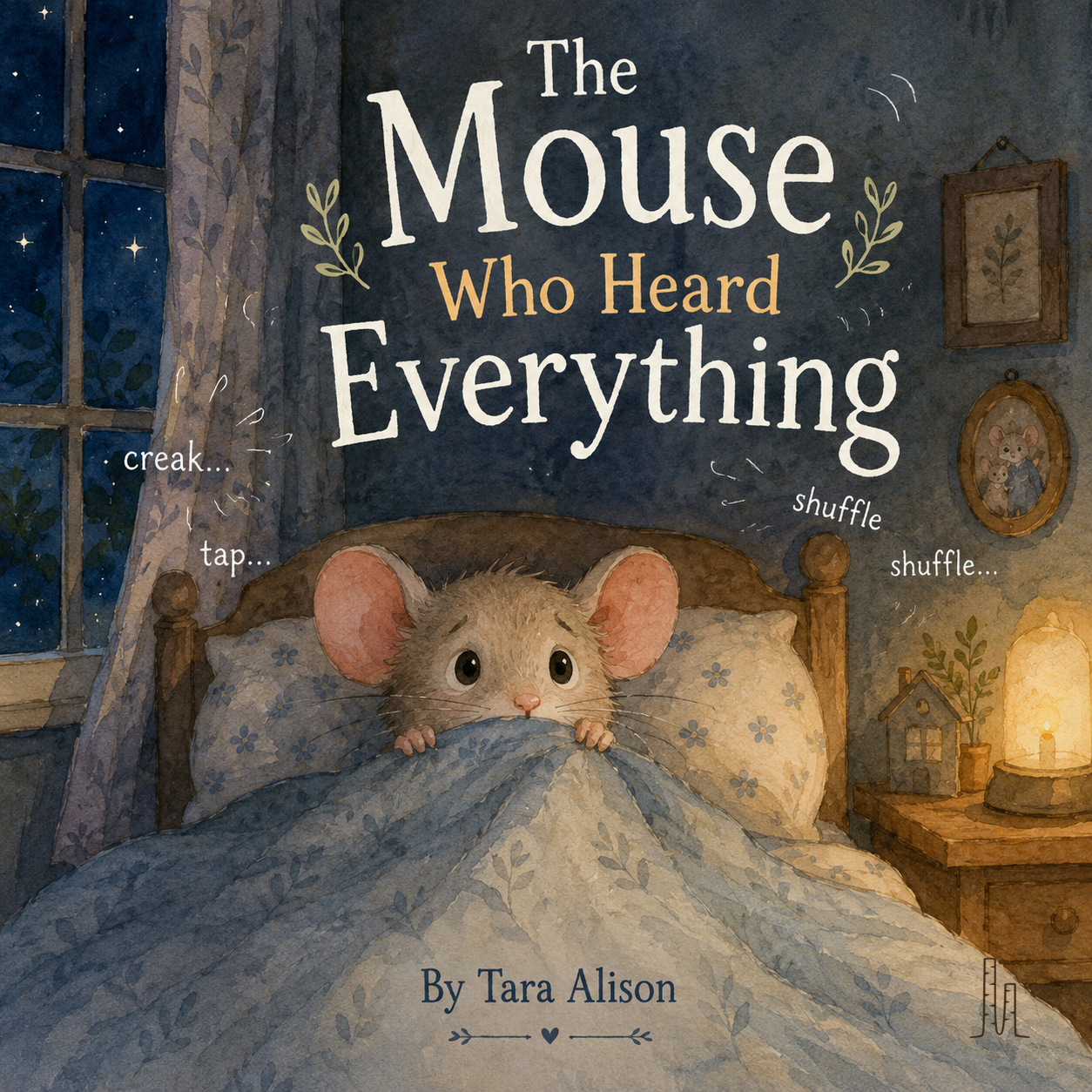 The Mouse Who Heard Everything
Mina Mouse hears every creak the old house makes at night. The story gently shows that her brain isn’t broken — it’s working overtime to keep her safe — and what changes when someone sits beside her in the dark.
Read the story When Axel's Engine Stayed On
After a big, exciting day, Axel's body is tired but his engine won't quiet down. A gentle story about overstimulated kids who can't settle — and the calm grown-ups who help them.
Read the story
Researched and drafted with AI assistance, reviewed before publication. Editorial standards