To correct an inaccurate report held in UK medical or school records, write to the service lead and cite the right to rectification under UK data protection law. List each factual error with evidence, ask for the corrected report to go to everyone who got the original, and ask for a note of your disagreement on any opinion they will not change.
It usually arrives weeks after the appointment: the written report. And sometimes, reading it, you barely recognise your child. A task he rushed because he was bored, written up as something he cannot do. A comfort habit recast as a care need. An hour-long assessment of a tired ten-year-old, presented as a portrait of his abilities. And the report has already gone to the school and the GP, where it will sit in his records being treated as ground truth by every professional who reads it for years.
Parents in this position often assume nothing can be done, that a clinical report is final. It is not. In the UK you have real rights here, and a process that works when you use it precisely. Here is the map.
Why it's worth the fight
Reports cascade. The next clinician starts from the last clinician's findings. School support plans, EHCP evidence, referrals, all of it builds on what is already in the file. An inaccurate report doesn't just misdescribe one afternoon; it becomes the foundation other people build on. Correcting it now is not fussiness. It is maintenance on the record your child will carry.
What are my rights if a report is wrong?
Under UK data protection law, you have a right to rectification: inaccurate personal data held about your child can be corrected, and organisations must respond to a rectification request within one month (extendable by up to two more for complex cases, and they must tell you if so). Health and education records are both covered.
One distinction decides how these disputes go, so learn it before you write anything: services will correct factual errors readily, but they generally will not delete a clinician's professional opinion, even one you believe is wrong. What you can always do with a disputed opinion is have a formal note of your disagreement attached to the record, so that everyone who reads the report also reads your challenge. Winning, in practice, means correcting every fact, contextualising every opinion, and papering the file with your dissent where they won't budge.
The letter that does the work
Write to the service lead or clinical manager, not the individual assessor, and copy the practice or trust's records team. Structure it as a numbered list, one item per error, each in three parts: quote the report's exact line, state the factual reality, and give your evidence or context. For example: "The report states he requires assistance with self-care. He has been fully independent with dressing, washing, and toileting for years; the routine described is a preference, not a care need." Or: "The report describes an inability he does not have; the task in question took place at the end of a long session when he had visibly stopped engaging, which I raised at the time."
Then make three asks, explicitly:
One: correction of the factual inaccuracies under your right to rectification. Two: reissue of the amended report to every recipient of the original, and name them, the school, the GP surgery, anyone else copied. This one is not a courtesy request: where corrected data was shared with others, the organisation is legally required to inform those recipients of the correction, and to tell you, on request, who the recipients were. Three: for any point they decline to change, a formal statement of your disagreement attached to the report everywhere it is held. They can refuse an edit; they should not refuse the note.
Keep the tone factual and cold-blooded throughout. A furious letter reads as an upset parent; a numbered letter with quotes and evidence reads as someone who will not be going away, which is the correct impression to leave.
While you're here, take the guide
What's Underneath is free: the three body-state triggers under most meltdowns, what to say in the minute before it tips over, and how to reset afterward.
You'll get the guide instantly, plus five free articles in your inbox every week. Real challenges (meltdowns, school mornings, picky eating, big feelings) and how to actually handle them. Unsubscribe anytime.
Two moves to make today, before anything resolves
Ring the GP surgery and ask them to add a note to your child's record that the report's findings are disputed by the family, pending correction. Receptionists can pass this to the practice; it takes minutes and it means no clinician reads the report cold in the meantime. Then contact the school's SENCO and ask the same of the school's copy: that your written challenge be attached to it in his file. Schools hold records too, and the same accuracy principles apply.
The validity card
If the assessment itself was compromised, a long session, a child who had disengaged, behaviour that was play misread as inability, say so directly and ask for reassessment on those grounds. An observation of a bored child mucking about is not an observation of his capability, and services know it. If you were given an open appointment or review window, use it and put the request in writing: "I do not believe the assessment reflects his ability, for the reasons above, and I am requesting reassessment." A second, better assessment that contradicts the first is often the cleanest correction of all.
What if they refuse to change it?
Escalate in order, in writing at each step: the service lead's response, then the trust or provider's formal complaints process, with PALS (the Patient Advice and Liaison Service) available to help you navigate it, and if an accuracy dispute genuinely goes nowhere, the Information Commissioner's Office handles complaints about organisations that fail to meet rectification obligations. Most disputes never get that far; the numbered letter plus the disagreement note resolves the bulk of them. But the ladder exists, and mentioning calmly that you know it exists has a way of improving responses.
One last reframe, because parents in this fight often feel like troublemakers: clinicians write reports from an hour of observation; you are the longitudinal study. Correcting the record is not second-guessing professionals. It is supplying the accuracy they did not have. Your child cannot audit his own file. That job is yours, and doing it thoroughly, once, is a gift he will never know you gave him.
Corrections go further when they come with evidence. Logging what you actually see at home in LightMap gives you something contemporaneous to attach rather than a recollection written months later.
This article is general information about UK processes, not legal advice; procedures vary by nation and trust. Last reviewed July 2026.
Sources: UK General Data Protection Regulation, Article 16, right to rectification, at legislation.gov.uk. ICO guidance, Right to rectification, at ico.org.uk, covering the one month response deadline with an extension of up to two months, the treatment of opinions, recording that you dispute accuracy, informing recipients of corrections, and the right to complain to the ICO.
For education and reflection, not medical advice. Our terms
See what's underneath
Stop guessing what set it off
LightMap reads your hard days together and gives you answers. Start with one moment today.
Start with 3 moments Not sure where to start? Ask me.Message Tara on WhatsApp. It really is me, I read everything and will personally respond.Click here to message Tara →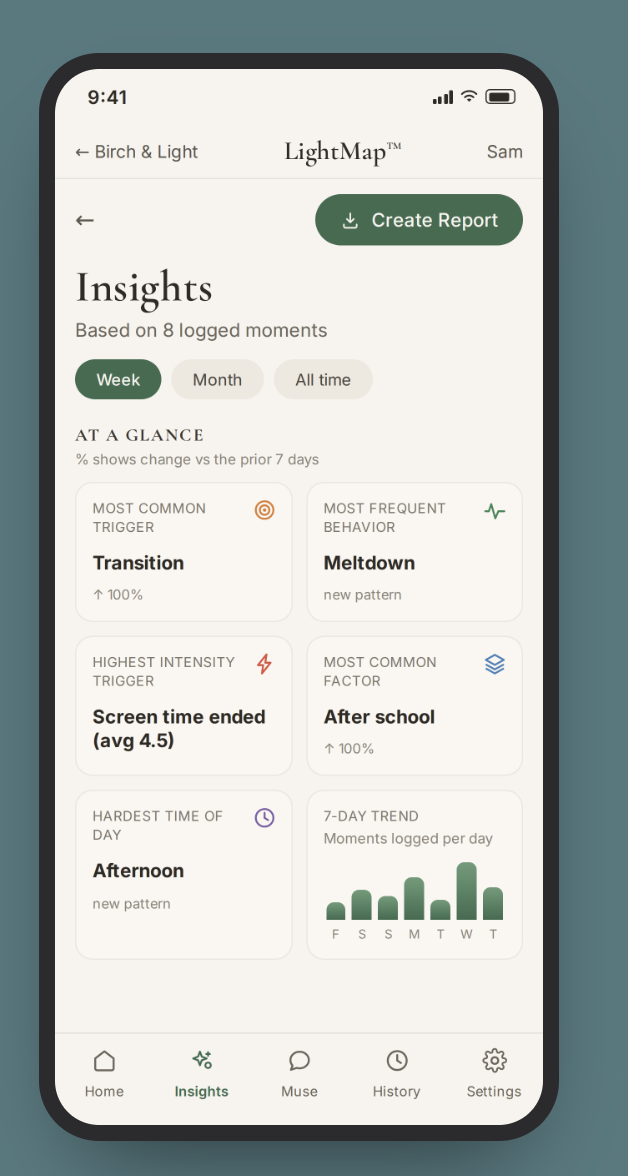

Part of the award-winning Birch & Light Method, honored with the Mom's Choice Gold Award for excellence in family resources.
A story to read together
Sometimes the easiest way in is a story you read side by side.
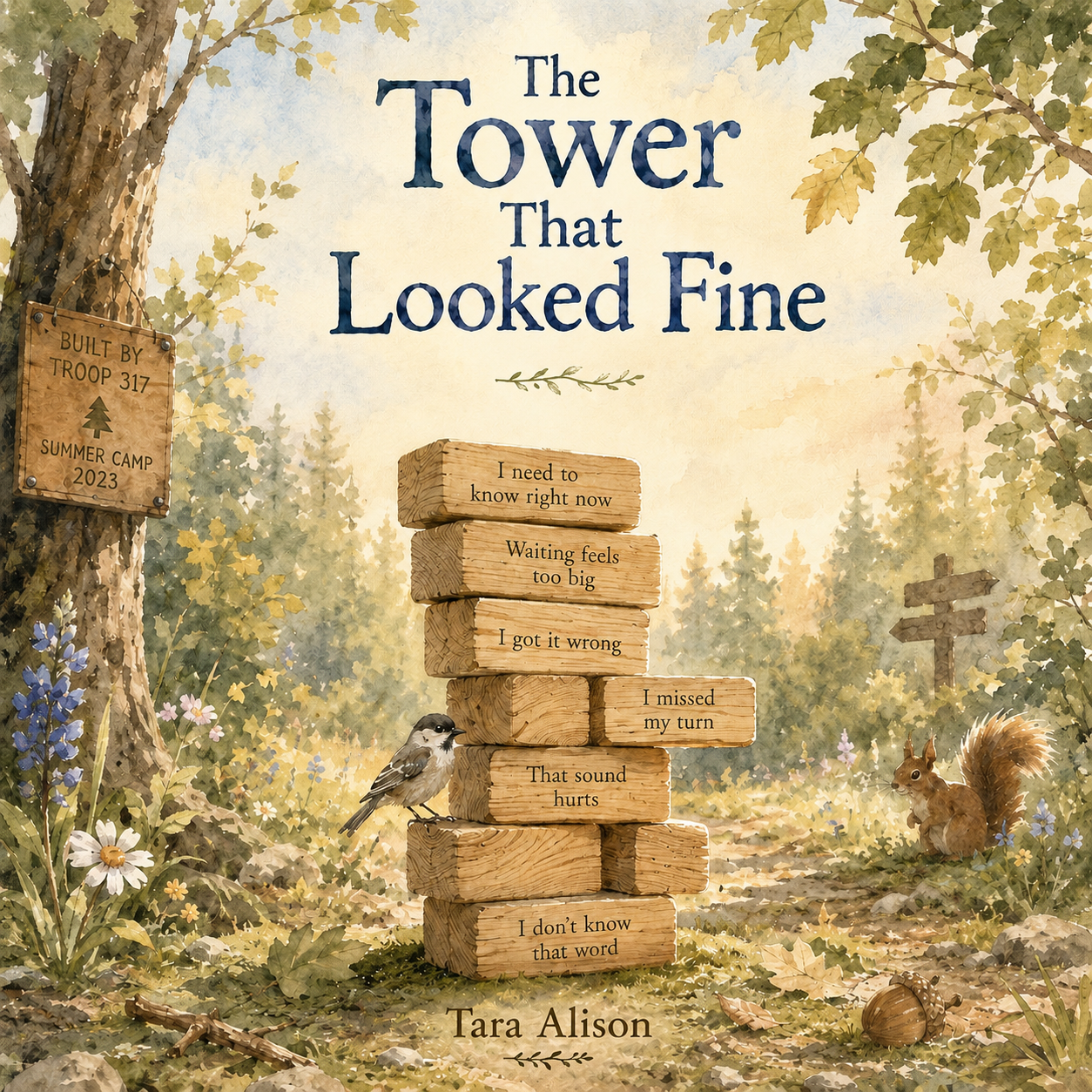 The Tower That Looked Fine
A tower in a quiet clearing tries to stay steady through every small thing nobody else seems to notice — until one tiny breath of wind causes her to fall, and a gentle hand begins to gather the blocks back.
Read the story The Boy at the Edge
A boy finds calm by watching the world move from a window. When his stillness is mistaken for defiance, the moment escalates — and he learns that being calm doesn’t always protect you from being told no.
Read the story
If today was one of those days
A few more from the library, free to read.
Researched and drafted with AI assistance, reviewed before publication. Editorial standards