.jpg)
Books help kids who feel different because a story lets them recognize themselves without having to defend themselves. A parent saying "you are not weird" sounds like a parent doing the job. A character who feels the same way and is loved anyway lands. Choose books that name the feeling and do not fix the child.
Your child says it in a small voice, usually at bedtime: "Nobody likes me." "I'm weird." "There's something wrong with me."
Your instinct is to fix it — to list all the people who love them, all the things they're good at. But you've probably noticed it doesn't really land. That's not because your child isn't listening. It's because feelings this big don't come out through logic. They come out through story.
Why stories reach kids when reassurance can't
When a child hears "you're not weird, everyone feels that way sometimes," their brain often files it under parent has to say that. But when they meet a character who feels the same thing — and watches that character be loved anyway — something shifts. They don't have to defend themselves. They just get to recognize themselves.
Therapists call this narrative distance. The story is about someone else, which makes it safe enough to actually feel.
What should a book about being different do?
- The character isn't fixed at the end. They're accepted as they are. Books that "cure" the difference subtly teach kids that their real self is the problem.
- The big feeling is named, not avoided. Anger, shame, loneliness — the book uses the actual word.
- An adult shows up with calm, not solutions. Kids learn co-regulation by watching it on the page.
- The ending is gentle, not triumphant. Real emotional shifts are quiet. Big victorious endings can feel false.
One we made for this exact moment
The Princess and the Witch Inside is a picture book about a girl who has a "witch" inside her — the part that yells, hides, or feels too much. Instead of fighting the witch or being ashamed of her, she learns the witch is part of her, and that part deserves love too.
It's written for kids ages 3–11 who:
- Have big emotions they can't always explain
- Feel like the "bad one" in their family or class
- Are starting to mask at school and unravel at home
- Need a way to talk about the parts of themselves that scare them
It comes with a soundtrack (including "I'm Still Me (Esme's Song)") and a parent companion guide that gives you the words to use after the last page.
How do you read it without turning it into a lesson?
- Read it once with no commentary. Just let it land.
- Don't ask "did you like it?" — ask "which part felt the most true?"
- Re-read on the hard nights. The story does more work than you do.
- If your child quotes a line back to you weeks later, that's the book working.
While you're here, take the guide
What's Underneath is free: the three body-state triggers under most meltdowns, what to say in the minute before it tips over, and how to reset afterward.
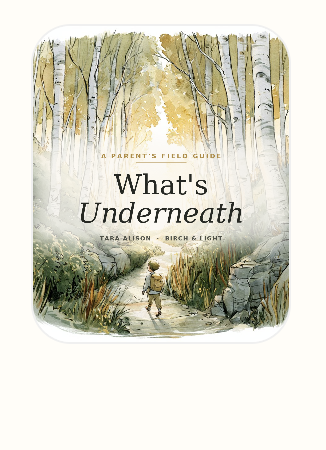
You'll get the guide instantly, plus five free articles in your inbox every week. Real challenges (meltdowns, school mornings, picky eating, big feelings) and how to actually handle them. Unsubscribe anytime.
When a story is not enough
A book opens the door to the feeling. It does not treat what sits behind it. If "nobody likes me" turns into refusing school, pulling away from every friend, or a flat mood that lasts more than two weeks, talk to your pediatrician or a child therapist. If the worry grows, or you are unsure how serious it is, call your pediatrician that week.
Bring what you have noticed to that appointment: when the comments come, what happened that day, and whether they follow school, friends, or tiredness. Specifics help a clinician more than a general report that she says she is weird. Keep the bedtime reading going alongside any treatment. The shared time matters on its own.
Pair it with patterns, not pressure
Stories help kids feel seen. LightMap — our parent app, free for 2 weeks — helps you see what's actually going on underneath. When you log the moments your child feels smallest (and what came before), patterns surface. Often it's not what you'd guess.
Together, the story and the tracking become two sides of the same thing: helping your child feel less alone in who they are.
Frequently asked questions
What age is best for books about feeling different?
Most picture books on this theme work well for ages 4–9. Younger kids absorb the emotional message through the pictures and rhythm; older kids start connecting it to their own experiences. The Princess and the Witch Inside is written for ages 3–11.
How do I know if my child actually feels 'different'?
Common signs: they say things like 'nobody likes me,' 'I'm weird,' or 'I'm bad.' They may withdraw at school, mask big feelings, or have meltdowns at home that surprise teachers. A story is often the safest way for them to talk about it sideways.
Should I read the book once or on repeat?
Repeat. Kids absorb emotional stories in layers — the first read is the surface, the fifth read is when they start whispering 'that's me' at certain pages. Don't push the conversation; let the book do the work.
What if my child cries during the story?
That's usually a good sign — the story landed. Stay close, don't fix it, and let them feel it. A line like 'this part feels true for you, doesn't it?' is often enough.
Are there tools to track what helps my child feel more themselves?
Yes — LightMap is a parent app that helps you spot which days, settings, and people leave your child feeling safe and which leave them shrinking. After 1–2 weeks of logging, patterns become visible. New accounts get a 2-week free trial, then $12.99/month.
Sources: Montgomery P, Maunders K. The effectiveness of creative bibliotherapy for internalizing, externalizing, and prosocial behaviors in children: A systematic review. Children and Youth Services Review, 2015, volume 55, pages 37 to 47, which found small to moderate positive effects on child behavior across eight randomized trials of children aged 5 to 16. Liao F, Liang J, Zhang M, Liang W, Zhang C, Yun X. Recent developments in bibliotherapy for adolescent depression. Frontiers in Psychiatry, 2025, volume 16, article 1681462, which covers adolescents, an older group than the picture book readers in this article.
For education and reflection, not medical advice. Our terms
See what's underneath
Stop guessing what set it off
LightMap reads your hard days together and gives you answers. Start with one moment today.
Start with 3 moments Not sure where to start? Ask me.Message Tara on WhatsApp. It really is me, I read everything and will personally respond.Click here to message Tara →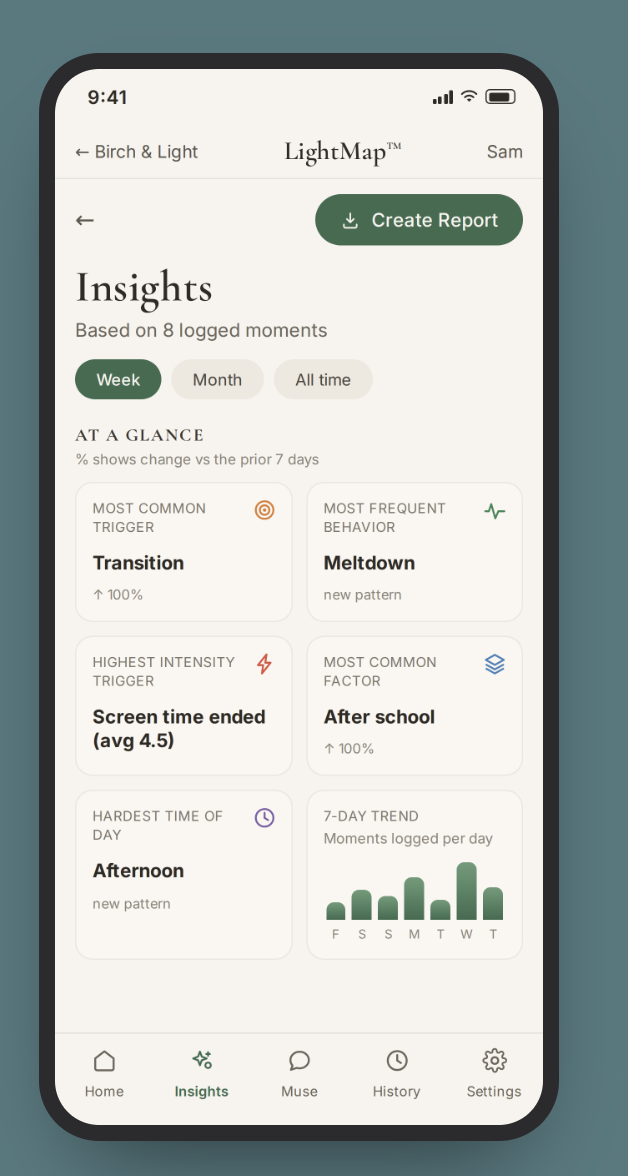

Part of the award-winning Birch & Light Method, honored with the Mom's Choice Gold Award for excellence in family resources.
A story to read together
Sometimes the easiest way in is a story you read side by side.
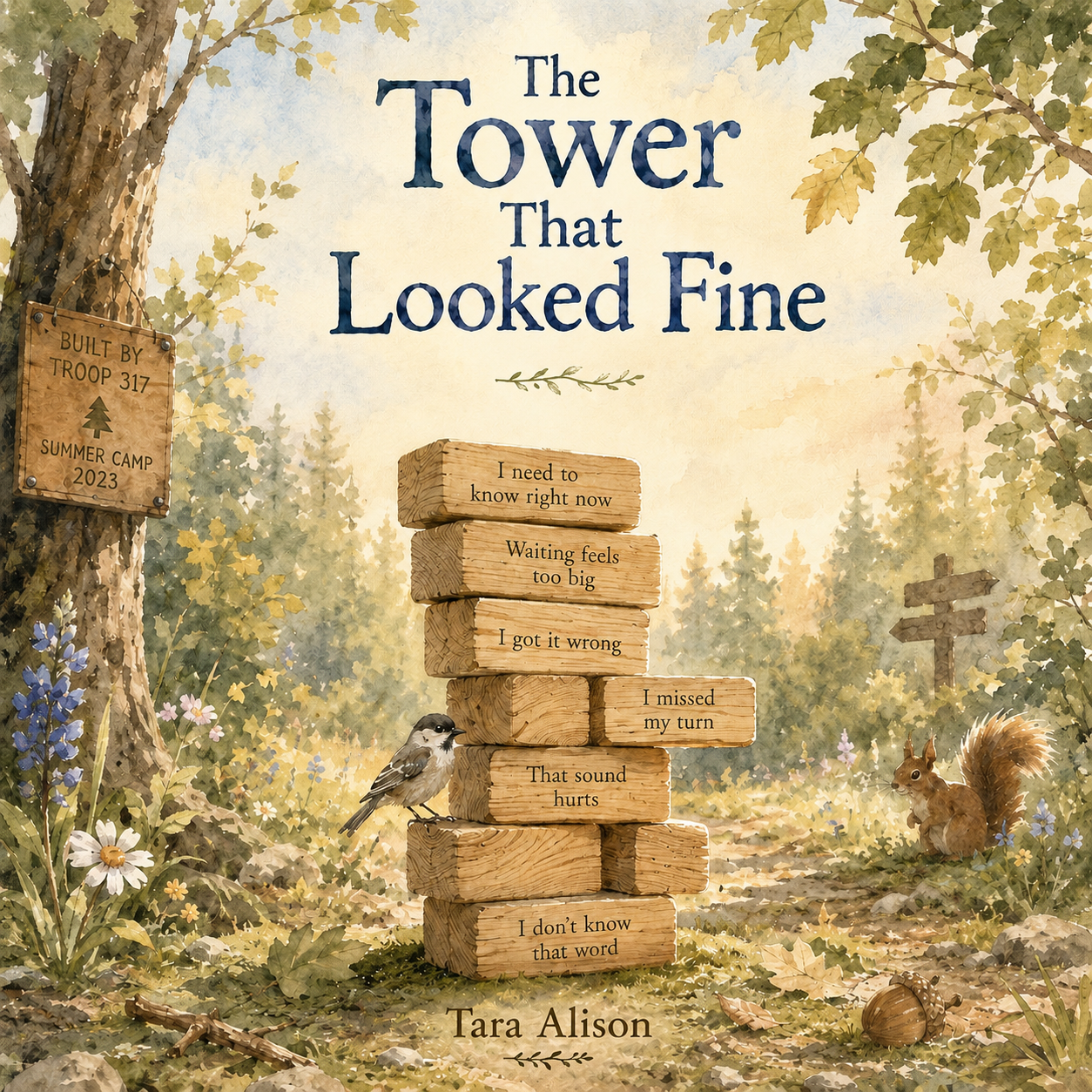 The Tower That Looked Fine
A tower in a quiet clearing tries to stay steady through every small thing nobody else seems to notice — until one tiny breath of wind causes her to fall, and a gentle hand begins to gather the blocks back.
Read the story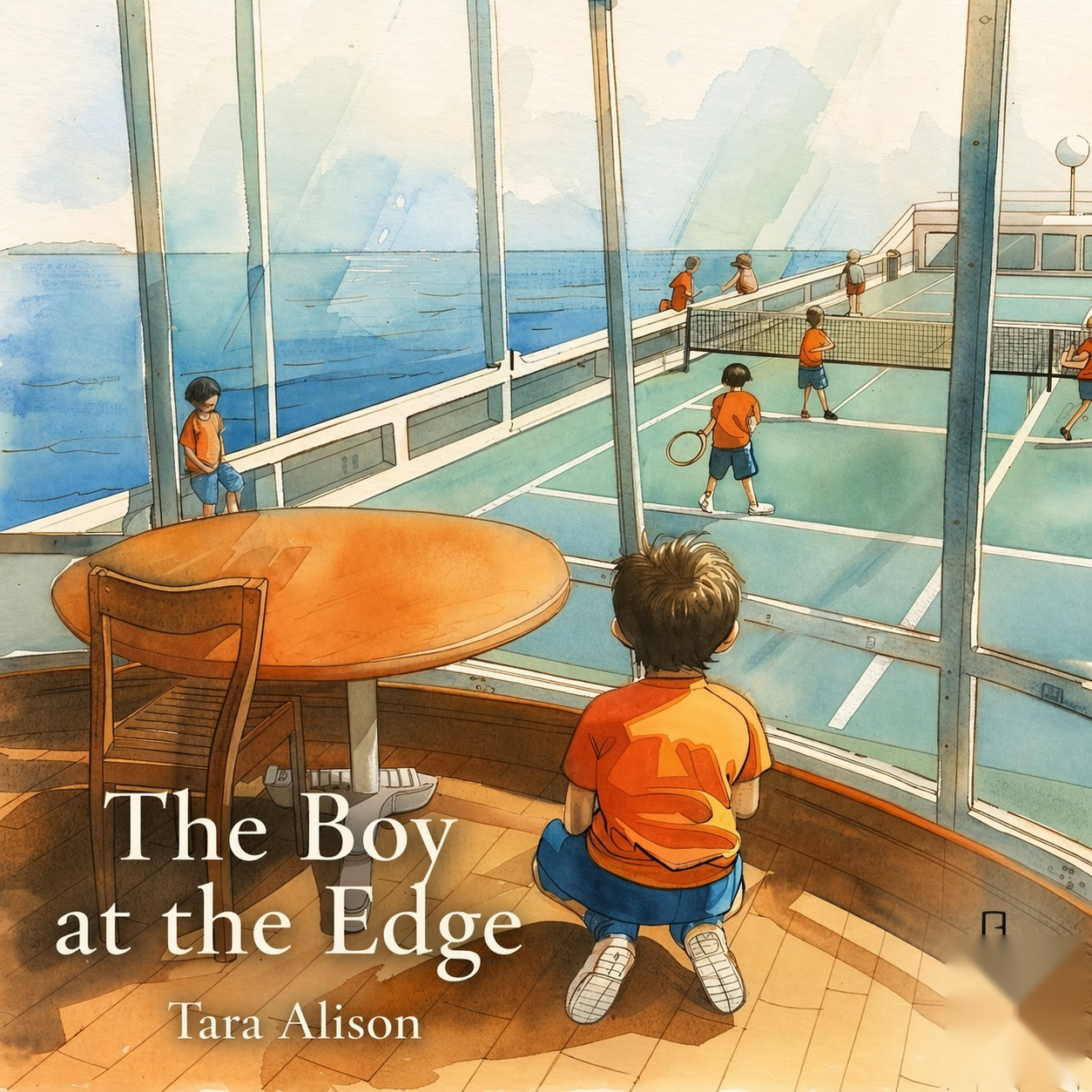 The Boy at the Edge
A boy finds calm by watching the world move from a window. When his stillness is mistaken for defiance, the moment escalates — and he learns that being calm doesn’t always protect you from being told no.
Read the story
If today was one of those days
A few more from the library, free to read.
Researched and drafted with AI assistance, reviewed before publication. Editorial standards