.jpg)
There is a particular cruelty built into the UK system that families discover the hard way: a young person can spend years on a children's mental health waiting list, receive nothing, and then turn 18 and fall off the end of it. Not assessed, not treated, not transferred. The wait simply evaporates, and the now-adult starts again from zero, often with a GP who seems unsure how the adult pathway even works, while their confidence sinks under the weight of struggling at college or work with no explanation anyone official will put on paper.
If that is where your family is, here is the thing almost nobody at the surgery will volunteer: in England, you do not have to join the back of another multi-year queue. There is a legal route that is faster, free, and does not depend on your GP's enthusiasm, only their pen.
Right to Choose, in plain language
Under the NHS Constitution, a patient in England being referred for a first outpatient appointment has the legal right to choose which provider they are referred to, as long as that provider holds an NHS contract for the service anywhere in England. This has applied to mental health referrals since 2014. In practice, for adult ADHD, it means your GP can refer to one of several national specialist providers, organisations like Psychiatry-UK, ADHD 360, Clinical Partners, Psicon, and Care ADHD, instead of the local service with its years-long list. The assessment is NHS-funded. You pay nothing. If medication is recommended, it is titrated by the provider and usually handed back to the GP under a shared care agreement.
Honest expectations: Right to Choose waits have grown as demand exploded. NHS England has now issued national guidance capping how much ADHD and autism assessment activity it will fund, and most of the providers named above have published their own notices pausing new bookings in specific ICBs (local NHS areas), sometimes for six months or longer. This changes month to month and postcode to postcode, so before you refer, check the provider's own live waiting times or service updates page for your ICB rather than assuming a slot is open. Where a provider is not paused in your area, typical adult assessment waits through this route currently run months, sometimes close to a year, and titration can be a separate queue after diagnosis. That is genuinely frustrating. It is also a different universe from the multi-year local lists, and the charity ADHD UK maintains an updated comparison of provider waiting times so you can pick the shortest queue rather than guess.
The GP conversation, scripted
The referral requires a GP, and this is where families stall, because many GPs are unfamiliar with the pathway or mistake local ICB guidance for the limit of your rights. Go in prepared:
Name the pathway and the provider. "I would like a referral for an adult ADHD assessment under NHS Right to Choose, to [provider]." Naming both signals you know this is a defined process, not a favour.
Bring the paperwork. Most Right to Choose providers publish a GP referral pack on their websites, some will even contact the surgery on your behalf, and ADHD UK publishes plain-English guides to the right itself. Handing over a printed pack converts "I don't know how" into a form-filling exercise.
Bring the evidence. Adult ADHD assessment looks for lifelong symptoms causing impairment in more than one setting. A one-page summary helps enormously: specific current struggles (time, tasks, emotional regulation, holding steady at college or work), when they began, and any childhood record, and note that years spent on a children's waiting list is itself documentary evidence that concerns were raised early. An adult self-report screener (the ASRS is the standard one) filled out in advance gives the GP something concrete to attach.
If the GP still refuses: ask, politely, for the refusal and its reason to be recorded in the notes, that sentence alone changes many conversations. Then escalate in order: the practice manager, the surgery's complaints process, PALS (the Patient Advice and Liaison Service), and the ICB. Or simply register with a different practice; GPs vary enormously on this, and some surgeries now process Right to Choose requests by email without an appointment. You are not asking for an exception. You are asking for a legal entitlement.
While you're here, take the guide
What's Underneath is free: the three body-state triggers under most meltdowns, what to say in the minute before it tips over, and how to reset afterward.

You'll get the guide instantly, plus five free articles in your inbox every week. Real challenges (meltdowns, school mornings, picky eating, big feelings) and how to actually handle them. Unsubscribe anytime.
Support that does not wait for the diagnosis
A diagnosis unlocks medication and formal recognition, but a struggling 19-year-old does not have to wait for the letter before getting help:
At college or university: disability and learning support teams can put informal adjustments in place based on described need, extensions, planning help, quiet exam arrangements, while the formal process runs. Ask for the disability adviser by name.
At work: the government's Access to Work scheme can fund coaching and workplace adjustments and does not require a formal diagnosis to apply.
Skills scaffolding now: ADHD-informed coaching, body doubling, external structure (visible planners, alarms for everything, one calendar), and the many free resources from ADHD UK and AADD-UK, including peer support groups where a young adult can sit among people whose brains work like his. For someone who has spent years feeling disbelieved, the peer room is sometimes the most therapeutic intervention available.
The part that matters more than the referral
Years of struggling without explanation, while services fail to show up, does something corrosive to a young person: the story "something is wrong with the system" quietly becomes "something is wrong with me." If the low mood is deepening, flat, hopeless, withdrawing, that deserves its own attention from the GP now, as its own concern, not as a footnote to the ADHD question, and support lines like Samaritans (116 123) or NHS 111 are there if it ever tips further. Getting the assessment moving usually lifts things, because motion itself is an antidote to hopelessness, but do not let the ADHD queue become the only thread his wellbeing hangs on.
A note on geography: Right to Choose is England-only. In Scotland, Wales, and Northern Ireland the route runs through the GP to local adult neurodevelopmental services, with different waits and, where means allow, private assessment as the faster alternative; the charities above cover all four nations.
The cliff your family fell off is real, and the years on that list were failed years, there is no dressing that up. But the adult door is not another decade of silence. It is one prepared GP appointment away from opening.
Pathway details, providers, and waiting times in this article were last reviewed in September 2026. NHS processes change; always confirm current details with the linked organisations.
Sources: NHS England guidance on patient choice of provider and the NHS Choice Framework; the National Health Service Act 2006 and associated patient choice regulations; NICE Guideline NG87, Attention deficit hyperactivity disorder: diagnosis and management; research on adult ADHD presentation and assessment (PMC).
For education and reflection, not medical advice. Our terms
See what's underneath
Walk into the next appointment with answers
LightMap reads your hard days together and gives you answers. Start with one moment today.
Start with 3 moments Not sure where to start? Ask me.Message Tara on WhatsApp. It really is me, I read everything and will personally respond.Click here to message Tara →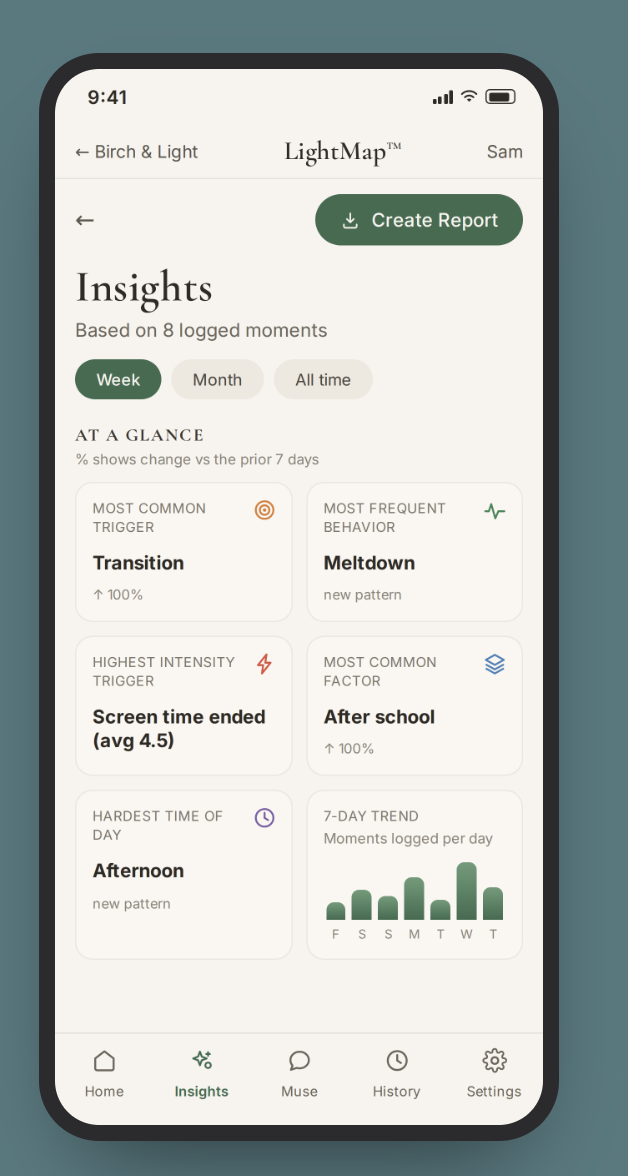

Part of the award-winning Birch & Light Method, honored with the Mom's Choice Gold Award for excellence in family resources.
A story to read together
Sometimes the easiest way in is a story you read side by side.
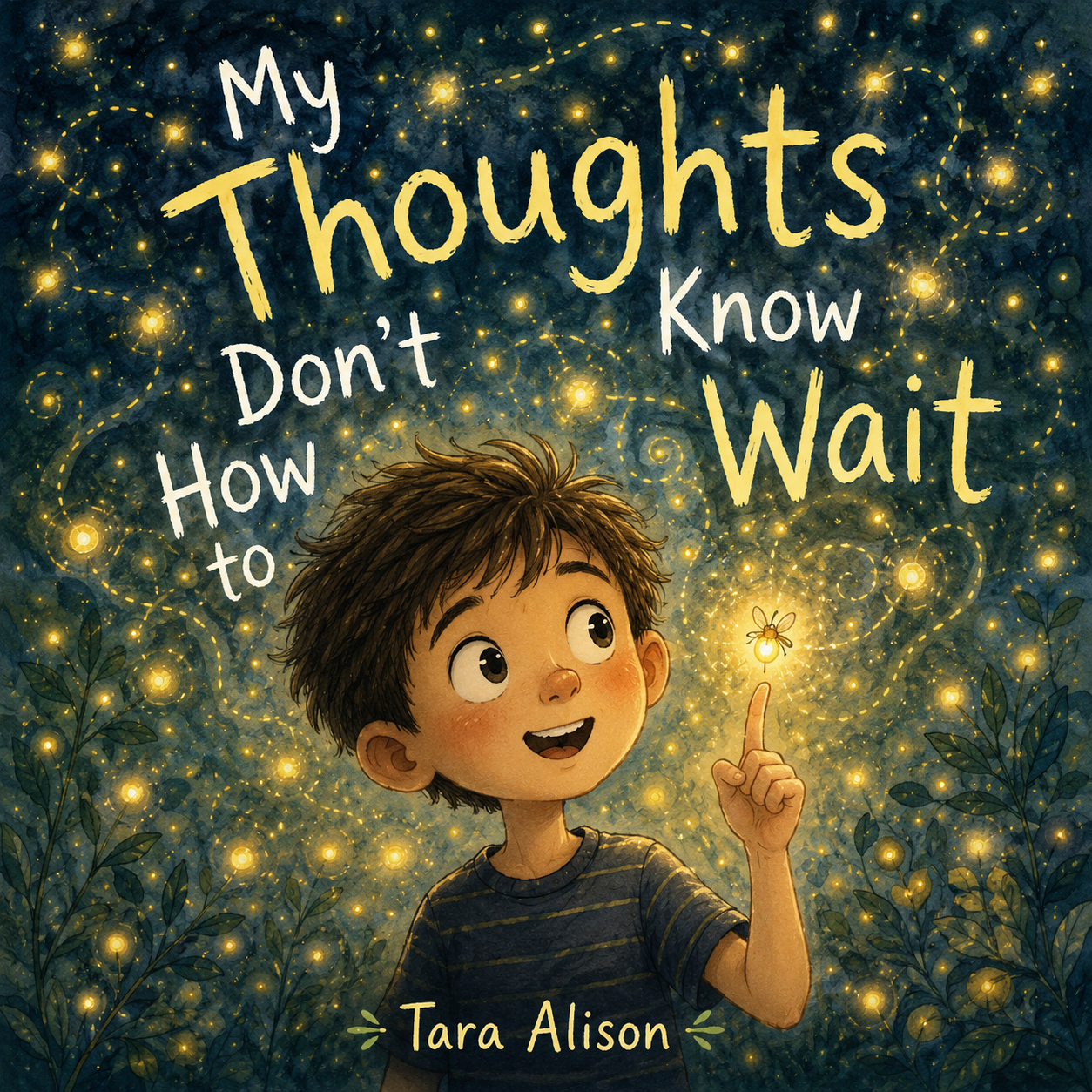 My Thoughts Don't Know How to Wait
Simon's thoughts arrive bright and fast — and feel like they will disappear if he doesn't say them right away. One quiet night beside fireflies, he discovers a small, surprising space between noticing a thought and chasing it.
Read the story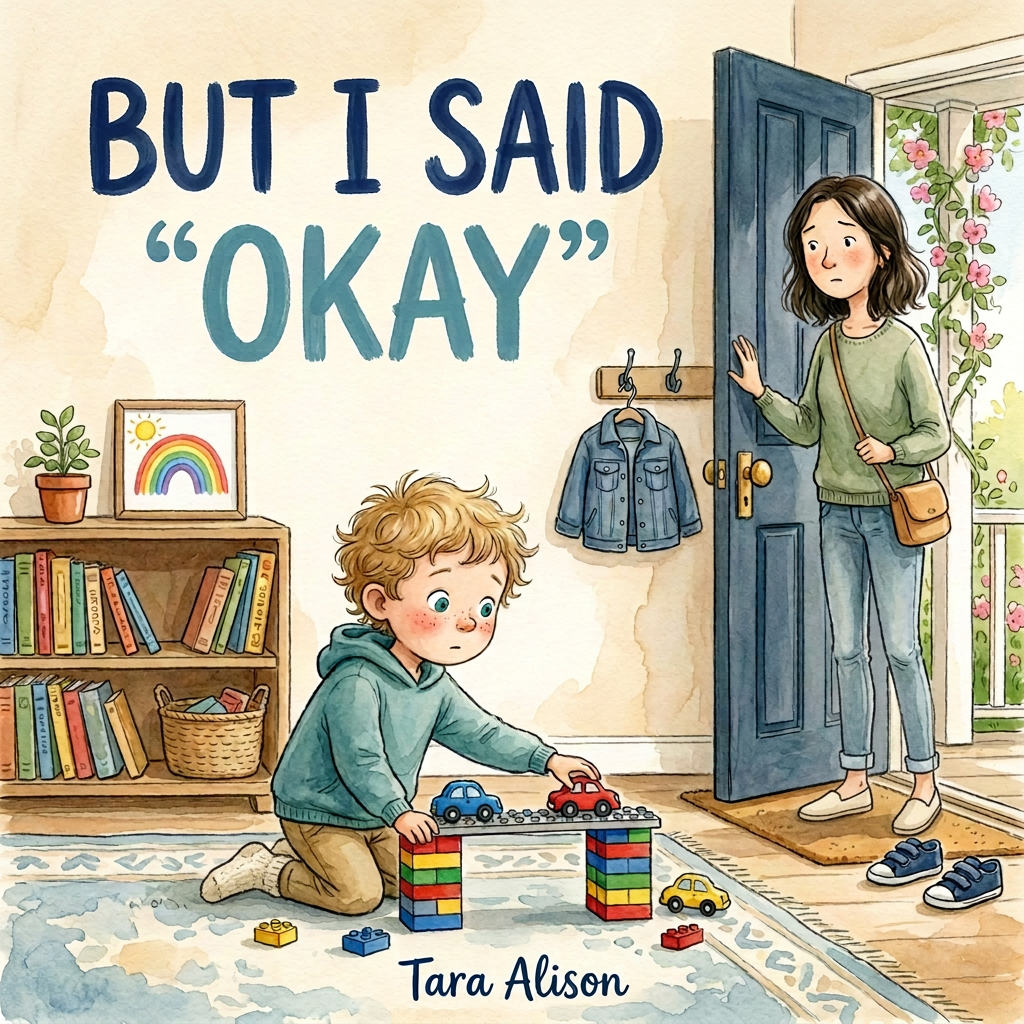 But I Said “Okay”
Owen always says okay. He means it every time. But his attention is still inside the bridge, the dragon, the cave, the music — until Mom realizes that helping him leave one thing matters more than asking him to start the next.
Read the story
If today was one of those days
A few more from the library, free to read.
Researched and drafted with AI assistance, reviewed before publication. Editorial standards