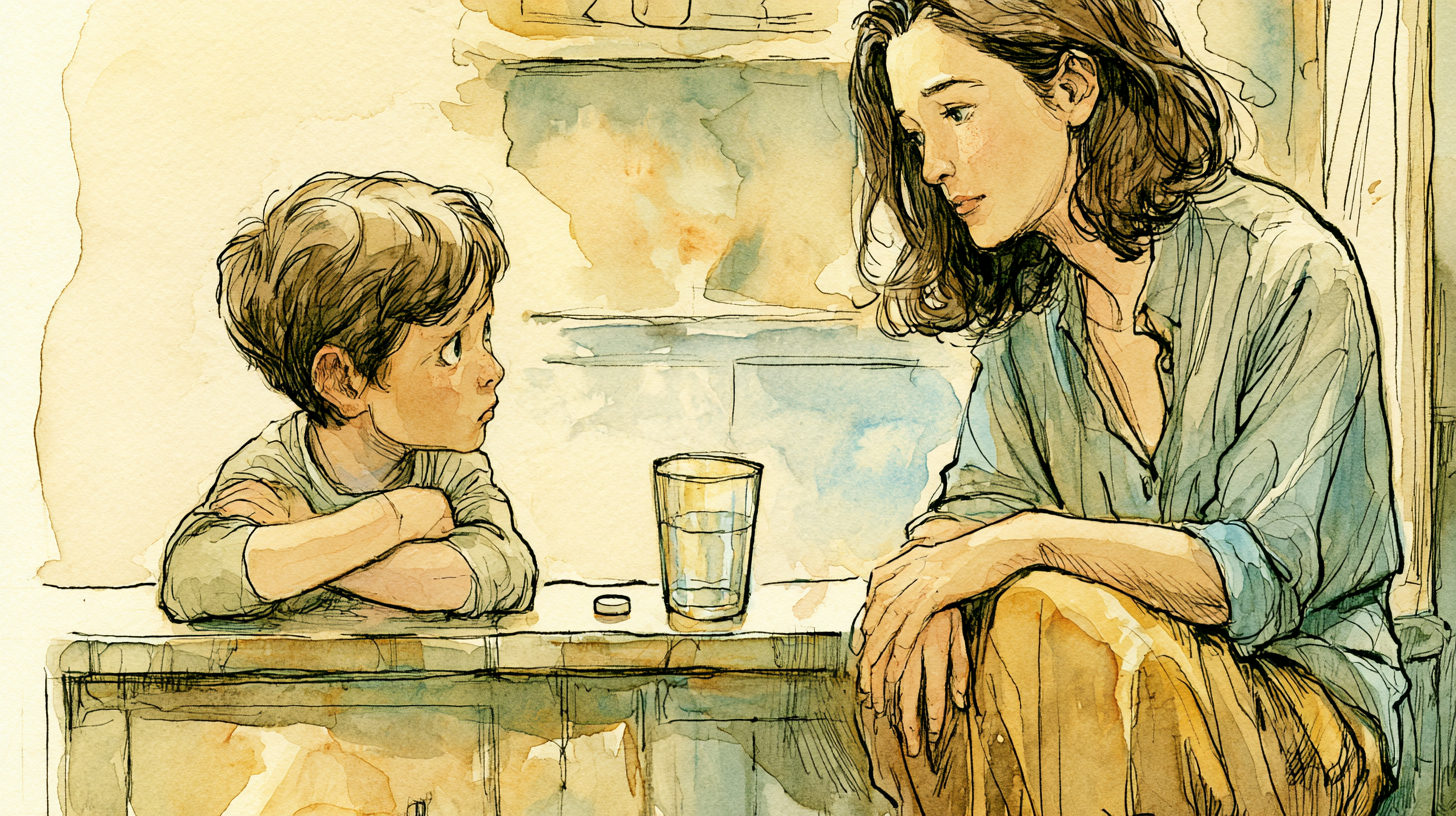
It is a tiny pill. Or half a teaspoon of liquid. Objectively ten seconds of the day, and yet it has become a twenty-minute standoff every single time: negotiating, gagging, hiding, tears, a child with lips sealed like a vault and a parent silently losing their mind, because this is not optional, and tomorrow it happens again.
Medication battles feel uniquely awful because the stakes are real and surrender is not on the menu. So the useful move is to figure out which battle you are actually in, because "fights every medication" has several different engines, and each one has a different fix.
The five engines of the medicine fight
1. The sensory engine. For many kids this is genuinely about the mouth: the bitterness that adults barely register can be overwhelming to a child''s more numerous taste buds, the chalky texture, the gag reflex that fires at the mere approach of a syringe. If your child also has strong food textures opinions, this engine is likely running. The tell: they fight some formats far more than others, and flavor changes actually help.
2. The swallowing-skill engine. Pill swallowing is a learned motor skill, and nobody teaches it. A child who cannot reliably get a pill down is not defiant; they are being asked to perform something they have failed at before, with an audience, under pressure. The tell: anxiety spikes at pill-form specifically, and there is a history of gagging or a pill "stuck."
3. The control engine. Medication is one of the few daily events where a child has absolute veto power: nobody can make a mouth open. For kids who feel low on control elsewhere, and for demand-avoidant kids especially, the medicine moment becomes the arena where autonomy gets defended, precisely because the adults visibly need compliance. The tell: the fight is worse when you are visibly invested, and mysteriously easier with the babysitter.
4. The fear engine. Some kids have quietly concluded something about the medication: that it means they are sick or broken, that it will change who they are (common with ADHD and psychiatric meds, especially if they''ve overheard adult debates), that it tastes of a scary diagnosis. The tell: the resistance came with, or after, big medical events or overheard conversations, and it travels with questions like "will I have to take this forever?"
5. The "it works" engine, in disguise. Occasionally a child fights a medication because of how it makes them feel: the appetite loss, the flatness some kids experience on stimulants, the stomachache nobody connected to the dose. Their refusal is a side-effect report filed in the only language available. The tell: resistance grew over time on a med they once took easily. This one is not a compliance problem at all; it is information for the prescriber.
While you're here, take the guide
What's Underneath is free: the three body-state triggers under most meltdowns, what to say in the minute before it tips over, and how to reset afterward.
You'll get the guide instantly, plus five free articles in your inbox every week. Real challenges (meltdowns, school mornings, picky eating, big feelings) and how to actually handle them. Unsubscribe anytime.
What helps, by engine
Sensory: pharmacies can flavor most liquids; many pills come in alternative formats (chewable, dissolvable, liquid, sprinkle-capsules); a strong-flavored chaser or a frozen-tongue trick (cold numbs taste) genuinely works. Ask the pharmacist directly, they solve this daily.
Skill: teach swallowing away from medicine time, zero stakes, using tiny candies and progressively larger ones over days. Head down (chin toward chest) actually floats a capsule back better than head-back. Practice when nothing depends on it, and the pressure at 8pm drops away.
Control: hand over every controllable variable: which chair, what chaser, before or after pajamas, who gives it, self-administering with you nearby. Then remove the audience-pressure: matter-of-fact delivery, no hovering face, no visible desperation. For these kids, boredom is your best delivery system. The medication itself is non-negotiable; everything around it is theirs.
Fear: name the medicine''s job in plain, non-scary terms suited to their age, "this helps your body do X", and invite the questions underneath: "Some kids wonder if taking medicine means something is wrong with them. Ever think about that?" And audit what they overhear: children metabolize adult ambivalence about their meds into their own.
Side effects: believe the report and take it upstream. A child''s "I hate how it makes me feel" belongs in the prescriber''s office, where doses, timing, and alternatives live. Kids who see their feedback taken seriously fight the next adjustment far less, because the system finally includes them.
Two lines worth holding
First: no force, except in true emergencies. Pinning and squirting wins tonight and loses the year, it confirms every fear, inflames every control instinct, and can build a medical-care aversion that outlasts childhood. If you cannot get a necessary med in without force, that is a solvable logistics problem for the prescriber and pharmacist, not a test of parental resolve.
Second: never sneak medication into food secretly as a long-term strategy. When discovered, and it gets discovered, it converts every future meal into suspicion territory, and the trust bill is enormous. Transparency, with the child holding every controllable choice, is slower and wins.
Not sure which engine you''re fighting? The pattern knows: LightMap lets you log each medication standoff, its intensity, format, time, who gave it, what preceded it, and within a couple of weeks the engine is usually obvious, which means the fix finally is too.
Sources: Lurie Children's Hospital, Children's Health (Dallas), Seattle Children's Hospital on pediatric pill-swallowing technique.
For education and reflection, not medical advice. Our terms
See what's underneath
Find the trigger instead of chasing the fear
LightMap reads your hard days together and gives you answers. Start with one moment today.
Start with 3 moments Not sure where to start? Ask me.Message Tara on WhatsApp. It really is me, I read everything and will personally respond.Click here to message Tara →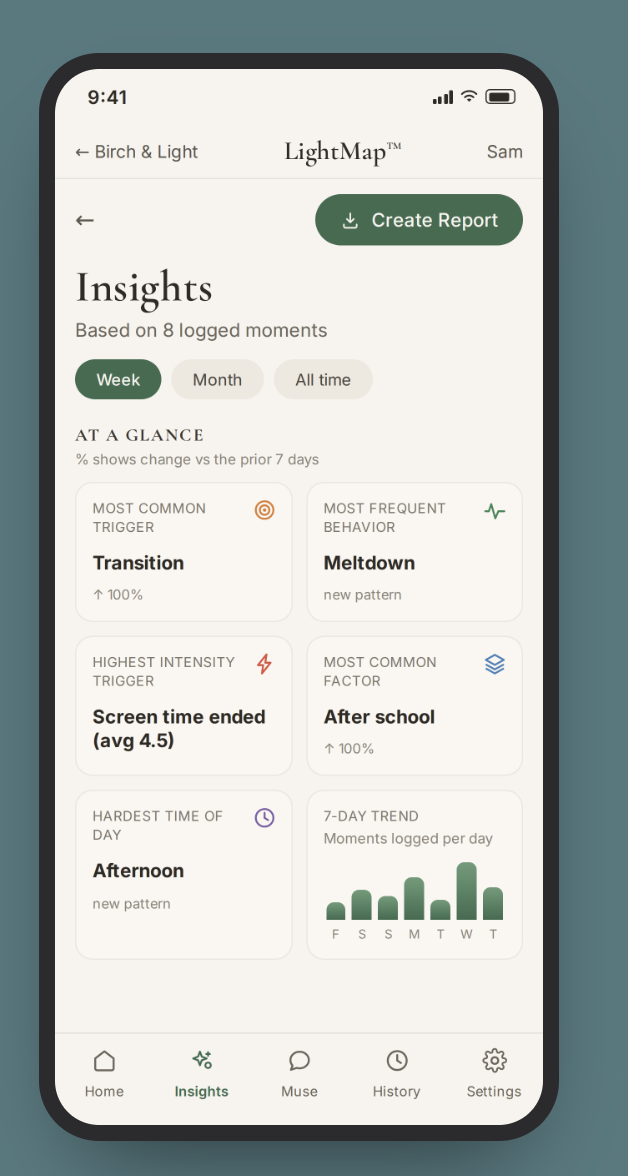
Part of the award-winning Birch & Light Method, honored with the Mom's Choice Gold Award for excellence in family resources.
A story to read together
Sometimes the easiest way in is a story you read side by side.
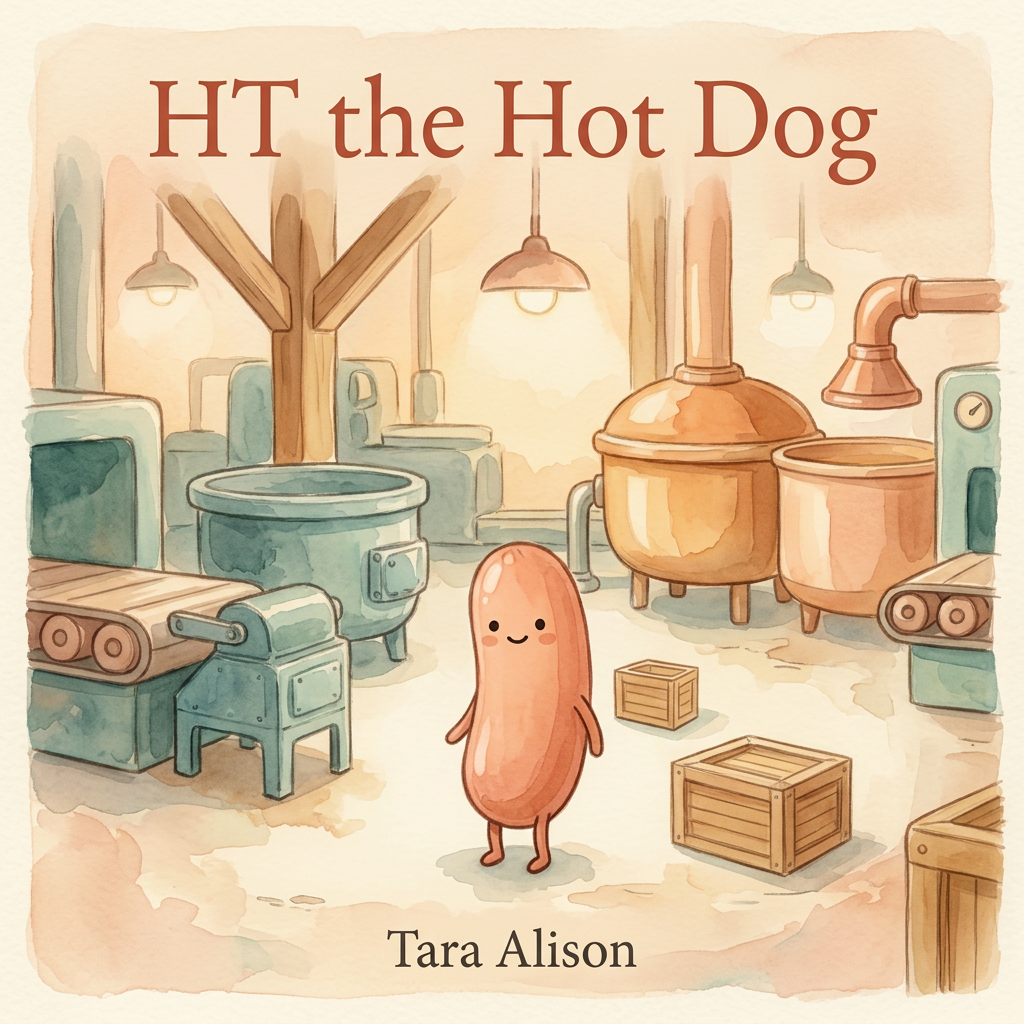 HT the Hot Dog
A nervous hot dog learns that worrying about imagined disasters keeps stealing today’s joy.
Read the story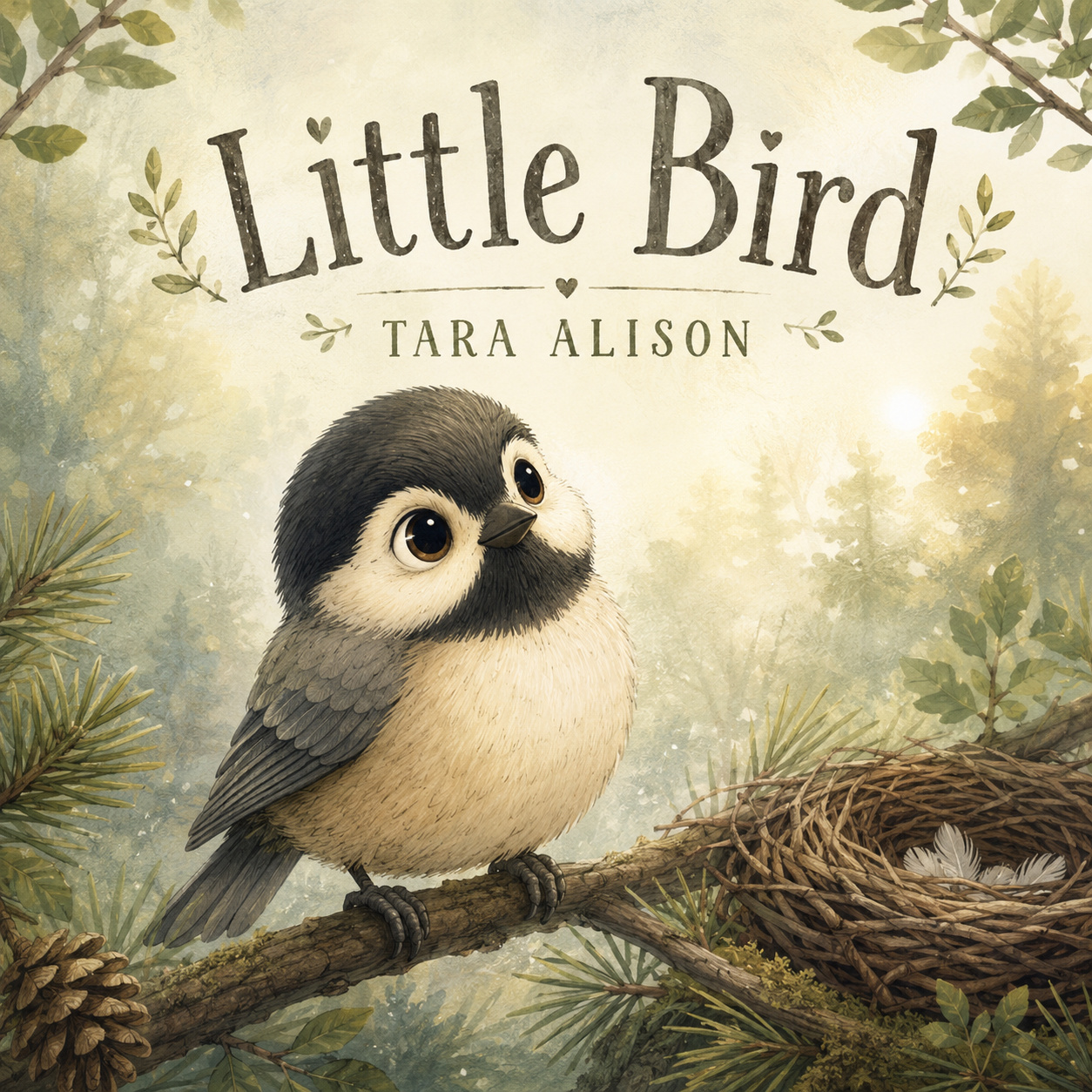 Little Bird
Little Bird used to fly everywhere. Then the forest started to feel too big — and a wise voice helps her see that her wings remember more than her worries do.
Read the story
If today was one of those days
A few more from the library, free to read.
Researched and drafted with AI assistance, reviewed before publication. Editorial standards