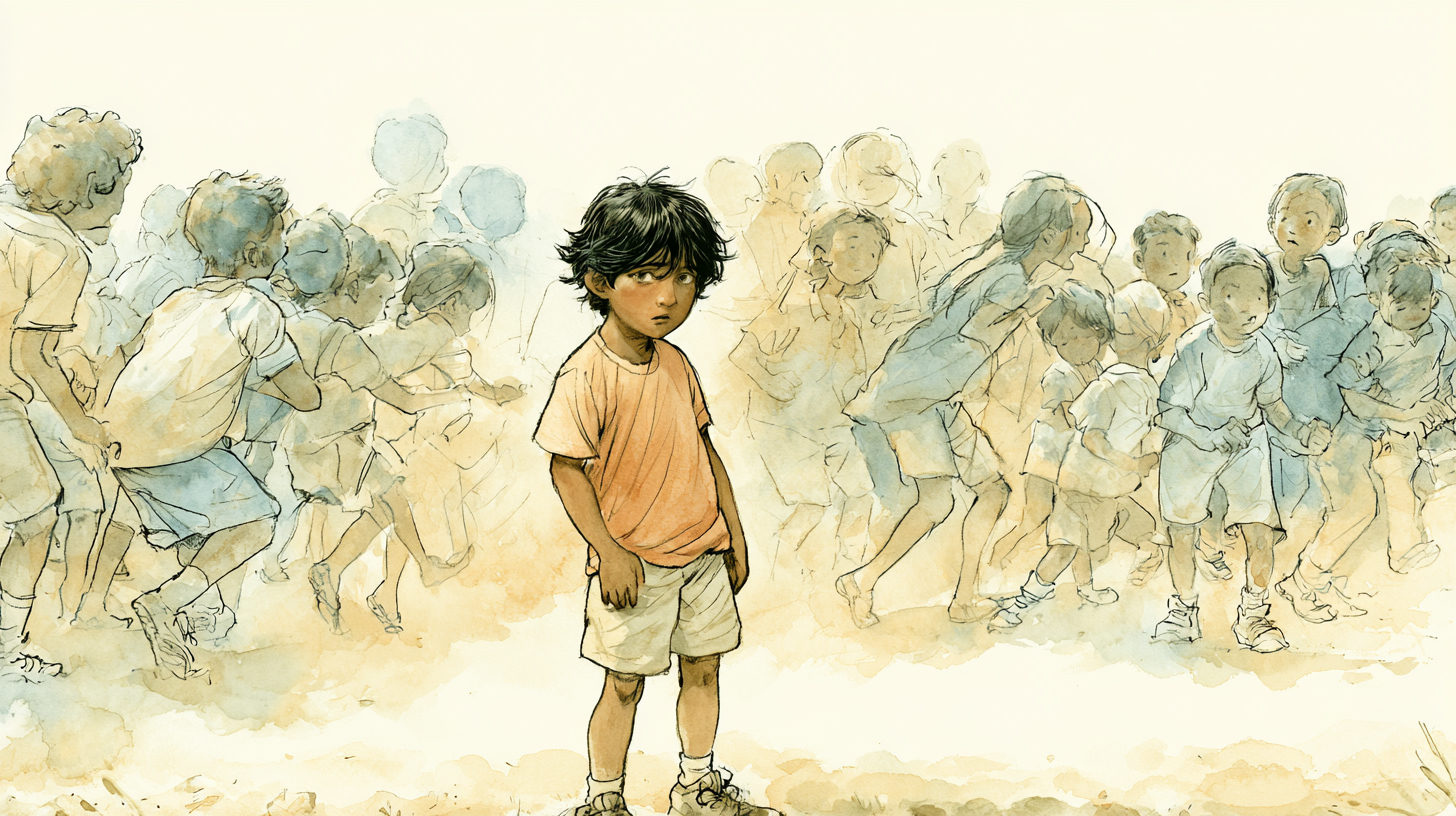
One-on-one, your child is a dream playmate. Engaged, imaginative, kind, able to play for hours. But put them in a group — a party, a team, a cluster of kids at the playground — and something changes. They get overwhelmed, melt down, hang back at the edges, or become bossy and rigid in a way you never see when it's just them and one friend.
It can be confusing, even worrying. If they can do it with one child, why not with five? Are they antisocial? Behind? Doing something wrong?
None of those. The gap between one friend and a group isn't a gap in your child's social ability. It's a reflection of how much harder a group genuinely is — for reasons that have nothing to do with how much they like other kids.
Why a Group Is Exponentially Harder
We tend to think of group play as just 'more' of one-on-one play — the same thing, scaled up. But for a child's nervous system, a group isn't more of the same. It's a different and far more demanding task. A few specifics make the difference clear.
The social processing multiplies. With one friend, your child tracks one set of cues, one mood, one set of intentions. In a group of five, the number of relationships and signals to read doesn't add up — it multiplies. Every additional child is not one more thing to track but several. For a nervous system that finds social processing effortful, that escalation can quickly exceed capacity.
The unpredictability rises sharply. One friend is relatively predictable. A group is a constantly shifting landscape — alliances forming, plans changing, someone getting upset, the game transforming every few minutes. For a child who finds uncertainty threatening, a group is a steady stream of the exact thing that overwhelms them.
There's less control. One-on-one, your child can co-create the play, shape it, keep it in a zone that works for them. In a group, the play is governed by the collective — faster, louder, and going in directions they can't steer. The loss of control is itself dysregulating for many children.
The sensory load climbs. More children means more noise, more movement, more bodies, more stimulation. For a child with sensory sensitivities, the group environment alone — before any social demand — can be near the edge of what they can tolerate.
A group isn't one friend times five. For your child's nervous system, it's a different and much harder thing entirely.
Why It Comes Out as Meltdown or Bossiness
When the group exceeds what a child can manage, the overflow tends to show up in one of two ways, and both make sense as responses to overwhelm.
Some children melt down or withdraw — the system hits its limit and either erupts or shuts down and retreats to the edges. Others become controlling: bossy, rigid, insistent on directing the play and enforcing the rules. That controlling behavior is easy to read as a personality flaw, but it's very often an attempt to manage an overwhelming situation — to impose predictability and control on a scene that feels chaotic. The child isn't being domineering for its own sake; they're trying to make an unmanageable situation manageable the only way they know how.
While you're here, take the guide
What's Underneath is free: the three body-state triggers under most meltdowns, what to say in the minute before it tips over, and how to reset afterward.

You'll get the guide instantly, plus five free articles in your inbox every week. Real challenges (meltdowns, school mornings, picky eating, big feelings) and how to actually handle them. Unsubscribe anytime.
What This Doesn't Mean
It doesn't mean your child is antisocial, behind, or destined to struggle with friendship. The fact that they play beautifully one-on-one is proof of real social capacity — they have the skills. What they don't yet have is the capacity to deploy those skills under the much heavier load a group imposes. That capacity grows with development and with the right kind of support, and the one-on-one strength is the foundation it grows from.
What Tends to Help
Lean into one-on-one. If that's where your child thrives, that's where their friendships should be built. Deep one-on-one connections are not a consolation prize — they're genuine friendship, and for many children they're the more meaningful kind. Prioritize them without apology.
Scale up gradually. If you want to build group capacity, do it in steps — two friends before five, familiar kids before strangers, short before long, structured before free-for-all. Each small increase, tolerated successfully, builds the capacity for the next.
Lower the load inside the group. When a group is unavoidable, you can reduce the demand — a quieter setting, a structured activity rather than unstructured chaos, a planned exit, a check-in person. Anything that shrinks the unpredictability and sensory load makes the group more manageable.
Reframe the controlling behavior. If your child gets bossy in groups, try seeing it as overwhelm rather than rudeness — and respond by reducing the load rather than only correcting the behavior. A child who feels less overwhelmed has less need to control.
Protect the recovery. Group time costs more, so the landing afterward is harder. Build in the quiet, low-demand decompression time your child needs to come back down.
The Shift Worth Making
The question isn't 'why can't my child handle a group like they handle one friend.' It's 'what makes a group so much harder — and how do I either lower that load or lean into the one-on-one where they shine.'
Your child's one-on-one gift is real and worth celebrating. The group struggle isn't a contradiction of it — it's just evidence of how much heavier groups are. Meet them where their capacity is, build it gently from there, and let the deep one-on-one friendships be the win they genuinely are.
Every behavior is a clue.
If your child shines one-on-one and struggles in groups, LightMap can help you track which settings work and which overwhelm them — so the pattern beneath it becomes easier to see. Explore LightMap at birchandlight.com/lightmap.
For your child: Magnolia, Willow, and Pine is about two trees who have always leaned toward each other, and what happens when the wind starts moving one of them toward someone new.
Sources: Parten's stages of social play; research on the cognitive and executive demands of group versus dyadic interaction in children (PMC); research on social pragmatic language demands in multi-party conversation (PMC); STAR Institute for Sensory Processing.
For education and reflection, not medical advice. Our terms
See what's underneath
See which situations cost the most
LightMap reads your hard days together and gives you answers. Start with one moment today.
Start with 3 moments Not sure where to start? Ask me.Message Tara on WhatsApp. It really is me, I read everything and will personally respond.Click here to message Tara →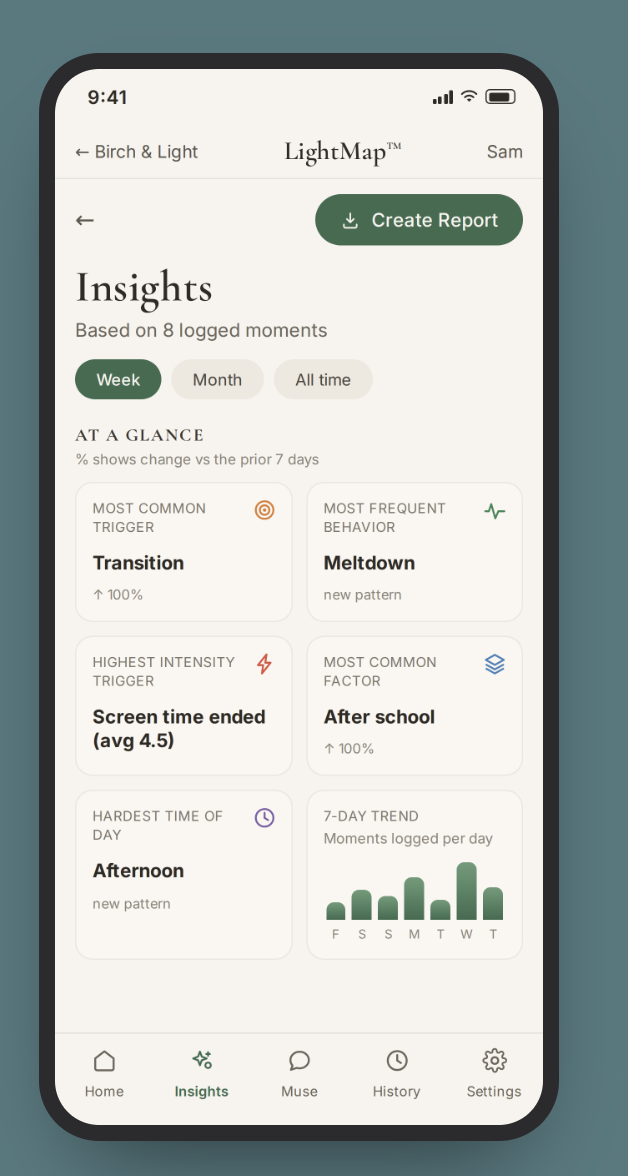

Part of the award-winning Birch & Light Method, honored with the Mom's Choice Gold Award for excellence in family resources.
A story to read together
Sometimes the easiest way in is a story you read side by side.
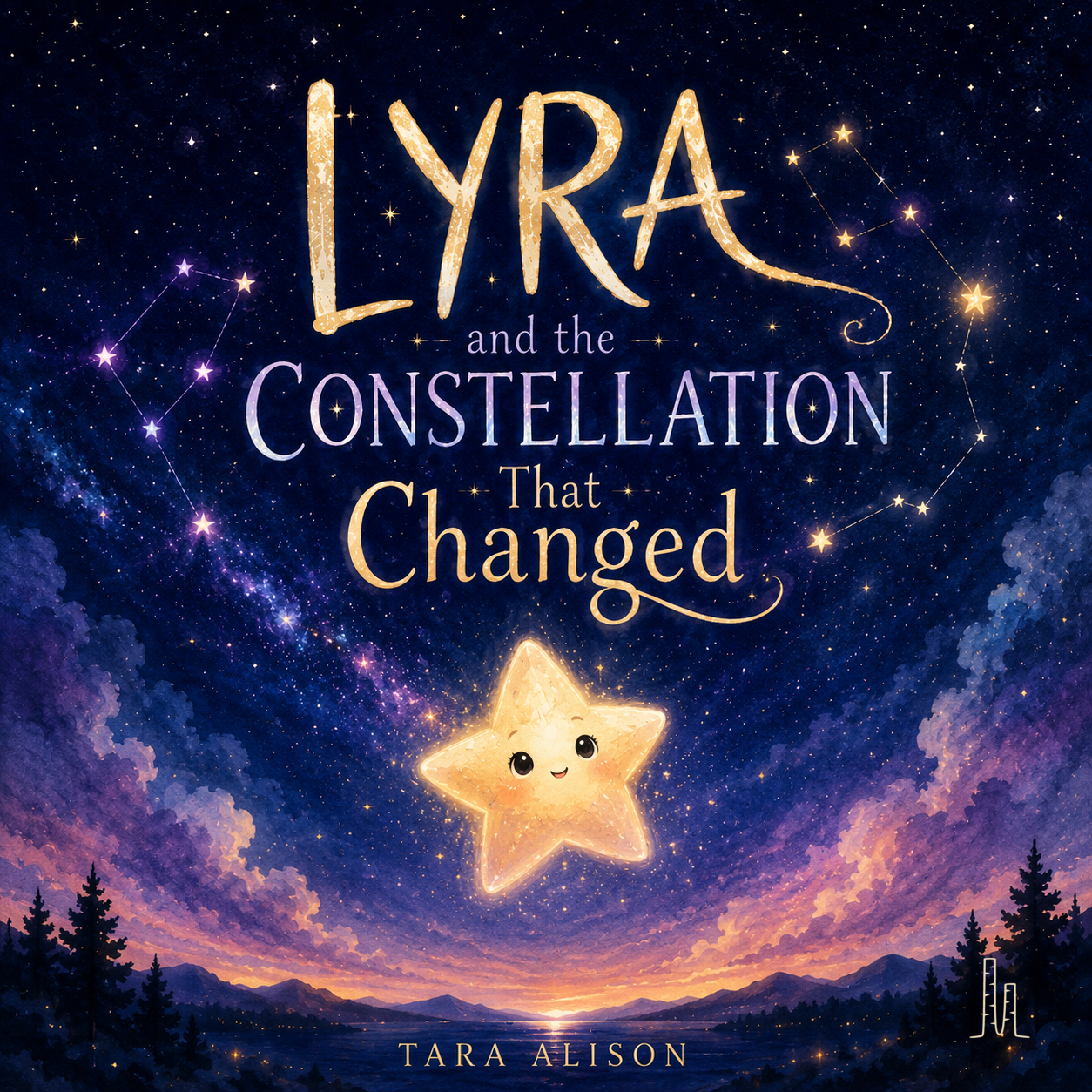 Lyra and the Constellation That Changed
A small star watches her closest friend slowly drift away — and learns that her light was never measured by who stayed beside her.
Read the story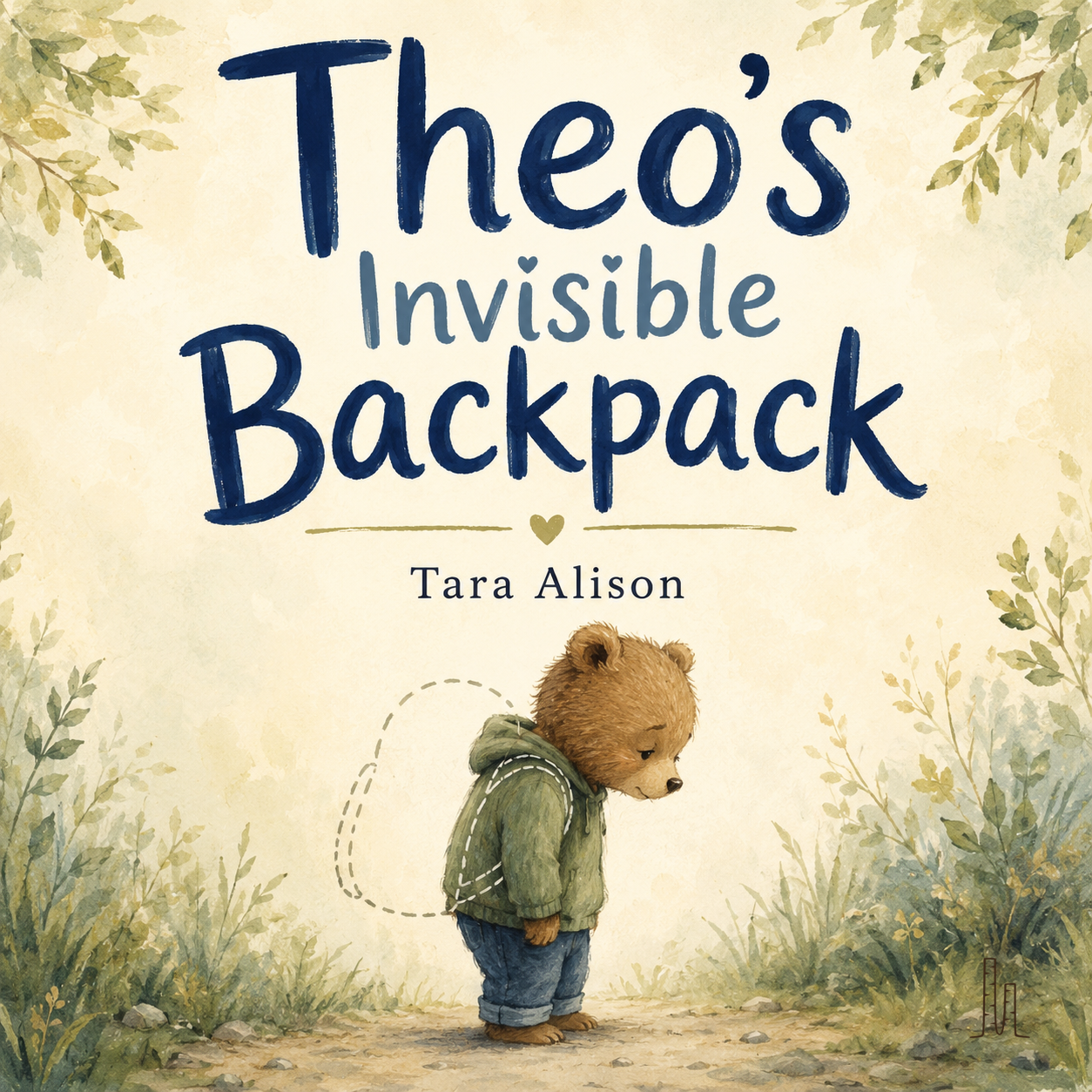 Theo's Invisible Backpack
Theo carries every hurtful word as a stone in an invisible backpack — until the day his mama really sees how heavy it has become, and they begin sorting the stones together.
Read the story
If today was one of those days
A few more from the library, free to read.
Researched and drafted with AI assistance, reviewed before publication. Editorial standards