
Nobody warns you about this part. You have finally gotten some kind of handle on your child's PANS or PANDAS, you know the drill with strep and viruses, you have a rhythm. And then puberty arrives, and everything you thought you understood seems to come apart. The irritability is worse. The rage is bigger. The OCD, the sensory overwhelm, the insomnia all crank up at once, and you find yourself staring at a child you barely recognize, wondering what happened to the ground you thought you'd gained.
If your child is heading into puberty and flaring in ways that feel new and frightening, you are not imagining it, and you did not do something wrong. Puberty is one of the most under-discussed flare triggers in PANS and PANDAS, and understanding why it happens can give you back some footing.
Tired of guessing what set your child off? Log tonight's moment in LightMap.
Why puberty ramps everything up
PANS and PANDAS are, at their core, about a nervous system and immune system that are dysregulated and easily tipped. Puberty is one of the biggest physiological upheavals a body ever goes through. Hormones surge and swing, the brain is remodeling itself, sleep architecture shifts, and the whole system is under load. For a neurotypical kid that's already a turbulent stretch. For a child whose system is primed to flare, it's like adding a second storm on top of the one they already weather.
The hormonal shifts matter in particular. Estrogen and other reproductive hormones interact with the immune system and with brain chemistry in ways researchers are still mapping, but families have observed the pattern for years: symptoms that intensify as puberty begins, and for girls, symptoms that start to move in cycles once menstruation is on the horizon. The body is being hit from two directions at once, the underlying condition and the hormonal tide, and the result is a flare that can feel more severe and more stubborn than what came before.
The cyclical pattern worth watching for
Here's the piece that tends to be most useful once a girl's cycle starts, or even in the year or so before it does when hormones are already shifting: many parents find their daughters flare cyclically, most often in the days leading up to a period. The rage, the OCD spikes, the sensory intolerance, the sleeplessness, they cluster in a premenstrual window and then ease.
This matters because a pattern you can see is a pattern you can plan around. If you start tracking her symptoms alongside what her body is doing, whether that's a formal cycle log or just notes on the bad days, you may find the flares aren't as random as they feel. Once the window becomes visible, you can brace for it instead of getting blindsided, lower the demands during those days, protect her sleep, and some families work with their PANS-literate doctor on how to support her through that recurring window. You stop being purely reactive and start being able to anticipate.
There's a story for this exact struggle
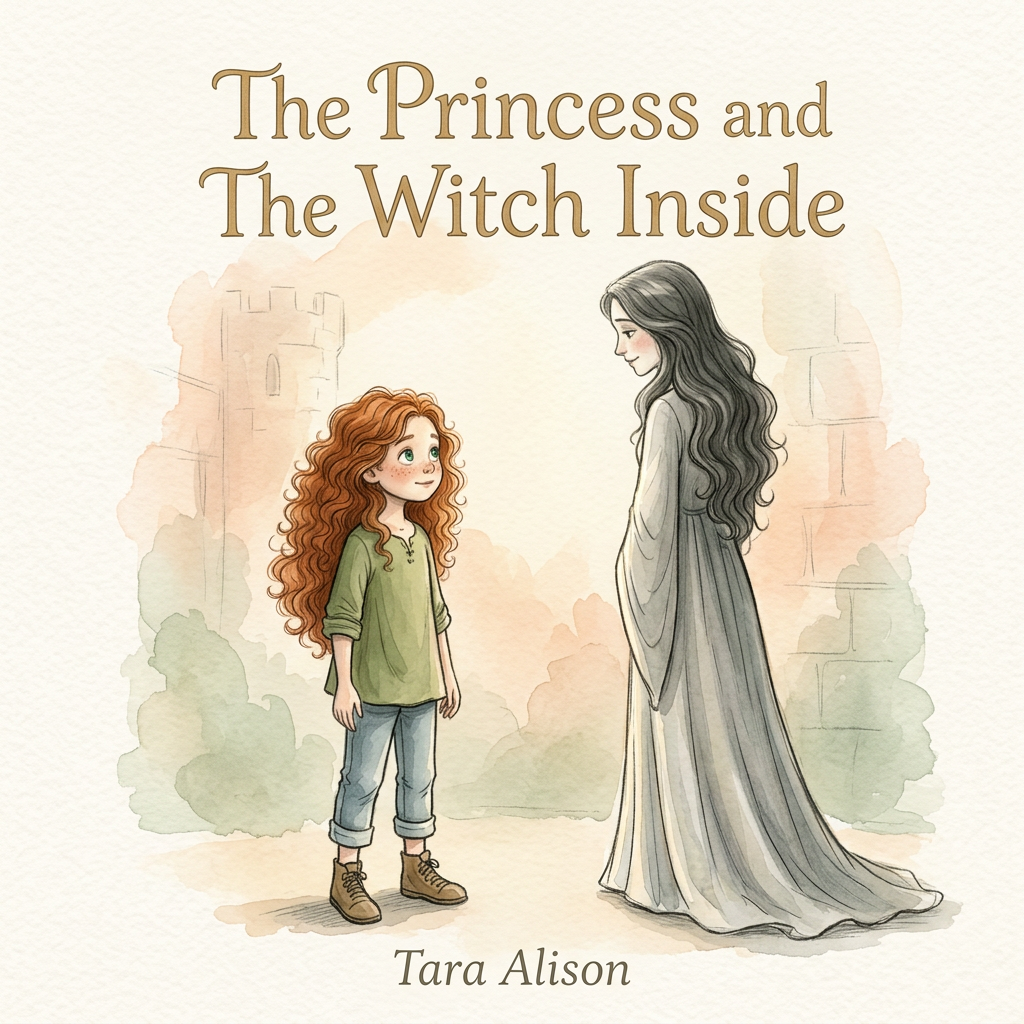
The Princess and the Witch Inside
Esme is loved, but a fast protective part keeps rushing in before she gets a turn. A quiet visitor helps her meet the witch inside — not as an enemy, but as a worried protector — and find her way back to the people she wanted to be with all along.
Free to read. You'll also get five free articles a week. Unsubscribe anytime.
The part that's hardest to sit with
The rage is the thing that guts parents most, especially when a younger sibling becomes afraid. When your child's aggression frightens the other kids in the house, it can feel like you're losing not just her but the safety of the whole family. I want to say this: that reaction from you is not overreacting, and the fear the siblings feel is real and worth taking seriously. It's okay to protect them and love her at the same time.
But it helps to hold onto what the rage actually is. This is not your daughter choosing to terrorize the house. A flaring PANS brain in the middle of a hormonal surge is a nervous system in fight mode, flooded past what it can regulate. The child underneath is still there, and she is very likely as frightened by her own loss of control as everyone around her is. Naming it that way doesn't make the days easier, but it can keep you from losing her in your own mind during the worst of it.
What tends to help during this stage
There's no single fix, but a few things steady the ground:
- Track the pattern. Log symptoms against her cycle and against the usual PANS triggers (illness, strep exposure, stress). The clearer the pattern, the more you can anticipate.
- Lower demands in the hard windows. When you know a flare window is coming or underway, this is the time to strip life back to essentials, drop the optional pressures, protect sleep fiercely, and reduce sensory load. You are not spoiling her by easing off. you are keeping her system from tipping further.
- Protect the siblings without villainizing her. Give the other kids a safe space and a simple, honest framing for what's happening, that their sister's brain is sick right now and it makes her act in scary ways, and that it isn't their fault or hers. Both things can be true.
- Loop in a PANS-literate doctor about the hormonal piece specifically. Not every provider connects puberty and flares, so it's worth raising directly. The intersection of hormones and PANS is exactly the kind of thing a knowledgeable clinician can help you plan around.
- Take care of yourself in this stretch. This is one of the hardest chapters, and you cannot pour steadiness into your child from an empty tank. Your regulation is part of hers.
You haven't lost the ground you gained
It can feel, in the thick of a puberty flare, like everything you learned and built has been wiped out. It hasn't. This is a hard, hormonally-loaded chapter layered on top of a condition you already know how to fight, and it is a chapter, not a permanent state. The daughter underneath the flare is still there. And the fact that you're already looking for what helps, already taking the rage seriously instead of just punishing it, means she has exactly the person she needs in her corner for this next stretch.
Cycle timing is close to impossible to hold in your head across months. Logging symptoms against dates in LightMap is how a monthly pattern becomes clear enough to act on.
Sources: peer-reviewed research on estrogen-immune interaction in autoimmune disease (Desai & Brinton, 2019), Autoimmune Association.
For education and reflection, not medical advice. Our terms
Before the next flare
Bring your doctor a timeline, not a memory
LightMap turns scattered hard days into a pattern you can see. Start by logging one moment tonight.
Find out why it keeps happening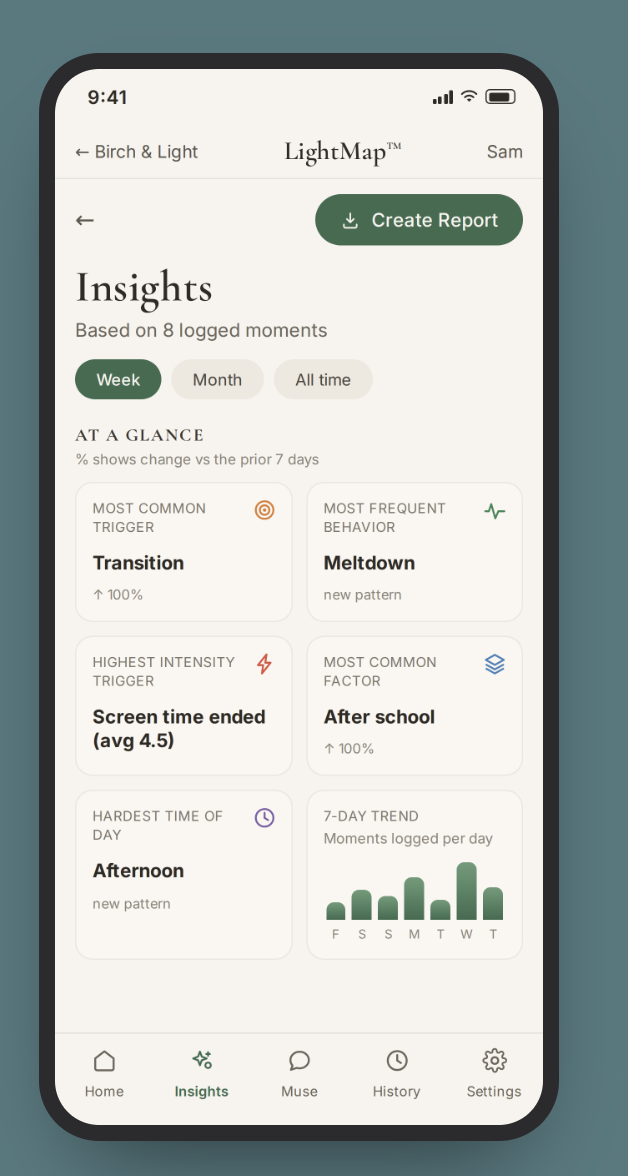

Part of the award-winning Birch & Light Method, honored with the Mom's Choice Gold Award for excellence in family resources.
Before you go, grab the free guide
The 3 body-state triggers under most meltdowns, a script for the 30 seconds before it tips over, and a reset for after. Free.

You'll get the guide instantly, plus five free articles in your inbox every week. Real challenges (meltdowns, school mornings, picky eating, big feelings) and how to actually handle them. Unsubscribe anytime.
A story to read together
Sometimes the easiest way in is a story you read side by side.
- The Princess and the Witch Inside
Esme is loved, but a fast protective part keeps rushing in before she gets a turn. A quiet visitor helps her meet the witch inside — not as an enemy, but as a worried protector — and find her way back to the people she wanted to be with all along.
Read the story 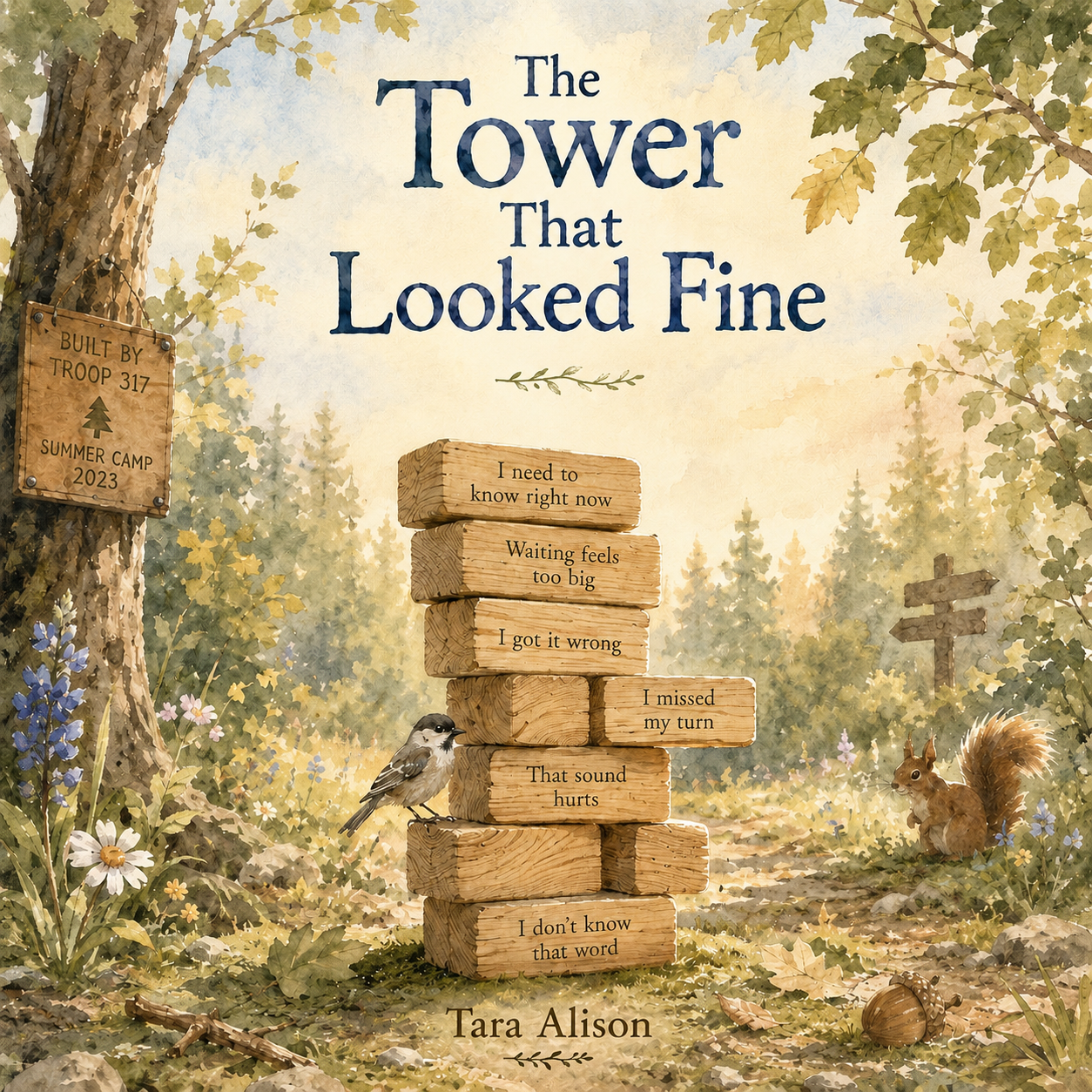 The Tower That Looked Fine
A tower in a quiet clearing tries to stay steady through every small thing nobody else seems to notice — until one tiny breath of wind causes her to fall, and a gentle hand begins to gather the blocks back.
Read the story
Researched and drafted with AI assistance, reviewed before publication. Editorial standards