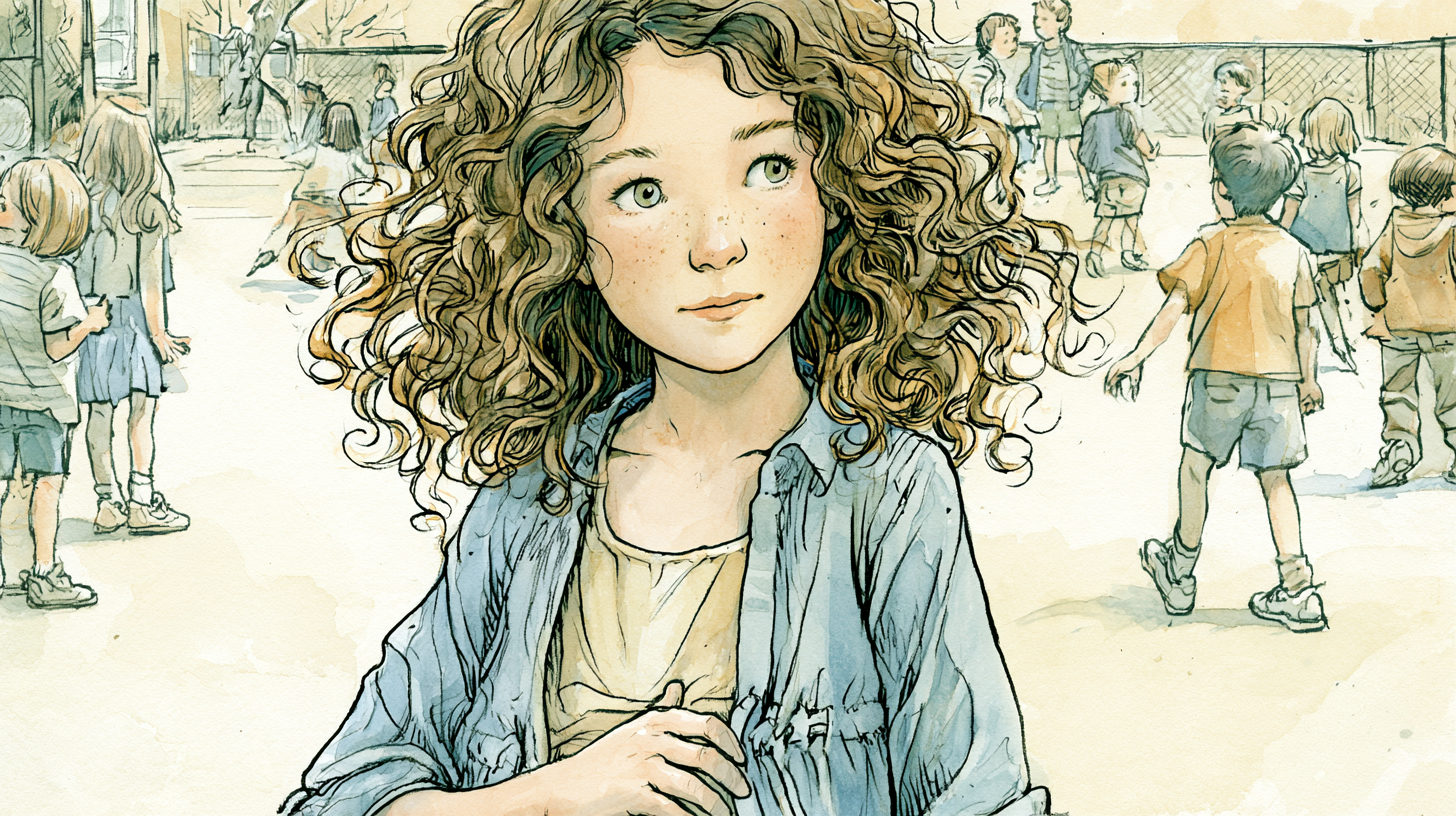
When a child is diagnosed with Type 1 Diabetes, the family gets a stack of medical information overnight. What they often don't get is something to put in the child's hands that says: your body isn't broken. It's talking to you — and you can learn to listen.
There are plenty of resources that explain the medicine — pumps, CGMs, the basics of a low. What's still rare is a quiet, in-the-moment story about what a low actually feels like from the inside, and the emotional weight of having to pause when no one else has to.
What kids actually need a story to say
After diagnosis, kids absorb the routine pretty quickly. What takes longer — sometimes years — is the emotional piece: feeling different, feeling watched, feeling like their body is the problem. A good story can shift that early, before the shame settles in.
The kind of story that helps a young child with T1D does three things:
- Shows a capable kid, not a sick one. The character is doing things — running, playing, figuring it out — not being managed.
- Honors the body's own signals. The hollow stomach, the heavy arms, the way the world starts to look a little farther away — these are real, and worth slowing down for.
- Doesn't make the diagnosis the whole story. June is a kid first. The T1D is the texture, not the plot.
An illustrated story for newly diagnosed kids (and the kids who've had it a while)
June on the Blacktop is a free illustrated story about a girl with Type 1 Diabetes during recess. She's running across the blacktop in the middle of a game when something shifts — her stomach feels hollow, her arms feel heavy, the blacktop doesn't look as clear. She slows down, names what's happening, and gets the help she needs. Then she heads back into the game.
It's written for kids ages 3–11 who:
- Have just been diagnosed and need a soft entry point
- Have had T1D for years and are starting to feel self-conscious
- Have a sibling or friend with T1D and want to understand
- Are managing any condition that asks them to listen closely to their body
The story doesn't moralize the diagnosis or wrap it in a tidy lesson. It lets June feel what she feels — and ends with her body's signals reframed as a kind of strength. You can read it free on the site anytime — and the companion podcast is free to listen to as well. Printable PDFs to keep and re-read at home are part of Birch & Light Membership, along with our parent guides and other tools.
While you're here, take the guide
What's Underneath is free: the three body-state triggers under most meltdowns, what to say in the minute before it tips over, and how to reset afterward.
You'll get the guide instantly, plus five free articles in your inbox every week. Real challenges (meltdowns, school mornings, picky eating, big feelings) and how to actually handle them. Unsubscribe anytime.
How to read it with a newly diagnosed child
- Read it on a calm day, not in the hospital and not right after a tough number.
- Pause on the recess pages. Ask "has it ever felt like this for you?"
- Don't try to make June into a "role model." Let her just be a kid your child recognizes.
- Re-read on the hard days. Stories like this work in layers, not lessons.
Track the emotional side, too
T1D means tracking a lot of numbers already. LightMap is a parent app (free for 2 weeks, then $12.99/month) for tracking the part the meter doesn't show — the meltdowns, the confidence dips, the days that just feel heavier. Tag a moment in about a minute, then watch patterns surface across school days, low-blood-sugar windows, and social moments.
Numbers tell you what's happening in the body. Patterns tell you what's happening to your kid. You need both.
Frequently asked questions
What age is June on the Blacktop for?
It's written for ages 3–11, but the emotional message lands hardest with kids 5–10 who are starting to notice they're managing something most of their classmates aren't.
Is it specifically about Type 1 Diabetes?
Yes — June has T1D and learns to recognize what a low actually feels like in her body. The deeper theme (your body is talking to you, and listening is a strength) speaks to any child managing a chronic condition.
Will it scare a newly-diagnosed child?
It's written to do the opposite. June isn't sick or fragile in the story — she's a capable kid learning her own signals. It's designed to be read in the weeks after diagnosis as a gentle way to start the conversation.
How do I read or get June on the Blacktop?
You can read June on the Blacktop free on the site anytime, and listen to the companion podcast free too. Printable PDFs to keep and re-read at home are part of Birch & Light Membership, along with parent guides, conversation cards, LightMap, and our other tools and resources.
Can I track patterns in my child's mood around blood sugar?
Yes — LightMap is a parent app that lets you log emotional moments and tag context. It's designed to help you spot connections between things like blood sugar swings, school days, and recovery time. New accounts get a 2-week free trial, then $12.99/month.
Sources: American Diabetes Association Standards of Care, psychosocial care for children and adolescents with type 1 diabetes; peer-reviewed research on emotional adjustment, diabetes distress, and coping following pediatric type 1 diagnosis (Diabetes Care; PMC).
For education and reflection, not medical advice. Our terms
See what's underneath
See what is behind the hard days
LightMap reads your hard days together and gives you answers. Start with one moment today.
Start with 3 moments Not sure where to start? Ask me.Message Tara on WhatsApp. It really is me, I read everything and will personally respond.Click here to message Tara →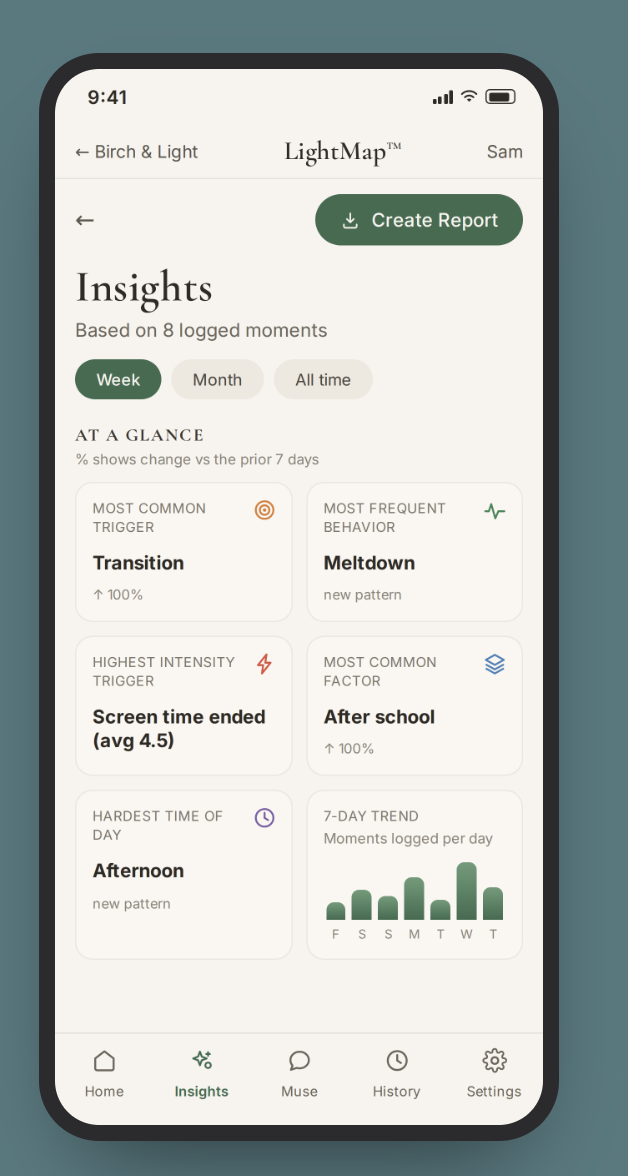

Part of the award-winning Birch & Light Method, honored with the Mom's Choice Gold Award for excellence in family resources.
A story to read together
Sometimes the easiest way in is a story you read side by side.
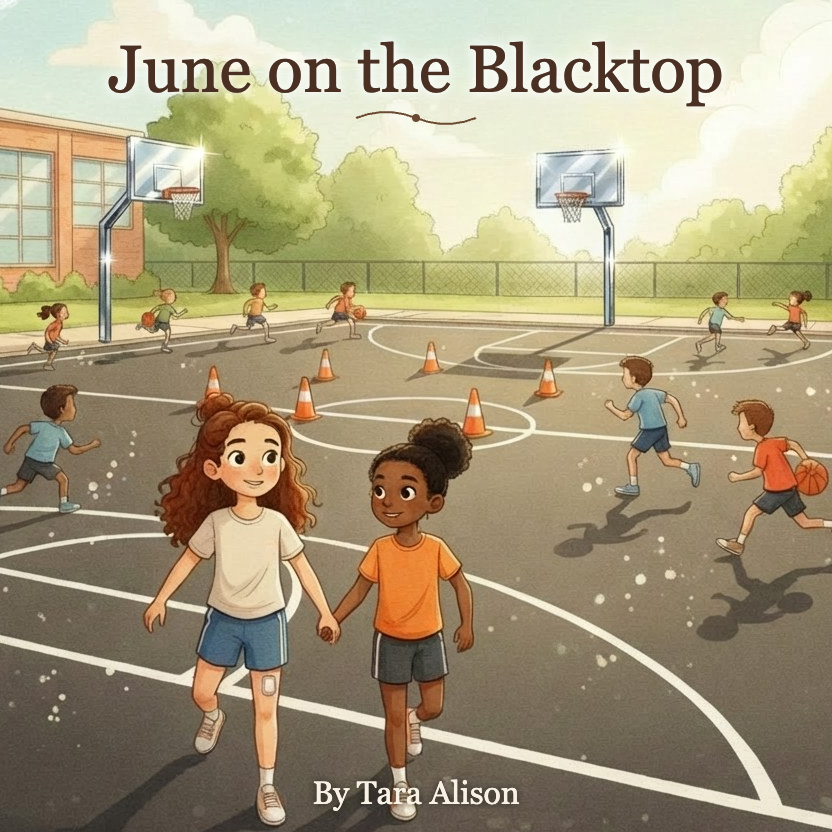 June on the Blacktop
On a sunny gym day, June’s body sends a small alarm — and she learns that pausing for what she needs is not the same as quitting.
Read the story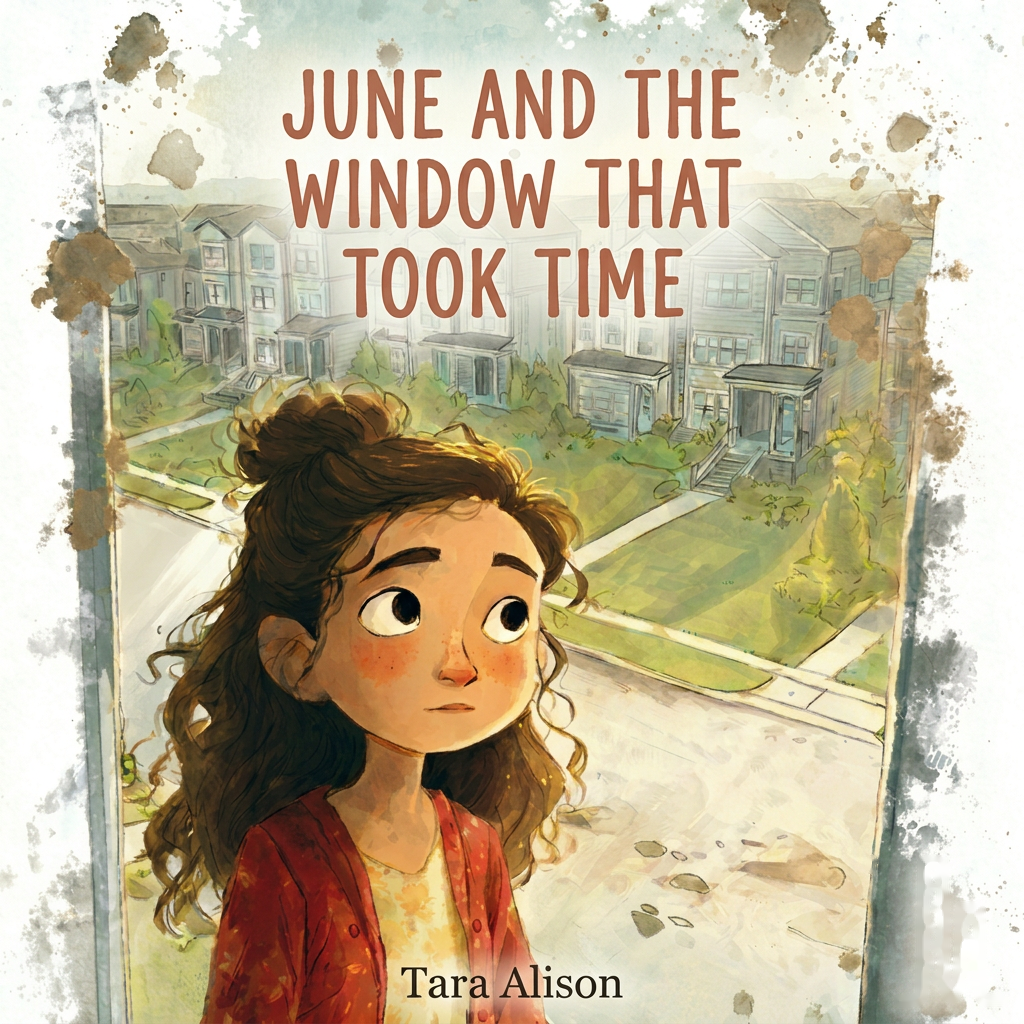 June and the Window That Took Time
When June receives special Valentine’s Day window clings from Grandma, she learns that some things take time, help, and persistence.
Read the story
If today was one of those days
A few more from the library, free to read.
Researched and drafted with AI assistance, reviewed before publication. Editorial standards