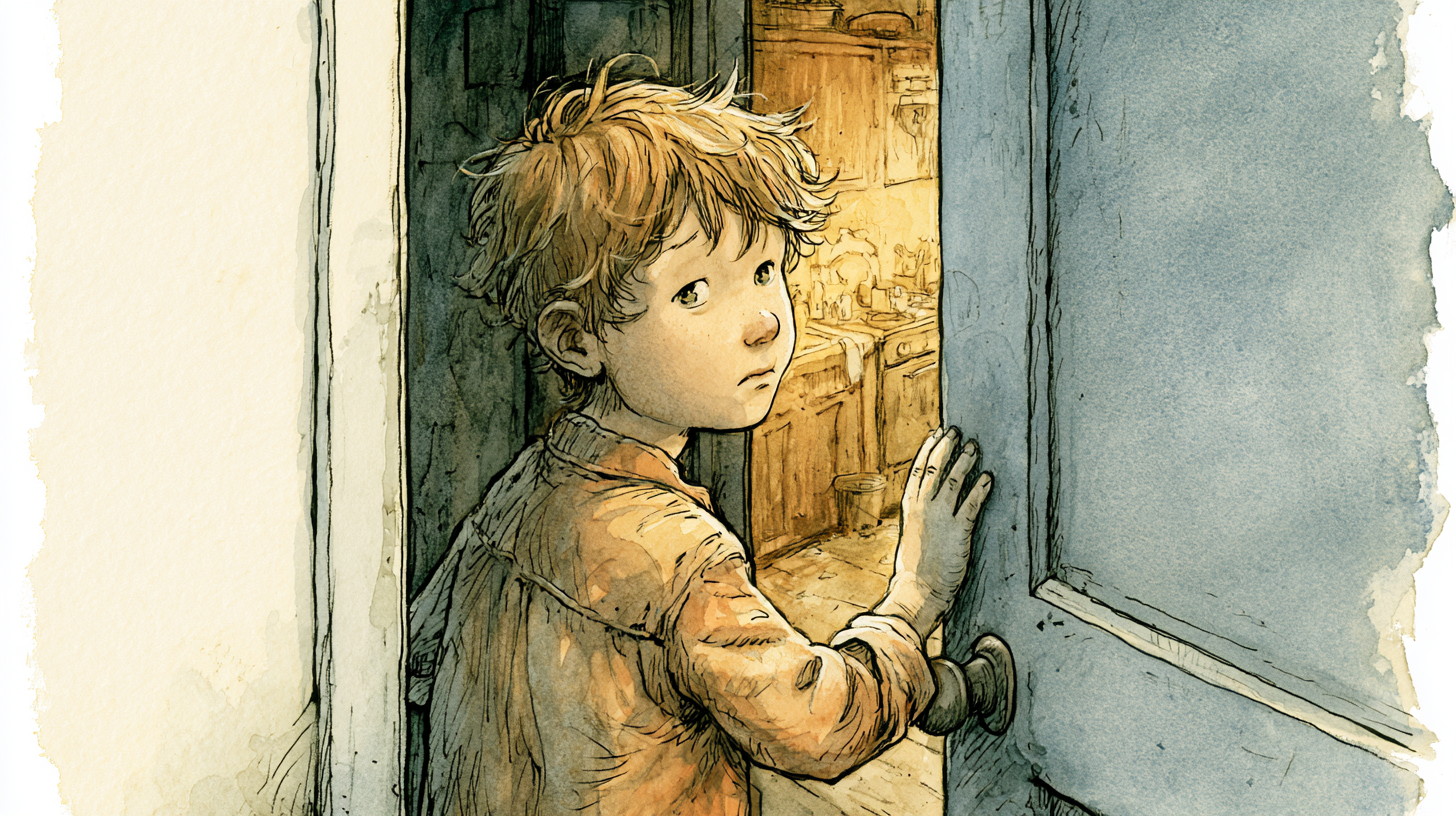
Your child needs the plan and then cannot tolerate the plan. Wants the routine and breaks it. Asks for the same dinner every night for a month and then refuses it. Craves company and leaves the room after four minutes of it.
If you have been handed two diagnoses and told very little about what happens when they arrive together, this is usually the first thing that stops making sense. It is also the thing that explains almost everything else.
The shorthand people use is AuDHD. It is not an official diagnosis and you will not see it in a report, but it names something real, which is that autism and ADHD in the same child produce a picture that is not simply one added to the other. It is also common. Estimates vary by study and method, but somewhere between half and two thirds of autistic children also meet criteria for ADHD.
Two systems pulling in opposite directions
Reduced to the barest version, autism tends to seek predictability, sameness, and control over the environment. ADHD tends to seek novelty, stimulation, and movement. Both are running. All the time. In the same child.
That is why so much of the behavior looks contradictory rather than merely difficult.
She wants a routine and cannot follow one. The autistic part needs to know what happens next. The ADHD part cannot sustain attention on a sequence long enough to execute it. So she asks you for a schedule, you build one, and she does not use it, and everyone concludes she did not really want it. She did. She cannot hold it.
He is rigid about things he chose and chaotic about everything else. Enormous inflexibility about which cup, which seat, which order. No capacity at all for the parts of the day that require follow-through. Both are true simultaneously.
She is bored by the sameness she requires. Same show, same food, same shirt, and visibly miserable inside the loop. The predictability is regulating and understimulating at once, and there is no version of the day that solves both.
He is socially motivated and socially exhausted. The ADHD side wants people, wants the group, wants to be in it. The autistic side finds the group costly and confusing. So he pursues connection and then cannot manage it once he has it, which is a lonelier place to be than either profile alone.
The two profiles hide each other. This is why so many of these children are diagnosed years apart, one at a time, usually autism first and ADHD later or the reverse. Hyperactivity can mask the social differences. Rigidity can look like nothing more than a strong personality. Each set of traits softens the presentation of the other, which pushes the whole picture below the threshold where anyone flags it.
What this means for support
Most of the standard advice is written for one profile or the other, so applying it wholesale tends to produce a strategy that helps half of your child and antagonizes the other half.
Regulation comes first, always. Sensory needs and predictability are the foundation, because a dysregulated child cannot use any other support you offer. Warning before transitions, protection from sensory overload, a reliable shape to the day. Get this in place before attempting anything organizational.
Structure the day, not the minute. A rigid minute-by-minute schedule fails because the ADHD side cannot sustain it. No structure at all fails because the autistic side cannot function without it. What tends to work is a predictable sequence with flexible contents. The same three or four anchors every day, in the same order, with real choice inside each block.
Build in novelty on purpose, inside the predictable frame. If sameness is regulating but understimulating, the answer is not to abandon the routine. It is a routine with a variable slot in it. Same time, same place, different thing.
Put the executive function outside her head. Visual sequences rather than verbal instructions, one step at a time, things visible rather than stored, and an adult alongside rather than an expectation of independence. This is the ADHD support layer, and it goes on top of the regulation layer rather than instead of it.
Expect the presentation to move. Which profile is dominant shifts with load, environment, and age. A child can look mostly ADHD at seven and mostly autistic at twelve, particularly girls, particularly as social demands increase. The supports have to move with it.
While you're here, take the guide
What's Underneath is free: the three body-state triggers under most meltdowns, what to say in the minute before it tips over, and how to reset afterward.

You'll get the guide instantly, plus five free articles in your inbox every week. Real challenges (meltdowns, school mornings, picky eating, big feelings) and how to actually handle them. Unsubscribe anytime.
The medication question
This trips up a lot of families, so I will be plain about it.
ADHD medication treats ADHD. It can help meaningfully with attention, impulsivity, and hyperactivity in autistic children too. It does nothing for the autistic traits, because those are not what it acts on. Parents who expect medication to change everything are often disappointed in a way that leads them to abandon something that was in fact working for the part it targets.
Two other things to know. Response rates are lower and side effect rates are higher than in ADHD alone. In the largest stimulant trial in autistic children, around half were rated as clear responders, against the seventy to eighty percent typically seen in ADHD without autism, and appetite loss, insomnia and irritability came up more often. That is a reason to start low and go slowly rather than a reason not to try. And medication can make masking easier, which occasionally means a child holds it together longer at school and crashes harder at home. That is not the medication failing. It is capacity being spent somewhere else.
Why the diagnosis took so long
For decades the diagnostic manual did not permit both diagnoses at once. That changed in 2013, and clinical practice has taken time to catch up, which is part of why so many children are still assessed for one and never screened for the other.
If your child has one diagnosis and the picture has never quite fit, it is reasonable to ask directly whether the other has been considered. Say what does not fit. Clinicians respond to specifics better than to a general sense that something is missing.
What this changes for you
The most useful thing about the AuDHD frame is not that it produces new techniques. It is that it stops you interpreting your child as inconsistent, manipulative, or capable when she wants to be.
She is not choosing sameness on Monday and chaos on Tuesday to make your life harder. Two systems are asking for different things at the same time, and she is caught between them without any way to explain that, because from the inside it does not feel like two things. It just feels like never getting it right.
A child who hears that this is how her brain works, rather than that she is difficult, carries something very different into adolescence. That reframe is available to you now, and it may be the single most valuable thing you do with either diagnosis.
Sources: Research Units on Pediatric Psychopharmacology Autism Network, randomized controlled crossover trial of methylphenidate in pervasive developmental disorders with hyperactivity (Archives of General Psychiatry, 2005); Cochrane review of methylphenidate for children and adolescents with autism spectrum disorder; American Psychiatric Association, DSM-5 (2013), which removed the prohibition on simultaneous diagnosis of autism and ADHD; peer-reviewed research on the co-occurrence of autism and ADHD in children (PMC).
For education and reflection, not medical advice. Our terms
See what's underneath
Understand the why, not just the what
LightMap reads your hard days together and gives you answers. Start with one moment today.
Start with 3 moments Not sure where to start? Ask me.Message Tara on WhatsApp. It really is me, I read everything and will personally respond.Click here to message Tara →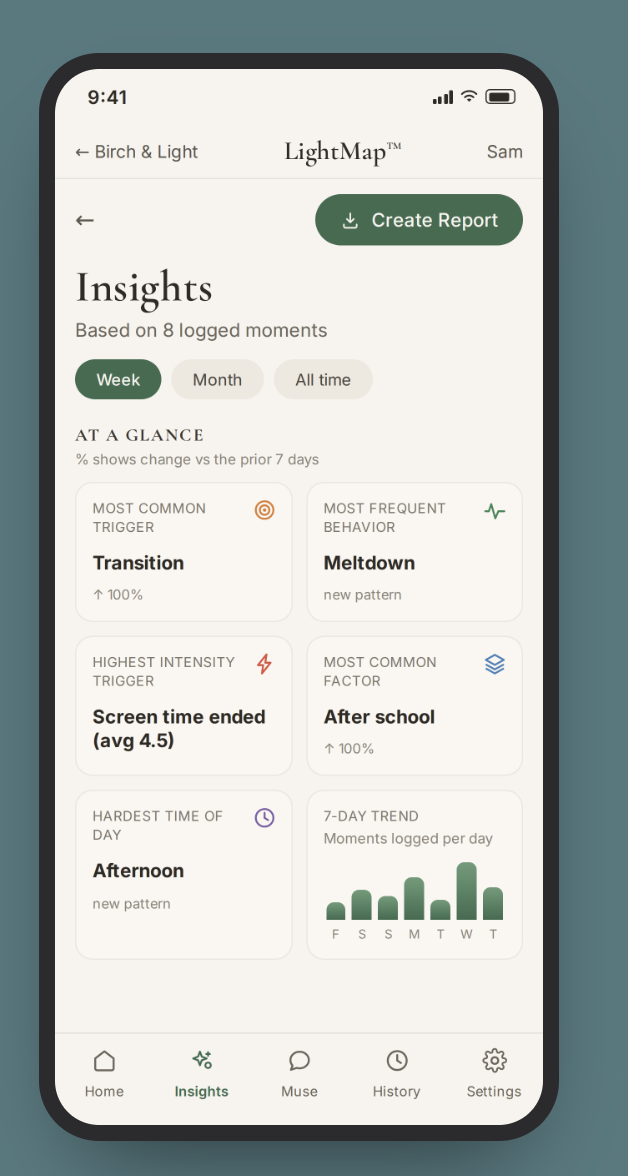

Part of the award-winning Birch & Light Method, honored with the Mom's Choice Gold Award for excellence in family resources.
If today was one of those days
A few more from the library, free to read.
- NeurodivergenceAuditory Processing Disorder: Hearing Fine, Understanding Less
- NeurodivergenceConcussion in Kids: When Behavior Changes After a Head Injury
- NeurodivergenceDevelopmental Language Disorder: The Most Common Diagnosis Nobody Knows
- PANS/PANDASCan Antibiotics Make PANDAS Symptoms Worse at First?
Researched and drafted with AI assistance, reviewed before publication. Editorial standards