
A randomized trial published November 13, 2026 in JAMA Pediatrics tested four of the most common classroom accommodations for ADHD: extra time, frequent breaks, a quiet workspace with headphones, and standing at the desk. None of them significantly changed how children behaved or how much work they got right. A daily behavior program and stimulant medication did. That is not a reason to pull supports out of your child's plan. It is a reason to check whether the plan contains the part that does the work.
If you have ever left a 504 or IEP meeting holding a page of "extended time" and "preferential seating" and a nagging sense that something was still missing, this study puts numbers on that feeling. We read the paper itself, not just the headlines. Here is what it tested, what it found, and where its limits are.
What did the researchers test?
A team at Florida International University led by Gregory Fabiano ran the trial in summer treatment program classrooms at two sites, one in the southeastern and one in the northeastern United States, across four summers from 2022 to 2025. A total of 280 children from kindergarten through sixth grade enrolled, 255 started, and 235 finished. Every child went through every condition, so each child served as their own comparison.
Three things changed on a rotating schedule:
- Medication: methylphenidate extended-release at 0.3 mg per kilogram, or placebo, switched weekly.
- Classroom style: a general classroom or an enhanced behavior classroom, switched every two weeks. The enhanced version added a daily report card, rewards tied to behavior goals, and frequent praise.
- Accommodations: assigned at random each day, one at a time or none.
The four accommodations were the ones schools write into plans most often. Extra time meant 45 minutes of seatwork instead of 30. Frequent breaks meant a one-minute break after every five minutes of work. The low-distraction setup meant noise-cancelling headphones and a desk carrel. The fourth was the option to stand at the desk.
What the trial found
- Medication: rule violations during seatwork fell 61 percent, correctly solved seatwork problems rose 22 percent, and quiz scores rose by about four points.
- The enhanced behavior classroom: rule violations during seatwork fell 37 percent, and behavior also improved in group lessons. Quiz scores did not move significantly.
- Accommodations: none produced significant gains in rule-following, seatwork or quiz scores, alone or added on top of medication or the behavior program. Work completed per minute dipped slightly under every accommodation, the most under extra time at about 11 percent.
The authors call the evaluation and provision effort around these supports "inert at best and harmful at worst" and say accommodations need more study before continued use. Fabiano told his university's news office that these approaches "fail to build skills or address motivation."
What the study did not test
The limits matter as much as the headline.
- It was a summer program. The authors say results may be weaker in ordinary schools and need to be repeated there.
- Accommodations changed daily. Children did not live with one support for a school year, and they used the supports in different ways.
- It measured daily behavior and work. It did not measure long-term school success, stress, or whether a child could get into the room and the task at all.
- It left out children with higher support needs. Children with an IQ below 70, autism needing substantial support (level 2 or 3), a school suspension in the past year, or a prior bad reaction to methylphenidate were excluded. The paper does not report separate results for anxiety or learning disability.
If your child's ADHD comes with autism, anxiety, a learning disability, or a medical driver such as PANS or PANDAS, this trial does not tell you how these supports work for your child. About 79 percent of the children in it were boys.
Does this mean schools should stop offering accommodations?
No, and the study does not say that to parents. It says that a plan built only from accommodations leaves out the supports with evidence behind them. The finding also fits an older one: a 2016 study of 96 Maryland students with ADHD in grades 3 to 8 found that none of five common testing accommodations was linked to better reading or math scores. Education Week reported in 2025 that extra time may still help students who also have anxiety. The American Academy of Pediatrics 2019 ADHD guideline already recommends behavioral classroom interventions for school-age children, which is the part of this trial that held up.
Do not remove anything from your child's plan on your own. Changes to a school plan go through the team, and changes to medication go through your child's prescriber.
What can I ask for at school?
- A daily report card. It was part of the enhanced classroom that cut rule violations. Ask for three or four specific behavior goals, a person who fills it out each day, and a reward your child can earn. Ask for it to be written into the plan.
- One question for every support. What is this meant to change, and how will we know? If nobody can answer, ask the team to set a date to review it.
- A skill, not only a setting. If the plan lists only changes to the environment, ask what it teaches your child to do.
If your child takes medication, the trial is a reason to ask the prescriber how it is working at school in particular. Teachers can give that answer if you ask them for specifics. Our article on how to tell whether a medication is still helping covers what to track before that appointment.
How do I know what works for my child?
A study of 255 children cannot tell you about yours. Your own records can. Write down what happened, what the school tried, and what helped, then bring that to the meeting instead of a feeling.
This is what LightMap was built for. Log what happens, even a little at a time, and LightMap uncovers what is driving the behaviors, coaches you on the most recommended way to handle them, based on proven, grounded parenting coaching methods, and turns it into one clear record for your child's team. You can pull a School Report from that record for your next meeting. Start free at LightMap.
The strongest school plans do not rest on one trick. They teach, reward and review, and they are built from what actually happens to your child, not from a default list. You are the person who sees the whole picture.
For school, IEP and 504 questions
Find out what your child's IEP or 504 plan is missing.
Upload it and LightMap checks the plan against your child: the gaps, the questions to bring to the team, and an email ready to send.
Analyze my child's plan freeOr get a free 15 minute LightMap Analysis with TaraFree. No card. 15 minutes.
 Not sure where to start? Ask me.Message Tara on WhatsApp. It really is me, I read everything and will personally respond.Click here to message Tara →

Part of the award-winning Birch & Light Method, honored with the Mom's Choice Gold Award for excellence in family resources.
Sources
Sources: Fabiano GA, et al. "Attention-Deficit/Hyperactivity Disorder Accommodations, Behavior Therapy, and Stimulant Medication: A Randomized Clinical Trial." JAMA Pediatrics, published online November 13, 2026 (doi 10.1001/jamapediatrics.2026.5973), registered at ClinicalTrials.gov NCT05469386. Florida International University news release, "Common ADHD classroom accommodations may not help students succeed, FIU study finds," November 13, 2026. "Academic Testing Accommodations for ADHD: Do They Help?" Learning Disabilities: A Multidisciplinary Journal, 2016 (doi 10.18666/LDMJ-2016-V21-I2-7414). Education Week, "Does Extended Time on Tests Actually Help Students With ADHD?" October 2025. Wolraich ML, et al. "Clinical Practice Guideline for the Diagnosis, Evaluation, and Treatment of Attention-Deficit/Hyperactivity Disorder in Children and Adolescents." Pediatrics 2019;144(4):e20192528.
For education and reflection, not medical advice. Our terms
Take the guide for later
What's Underneath: the three body-state triggers under most meltdowns, what to say before it tips over, and how to reset afterward.

You'll get the guide instantly, plus five free articles in your inbox every week. Real challenges (meltdowns, school mornings, picky eating, big feelings) and how to actually handle them. Unsubscribe anytime.
A story to read together
Sometimes the easiest way in is a story you read side by side.
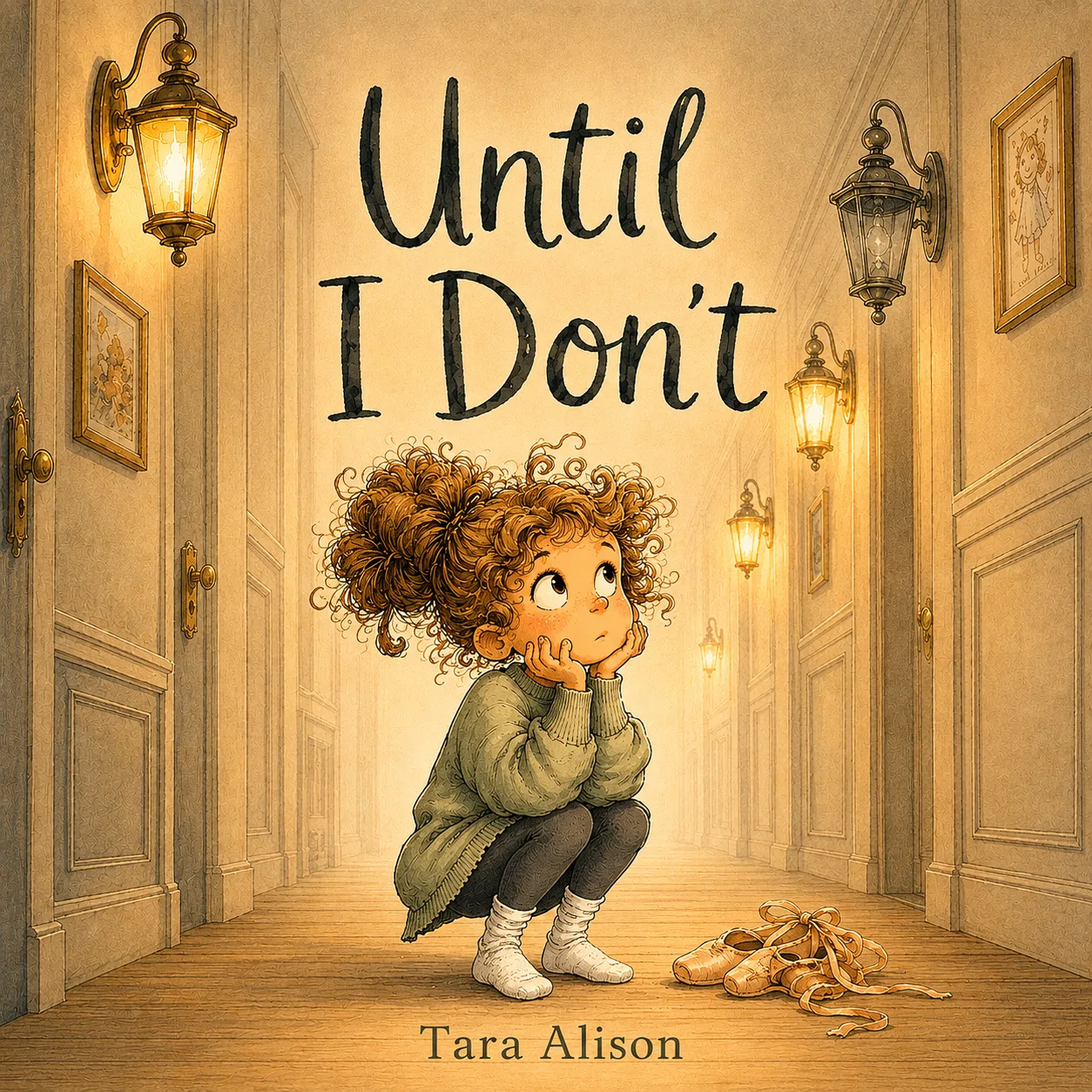 Until I Don't
Rosie shines at dance, at school, with neighbors. At home, the smallest thing can tip her over. One quiet hallway moment helps her family finally find language for the part of her nobody else sees.
Read the story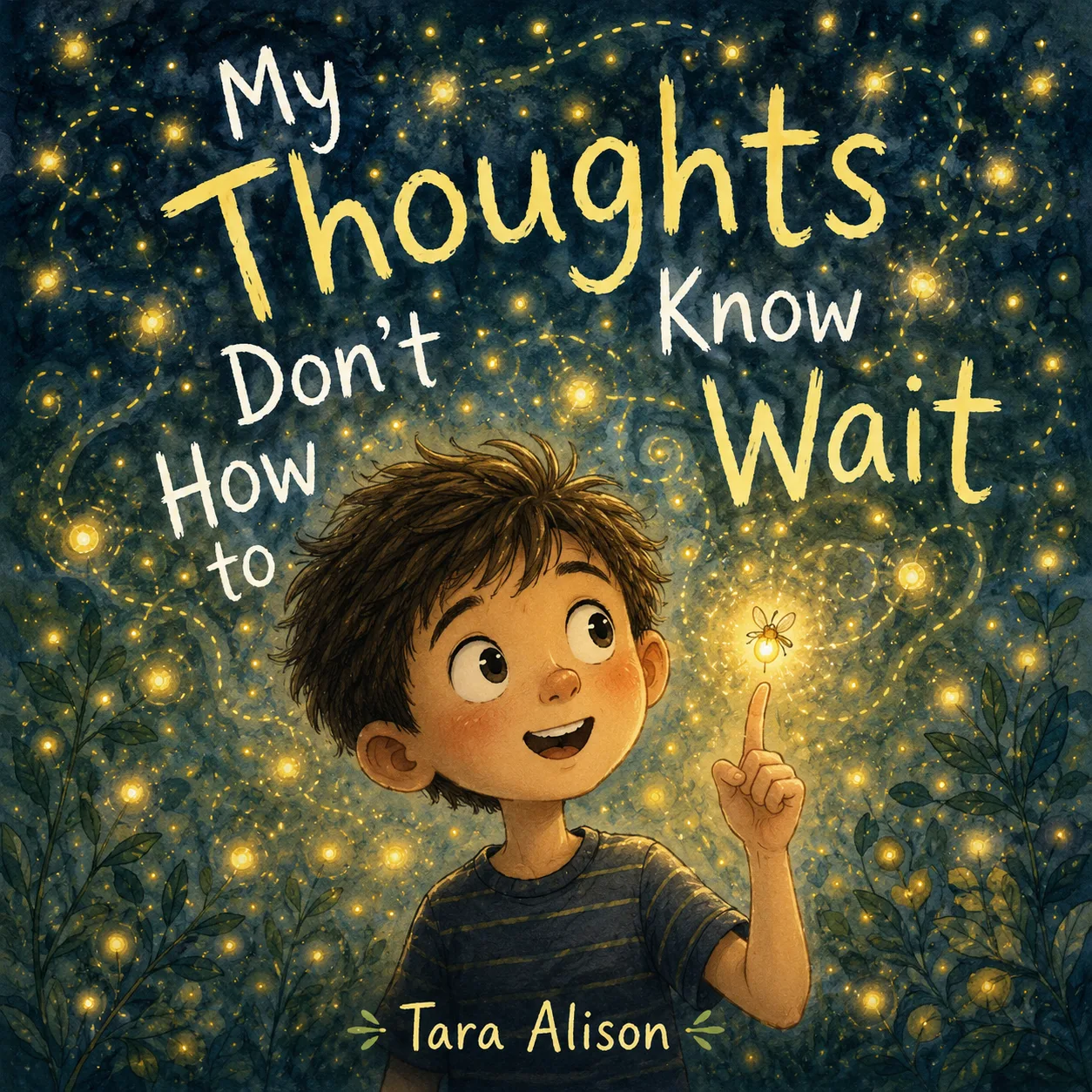 My Thoughts Don't Know How to Wait
Simon's thoughts arrive bright and fast — and feel like they will disappear if he doesn't say them right away. One quiet night beside fireflies, he discovers a small, surprising space between noticing a thought and chasing it.
Read the story
More about ADHD
Related reading from the Birch & Light library.
Researched and drafted with AI assistance, reviewed before publication. Editorial standards