If you have a child who resists almost every demand, you've probably been told to 'offer choices,' and you may have found that it works, sometimes almost magically — a child who was an immovable wall a moment ago suddenly cooperates once given two options. But it's worth understanding why it works, because the reason reveals what's actually going on underneath demand avoidance, and helps you use choices well rather than as a gimmick that wears off.
The short version: choices work because the thing a demand-avoidant child is fighting isn't the task. It's the loss of control. And a choice gives some of that control back.
What Choices Actually Do
For a demand-avoidant child, being told what to do triggers a threat response — a feeling of being controlled that the nervous system experiences as genuinely alarming, and resists automatically. The demand takes away their sense of control, and the resistance is an attempt to get it back.
A choice changes the equation. When you offer two options, the child is no longer simply being controlled — they have a say. They get to decide. That restored sense of agency directly addresses the thing that was triggering the resistance. The task may be exactly the same, but the experience is transformed: instead of 'you must do this,' it's 'you get to choose how.' The threat recedes, and with it, the need to resist.
This is why choices can defuse a standoff so quickly. You're not out-negotiating or out-lasting the child. You're removing the actual source of the resistance — the feeling of having no control — by handing a piece of it back.
A choice doesn't change the task. It changes who's in control of it — and for a demand-avoidant child, that's the whole battle.
Why This Isn't Manipulation or Giving In
Some parents worry that offering choices is a trick, or a way of caving. It's neither. You're not abandoning the limit — the shoes still go on, the teeth still get brushed. You're changing how you get there, in a way that works with your child's nervous system instead of against it.
And it isn't manipulation, because the choice is genuine. You're not creating an illusion of control; you're giving real control over the parts that can flex, while holding firm on the part that can't. That's a respectful way to lead a child who finds demands threatening — collaborative rather than coercive. The goal you care about still happens. The path there just stops being a battle.
While you're here, take the guide
What's Underneath is free: the three body-state triggers under most meltdowns, what to say in the minute before it tips over, and how to reset afterward.
You'll get the guide instantly, plus five free articles in your inbox every week. Real challenges (meltdowns, school mornings, picky eating, big feelings) and how to actually handle them. Unsubscribe anytime.
How to Offer Choices Well
Make both options acceptable to you. The key to a good choice is that you're happy with either outcome. 'Do you want to brush teeth before or after pajamas?' — both get teeth brushed. Never offer a choice where one option is something you can't actually accept; that's not a real choice, and children sense it.
Keep it simple. Two options is usually plenty. Too many choices can overwhelm rather than empower, especially for a child who's already dysregulated. Two clear paths, both fine with you, is the sweet spot.
Offer choice over the 'how,' not the 'whether.' The choice isn't about whether the thing happens — that's the limit you're holding. It's about how, when, or in what order. 'Hop like a frog or walk like a bear to the bathroom?' The bathroom is non-negotiable; the manner of getting there is the child's to choose.
Use it before the standoff, not just during. Choices work best as a way of framing demands from the start, heading off resistance before it builds. Leading with choice — rather than reaching for it only once you're already in a battle — prevents the threat response from firing in the first place.
Combine it with low-demand language. Choices work even better wrapped in collaborative, indirect phrasing. 'I wonder if you'd rather… or…' lowers the sense of demand while still handing over control. The two techniques reinforce each other.
Don't overuse it into a script. If every single interaction becomes a formulaic 'this or that,' a perceptive child may start to feel managed. Choices are one tool among several — genuine collaboration, flexibility, and reduced demands all work alongside them.
The Shift Worth Making
Offering choices isn't a parenting trick that happens to work on difficult kids. It works because it addresses the actual mechanism underneath demand avoidance: a child fighting the loss of control, handed back enough control that they no longer need to fight. The task stays the same; the threat dissolves.
When you understand that, choices become more than a technique — they become a way of thinking about how to lead a demand-avoidant child. You hold the limits that matter, and you give away control wherever you can, so that doing the necessary thing stops feeling, to your child, like surrender.
Every behavior is a clue.
If choices help your child but you're not sure when or why, LightMap can help you track what lowers resistance and what triggers it — so the pattern beneath it becomes easier to see. Explore LightMap at birchandlight.com/lightmap.
For your child: Elliot's Paths is about a boy whose no arrives before he has had any chance to choose, and the grandmother who is the first adult to see the path from where he is standing.
Sources: Deci and Ryan's self-determination theory on autonomy; Brehm's theory of psychological reactance; research on choice-making interventions and problem behavior in children (Journal of Applied Behavior Analysis; PMC); PDA Society (UK).
For education and reflection, not medical advice. Our terms
See what's underneath
Stop guessing which demand did it
LightMap reads your hard days together and gives you answers. Start with one moment today.
Start with 3 moments Not sure where to start? Ask me.Message Tara on WhatsApp. It really is me, I read everything and will personally respond.Click here to message Tara →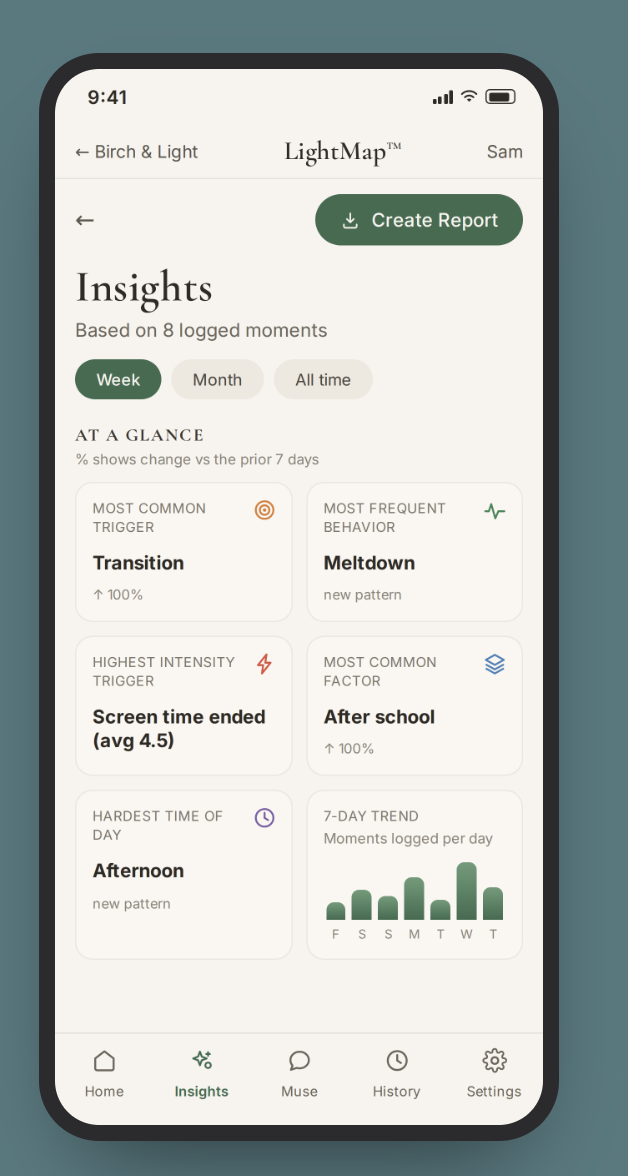
Part of the award-winning Birch & Light Method, honored with the Mom's Choice Gold Award for excellence in family resources.
A story to read together
Sometimes the easiest way in is a story you read side by side.
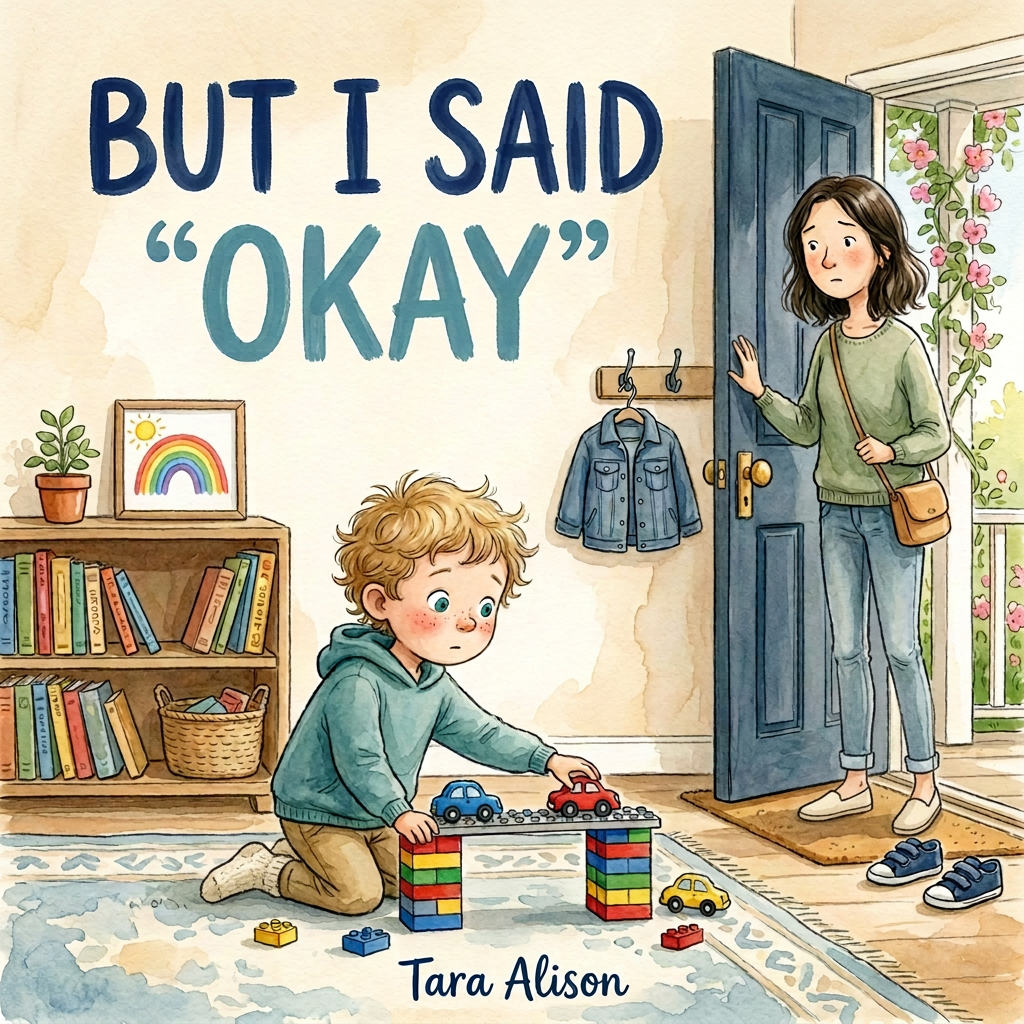 But I Said “Okay”
Owen always says okay. He means it every time. But his attention is still inside the bridge, the dragon, the cave, the music — until Mom realizes that helping him leave one thing matters more than asking him to start the next.
Read the story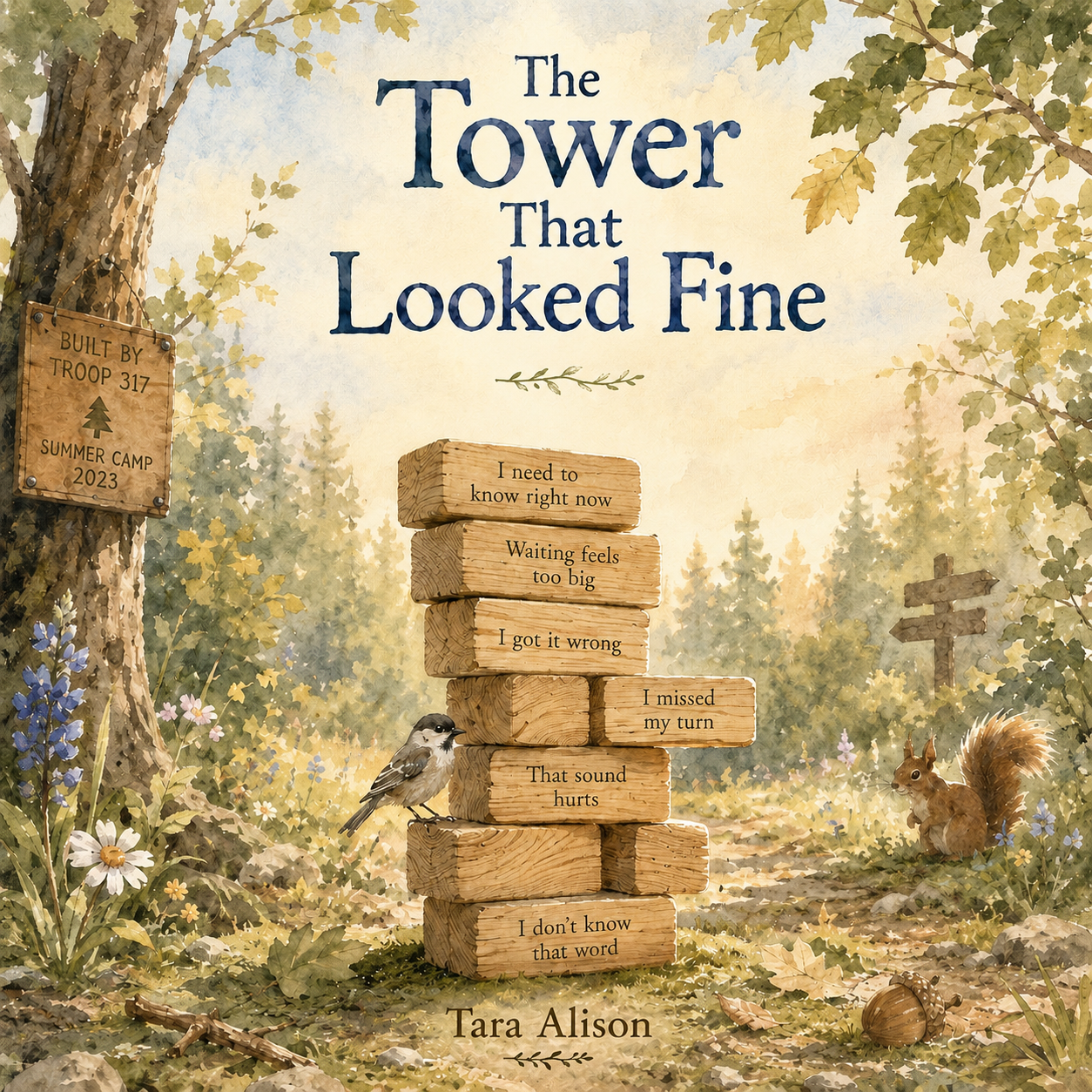 The Tower That Looked Fine
A tower in a quiet clearing tries to stay steady through every small thing nobody else seems to notice — until one tiny breath of wind causes her to fall, and a gentle hand begins to gather the blocks back.
Read the story
If today was one of those days
A few more from the library, free to read.
Researched and drafted with AI assistance, reviewed before publication. Editorial standards