
They asked for mac and cheese. You made mac and cheese. They looked at the mac and cheese like you have personally betrayed them, pushed the bowl away, and melted down.
Or: they begged for weeks for the birthday party, the toy, the playdate, the trip. It arrives. They refuse it, ruin it, or fall apart the moment they get it.
Few patterns make parents feel crazier than this one. It looks like ingratitude. It feels like a moving target you can never hit. And it makes no sense, until you know what to look for.
The ask and the arrival are different moments
The child who asked for mac and cheese at 4pm was one nervous system state. The child receiving it at 5:30 is another. Hunger deepened, energy dropped, something happened in between. The request was real when it was made. The capacity to receive it expired. Adults do this too; we just have more polite ways of hiding it.
When receiving becomes a demand
Here is the piece that unlocks it for many families, especially those with demand-avoidant kids: the moment a want is granted, it converts into an expectation. Now they are supposed to eat it. Supposed to enjoy the party. Supposed to say thank you and be happy. What was a desire a minute ago is now a demand with an audience, and for a child whose nervous system reads demands as threats, even delightful things become unbearable the instant they are supposed to happen.
The child is not rejecting the mac and cheese. They are rejecting the pressure that arrived with it.
The expectation gap
There is a third mechanism worth knowing. Anticipation builds a picture. Reality never quite matches the picture. Most of us absorb that gap without noticing. Some children, especially rigid thinkers and anxious kids, experience the mismatch as genuine loss. The party they imagined died the moment the real party started. What looks like brattiness is sometimes grief for the imagined version, at an age with no words for that.
While you're here, take the guide
What's Underneath is free: the three body-state triggers under most meltdowns, what to say in the minute before it tips over, and how to reset afterward.

You'll get the guide instantly, plus five free articles in your inbox every week. Real challenges (meltdowns, school mornings, picky eating, big feelings) and how to actually handle them. Unsubscribe anytime.
What helps
Do not take the bait of the object. Making a second dinner, returning the toy, threatening to cancel the party. The object was never the issue, so solving the object solves nothing.
Strip the audience. Deliver the granted thing casually, without ceremony or watching for the reaction. "It''s on the counter." Walk away. For pressure-sensitive kids, removing your expectant face removes half the demand.
Leave the door open instead of forcing the moment. "No problem, it''ll be here if you want it." Ten minutes later, half the time, the mac and cheese quietly disappears. What changed? The demand evaporated.
Pre-shrink the picture. For big anticipated events, gently rehearse reality: what it will actually look like, who will be there, what might be boring or loud. You are closing the expectation gap in advance so reality has less distance to fall.
Never invoice them for it. "After everything I did," "you begged for this," "do you know what that cost?" All true. All guaranteed to convert next time''s want into next time''s pressure, making the pattern worse.
The bigger picture
If this pattern is constant, and especially if it comes bundled with resistance to even small requests, negotiation over everything, and better behavior everywhere but home, it may be part of a broader demand-avoidant profile, and there is a whole way of parenting that works better for these kids. Start with why even small requests trigger instant resistance.
And if you want to know whether it''s state (hunger, timing, depletion) or pressure (demands, audiences, expectations) driving your child''s version, LightMap can show you: log the rejected wins, tag the context, and the pattern tells you which lever to pull.
For your child: Elliot's Paths is about a boy whose no arrives before he has had any chance to choose, and the grandmother who is the first adult to see the path from where he is standing.
Sources: Brehm's theory of psychological reactance; PDA Society (UK) on demands arising from a child's own requests; peer-reviewed research on anticipation, arousal, and the demand created by receiving (PMC).
For education and reflection, not medical advice. Our terms
See what's underneath
Stop guessing which demand did it
LightMap reads your hard days together and gives you answers. Start with one moment today.
Start with 3 moments Not sure where to start? Ask me.Message Tara on WhatsApp. It really is me, I read everything and will personally respond.Click here to message Tara →

Part of the award-winning Birch & Light Method, honored with the Mom's Choice Gold Award for excellence in family resources.
A story to read together
Sometimes the easiest way in is a story you read side by side.
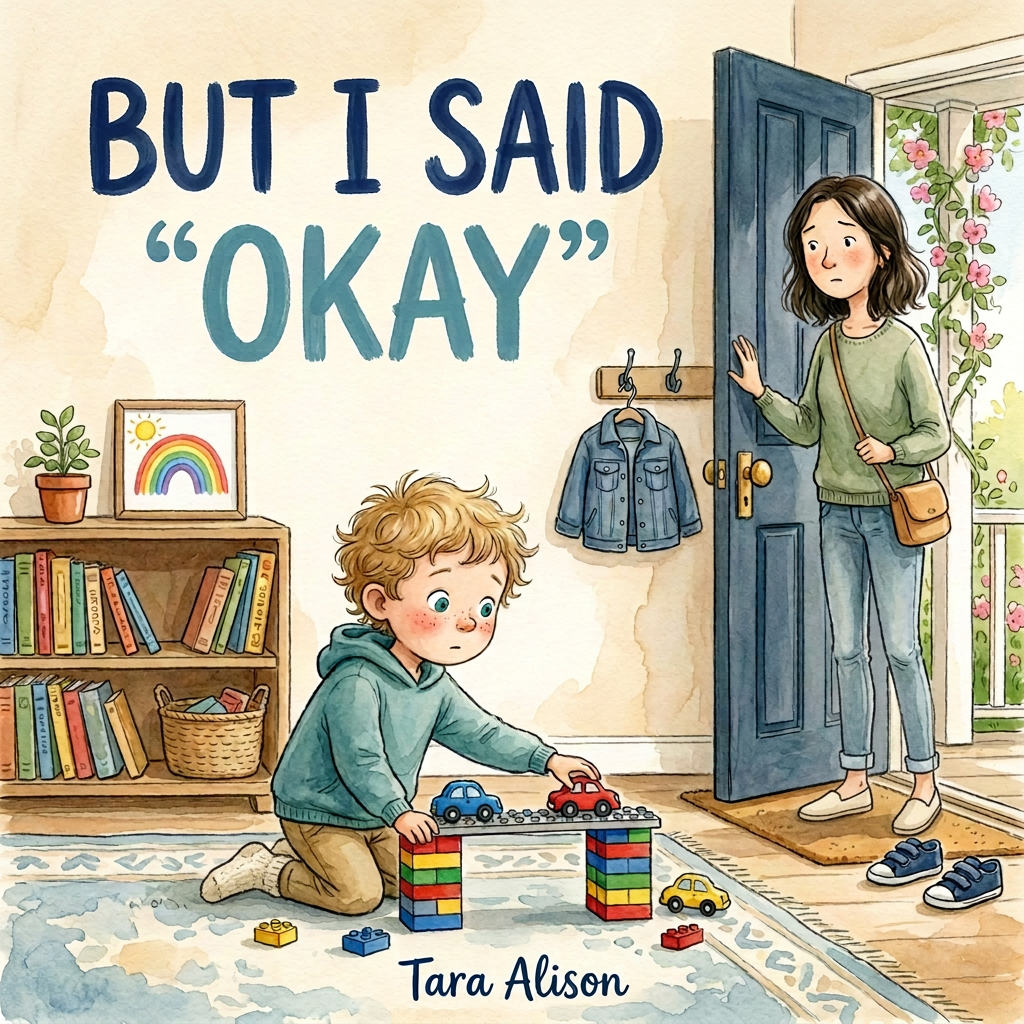 But I Said “Okay”
Owen always says okay. He means it every time. But his attention is still inside the bridge, the dragon, the cave, the music — until Mom realizes that helping him leave one thing matters more than asking him to start the next.
Read the story The Tower That Looked Fine
A tower in a quiet clearing tries to stay steady through every small thing nobody else seems to notice — until one tiny breath of wind causes her to fall, and a gentle hand begins to gather the blocks back.
Read the story
If today was one of those days
A few more from the library, free to read.
Researched and drafted with AI assistance, reviewed before publication. Editorial standards