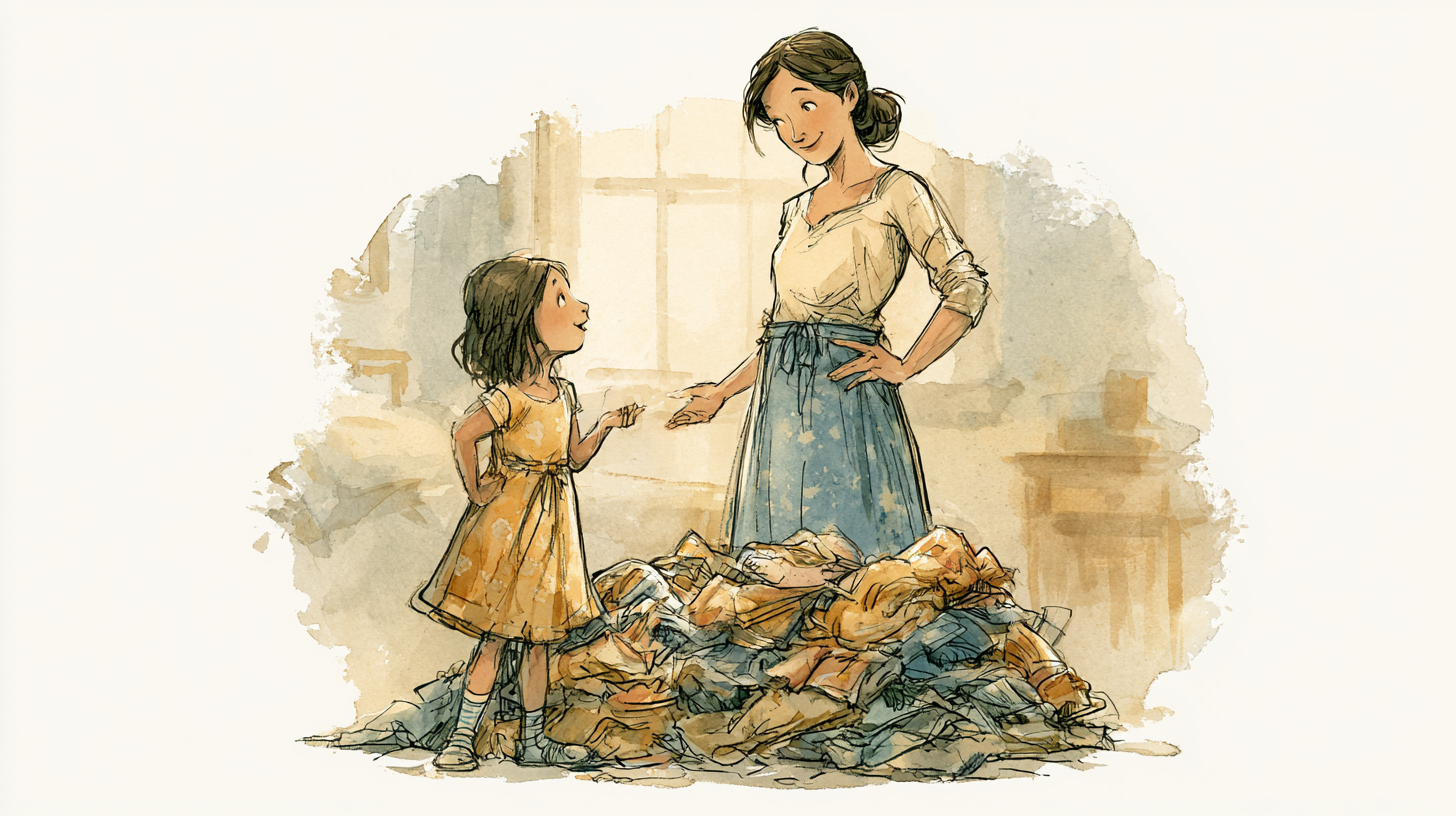
"Put your shoes on" opens a counteroffer. "Five more minutes" is the opening bid on a twenty-minute summit. Teeth, homework, bath, bed: nothing is ever just done. Everything is terms and conditions, loopholes and appeals, one more thing first.
Parents living inside this describe the same exhaustion: it is not that the tasks are hard. It is that nothing is frictionless. You are negotiating with a tiny lawyer who never runs out of billable hours, and by Thursday you would sign almost anything for one uncontested bedtime.
What the negotiating actually is
Here is the reframe that helps most: for some children, negotiation is not about the shoes, the minutes, or the toothpaste. Negotiation is how they convert a command into a choice.
A direct instruction, even a gentle one, lands on some nervous systems as pressure. Kids wired toward autonomy, and demand-avoidant kids most of all, experience "do this now" as a loss of control that genuinely does not feel safe. Bargaining is their repair mechanism. If they can modify the terms, even trivially, doing it in five minutes, doing it after this one thing, doing it in the blue cup, then the action becomes partly theirs, and their system can proceed.
Watch closely and you will notice something telling: the counteroffers are often tiny. They are not trying to escape the task. They are trying to co-own it. The negotiation is the point, not the terms.
Why "because I said so" makes it worse
Cracking down on negotiation removes the child''s only tool for making demands tolerable. What is left is raw refusal or explosion. Many families discover this the hard way: zero-tolerance on bargaining does not produce compliance, it produces bigger battles. The negotiation was actually the cooperative option.
That does not mean endless haggling is fine. It means the goal is not to eliminate their need for agency. It is to feed that need cheaply, on your schedule, before the lawyer opens the briefcase.
While you're here, take the guide
What's Underneath is free: the three body-state triggers under most meltdowns, what to say in the minute before it tips over, and how to reset afterward.

You'll get the guide instantly, plus five free articles in your inbox every week. Real challenges (meltdowns, school mornings, picky eating, big feelings) and how to actually handle them. Unsubscribe anytime.
What shrinks the negotiating
Offer the choice before they have to fight for one. "Teeth before pajamas or after?" "Red cup or blue?" The choices are trivial on purpose. You are pre-loading the autonomy so they do not have to extract it. Kids who get structured choices negotiate dramatically less, because there is nothing to win back.
Depersonalize the demand. "The timer says five minutes" and "the schedule says bath tonight" negotiate better than you do, because there is no autonomy to reclaim from a timer. Visual schedules, routines, and timers absorb the fights that used to be with your face.
Decide your actual non-negotiables and shrink the list. Safety, health, the true essentials. When everything is a battleground, nothing is defensible. When only five things are fixed and everything else has flex, kids learn the difference, and the fixed five get lighter to enforce.
Close negotiations with a ritual, not a victory. "Deal: five minutes, then shoes, and that''s the whole deal." Shake on it, timer on. The ritual signals the window is closed without making them lose face, and losing face is often what reopens it.
Notice when negotiation spikes. Hungry, tired, transitions, after school, after screens. Bargaining intensity tracks capacity. A child negotiating everything at 6pm may simply be out of gas, and the fix is earlier dinner, not tighter contract law.
The long view
The negotiating child is, underneath it all, practicing something valuable: self-advocacy, deal-making, the belief that their preferences matter. The job is not to break that. It is to channel it, so the skill grows and the friction shrinks. If the negotiation comes packaged with instant resistance to even tiny requests and a child who seems allergic to being told anything, read why even small requests trigger instant resistance, because for some kids this is one piece of a bigger autonomy-driven profile that changes the whole playbook.
Want to know when your negotiator is most likely to appear? LightMap can surface the pattern: log the standoffs, tag time and context, and find out whether you have a lawyer problem or a 6pm problem.
For your child: Elliot's Paths is about a boy whose no arrives before he has had any chance to choose, and the grandmother who is the first adult to see the path from where he is standing.
Sources: Brehm's theory of psychological reactance; Deci and Ryan's self-determination theory on autonomy; PDA Society (UK); research on demand avoidance in everyday routines (PMC).
For education and reflection, not medical advice. Our terms
See what's underneath
Stop guessing which demand did it
LightMap reads your hard days together and gives you answers. Start with one moment today.
Start with 3 moments Not sure where to start? Ask me.Message Tara on WhatsApp. It really is me, I read everything and will personally respond.Click here to message Tara →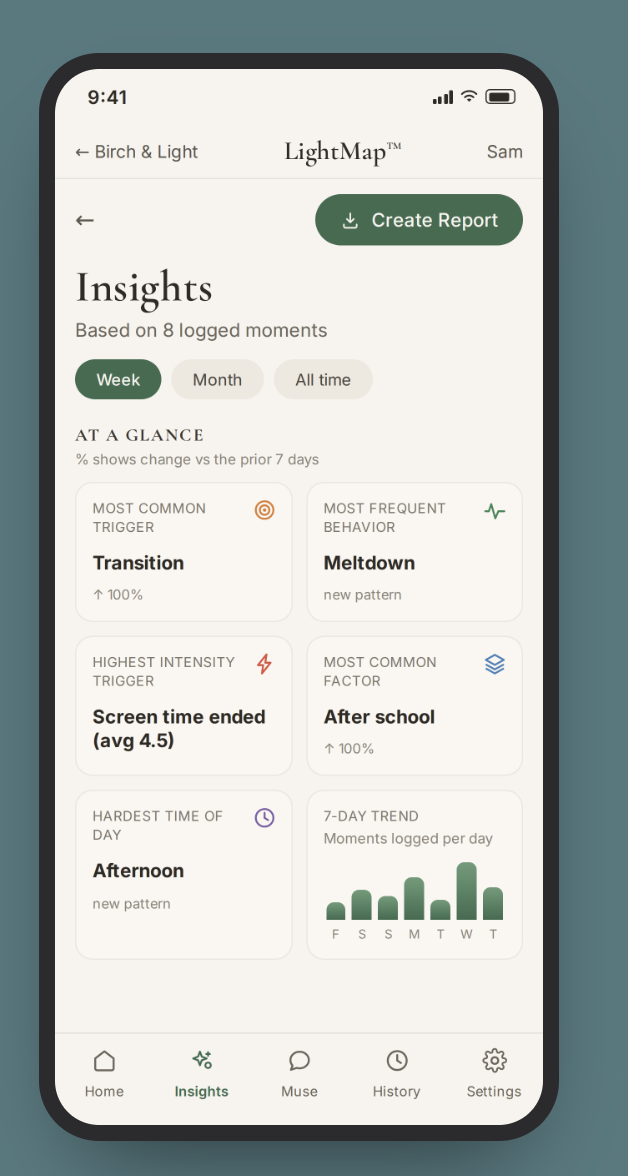

Part of the award-winning Birch & Light Method, honored with the Mom's Choice Gold Award for excellence in family resources.
A story to read together
Sometimes the easiest way in is a story you read side by side.
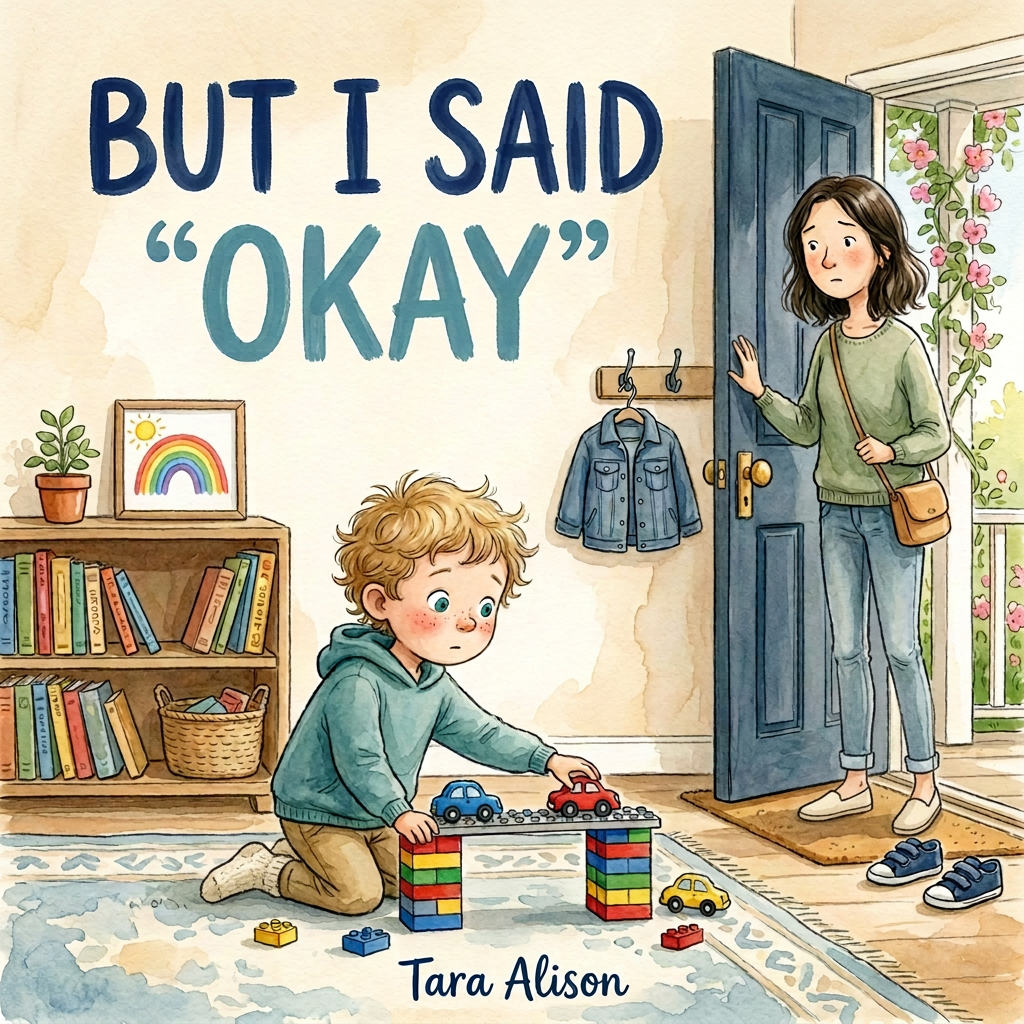 But I Said “Okay”
Owen always says okay. He means it every time. But his attention is still inside the bridge, the dragon, the cave, the music — until Mom realizes that helping him leave one thing matters more than asking him to start the next.
Read the story The Tower That Looked Fine
A tower in a quiet clearing tries to stay steady through every small thing nobody else seems to notice — until one tiny breath of wind causes her to fall, and a gentle hand begins to gather the blocks back.
Read the story
If today was one of those days
A few more from the library, free to read.
Researched and drafted with AI assistance, reviewed before publication. Editorial standards