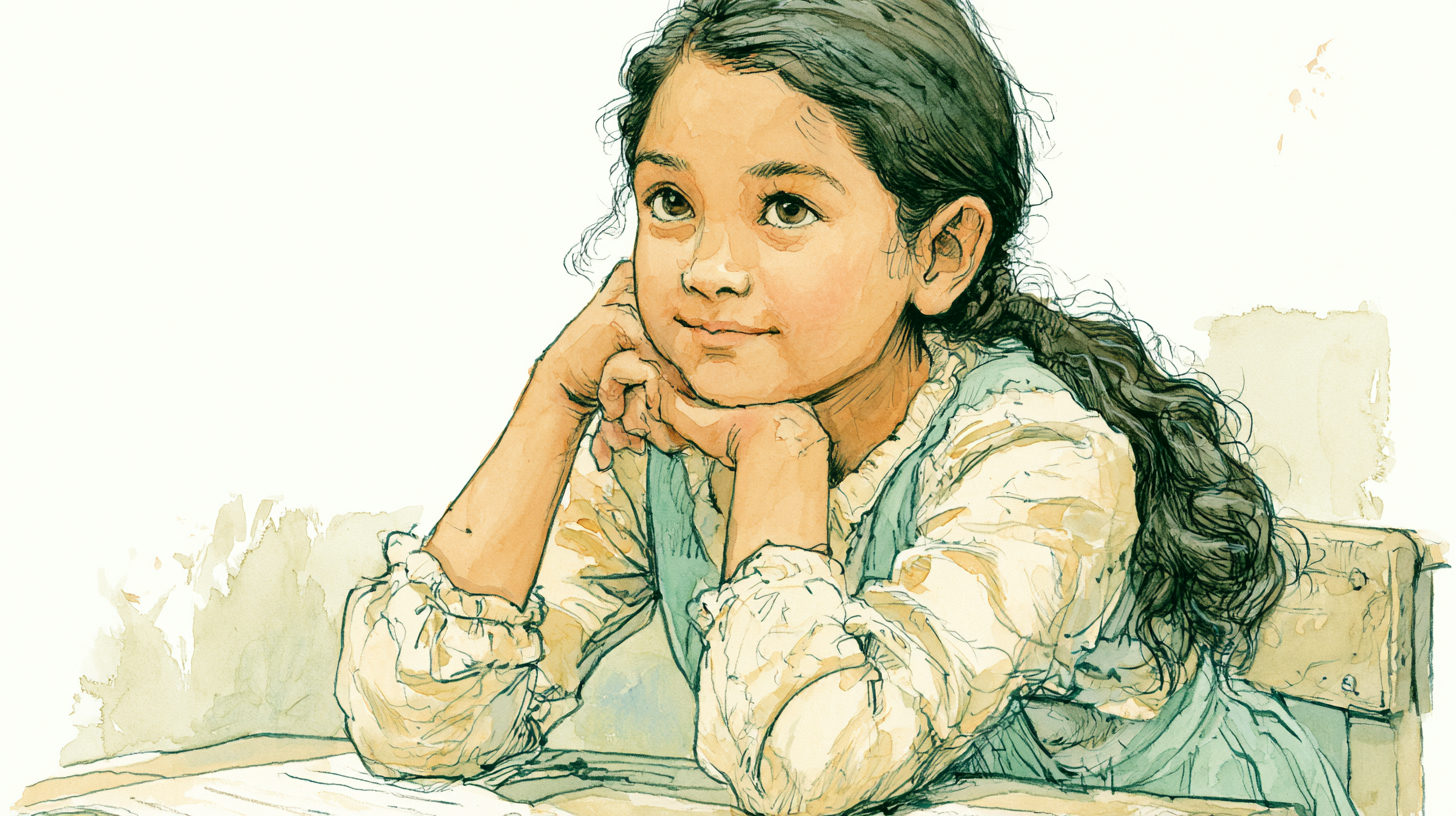
The report is glowing. She's a pleasure to have in class. So well-behaved, so cooperative, never a problem. The teacher means it as reassurance, and you smile and nod — and underneath you feel a familiar, lonely confusion, because the child they are describing is not the child who walks through your door at the end of the day.
That child is exhausted, raw, and quick to fall apart. That child melts down over nothing, cries at the dinner table, comes apart over a sock. And no one outside your home would believe it, because no one outside your home has seen it.
There is a word for the gap between those two children: masking. And understanding it is the key to one of the most isolating experiences in parenting — being told your child is fine by people who genuinely believe it, while you watch the cost of that fineness every single evening.
What Masking Actually Is
Masking is the effort of suppressing your natural responses in order to meet an environment's expectations. For a child whose nervous system works differently, school is full of things that are genuinely hard — sitting still, managing noise, tolerating sensory input, navigating social rules, suppressing impulses, performing on demand. Masking is the work of holding all of that together and presenting as okay, regardless of what is happening inside.
It is not lying, and it is not conscious in the way an adult choosing to "put on a brave face" might be. For many children it is closer to an automatic, learned survival strategy — a way of staying safe, avoiding negative attention, and meeting the powerful pressure to fit in. They have learned, somewhere, that the unmasked version of themselves is not welcome here. So they hold it in.
And holding it in works, in a sense. It is precisely why the teacher sees a model student. The masking is doing exactly what it is designed to do. The problem is what it costs.
Why It Collapses at Home
A child cannot mask indefinitely. Suppressing your natural responses for six or seven hours is enormously effortful — it draws down a finite reserve, and by the end of the day that reserve is empty.
Home is where the mask comes off. And it comes off precisely because home is safe. Your child has spent the whole day holding it together in an environment where falling apart felt too risky. Then they walk through your door, into the one place where they are sure they will still be loved on the other side of a collapse — and everything they held in comes out.
This is the painful irony many parents live with: the meltdown at home is not evidence that something is wrong with your parenting or your home. It is evidence that your home is the safe place. Your child saves their unmasked self for you because you are the person they trust most. The collapse is a kind of compliment you would never have asked for.
The child the school describes and the child you see at 4pm are the same child. One is masking. One is finally allowed to stop.
While you're here, take the guide
What's Underneath is free: the three body-state triggers under most meltdowns, what to say in the minute before it tips over, and how to reset afterward.

You'll get the guide instantly, plus five free articles in your inbox every week. Real challenges (meltdowns, school mornings, picky eating, big feelings) and how to actually handle them. Unsubscribe anytime.
What Masking Costs
It would be easy to think that a child who can hold it together at school is fine, and the home collapses are just the overflow. But masking is not free, and its costs are worth naming.
Exhaustion. The sheer effort of sustained self-suppression is depleting in a way that's invisible from the outside. A masking child is doing hard labor all day that no one sees, and arriving home with nothing left.
Not getting support. This is one of the most significant costs. A child who masks well looks like a child who is coping well — so they don't get the accommodations, the understanding, or the help they actually need. Their very competence at hiding their struggle becomes the reason their struggle goes unaddressed.
A creeping sense of being unseen. Over time, a child who is only ever praised for the masked version of themselves can absorb a quiet, corrosive message: that the real me is not acceptable, and only the performance is. That is a heavy thing for a child to carry.
Eventual breakdown. Masking sustained over months or years, without relief, can lead to a more serious depletion — sometimes called burnout — where the child can no longer hold it together even in the environments where they always could. The mask doesn't last forever, and when it finally fails, it can fail dramatically.
What Helps
Believe your own eyes. The first and most important thing is to trust what you are seeing, even when the school's account contradicts it. Both pictures are true. The home version is not the exaggeration; it is the unmasked reality, and it is data, not drama.
Help the school see the cost, not just the calm. Teachers often genuinely don't know a child is masking, because masking is designed to be invisible. Explaining that the model behavior comes at a cost — and that the after-school collapses are the bill — can shift how staff understand your child, and open the door to support the mask is currently hiding the need for.
Protect the decompression. The hours after school are not the time for more demands. A child who has masked all day needs a genuine chance to come undone safely — low demand, low stimulation, no performance required — before anything else is asked of them.
Let the real child be welcome somewhere. The antidote to the "only my performance is acceptable" message is having places — starting with home — where the unmasked child is genuinely met and loved. That safety is not indulgence. It is the thing that makes the rest survivable.
The Shift Worth Making
When the school says your child is fine and your evenings say otherwise, you are not imagining it and you are not failing. You are watching the cost of a mask that the school never sees come off. The model student and the child who falls apart at dinner are one child — one who has spent all day being someone the environment will accept, and who finally, in the safety of home, gets to stop.
Seeing that clearly changes everything: you stop doubting yourself, you start advocating for the support the mask is hiding, and you give your child what they need most — somewhere the real them is allowed to exist.
Every behavior is a clue.
If your child is one person at school and another at home, LightMap can help you track the pattern — when the collapses come, what the day cost, what helps the recovery — so what's happening beneath the mask becomes easier to see. Explore LightMap at birchandlight.com/lightmap.
For your child: Until I Don't is about a girl who shines at school, at dance, and with the neighbors, and comes apart over small things at her own kitchen table.
Sources: Hull and Lai on camouflaging and masking in autistic people (Autism; PMC); research on after-school restraint collapse and regulation depletion (PMC); Raymaker et al. on autistic burnout (Autism in Adulthood; PMC); research on the mental health costs of sustained camouflaging (PMC).
For education and reflection, not medical advice. Our terms
See what's underneath
Bring the school evidence, not impressions
LightMap reads your hard days together and gives you answers. Start with one moment today.
Start with 3 moments Not sure where to start? Ask me.Message Tara on WhatsApp. It really is me, I read everything and will personally respond.Click here to message Tara →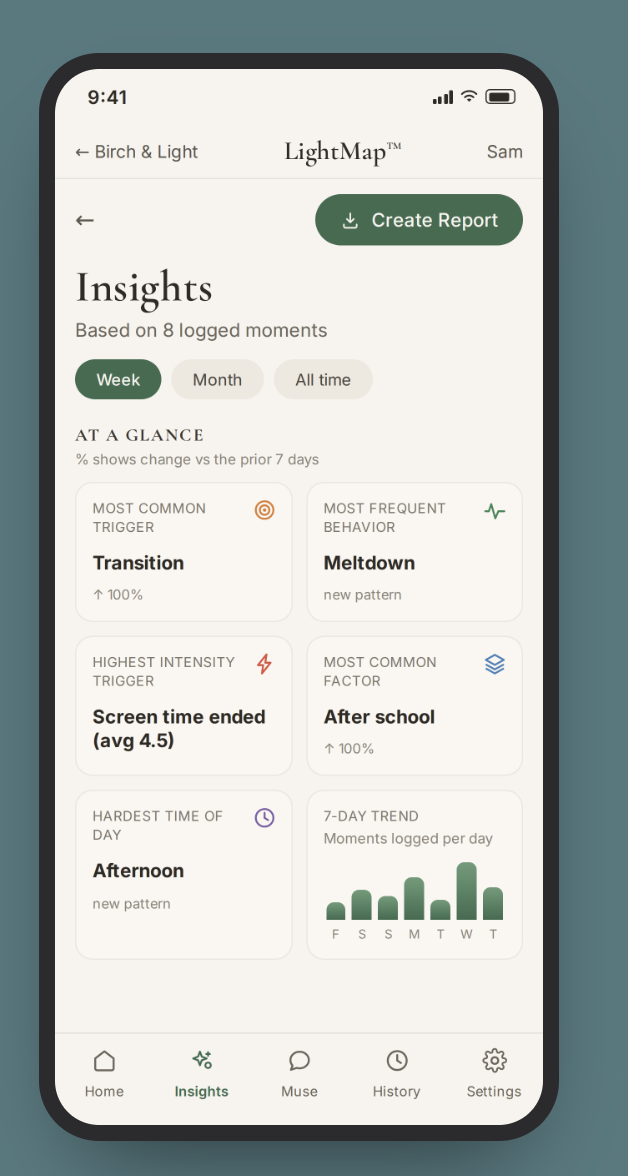

Part of the award-winning Birch & Light Method, honored with the Mom's Choice Gold Award for excellence in family resources.
A story to read together
Sometimes the easiest way in is a story you read side by side.
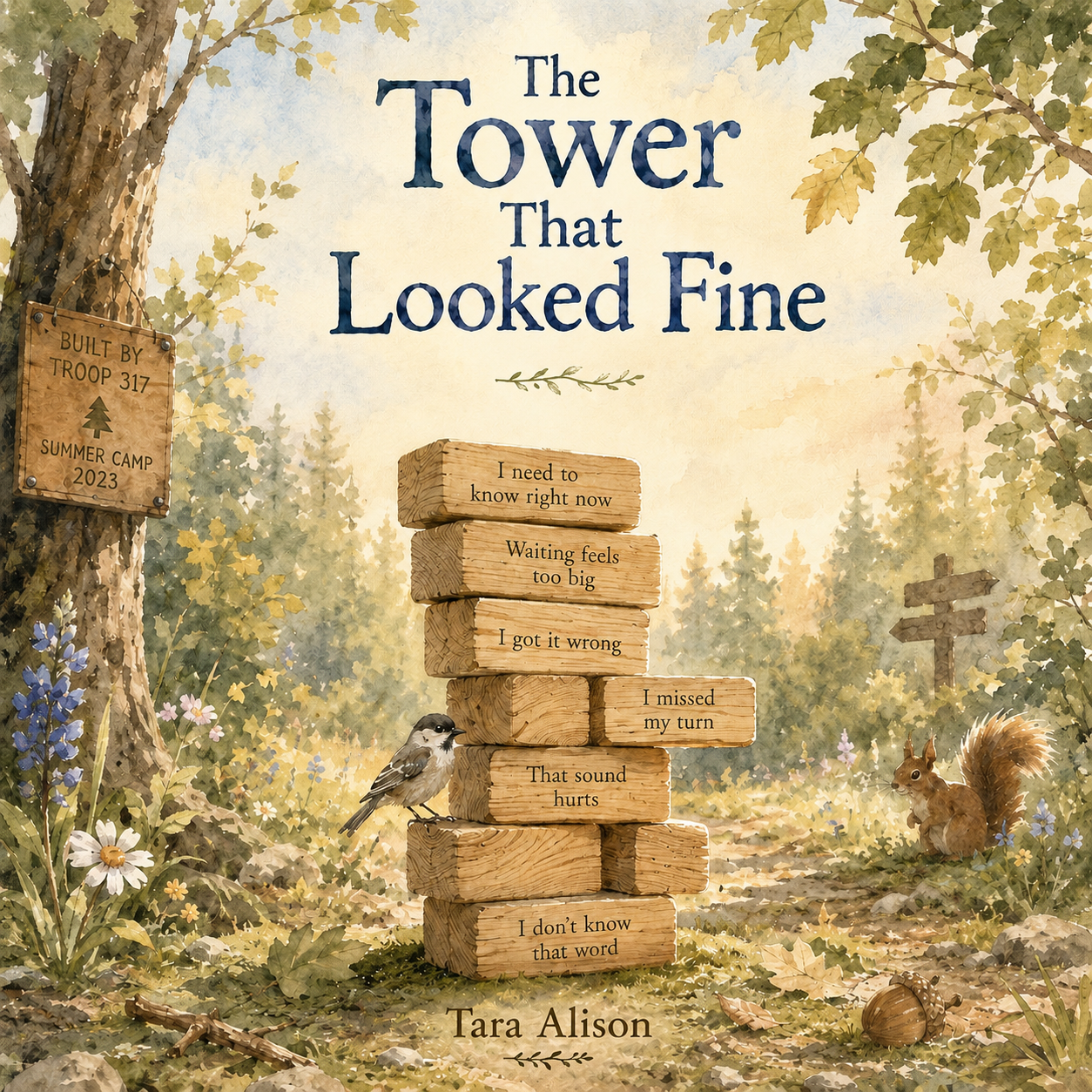 The Tower That Looked Fine
A tower in a quiet clearing tries to stay steady through every small thing nobody else seems to notice — until one tiny breath of wind causes her to fall, and a gentle hand begins to gather the blocks back.
Read the story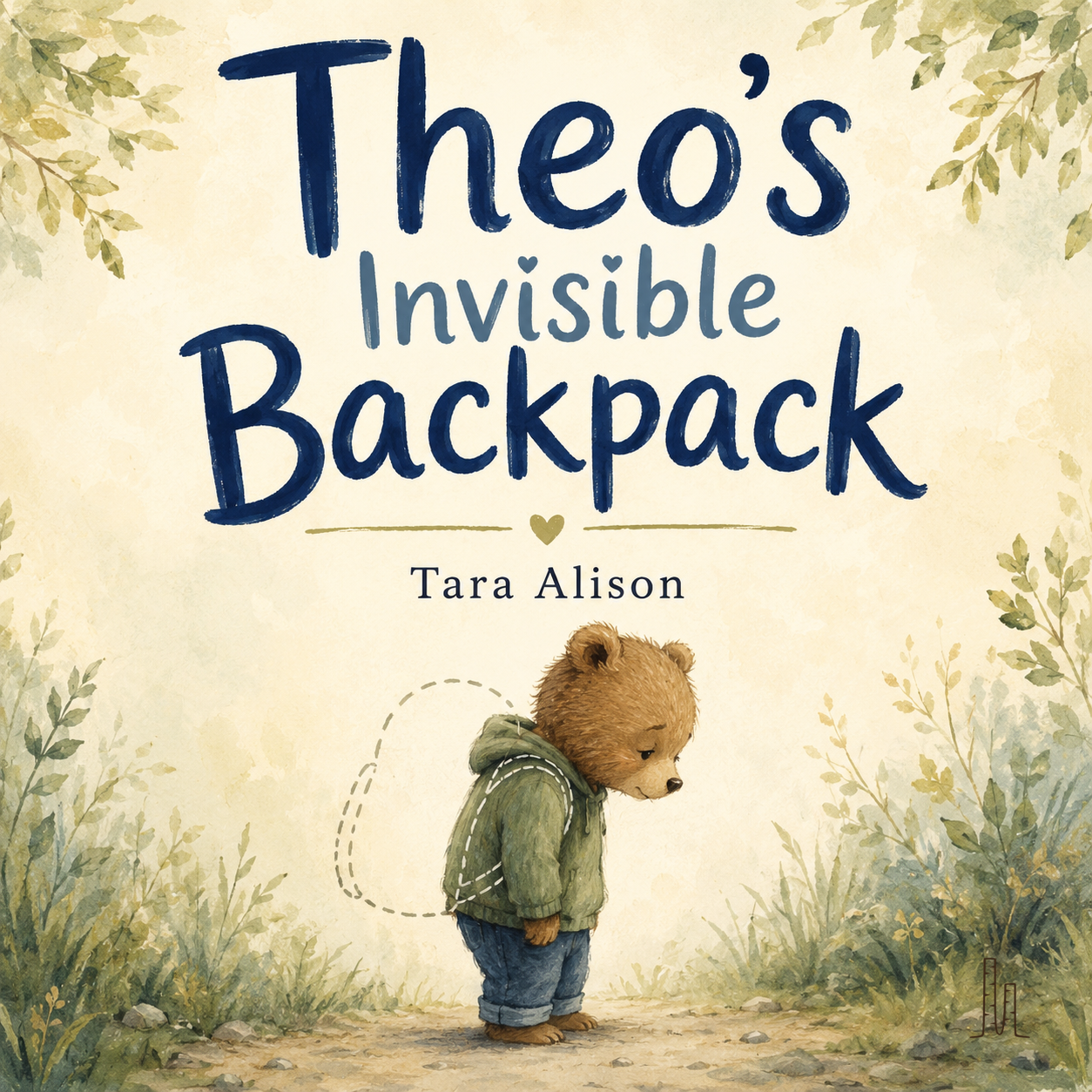 Theo's Invisible Backpack
Theo carries every hurtful word as a stone in an invisible backpack — until the day his mama really sees how heavy it has become, and they begin sorting the stones together.
Read the story
If today was one of those days
A few more from the library, free to read.
Researched and drafted with AI assistance, reviewed before publication. Editorial standards