
The seam on the sock is in the wrong place. The shirt is 'too scratchy.' The tag is unbearable. The pants feel 'weird.' Getting dressed becomes a daily negotiation, sometimes a daily battle, and you find yourself cutting out tags, buying the same three soft shirts on repeat, and bracing for the morning standoff over clothes that look perfectly fine to you.
It's tempting to read this as fussiness, stubbornness, or a child who's learned that clothing is a good place to dig in. But for a great many children, clothing battles aren't about control at all. They're about sensation — a nervous system that registers the feel of fabric far more intensely than yours does, in which an ordinary shirt can be a genuine, all-day source of discomfort.
Why Clothes Can Genuinely Bother Them
Children who battle over clothing are often experiencing tactile sensitivity — a difference in how the nervous system processes touch. For these children, the constant, low-level sensation of fabric against skin isn't background noise the way it is for most of us. It's foreground. They feel it, all day, and some of it is genuinely unpleasant.
A few things tend to be true. Tags and seams can feel sharp, scratchy, or maddening in a way that's hard to ignore. Certain textures — stiff fabrics, wool, anything rough — can be actively uncomfortable against sensitive skin. Socks are a common flashpoint because the seam across the toes is impossible to tune out. And tightness, looseness, or the way a waistband sits can all register as wrong in a way that nags without stopping.
The crucial part: for a tactile-sensitive child, this discomfort doesn't fade once they're dressed. It continues all day. A 'scratchy' shirt isn't a one-time complaint; it's an irritation they'll be feeling at 10am and 2pm and all the way home. Refusing to wear it is a reasonable attempt to avoid hours of discomfort.
For a tactile-sensitive child, an itchy shirt isn't a passing complaint. It's an all-day irritation they're trying to avoid.
Why It Looks Like Stubbornness
This gets misread as a power struggle for the same reason sound sensitivity does: we assume our child feels fabric the way we do. If a shirt doesn't bother you, the insistence that it's unbearable can look like exaggeration or a child being deliberately difficult. So a sensory need gets treated as a behavior problem, and the morning becomes a battle of wills over something that was never really about will.
But tactile sensitivity is real and variable. Your child genuinely feels the tag, the seam, the texture more than you do. When you treat the discomfort as real rather than invented, the dynamic changes from forcing compliance to solving a sensory problem together.
Why It's Worth Taking Seriously
Beyond the daily friction, there's a bigger reason not to push through clothing distress. For a sensitive child, being forced to wear genuinely uncomfortable clothing is a constant, draining source of dysregulation. That low-level discomfort runs underneath everything else, depleting the reserve they need to handle the rest of the day — school, social demands, transitions.
A child who spends the whole day distracted and irritated by their clothing has less capacity left for everything else, and is closer to the edge of overload before anything else even happens. Comfortable clothing isn't a trivial preference; for these children, it removes a steady drain on their regulation and frees up capacity they need elsewhere.
While you're here, take the guide
What's Underneath is free: the three body-state triggers under most meltdowns, what to say in the minute before it tips over, and how to reset afterward.

You'll get the guide instantly, plus five free articles in your inbox every week. Real challenges (meltdowns, school mornings, picky eating, big feelings) and how to actually handle them. Unsubscribe anytime.
What Tends to Help
Believe the discomfort. As with all sensory differences, the first and most important shift is accepting that the feeling is real. Your child isn't inventing the scratchiness to thwart you.
Remove the offenders. Cut out tags, seek out seamless socks, choose soft fabrics, avoid the textures your child can't tolerate. Building a wardrobe around what actually works for their body isn't spoiling them; it's accommodating a real need.
Let them have a say. Giving your child input into what they wear — within reason — respects that they're the one who has to feel it all day. A child who can choose the soft shirt is a child who isn't fighting you about it.
Find what works and lean in. If there are three shirts your child can comfortably wear, buy more of them. Repetition and predictability in clothing isn't a problem to fix; it's a solution that's working.
Prep clothes ahead of the morning. Sorting out what's comfortable before the rushed, high-stakes morning window takes the battle out of the moment when everyone has the least patience for it.
Don't force it to 'toughen them up.' Making a child endure uncomfortable clothing doesn't desensitize them; it just adds a daily source of distress. The sensitivity tends to ease with time and support, not with forced endurance.
The Shift Worth Making
Clothing battles usually aren't about defiance or control. They're about a child whose nervous system feels fabric more intensely than yours, trying to avoid hours of genuine discomfort. The tag really does bother them. The shirt really is scratchy. The sock seam really is unbearable.
When you stop treating it as stubbornness and start treating it as a sensory need, the morning stops being a battle of wills and becomes a problem you can actually solve — by finding the clothes that let your child feel comfortable enough to get on with their day.
Every behavior is a clue.
If clothing is a daily flashpoint, LightMap can help you track which fabrics and features set your child off and what works — so the pattern beneath it becomes easier to see. Explore LightMap at birchandlight.com/lightmap.
For your child: Taste Bud 17 is about a taste bud who only tastes hot sauce while everyone else shouts their flavor, and works out he is not broken, just wired more loudly.
Sources: Peer-reviewed research on tactile defensiveness and tactile over-responsivity in children (American Journal of Occupational Therapy; PMC); Dunn's Model of Sensory Processing; STAR Institute for Sensory Processing; American Occupational Therapy Association guidance on sensory sensitivity in dressing and daily living routines; research linking sensory over-responsivity to reduced regulatory capacity across the day (PMC).
For education and reflection, not medical advice. Our terms
See what's underneath
Find the input before it becomes a meltdown
LightMap reads your hard days together and gives you answers. Start with one moment today.
Start with 3 moments Not sure where to start? Ask me.Message Tara on WhatsApp. It really is me, I read everything and will personally respond.Click here to message Tara →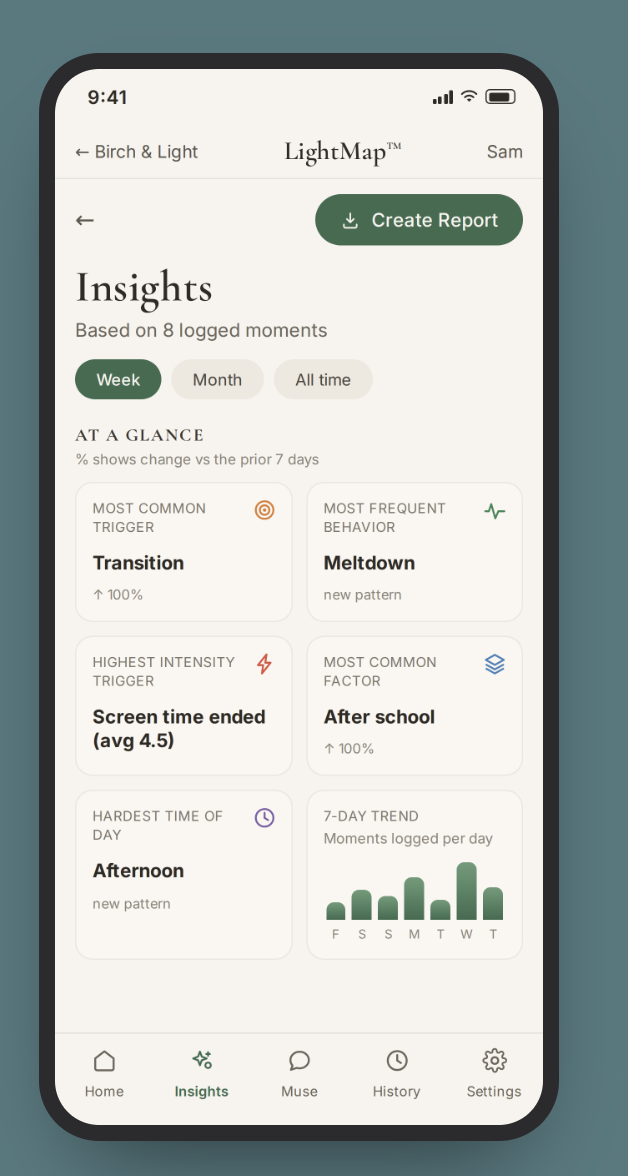

Part of the award-winning Birch & Light Method, honored with the Mom's Choice Gold Award for excellence in family resources.
A story to read together
Sometimes the easiest way in is a story you read side by side.
 Otto Filled Everything
Otto can't stop filling things with water. His family doesn't understand — until Grandma Willow helps them listen to what his body is actually asking for.
Read the story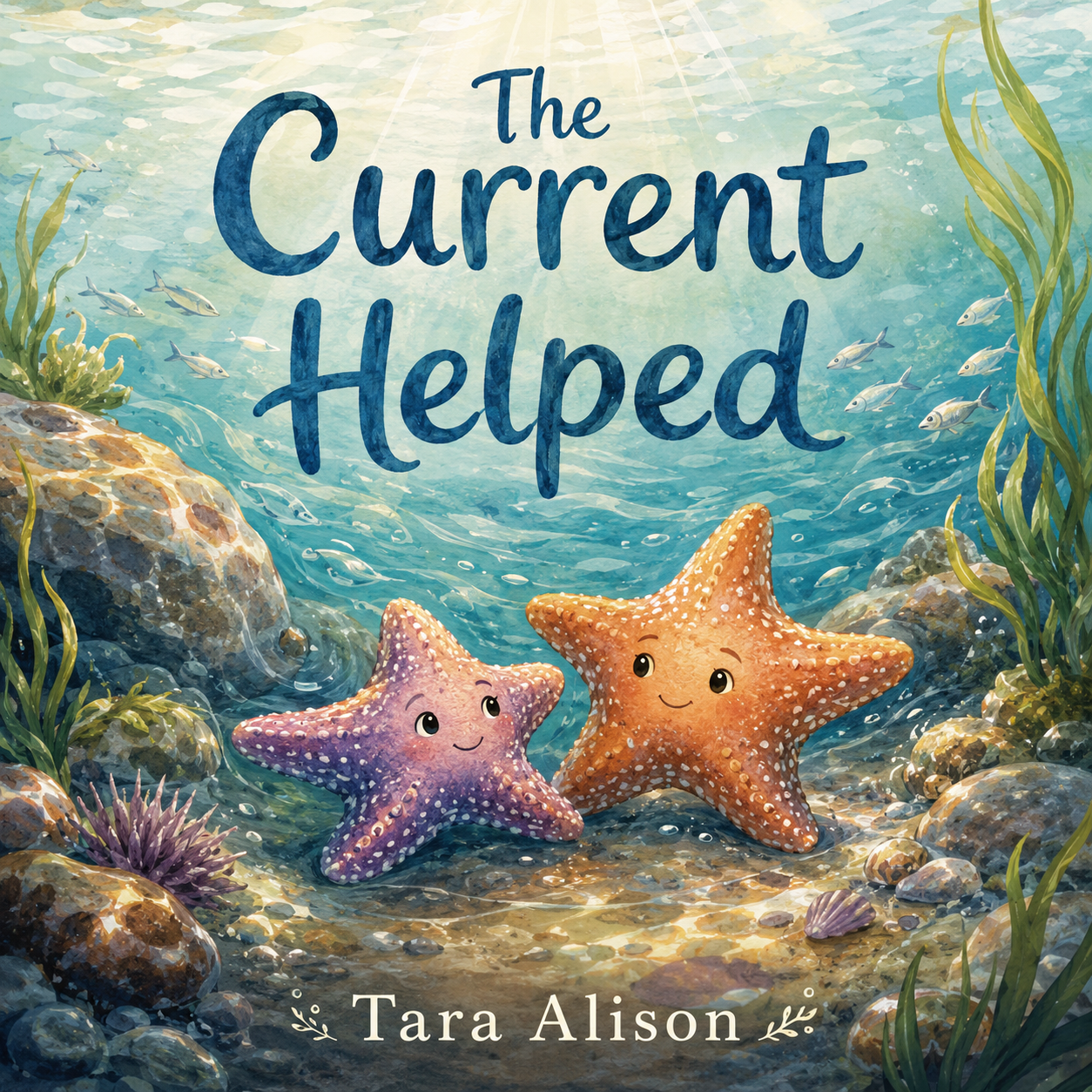 The Current Helped
After a hard day, a shifting tide pulls Miles free of his favorite rock. Papa Dean lets the current carry him too — and side by side, the moving water helps the feeling inside Miles begin to settle.
Read the story
If today was one of those days
A few more from the library, free to read.
Researched and drafted with AI assistance, reviewed before publication. Editorial standards