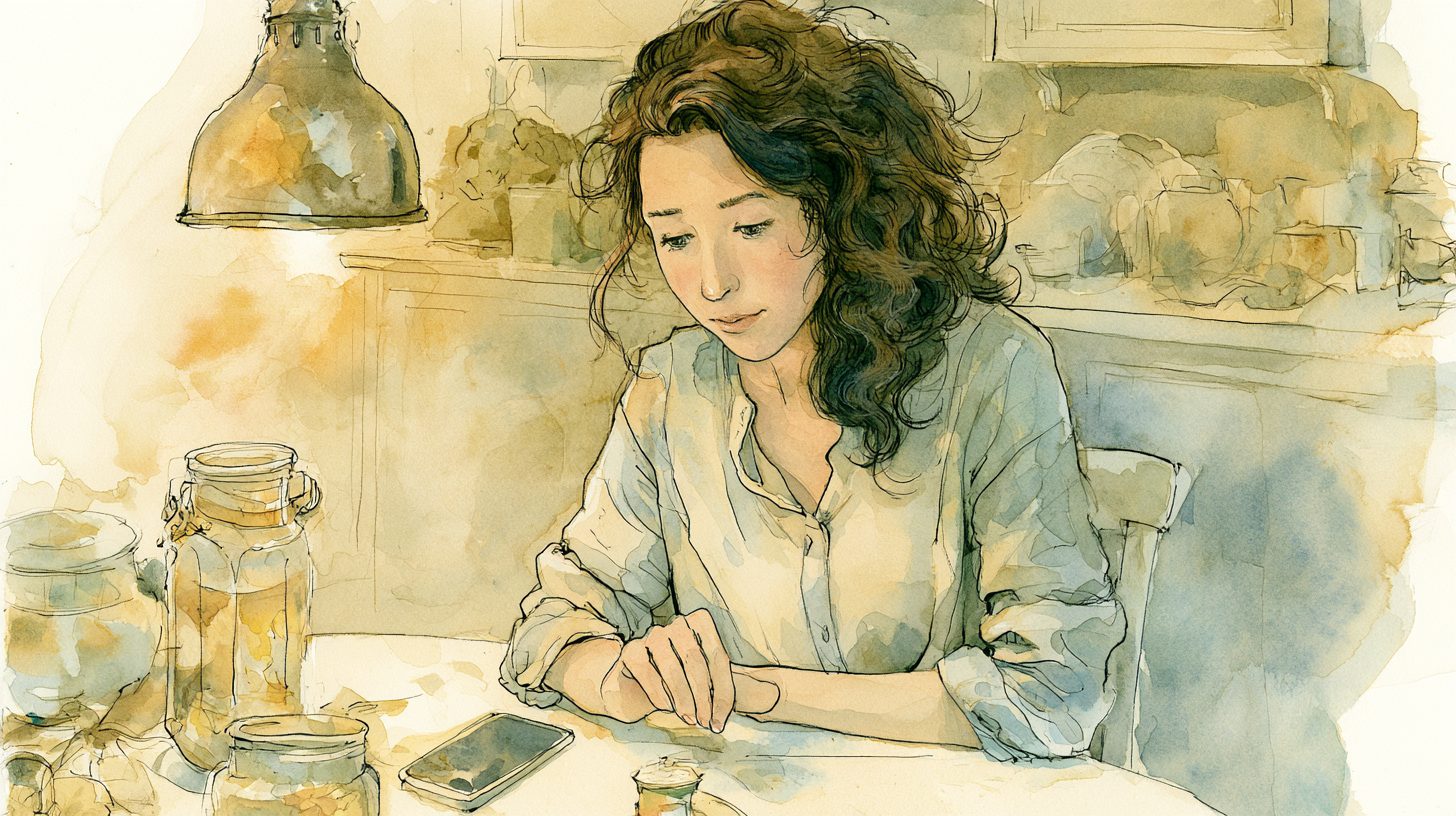
If your child takes medication for ADHD, anxiety, or depression, you have probably seen a version of this in your feed over the last week. Florida is warning doctors against prescribing psychiatric drugs to children. Millions of developing brains exposed. Medications that lack FDA approval.
It has been shared widely, and it has landed hard on parents who spent months agonizing over a decision they thought they had finally made.
Here is what the guidance actually says, what is accurate in the coverage, what is not, and what any of it means for your family.
What was actually issued
On July 24, 2026, the Florida Department of Health released guidance on psychotropic medication for children aged 5 to 17, announced at a roundtable in Orlando hosted by state Surgeon General Dr. Joseph Ladapo.
The guidance asks providers to conduct a comprehensive medical, mental health and physical evaluation before starting treatment, except in emergencies. It asks them to assess sleep, screen time, unstructured play, physical activity and diet. It suggests considering laboratory testing for underlying medical conditions. And it asks that psychotherapy and other evidence-based options be offered before medication, where appropriate.
A statement accompanying the release from Agency for Health Care Administration Secretary Shevaun Harris says psychotropic medications "can play an important role in treatment when they are clinically appropriate and medically necessary."
The document itself is titled "Avoidance of Psychotropic Pharmacotherapy in Children age 5-17," and that title is doing real work, so this is not a case of the coverage inventing something. But the body of the guidance is largely about the quality of evaluation before prescribing rather than a blanket instruction to stop, and that is a meaningfully different document from the one described in the posts going around.
What is accurate
Several of the underlying concerns are real, and worth taking seriously regardless of what you think of the source.
Rushed evaluations do happen. A fifteen minute appointment and a prescription pad is not a comprehensive assessment, and plenty of parents have experienced exactly that.
Medical causes do get missed. Obstructive sleep apnea in children produces inattention, hyperactivity and irritability that looks convincingly like ADHD, and it is regularly overlooked. So can iron deficiency, thyroid problems and undiagnosed hearing loss. Checking for these before settling on a diagnosis is good medicine and always was.
Behavior therapy before medication for the youngest children is already the standard. The American Academy of Pediatrics has recommended parent training in behavior management as first line treatment for children under six for years, with medication considered if symptoms remain moderate to severe. Florida asking for this is not a departure from mainstream practice.
And sleep, movement and unstructured play genuinely affect regulation. Any parent who has watched a child fall apart after a short night knows this.
What is not accurate
The claim doing the most damage in the shared posts is that these medications "frequently lack full FDA approval for pediatric use."
For ADHD medication specifically, that is not right. Methylphenidate is FDA approved for children aged 6 and up. Mixed amphetamine salts are approved from age 3. Non-stimulant options including atomoxetine, extended release guanfacine and extended release clonidine are also FDA approved for pediatric use. Over a hundred randomized controlled trials support stimulant efficacy in children.
Off-label prescribing in child psychiatry is a genuine issue in some categories, particularly antipsychotics and some antidepressants at younger ages. But the posts collapse all psychiatric medication into one category, and a parent reading quickly comes away believing their child's ADHD medication is unapproved and untested. It is neither.
The second thing worth noticing is who was in the room. The roundtable included Laura Delano, founder of an organization focused on psychiatric drug withdrawal and a longstanding critic of psychiatric medication. That does not make the guidance wrong, but a panel assembled to review prescribing practices was not a neutral cross section of child psychiatry.
While you're here, take the guide
What's Underneath is free: the three body-state triggers under most meltdowns, what to say in the minute before it tips over, and how to reset afterward.
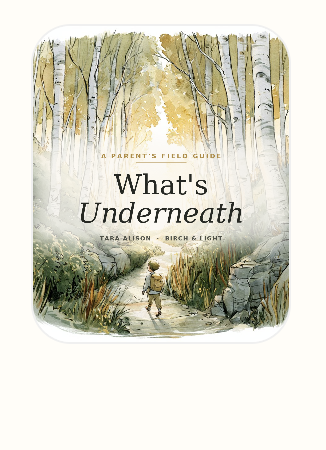
You'll get the guide instantly, plus five free articles in your inbox every week. Real challenges (meltdowns, school mornings, picky eating, big feelings) and how to actually handle them. Unsubscribe anytime.
The part that actually worries me
Not the policy. The shame.
Almost no parent arrives at medication quickly. They arrive after years of trying everything else, after the sticker charts and the diet changes and the earlier bedtimes and the therapy waitlist, after a teacher meeting that went badly, after watching their child conclude they are the bad kid. Medication is usually the last door, not the first.
Headlines framed as "millions of developing brains exposed" tell those parents they took a shortcut. They did not. And a parent who tapers their child's medication out of guilt, without their prescriber involved, can undo a great deal of hard won stability very quickly.
There is a second problem. Advice to try therapy first only works if therapy is reachable. In much of the country the wait is six to twelve months, good practitioners often do not take insurance, and rural families may have nothing within driving distance. Telling a parent to prioritize something they cannot access is not a plan. If the goal is genuinely fewer prescriptions and more therapy, that requires funding the therapy, and guidance alone does not do that.
What to do with this
If your child is on medication and doing well: nothing here changes that. State guidance is not a recall, it does not affect your prescription, and it is not evidence that your child's medication is unsafe. If you have questions, ask them at your next appointment rather than making changes alone.
Never stop or reduce psychiatric medication abruptly on your own. Some of these medications require tapering, and stopping suddenly can cause a rebound worse than where you started. That is a conversation with the prescriber, not a decision to make after reading a post.
If you are at the beginning of this: the guidance contains a decent checklist, whatever you think of its politics. Has anyone asked about sleep, and specifically about snoring or restless nights? Has anyone checked iron, ferritin, thyroid, and hearing? Has behavior support actually been tried, or just mentioned? Those are good questions to bring to an appointment, and a good clinician will not be defensive about them.
If you are being made to feel like a bad parent: you know your child, you watched them struggle, and a decision made carefully with a doctor who examined your kid is not invalidated by a press release or a viral post.
This is general information for parents, not medical advice. Decisions about your child's medication belong with the clinician who knows them. Do not change a prescription based on anything you read online, including this.
If you are trying to work out whether something is helping, LightMap gives you a dated record of the hard moments and what surrounded them, so you walk into appointments with a pattern instead of a feeling.
Sources: Florida Department of Health guidance on psychotropic pharmacotherapy in children, July 24 2026; Florida Department of Health press release, July 24 2026; WUSF and Health News Florida reporting, July 28 2026; U.S. Food and Drug Administration, approved medications for ADHD; American Academy of Pediatrics clinical practice guideline for ADHD.
For education and reflection, not medical advice. Our terms
See what's underneath
Walk into the next appointment with a pattern
LightMap turns scattered hard days into a pattern you can see. Start by logging one moment tonight.
Start with 3 moments Not sure where to start? Ask me.Message Tara on WhatsApp. It really is me, I read everything and will personally respond.Click here to message Tara →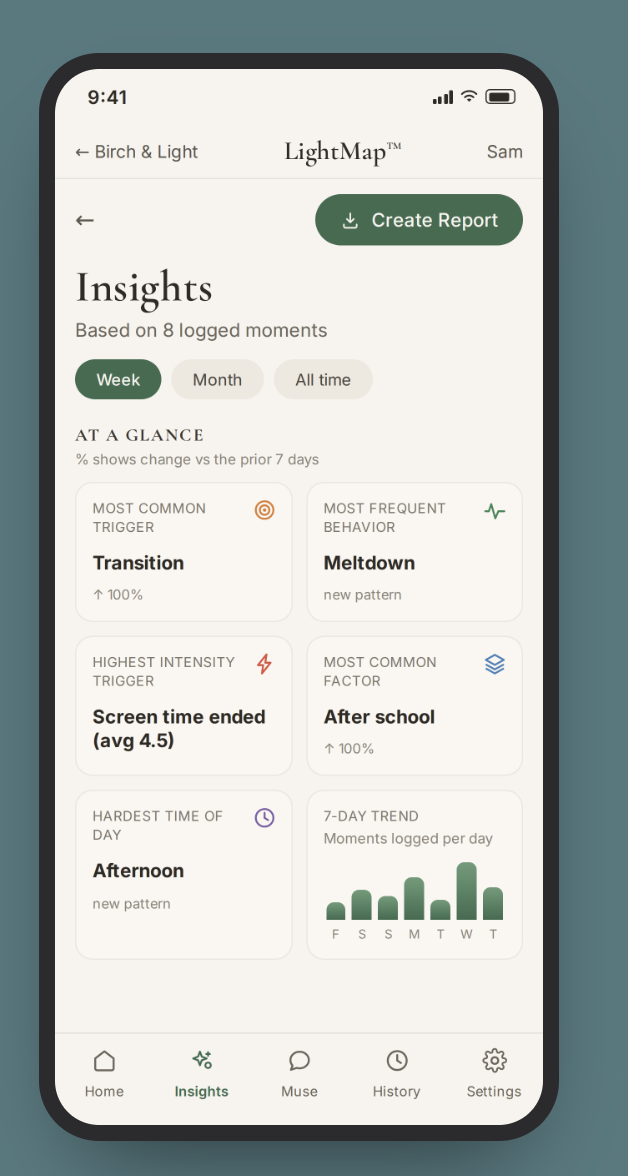
Part of the award-winning Birch & Light Method, honored with the Mom's Choice Gold Award for excellence in family resources.
A story to read together
Sometimes the easiest way in is a story you read side by side.
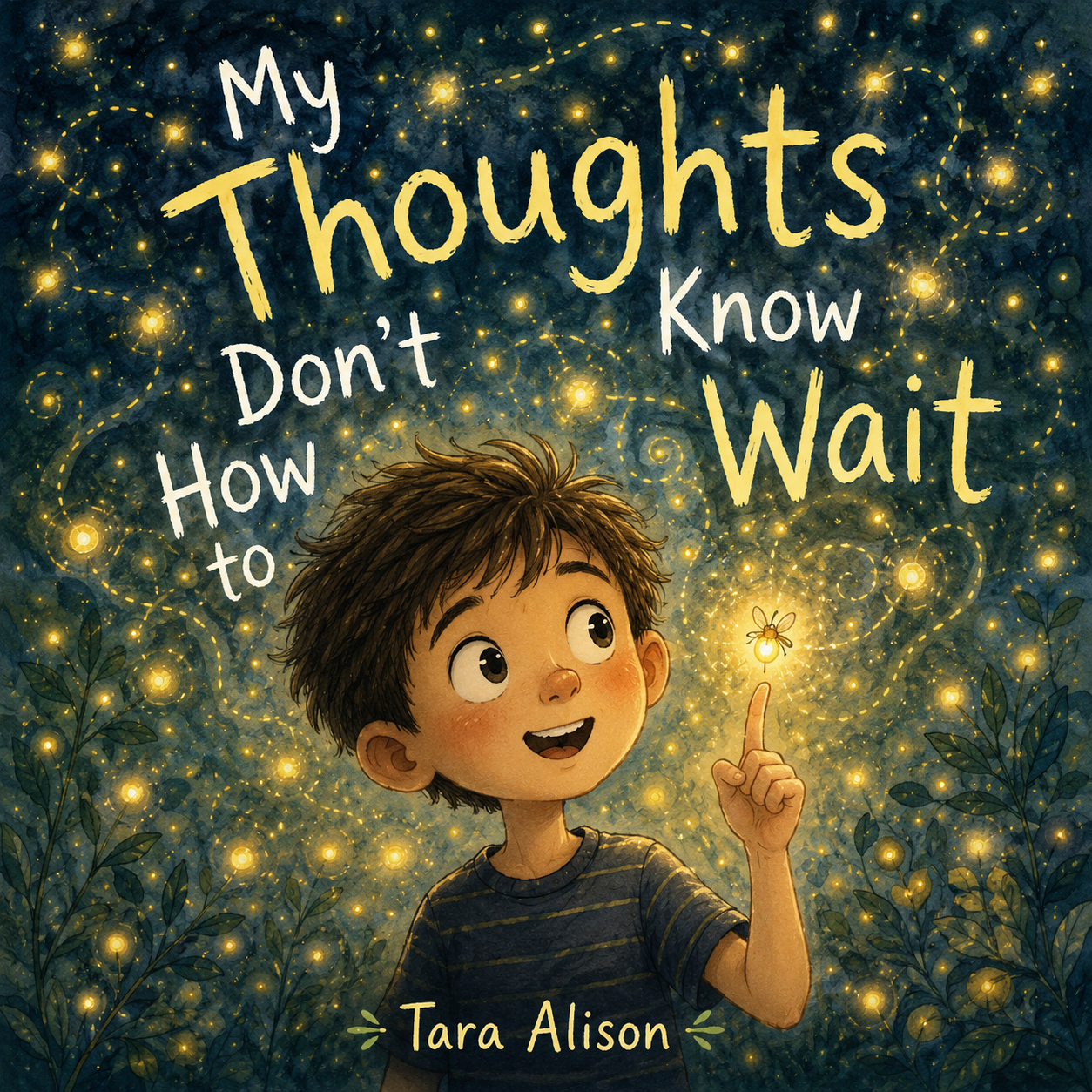 My Thoughts Don't Know How to Wait
Simon's thoughts arrive bright and fast — and feel like they will disappear if he doesn't say them right away. One quiet night beside fireflies, he discovers a small, surprising space between noticing a thought and chasing it.
Read the story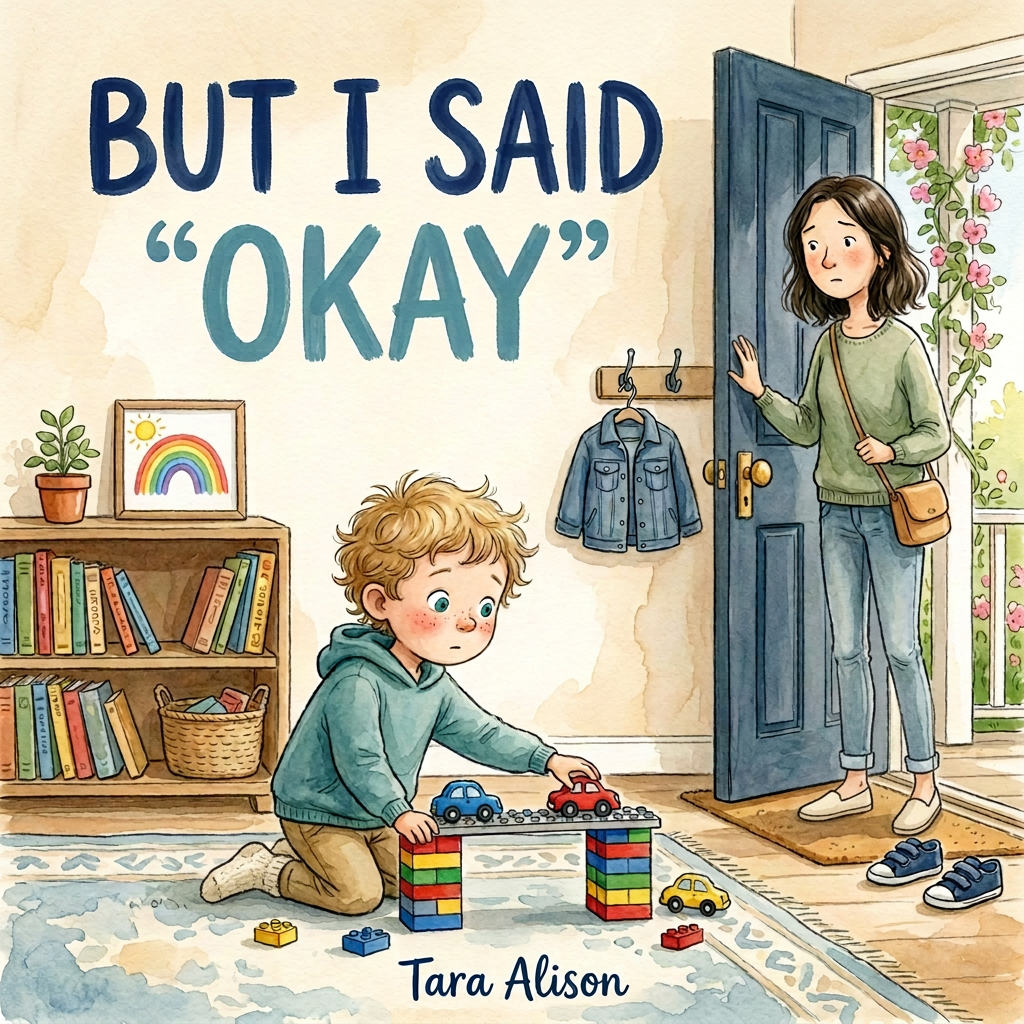 But I Said “Okay”
Owen always says okay. He means it every time. But his attention is still inside the bridge, the dragon, the cave, the music — until Mom realizes that helping him leave one thing matters more than asking him to start the next.
Read the story
Researched and drafted with AI assistance, reviewed before publication. Editorial standards